You've put in the work. Months of physical therapy appointments, countless exercises at home, and probably more ice packs than you care to count. Your doctor or physical therapist has given you the green light, you're "cleared" to return to sports.
So why does the thought of cutting hard on the field still make your stomach drop?
If you're an athlete (or a parent of one) who's finished PT after a knee injury like an ACL tear and still feels hesitant about getting back in the game, you're not alone. And more importantly, you're not imagining things. There's a real gap between being medically cleared and being truly ready to compete, and that's exactly where we come in.
The Uncomfortable Truth: PT Is Step One, Not the Finish Line
Let's be clear: physical therapy is absolutely essential. It restores range of motion, reduces swelling, and rebuilds basic strength in the injured area. Your PT did incredible work getting you to this point.
But here's the thing, the goal of physical therapy is to get you functional in everyday life. Walking without pain. Climbing stairs. Bending your knee normally. These are crucial milestones, and you should celebrate them.
However, sports don't happen in a physical therapy clinic. They happen on fields, courts, and tracks where you need to sprint, cut, jump, land, and react in a split second, often while someone is chasing you or you're chasing a ball. That's a completely different level of physical demand.
Think about it this way: if PT gets you from injured to "normal," the Return to Play Bridge Program gets you from "normal" to game speed.
The Confidence Gap Is Real (And It Matters)
Here's something that doesn't get talked about enough: the psychological side of returning from injury.
You might be physically capable of making that hard cut or landing that jump, but your brain hasn't caught up yet. Your body remembers what happened. That hesitation you feel? That slight flinch when you plant your foot? That's your nervous system trying to protect you.
And it's completely normal.
Research consistently shows that one of the biggest predictors of re-injury isn't physical weakness, it's returning to play before you've rebuilt confidence in your movement. Athletes who don't feel mentally ready are more likely to compensate with awkward mechanics, which puts them at higher risk for another injury.
The bridge between PT and full competition isn't just about strength and speed. It's about rebuilding trust in your body. That's why our Return to Play program addresses both the physical and psychological aspects of getting back in the game.
What the Return to Play Bridge Program Actually Looks Like
So what does it take to truly bridge that gap? At Athletic Republic Knoxville, we've developed a structured program specifically designed for athletes in your exact situation, cleared by PT but not quite ready to compete at full intensity.
Here's what we focus on:
Progressive Agility Training
Agility is often the scariest part of returning from a knee injury. Quick direction changes, lateral movements, and reactive cuts are exactly the movements that got you hurt in the first place.
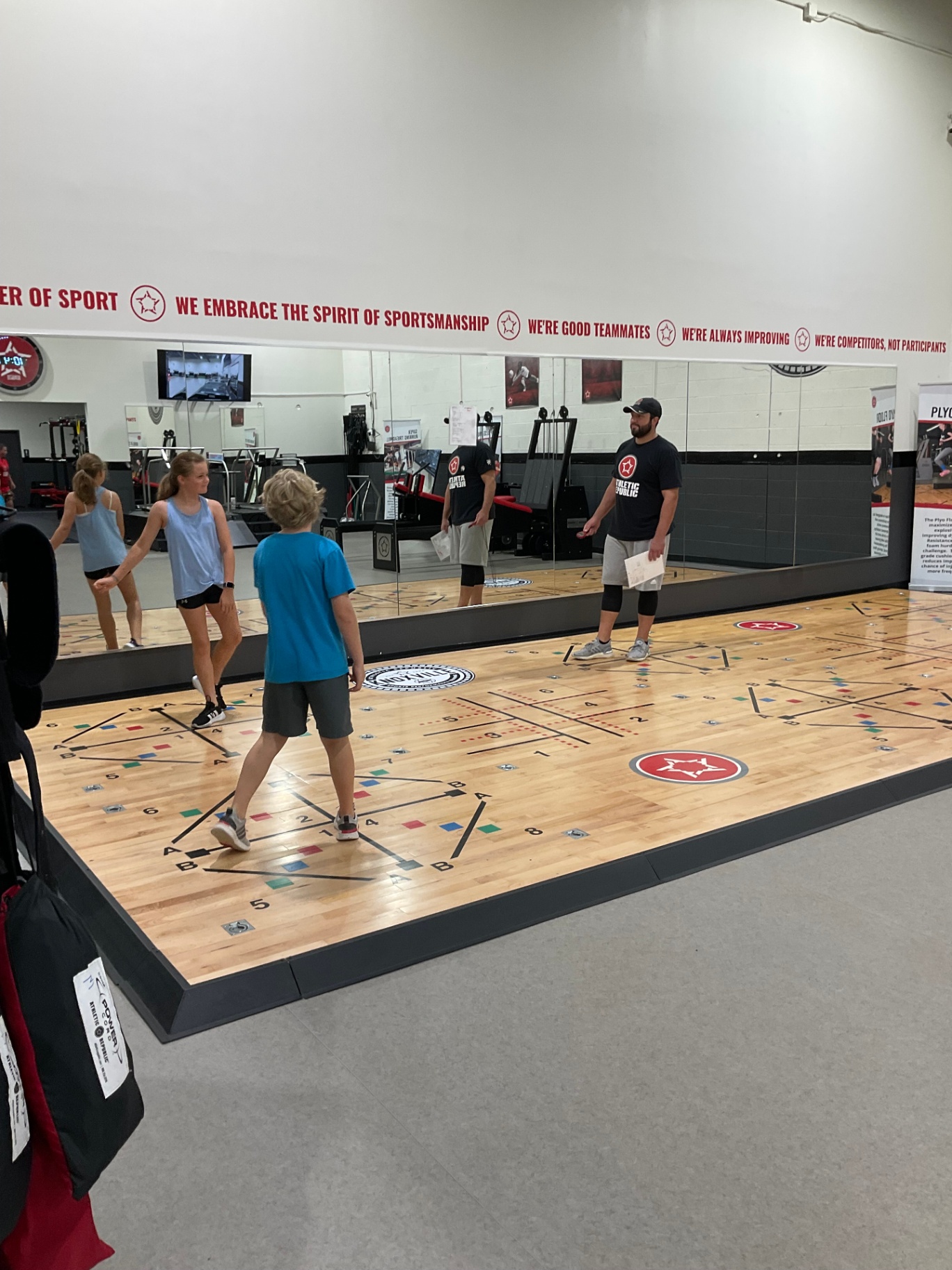
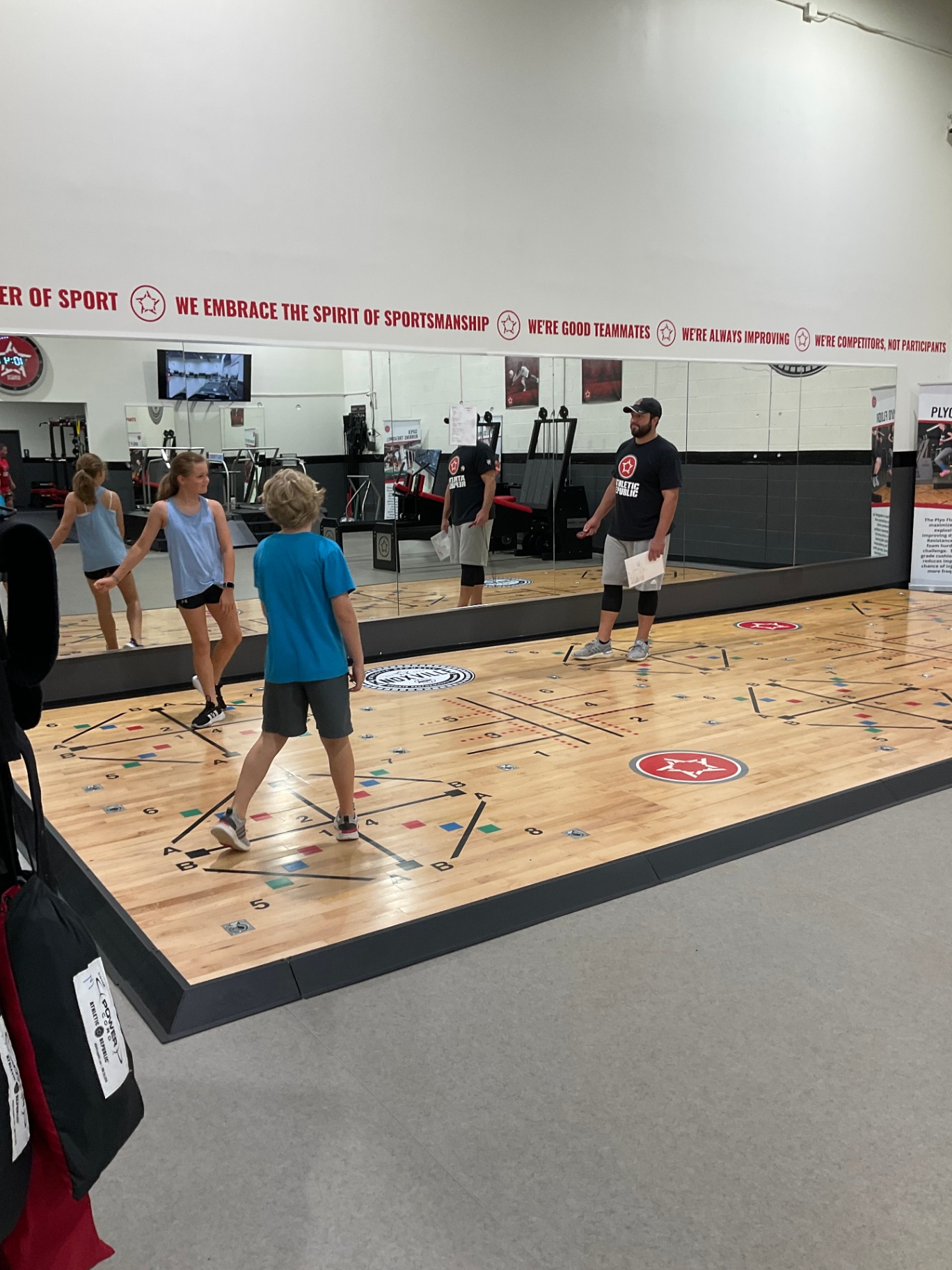
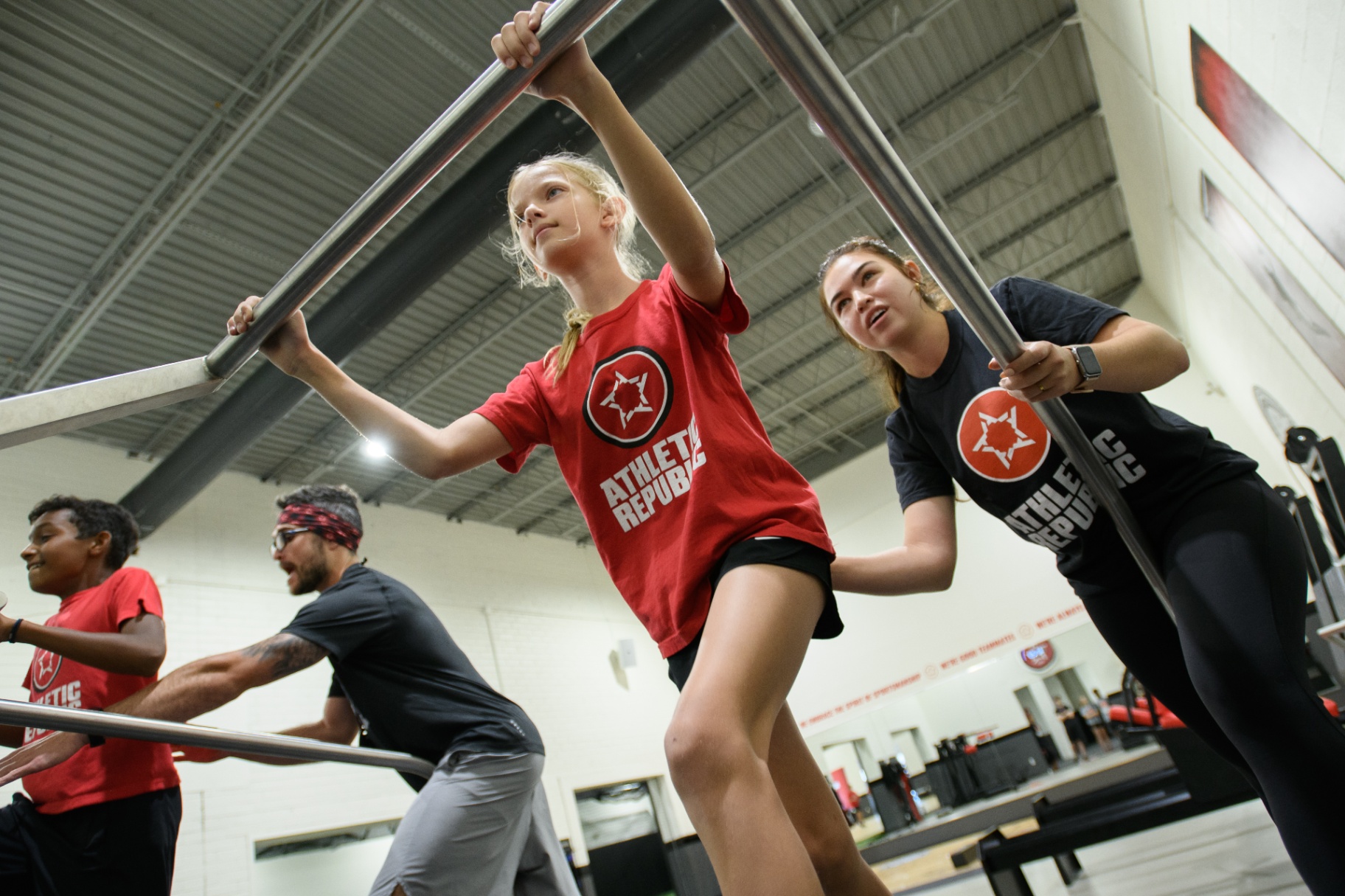
We don't throw you into the deep end. Instead, we progressively build your agility through controlled drills that gradually increase in intensity and complexity. You'll start with basic movement patterns and work your way up to sport-specific agility that mirrors what you'll actually face in competition.
Forward and Backward Running Mechanics
Running seems simple until you've had a knee injury. Suddenly, you're hyper-aware of every foot strike, every push-off, every landing.
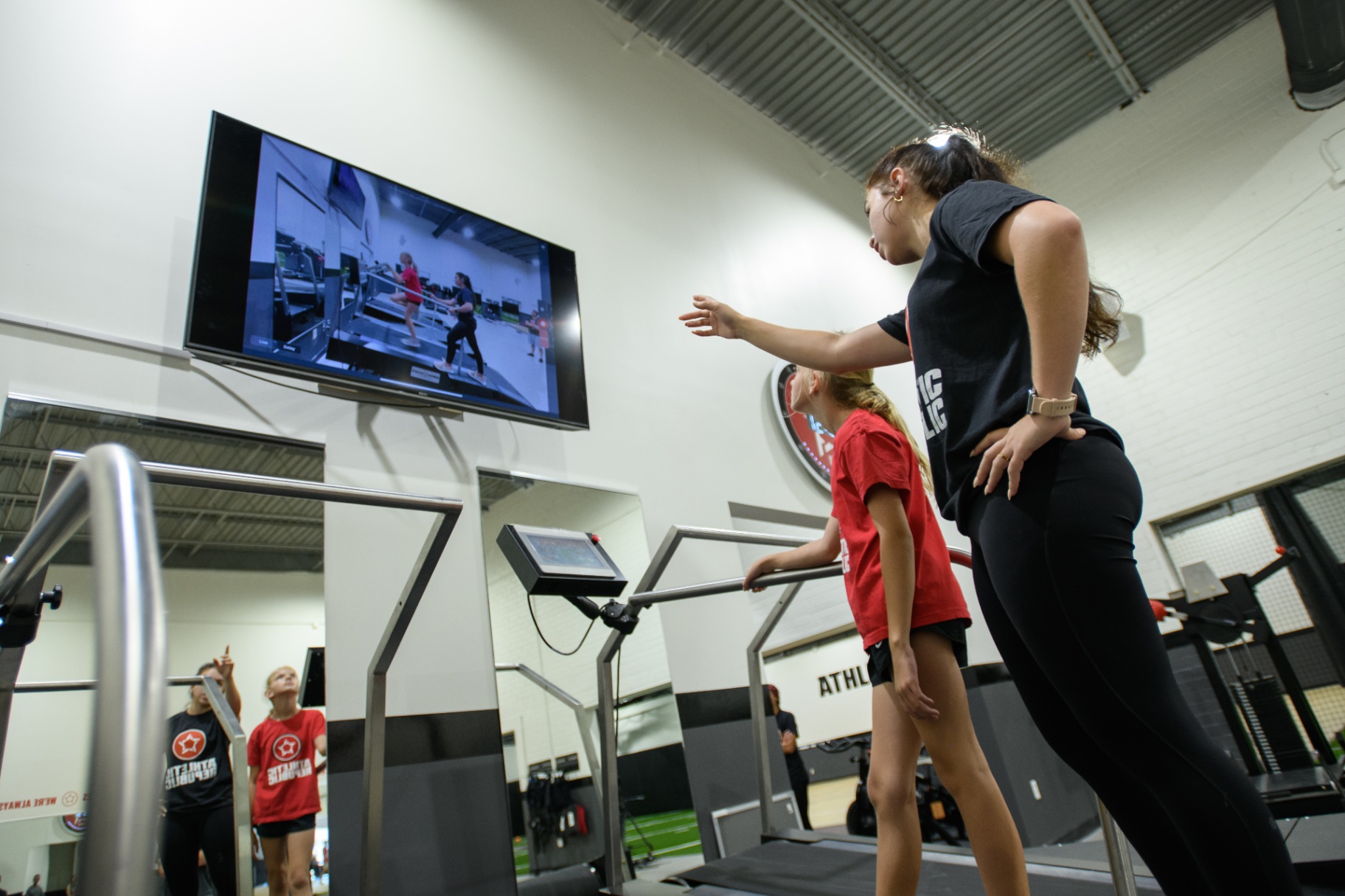
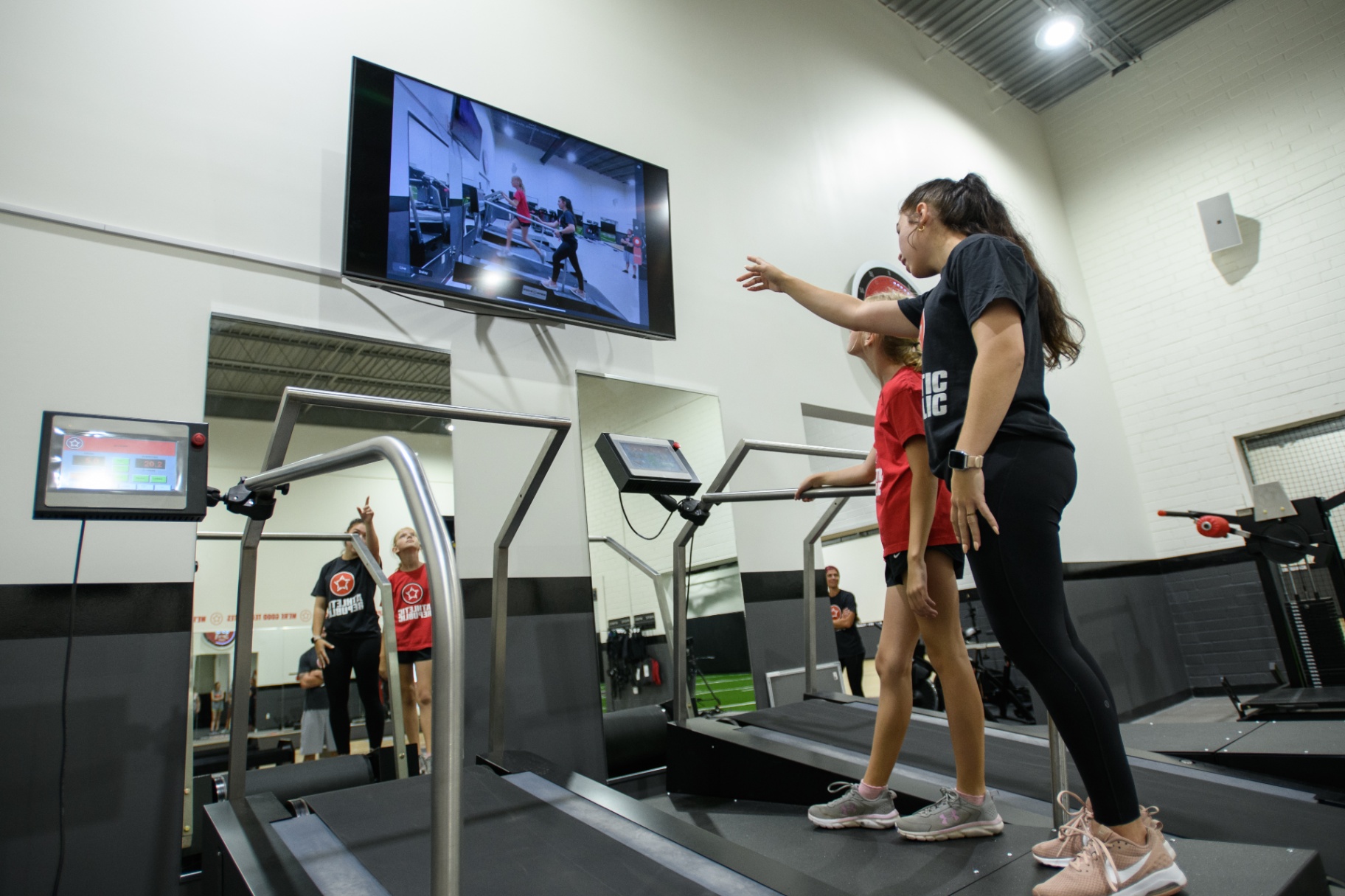
Our program includes dedicated work on both forward and backward running mechanics. We use specialized equipment and video feedback to analyze your gait, identify any compensations you might be making (often without realizing it), and retrain proper movement patterns. This isn't just about getting faster, it's about moving efficiently and safely.
Plyometric Training
Jumping and landing are non-negotiable skills for most sports. They're also movements that put significant stress on your knees.
Plyometric training, explosive jumping movements, is essential for rebuilding power and teaching your body to absorb and redirect force properly. But it has to be done progressively and with proper technique. We use our PlyoPress machine to introduce plyometric loading in a controlled environment before progressing to ground-based jumps. This allows us to build explosive power while minimizing impact stress on your healing knee.
Targeted Strength Training
While PT likely included some strengthening exercises, sport-specific strength is different. You need power, not just basic function.
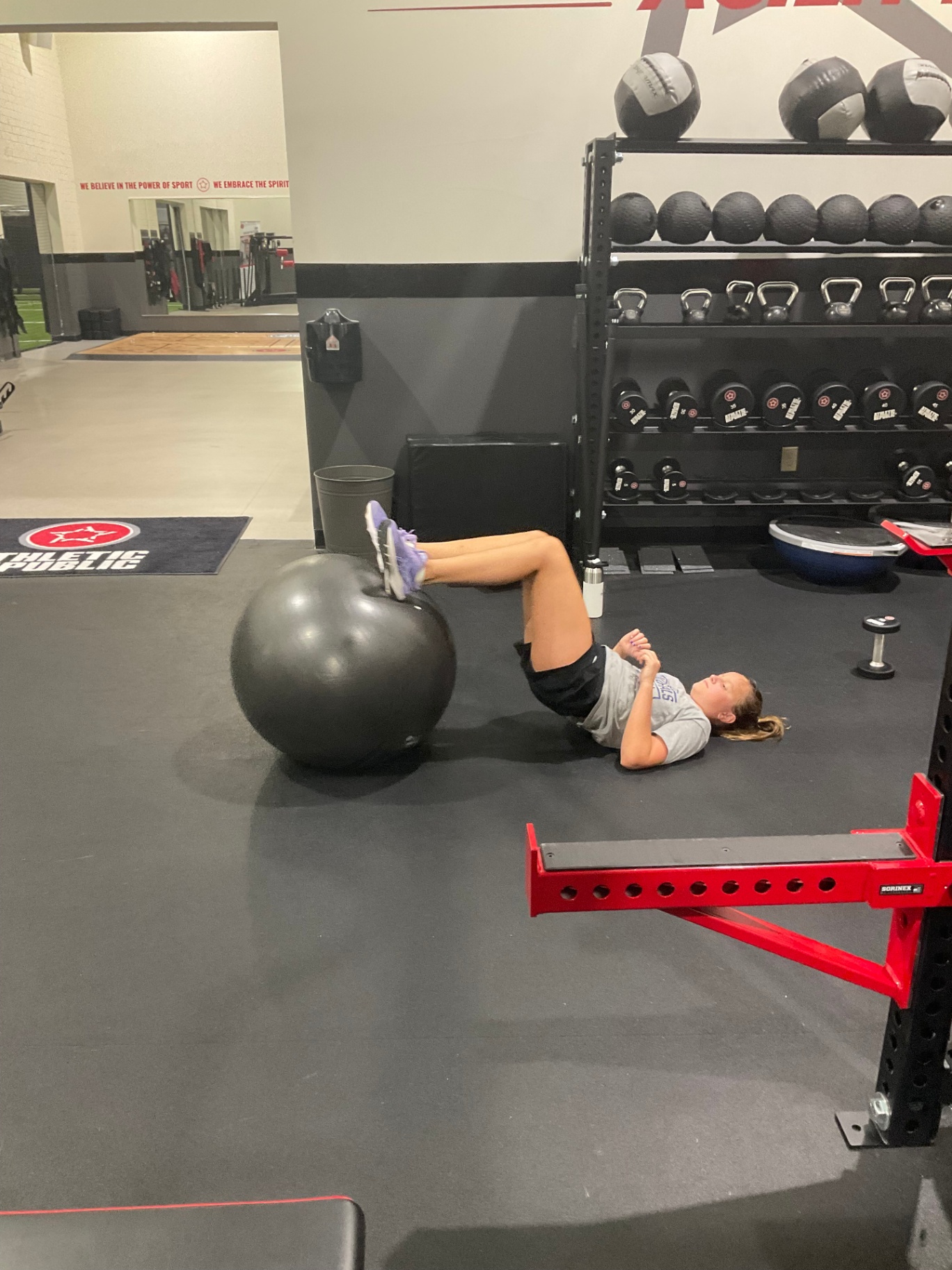
Our MultiHip machine is particularly valuable for athletes returning from knee injuries. It allows us to isolate and strengthen the muscles around the hip, glutes, hip flexors, adductors, and abductors, which play a crucial role in knee stability. Weak hips are a major contributor to knee injuries, so building strength here is essential for both performance and injury prevention.
We also incorporate comprehensive lower body strength work using a variety of equipment, ensuring you're building balanced strength that supports your knee from every angle.
The Gradual Return: Why Rushing Doesn't Work
One of the most important aspects of our Return to Play program is the graduated approach to intensity.
We get it, you want to be back on the field yesterday. The season is happening without you. Your teammates are playing. It's frustrating.
But here's what we've learned from working with countless athletes: rushing the return almost always backfires. Either you re-injure yourself (sometimes worse than the original injury), or you come back at 70% and struggle because your body isn't truly ready.
Our program gives you the structure to progress safely. We increase intensity, complexity, and sport-specificity over time, based on how your body responds. You'll know you're ready because you'll feel ready, not because a calendar says it's been enough weeks.
Building Trust in Your Body Again
Remember that confidence gap we talked about earlier? Here's how we address it.
Every session in our Return to Play program is designed to give you successful movement experiences. When you complete an agility drill without hesitation, when you stick a landing and feel solid, when you sprint full speed and your knee feels strong, those moments add up.
We're literally reprogramming your nervous system to trust your body again.
Our coaches provide constant feedback and encouragement, celebrating your progress while also being honest about where you need more work. You'll never be pushed into something you're not ready for, but you'll also be challenged to expand your comfort zone gradually.
For Parents: What You Need to Know
If you're reading this as a parent of an athlete recovering from a knee injury, here's what we want you to understand:
Your kid isn't being dramatic if they're nervous about returning to their sport. The fear is real, and it's actually protective in some ways, it's their body telling them they need more preparation.
The best thing you can do is support a patient, thorough return process. Yes, it might mean missing part of a season. But it also means significantly reducing the risk of re-injury and setting your athlete up for long-term success.
Our program gives young athletes (and their parents) peace of mind. You'll see measurable progress, understand exactly what we're working on, and know that your athlete is being prepared properly: not just physically, but mentally too.
Ready to Bridge the Gap?
Finishing physical therapy is a huge accomplishment. You should be proud of how far you've come.
But if you're honest with yourself, you know there's more work to do before you're truly ready to compete at your best. That's not a setback: it's just the reality of returning from a significant knee injury.
At Athletic Republic Knoxville, we specialize in bridging that gap. Our Return to Play program is designed specifically for athletes like you: cleared by PT, eager to compete, but smart enough to know they need a structured path back to game speed.
Don't leave your return to chance. Let's build your bridge together.
Contact us today to learn more about our Return to Play Bridge Program and take the next step in your comeback story.