When the final whistle blows on your fall or spring season, it is tempting to hang up your cleats, drop your gym bag in the trunk, and take a long, well-deserved break from everything related to sports. For many families and student-athletes across East Tennessee, the months following a competitive season are viewed as a total downtime: a chance to sleep in, recover from bumps and bruises, and completely disconnect until tryouts roll around again.
However, ask any elite coach, sports scientist, or veteran competitor what separates the players who walk onto the field on opening day wearing a starting jersey from those who watch from the bench, and they will tell you the exact same thing: The battle for your starting spot isn’t won in August. It is won right now, in the off-season.
At Athletic Republic Knoxville, we see this story unfold year after year. Talented athletes show up to pre-season tryouts hoping their natural ability will carry them through, only to find that teammates who put in structured, science-backed work over the past few months have completely lapped them in speed, power, and conditioning.
So, what does the science actually say about off-season training? Why is doing nothing the biggest risk an aspiring competitor can take? And how can you use this critical window to transform your game? Let’s dive into the research and explore how to secure your spot when the lights turn on.
1. The Science of Detraining: Why Doing Nothing Costs You Your Edge
In sports science, there is a fundamental physiological principle known as the Principle of Reversibility: often referred to simply as detraining. Simply put: use it or lose it.
Research into adolescent and youth athletic development consistently shows that when structured physical activity drops to zero after a competitive season, physiological markers decline at an alarming rate. Studies tracking young team-sport athletes reveal that just 3 to 4 weeks of complete physical inactivity can lead to:
- A noticeable drop in maximal oxygen uptake ($\text{VO}_2\text{max}$) and aerobic endurance.
- Decreases in lower-body explosive power, vertical jump height, and sprint acceleration.
- A reduction in neuromuscular coordination and tendon stiffness, which are vital for quick changes of direction and injury prevention.
When you return to practice after months on the couch, your body has to spend the first four to six weeks of the new season simply regaining the baseline fitness you had when you finished the last one. Meanwhile, athletes who engaged in targeted, low-volume off-season training are already building advanced levels of strength, power, and speed. They aren’t spending pre-season getting in shape; they are spending pre-season refining their craft and locking down their positions.
2. The Three Pillars of an Effective Off-Season
An effective off-season program is not about running yourself into the ground or mimicking grueling in-season tournament loads. In fact, sports medicine experts emphasize that the off-season should be strategically divided into phases that prioritize physical restoration, movement quality, and progressive overload.
At Athletic Republic Knoxville, our evidence-based approach is built on three core pillars:
Pillar A: Active Rest & Structural Recovery
The first 2 to 4 weeks following a grueling season should focus on psychological refreshment and physical recovery. This doesn't mean lying on the couch; it means engaging in unstructured, low-intensity cross-training: such as swimming, recreational hiking, or playing non-competitive sports. This active rest phase allows micro-tears to heal, lowers overuse injury risk, and resets the nervous system.
Pillar B: Foundational Movement Quality and General Strength
Once recovery is underway, the focus shifts to building robust foundational movement patterns (squats, hinges, lunges, pushes, pulls, and core bracing) and general strength. Youth resistance training, when properly supervised by certified trainers, is remarkably safe and effective. It protects growing joints, builds resilient tendons, and creates the structural armor required to handle high-velocity sport movements without breaking down.
Pillar C: Targeted Speed, Power, and Conditioning
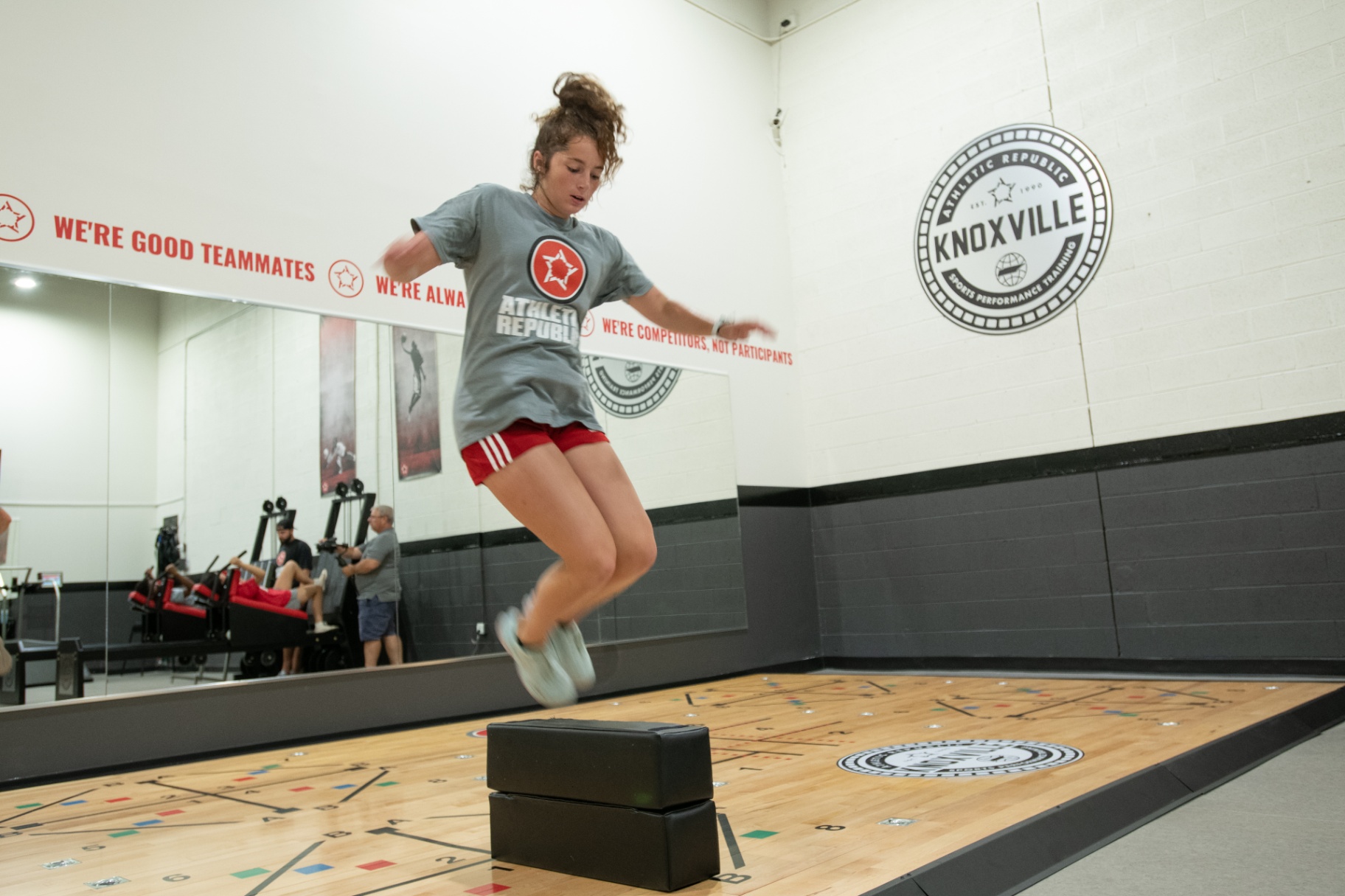
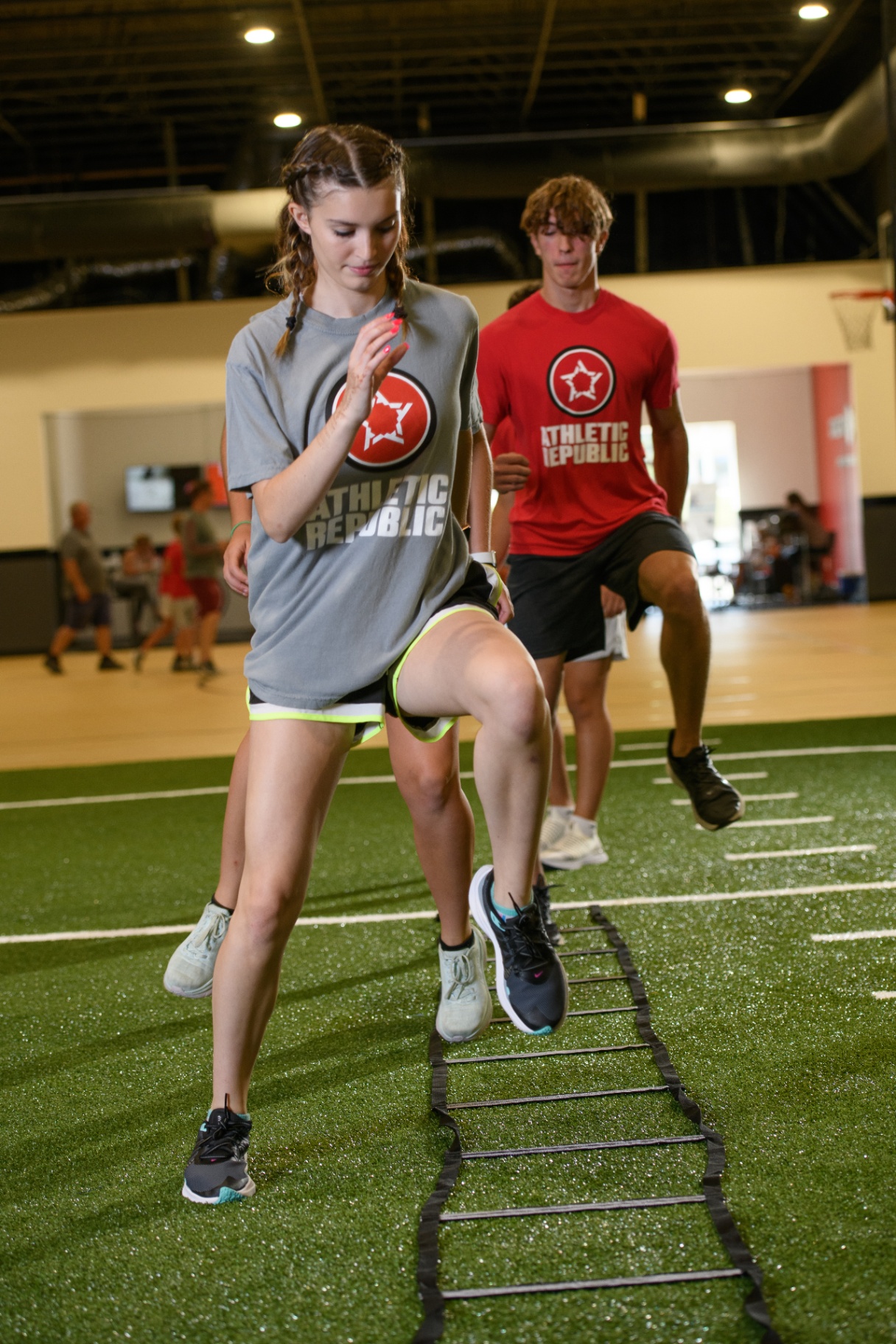
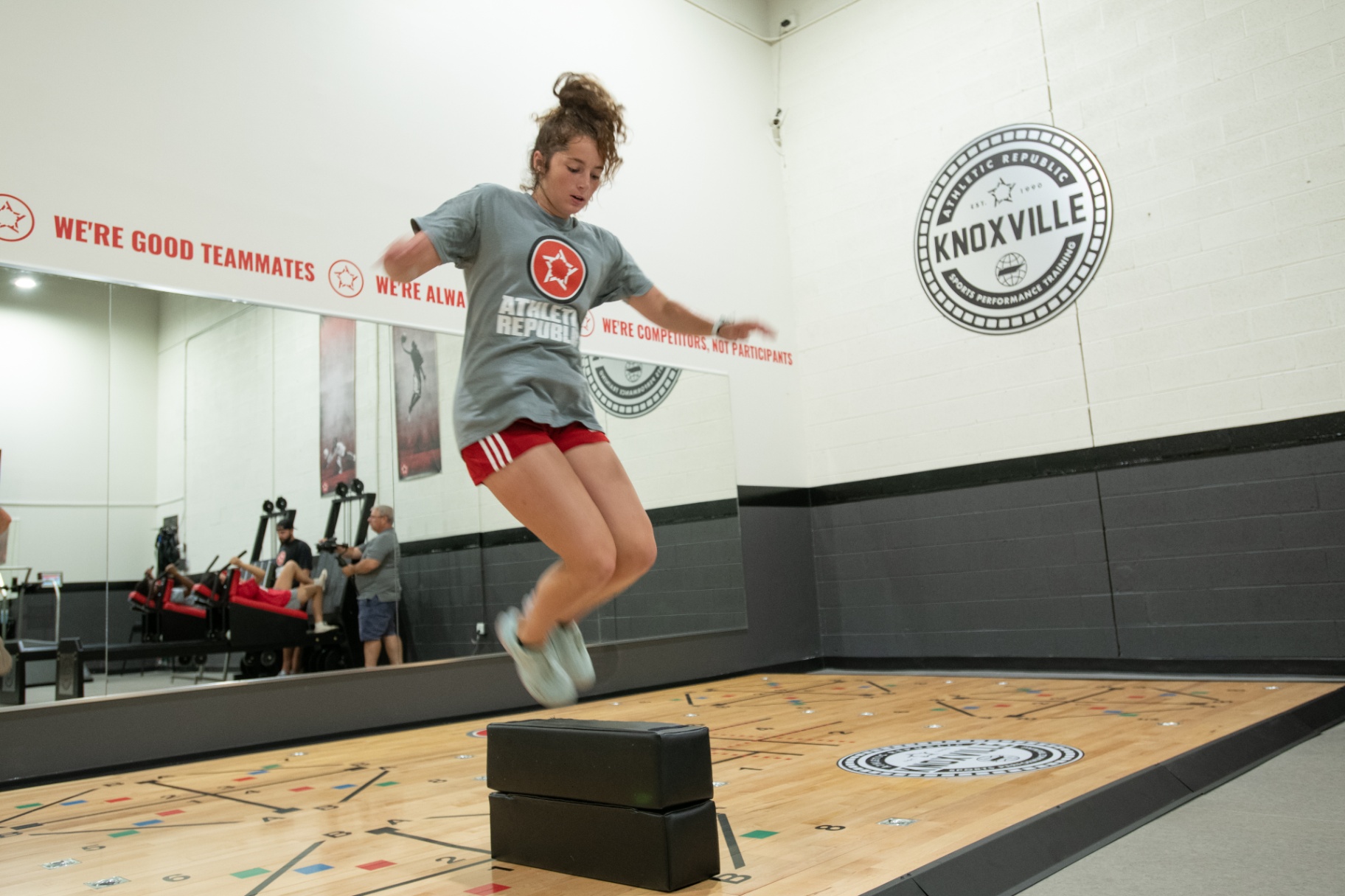
As the new season approaches, training transitions toward sport-specific power and conditioning. Research shows that integrating high-intensity interval training (HIIT) twice a week and plyometric jump training at least once a week preserves and enhances explosive athletic qualities.
3. Unlocking True Speed and Acceleration
Speed is the ultimate equalizer in sports. Whether you play soccer, football, basketball, or lacrosse, the athlete who can accelerate faster over the first ten yards almost always wins the race to the ball, creates separation from a defender, or closes down an opponent.

True speed is not just about "trying harder": it is a skill rooted in biomechanics and neuromuscular efficiency. It requires optimal force production, stride mechanics, and ground reaction forces.
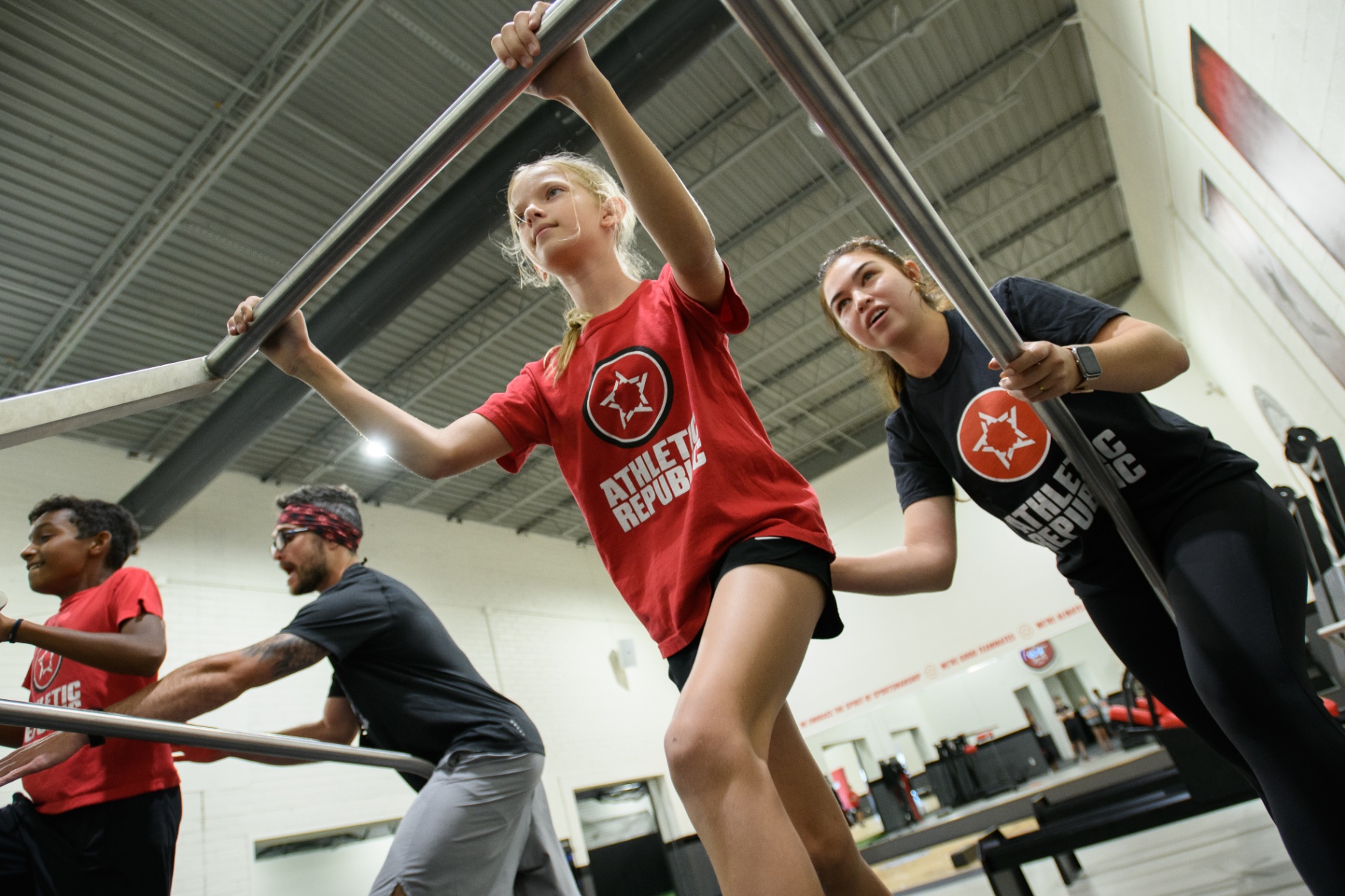
This is why generalized running around a track or playing casual pickup games isn't enough to dramatically change your speed profile. Developing game-breaking speed requires precision training, state-of-the-art equipment, and individualized feedback. Through specialized programs like our renowned Acceleration training, athletes at Athletic Republic Knoxville utilize patented equipment and science-backed protocols designed to train the nervous system to fire muscle fibers faster and more powerfully.
4. Periodization: Structuring Your Path to Tryouts
Random workouts produce random results. To earn your starting spot, your off-season must be periodized: meaning it is broken down into deliberate phases with distinct goals:
- The Transition Phase: Rest, recovery, and low-intensity cross-training.
- The General Preparation Phase: Rebuilding strength, correcting movement asymmetries, and establishing an aerobic foundation.
- The Pre-Season Transition Phase: Ramping up explosive plyometrics, high-speed acceleration work, and sport-specific conditioning so that your peak coincides exactly with the start of team practices.
When you follow a structured roadmap rather than guessing what to do in the gym, confidence naturally follows. When you step onto the field knowing you are stronger, faster, and better conditioned than you were last year, hesitation disappears. You play free, aggressive, and decisive soccer, football, or basketball.
Your Starting Spot is Waiting
Earning a starting jersey doesn't happen by accident. It is the direct result of what you do when nobody is watching: during the cold winter months, the scorching summer break, and the weeks when your competitors are resting on their laurels.
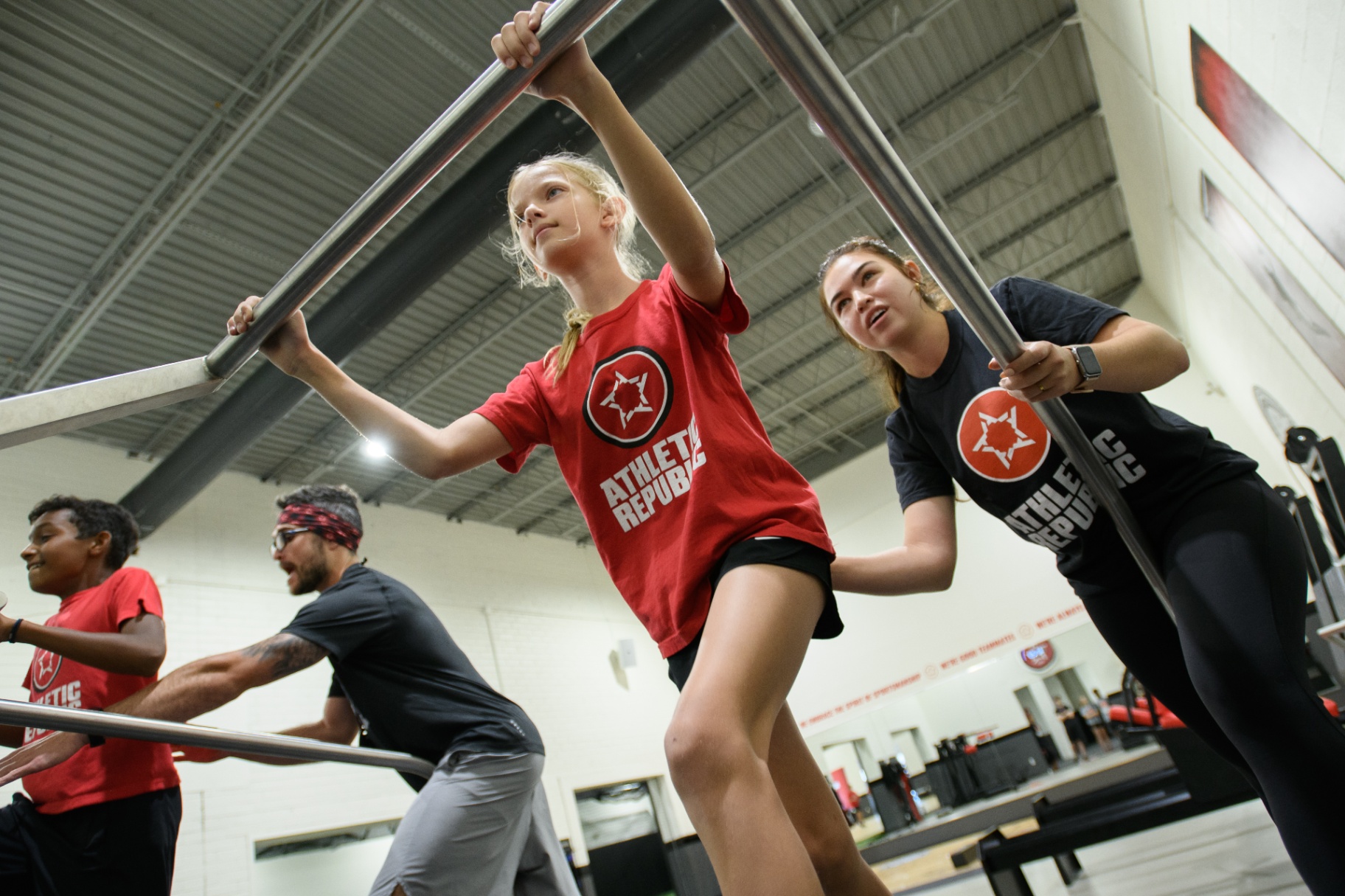
If you are a youth athlete, a high school competitor, or an adult looking to elevate your athletic performance in the Knoxville area, you don't have to navigate the off-season alone. At Athletic Republic Knoxville, our certified coaches combine cutting-edge sports science with a supportive, highly personalized community to help you unlock your full potential.
Visit our Knoxville facility page to explore our programs, or check out our specialized offerings including youth training and adult fitness. Let’s get to work( your starting spot is waiting!)