If you’re spending game day on special teams, or waiting for your name to be called from the bench, it can feel like you’re stuck in one role. But special teams can also be a place to show coaches you’re dependable, competitive, and ready for more.
Athleticism can help you make that case. Faster acceleration, better body control, and sharper changes of direction can help you close space, get to the ball, and move with confidence. Those qualities matter on special teams, and they can carry over to other positions. They don’t guarantee a starting spot, of course: your football skills, assignments, and consistency matter, too. But targeted training can help you make the most of every opportunity.
At Athletic Republic Knoxville, the Acceleration program develops speed, power, agility, and coordination through science-based training protocols, coaching, and performance feedback. Here’s how that work can support an athlete’s path from special teams toward a bigger role.
Special teams can be a proving ground
Kickoff, punt, coverage, and return units ask athletes to move quickly and decisively. You may need to accelerate from a still or staggered start, react to what’s unfolding, change direction, pursue an angle, or create space. And you have to carry out your assignment while the play is moving at full speed.
That gives athletes a chance to demonstrate qualities coaches value: effort, reliability, awareness, and the ability to make a play in a short window. It can also reveal physical skills that translate to other roles. A defensive back who closes space quickly, for example, may be able to apply that first-step quickness in coverage. A receiver or running back may use acceleration and body control to separate, evade, or turn a small opening into a bigger gain.
Research on football movement demands shows that the work varies by position, so no single speed test tells the whole story. Training can build useful movement qualities, but athletes still need position-specific practice and must show coaches they can execute their responsibilities. A review of movement demands in NFL games offers useful context for why football roles call for different physical capacities.
More than “just get faster”
Speed isn’t one thing. A player might need a more powerful first step, better sprint mechanics, stronger top-end speed, or the ability to slow down and change direction under control. Agility adds another layer: reacting to a cue or opponent rather than simply following a route you already know.
For a special-teams athlete, those skills could show up as a quicker get-off, more efficient pursuit, a sharper cut, or a better ability to regain balance after contact or a sudden change in direction. The goal isn’t to train for a stopwatch alone. It’s to develop qualities the athlete can use in football, then connect that work to position-specific drills and the team’s expectations.
How the Acceleration program builds athletic qualities
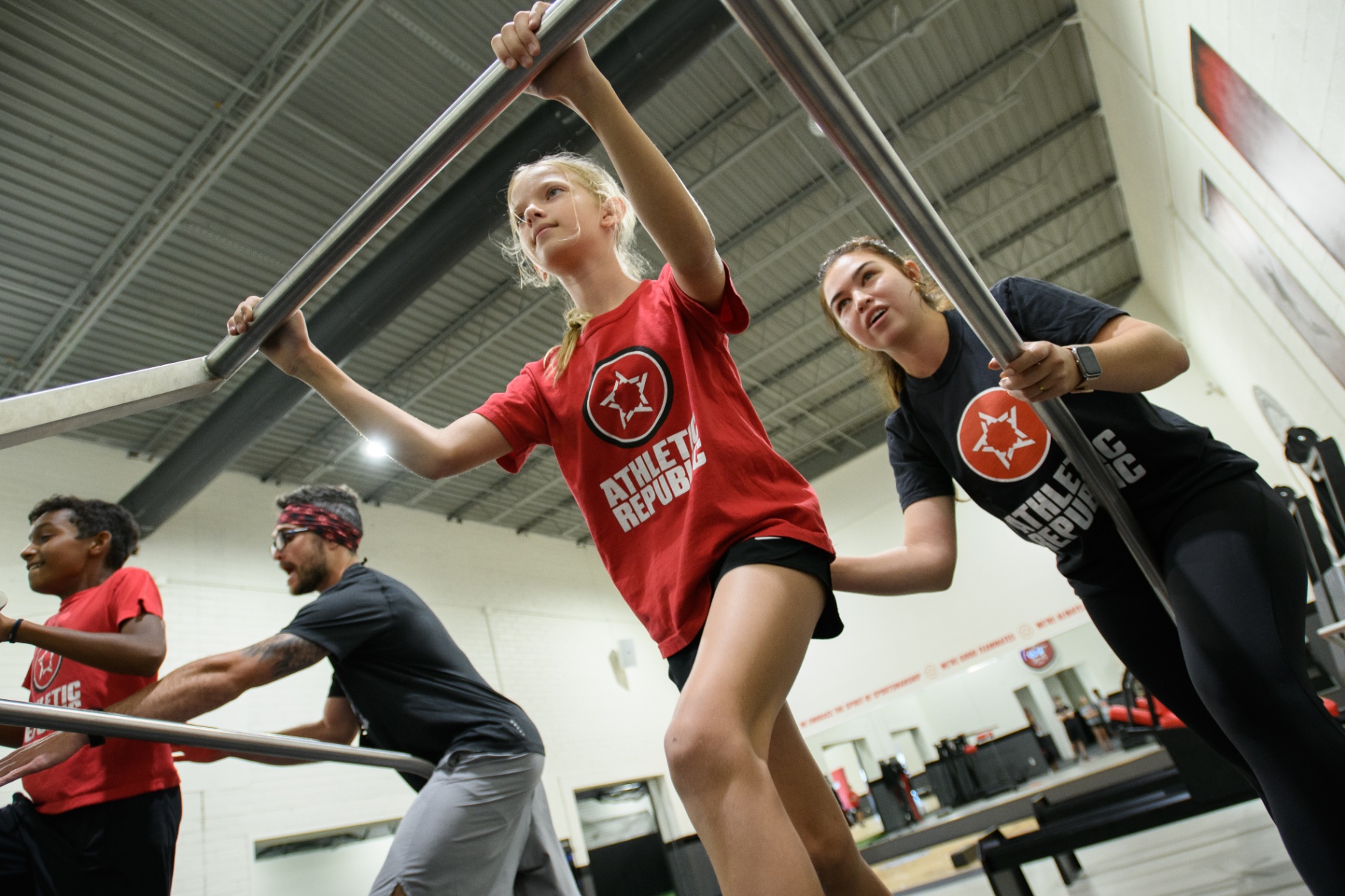
Athletic Republic Knoxville’s student-athlete program uses a small-group, trainer-led format to develop speed, power, agility, and stamina. Athletes are tested at the beginning and end of a program to assess areas for improvement and measure progress. Training may include specialized treadmill work, plyometrics, strength exercises, and sport-specific movement skills, depending on the athlete and program.
That structure matters. Instead of treating every athlete as if they have the same needs, coaches can use assessment and observation to guide training. One athlete may benefit from improving sprint mechanics; another might need more strength and power; a third may need to work on balance, deceleration, or change of direction.
The student-athlete training program is built around those fundamentals. Its evidence-based approach connects training choices to movement quality and the demands of sport, not just to a hard workout for its own sake.
First-step quickness starts with movement mechanics
Many football plays are decided over a short distance. The first few steps can help an athlete close a gap, beat an opponent to a spot, or create room to make a play. Getting more from those steps involves coordination and sound mechanics, not simply trying harder.
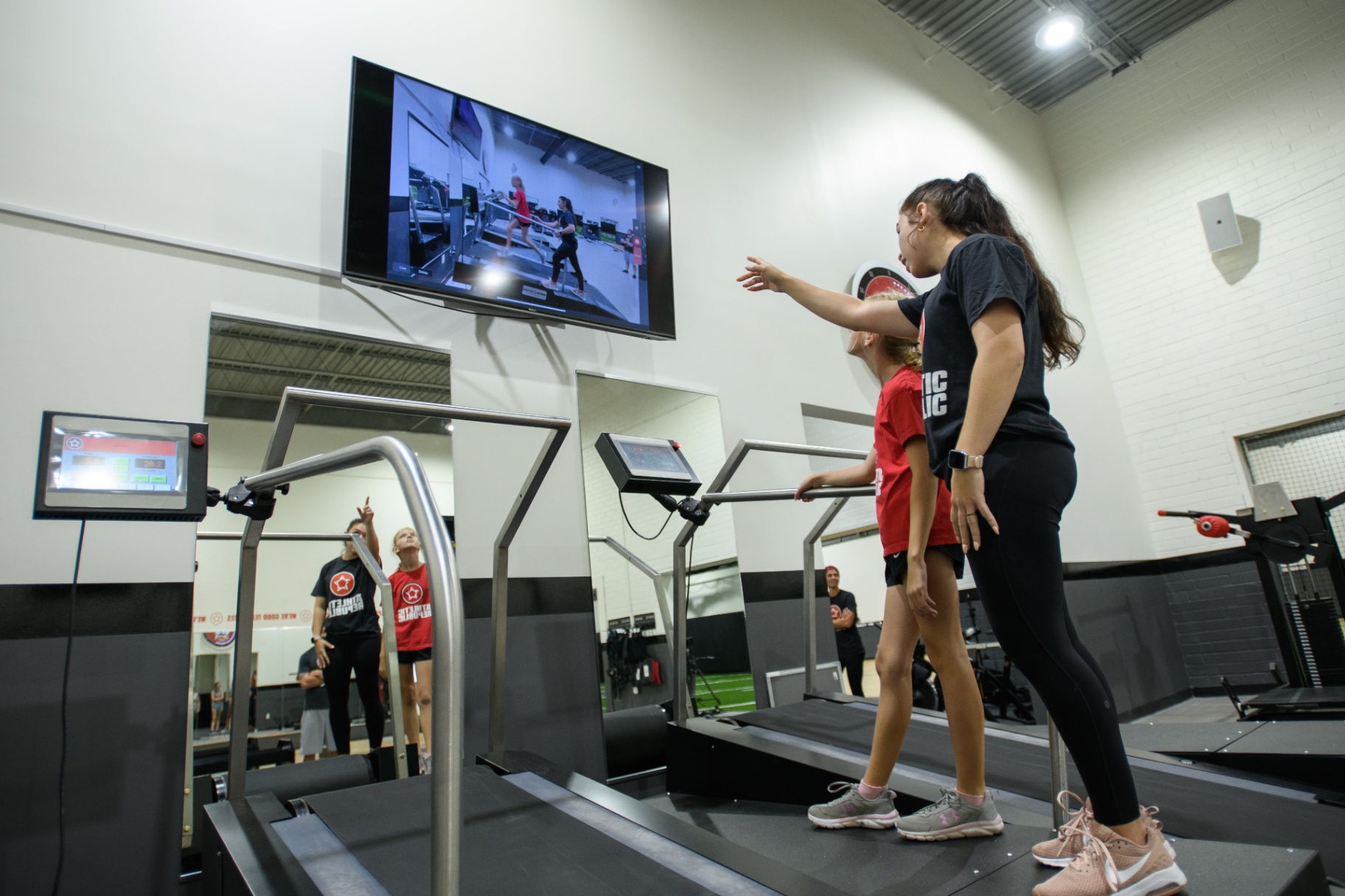
At Athletic Republic Knoxville, coaches provide instruction and use video feedback to help athletes see how they move. A coach might help an athlete notice posture, arm action, stride, or where the foot lands during a sprint. Seeing the movement can make a correction easier to understand and practice.
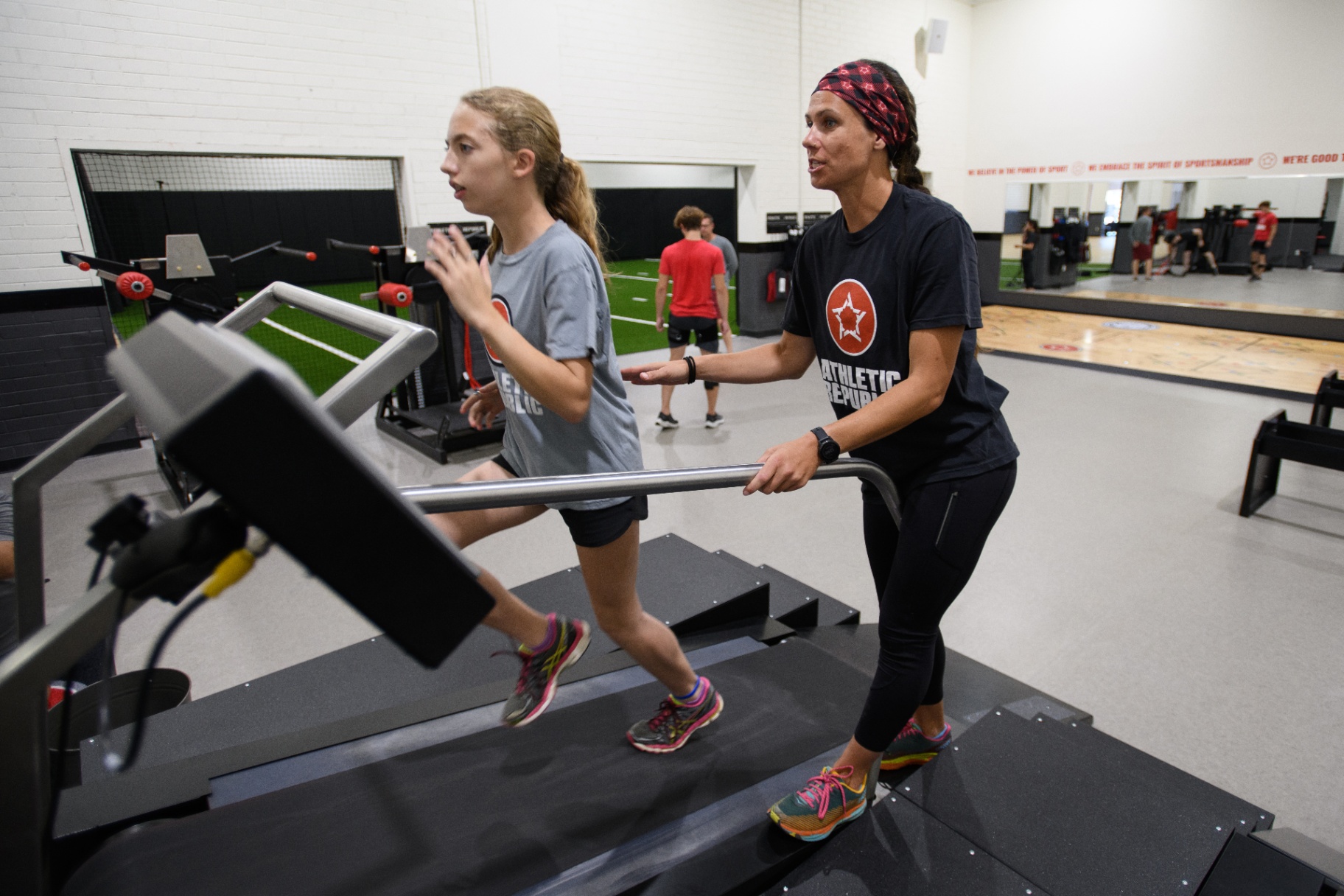
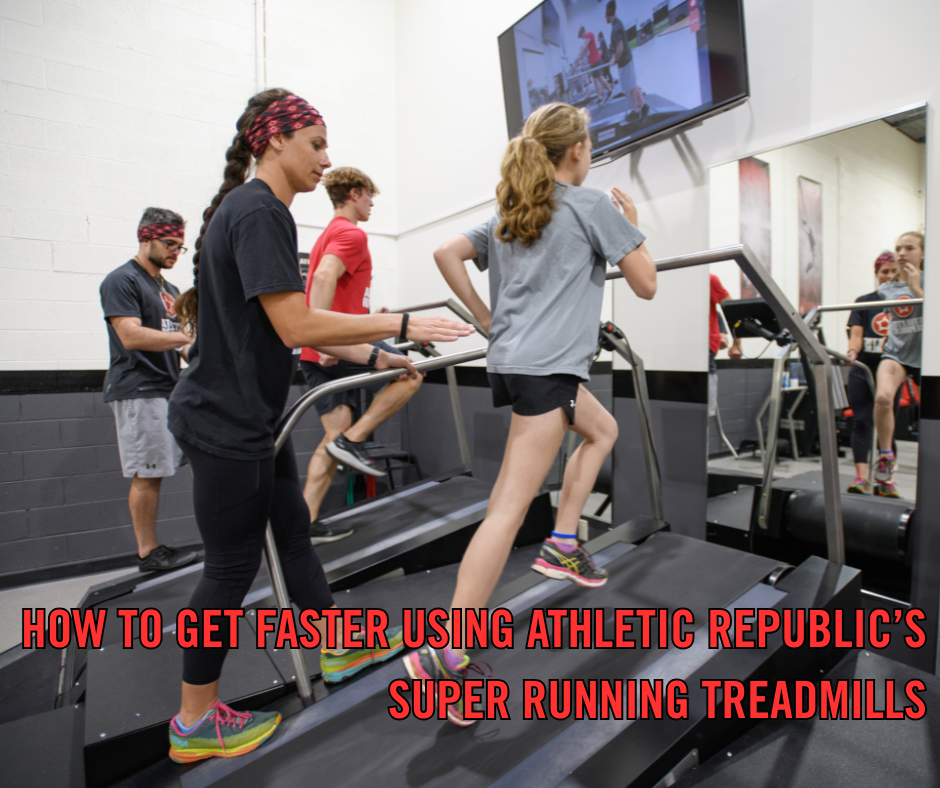
High-speed treadmill work is one tool in the program, alongside other training methods. It gives athletes a structured setting to practice running mechanics and build speed with coaching nearby. The aim is to improve how an athlete moves while keeping the work appropriate to their experience, development, and goals.
Agility means controlling the stop as well as the start
A returner might need to redirect around a defender. A coverage player may need to adjust a pursuit angle. A player moving to a new position could benefit from better control when braking and accelerating again. In each case, changing direction is more than planting a foot and hoping for the best.
Athletes need to manage their body position, absorb force, and push into the next movement. Strength work and plyometrics can contribute to power and coordination; planned and reactive drills can help athletes practice changing direction. The right progression depends on the athlete, and coaches should take their training experience and current workload into account.
Studies also suggest that agility and straight-line speed are related but distinct qualities. One football agility study explored training that included cognitive and reactive demands. It’s a reminder that athletes need opportunities to respond to what they see, not only complete a memorized drill.
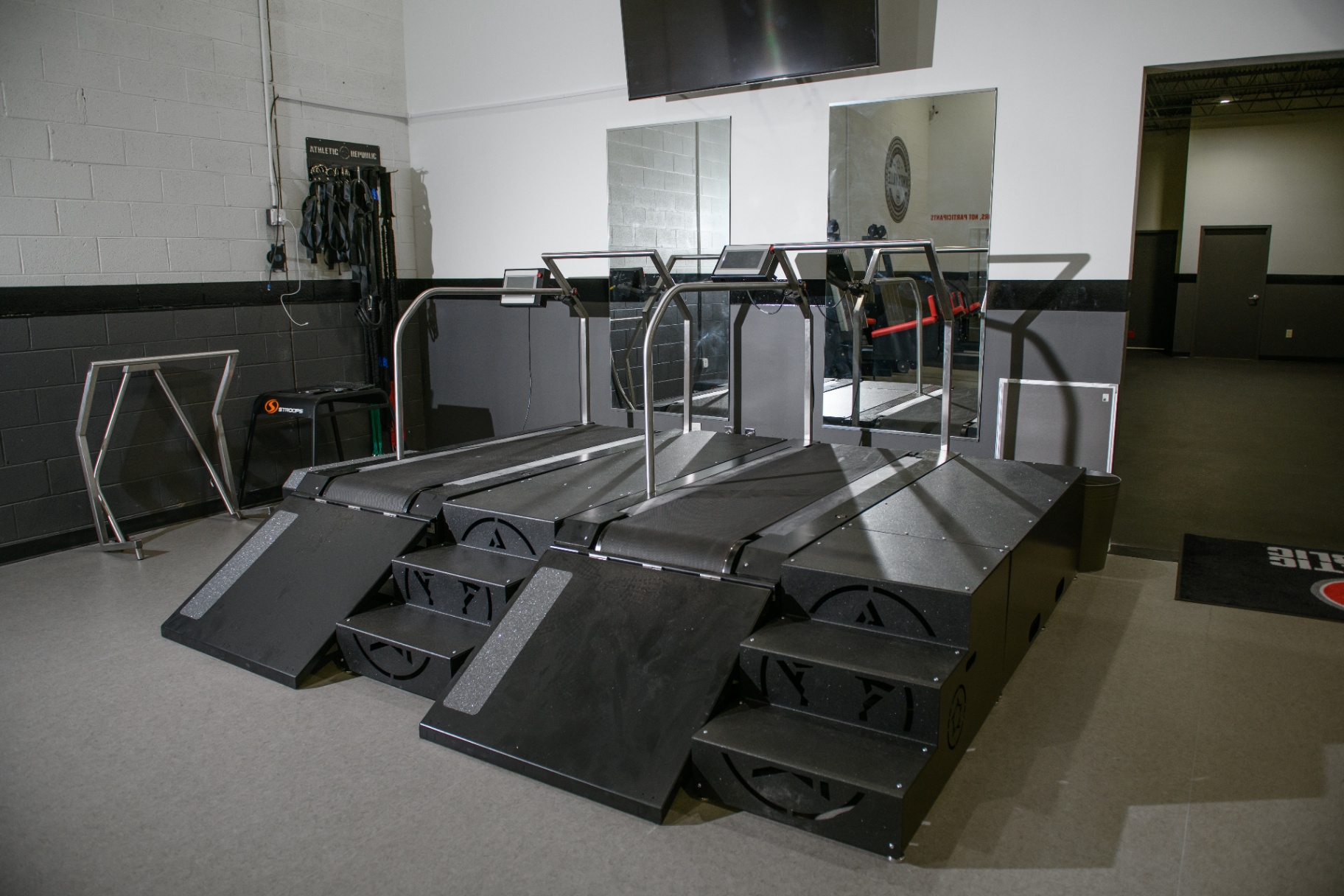
The 18,000-square-foot training environment
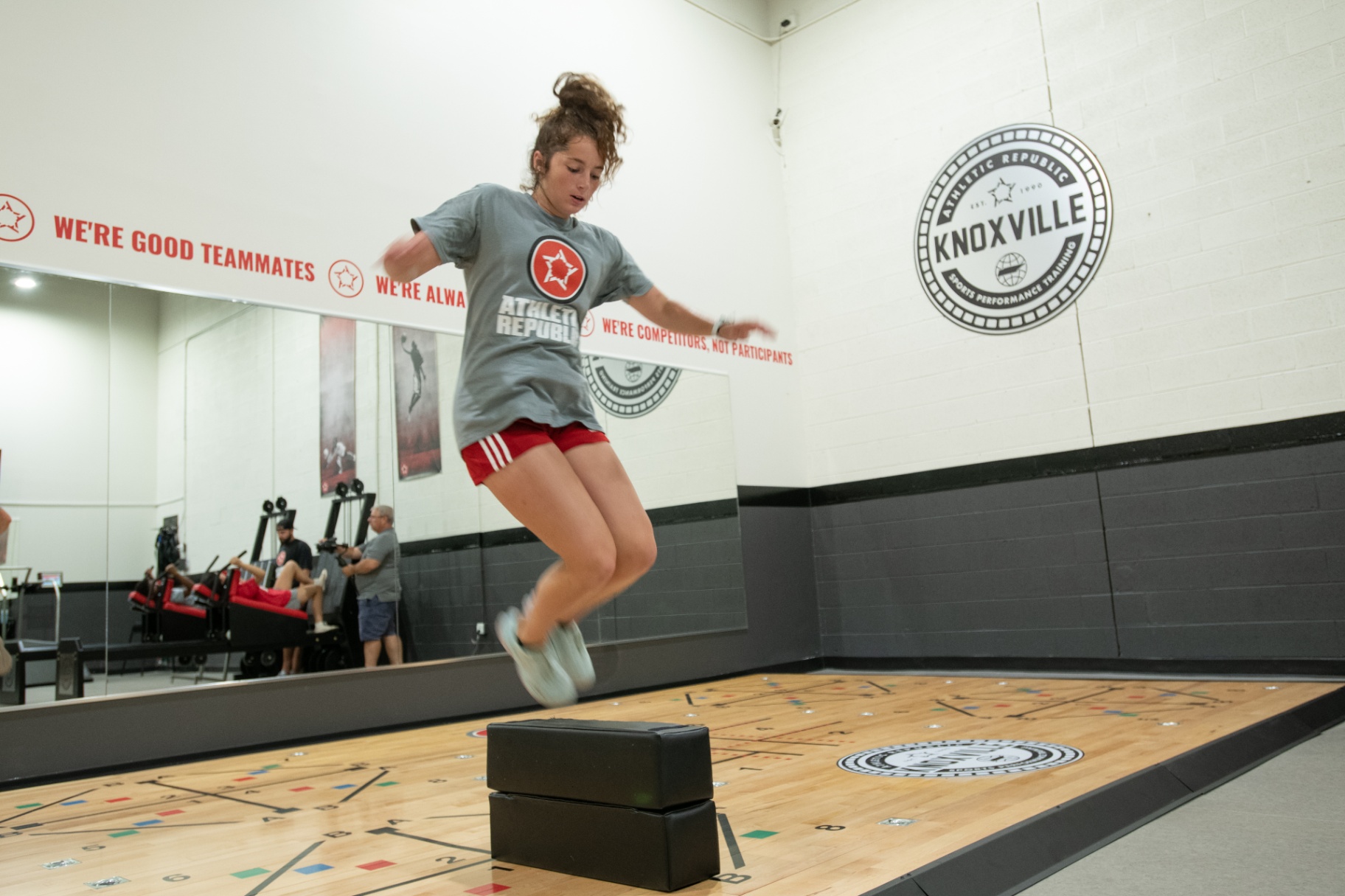
Athletic Republic Knoxville’s 18,000-square-foot facility gives athletes room to work on different parts of performance training. Specialized equipment, open training space, and coach-led sessions support a more focused approach than trying to squeeze individual development into a crowded team practice.
That isn’t a replacement for practice, film study, or conversations with a football coach. It’s a place to work on athletic foundations that can complement them. Athletes should keep their team’s practice schedule and recovery needs in mind, especially during the season. More training is not automatically better; the goal is consistent, purposeful work.
What athletes and parents can do alongside training
Improving athleticism is one part of earning more playing time. Athletes can make their progress count by pairing training with consistent habits:
- Know your assignment. Coaches need to trust that you understand your role on each unit.
- Ask for clear feedback. Find out what you should improve physically and technically for the position you want.
- Practice the details. Technique, decision-making, ball security, and finishing plays still matter.
- Track progress over time. A single test or practice doesn’t define your potential. Look for improvements in movement and consistency.
- Make recovery part of the plan. Sleep, nutrition, and appropriate rest help support training and football performance.
For parents, encouragement can help without adding pressure. Ask what the athlete is working on, celebrate dependable effort as well as big plays, and keep the focus on skills they can control.
The goal: make your next opportunity count
Special teams can be a valuable place to earn trust and show what you bring to a team. It may be the first step toward more playing time, but there’s no guaranteed shortcut from one role to another. A starting opportunity comes from putting together athletic ability, football skill, preparation, and reliability.
The Acceleration program at Athletic Republic Knoxville can help athletes build a stronger foundation in speed, power, agility, and coordination, with assessment and coaching along the way. To learn more or schedule a free class, connect with Athletic Republic Knoxville. Start with a clear goal, keep showing up, and be ready when the next opportunity comes.