Waiting for a chance to play can test an athlete’s patience as much as their skills. You may feel disappointed, frustrated, or unsure what the coach wants. Those feelings are normal. The challenge is finding a way to stay involved without letting frustration take over.
Being locked in doesn’t mean pretending you’re happy about every decision. It means staying curious about the game, keeping your attention on what you can influence, and giving yourself a fair chance to respond when you get an opportunity.
That mindset won’t guarantee a starting spot. Neither can any training program. But it can help you make better use of the minutes you do get, and keep building while you wait.
Make the bench a place to learn
Watching from the sideline can feel passive. It doesn’t have to be. Instead of following the ball only, look for useful details: What space is opening up? What is the opponent doing before a particular play? What does your team need when the pace changes? What cues does your coach repeat?
The goal isn’t to overthink every possession. Pick one or two things to notice, then bring your attention back to the game when it wanders. A simple cue (“scan,” “space,” or “next play”) can help you refocus without getting caught in a loop about when you’ll go in.
This is a skill athletes can practice. A randomized study by Kittler, Arnold, and Jekauc found that a sport-specific mindfulness program improved sustained and selective attention in young top-level athletes (The Sport Psychologist, 2022). That is encouraging evidence for attention, not proof that mindfulness automatically improves game performance or earns anyone more playing time. A broader review of mindfulness and acceptance research in sport also noted that study quality was limited, so results should be interpreted with care.
For an athlete, the practical takeaway is modest but useful: notice when your mind drifts toward frustration, and gently bring it back to one relevant detail in the game.
Build a private scoreboard that belongs to you
It’s easy to measure the day only by minutes played, a coach’s decision, or what another athlete is doing. Those things matter, but they aren’t fully under your control. A more useful private scoreboard tracks how you choose to show up.
After a game or practice, ask yourself:
- Did I stay connected to the game? Name one useful cue or pattern you noticed.
- Did I respond with purpose? Think about how you handled a mistake, a coaching note, or a change in role.
- Did I reset? Notice whether you could return your attention to the next moment instead of carrying frustration forward.
This isn’t a way to tell yourself that sitting is fine or that you shouldn’t want more playing time. You can want a bigger role and still take pride in how you handle the role you have today. The scoreboard is private because it’s about your choices, not a comparison with a teammate or a verdict on your value.
For parents, a supportive question can help an athlete reflect without turning the conversation into a lecture: “What did you notice from the sideline that you might use next time?”
Treat a rough first shift as information
If you get into the game and your first shift goes badly, it’s tempting to decide that you’ve blown your chance. One difficult moment is not a complete evaluation of your ability. It is a moment you can examine.
Try a short reset:
- Describe what happened without judging yourself. “I lost track of the runner,” is more useful than “I’m terrible.”
- Identify one detail you can learn from. Were you watching the wrong space? Did you react late to a cue?
- Choose a simple next-action reminder. For example: “Check my shoulder,” “find the open lane,” or “next play.”
- Let the next moment be new. The aim is not to erase the mistake; it is to avoid letting it decide what you do next.
This kind of self-talk is not a magic phrase. It’s a practical way to turn a broad, discouraging judgment into a specific action. Research on psychological skills in sport is promising, but findings vary by intervention and measurement. In a study of junior sub-elite athletes, Walter, Nikoleizig, and Alfermann found that self-talk training supported outcomes including confidence and reduced somatic anxiety (Sports, 2019). That does not establish that a particular cue will work for every athlete, or that it changes a coach’s selection decision.
Let training confidence come from real work
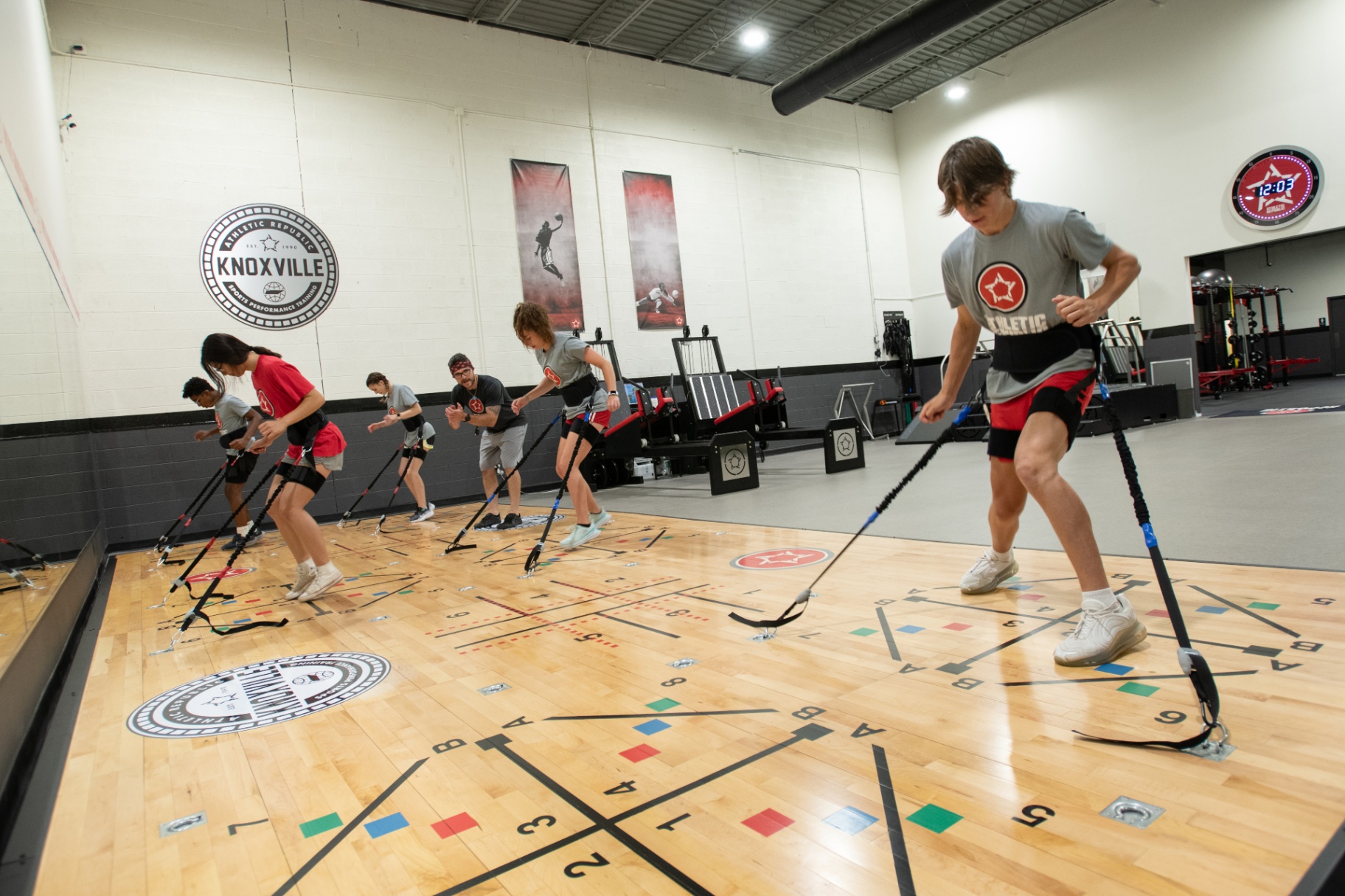
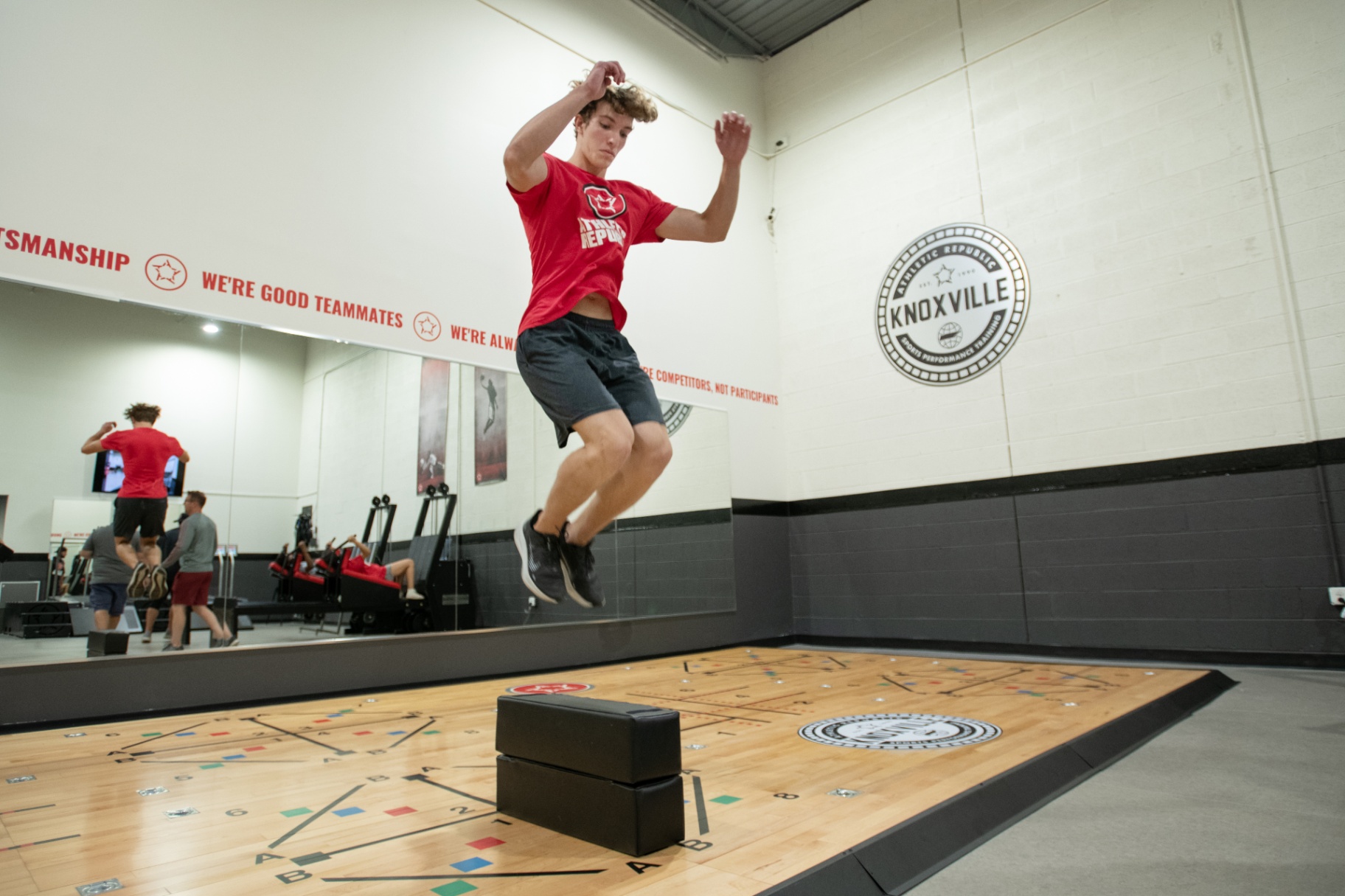
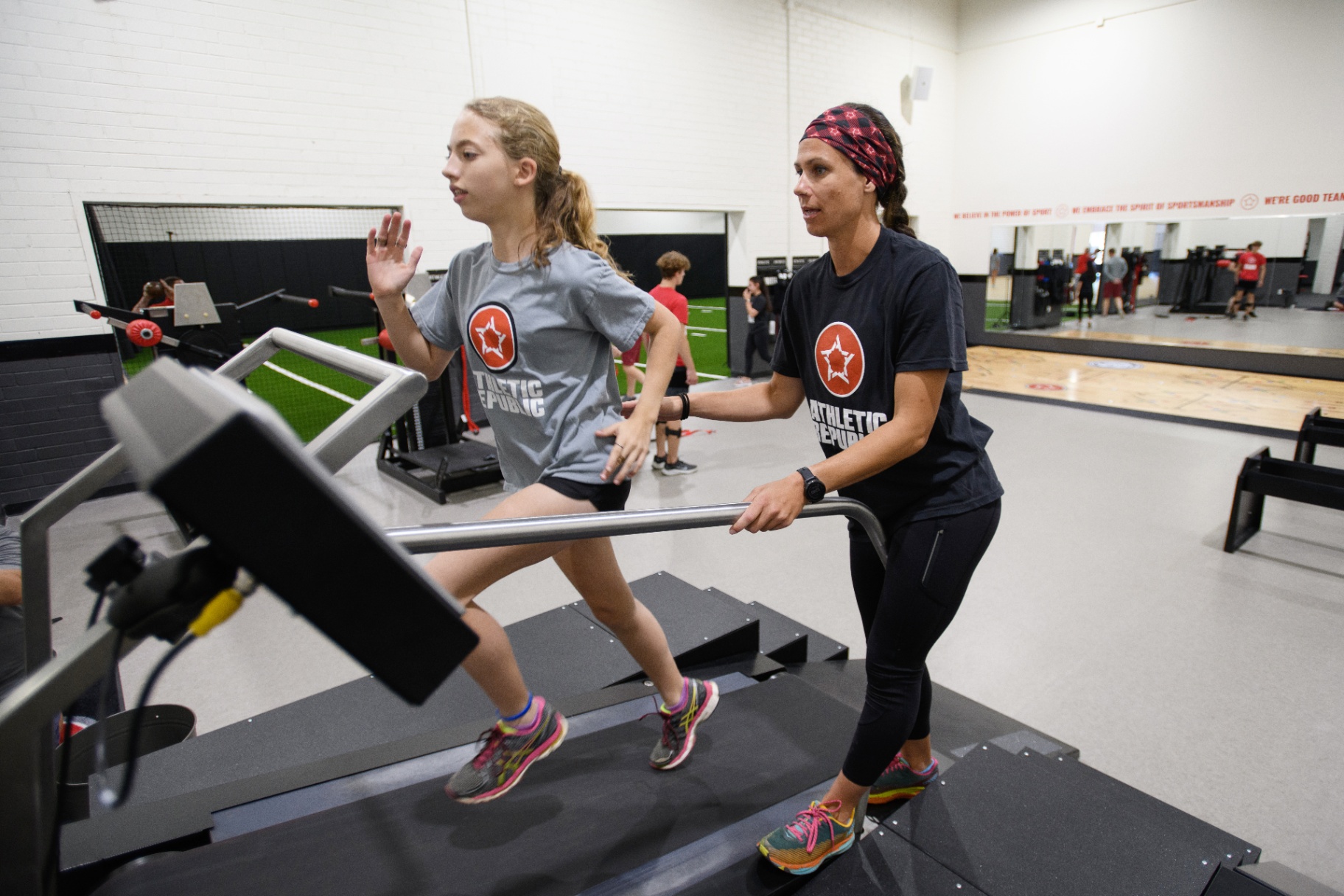
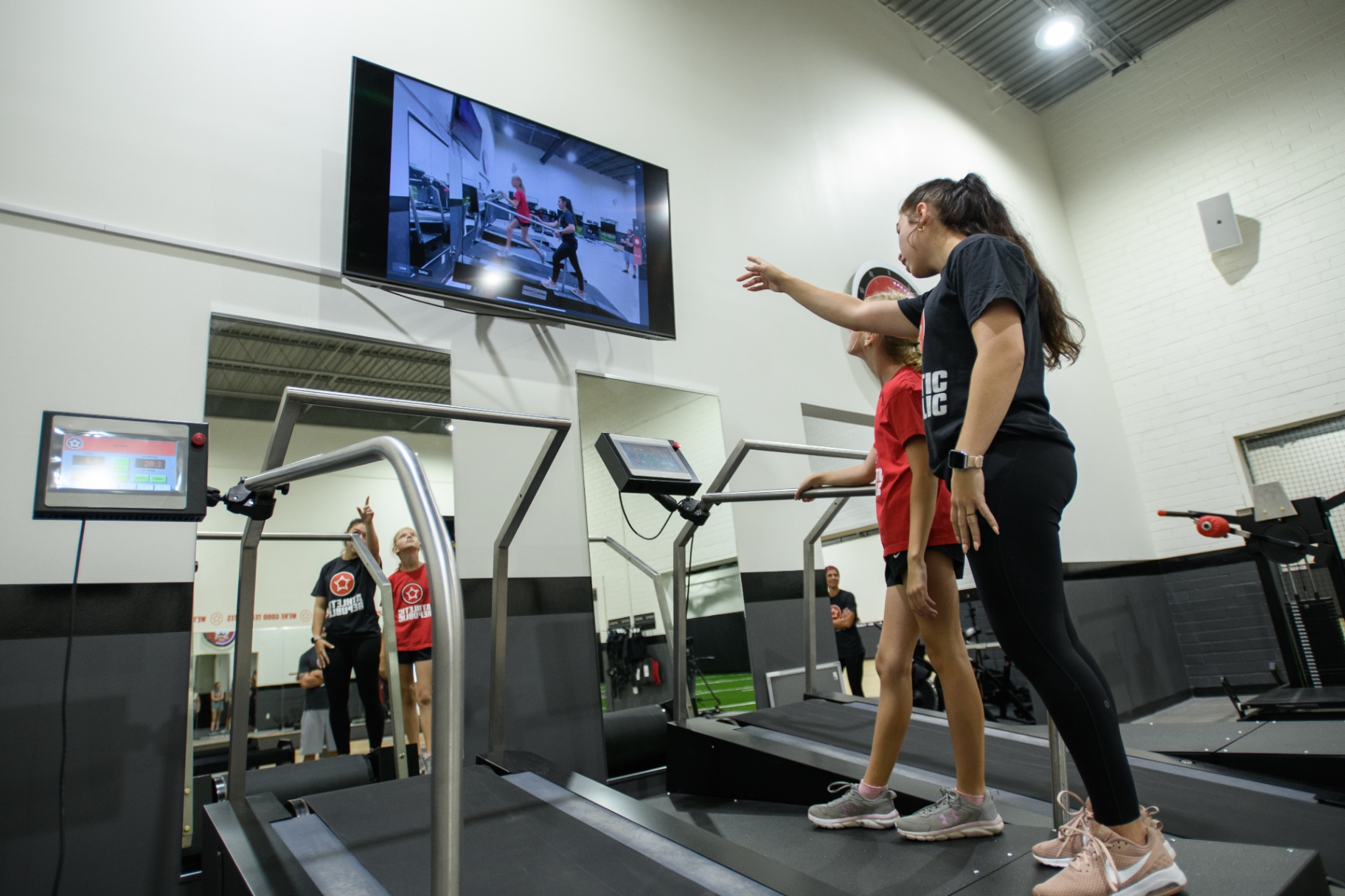
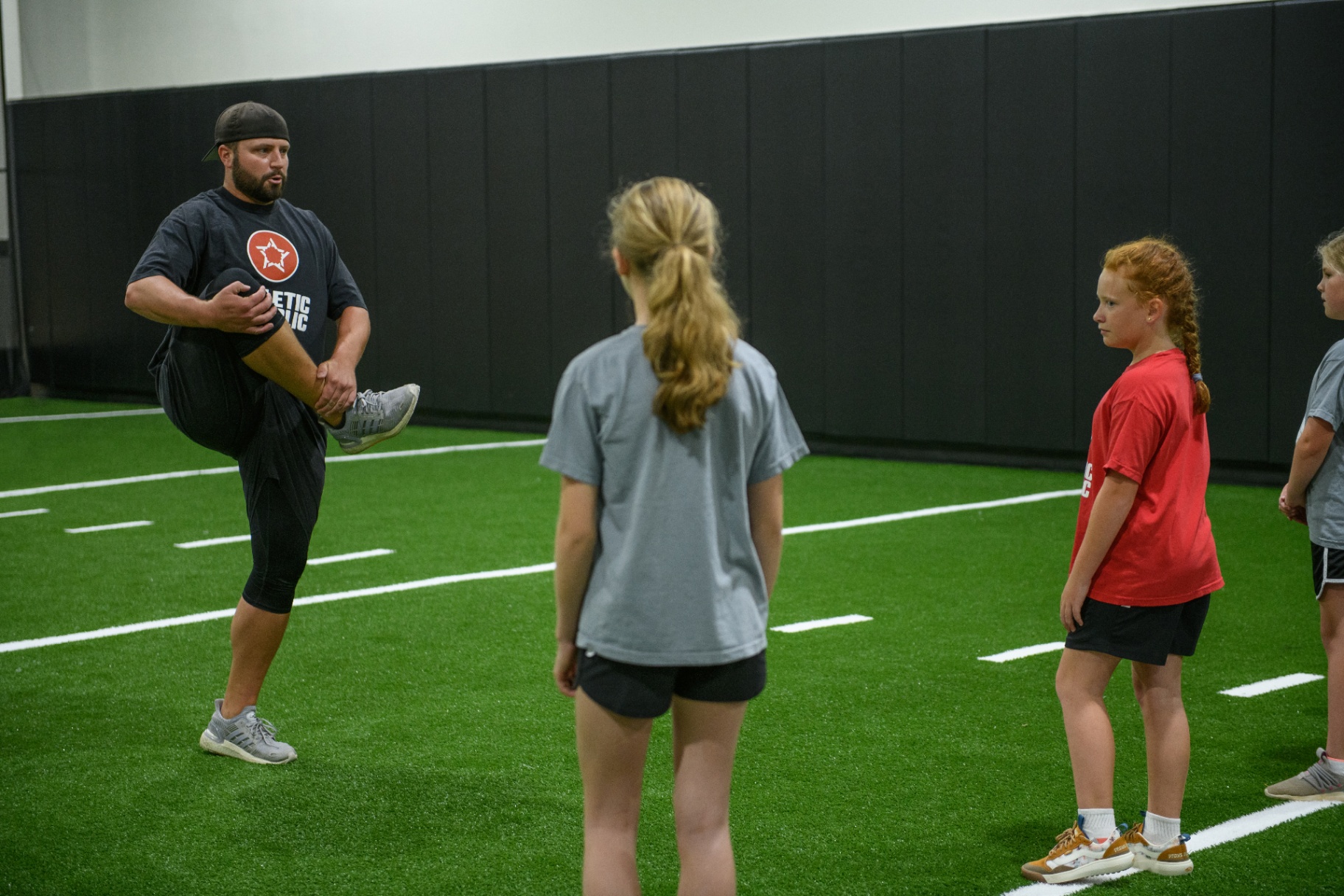
Confidence is more durable when it has something concrete behind it. In Athletic Republic Knoxville’s Acceleration Program, athletes work through science-based speed and agility protocols with certified trainers. Training can help athletes develop their movement skills and see how their performance changes over time. It cannot control a coach’s choices, playing time, or lineup.
When an athlete has practiced a skill, received coaching, and noticed progress in their movement, that experience can offer a useful reminder during a game: “I’ve worked on this. I can focus on the next action.” That’s different from assuming that training guarantees a result. It is confidence grounded in preparation, not a promise about selection.
Athletic Republic Knoxville’s 18,000-square-foot facility gives athletes room to train with specialized equipment and coaching support. The purpose is development, building athletic qualities that can complement the sport-specific work an athlete does with their team.
Stay engaged without pretending it doesn’t bother you
Being patient doesn’t mean being passive, and staying positive doesn’t mean hiding disappointment. An athlete can acknowledge, “I’m frustrated,” and still choose to watch for a tactical cue, listen for feedback, or support a teammate. The point is not to force a good mood. It’s to keep frustration from making every next decision for you.
Research on substitutes’ experiences in soccer has described challenges such as reduced motivation and a diminished sense of control. Because that work was qualitative, it helps explain what bench athletes may experience; it doesn’t prove that any one strategy will fix the problem. Still, it reinforces why clear communication, meaningful engagement, and a sense of agency can matter.
If an athlete feels confused about their role, it’s reasonable to ask the coach a respectful, specific question at an appropriate time: “What’s one thing I can focus on to be more helpful when I’m in?” That invites actionable feedback without demanding a promise about playing time.
The opportunity is not the only part of the game
A bench role can be frustrating. It can also be a chance to practice attention, composure, and learning. Skills that matter whether you’re in the starting lineup or waiting for your next shift. Notice the game. Keep your personal scoreboard focused on your choices. Use a rough moment as information, then return your attention to what comes next.
For athletes looking to develop speed and agility with a plan, learn more about student-athlete training at Athletic Republic Knoxville. To experience the facility and meet the coaching team, book a free trial class.
Training can support an athlete’s development. It cannot promise a starting spot. The work is still worthwhile: not because it guarantees a coach’s decision, but because it helps an athlete keep growing, on the field, on the bench, and in the moments between.