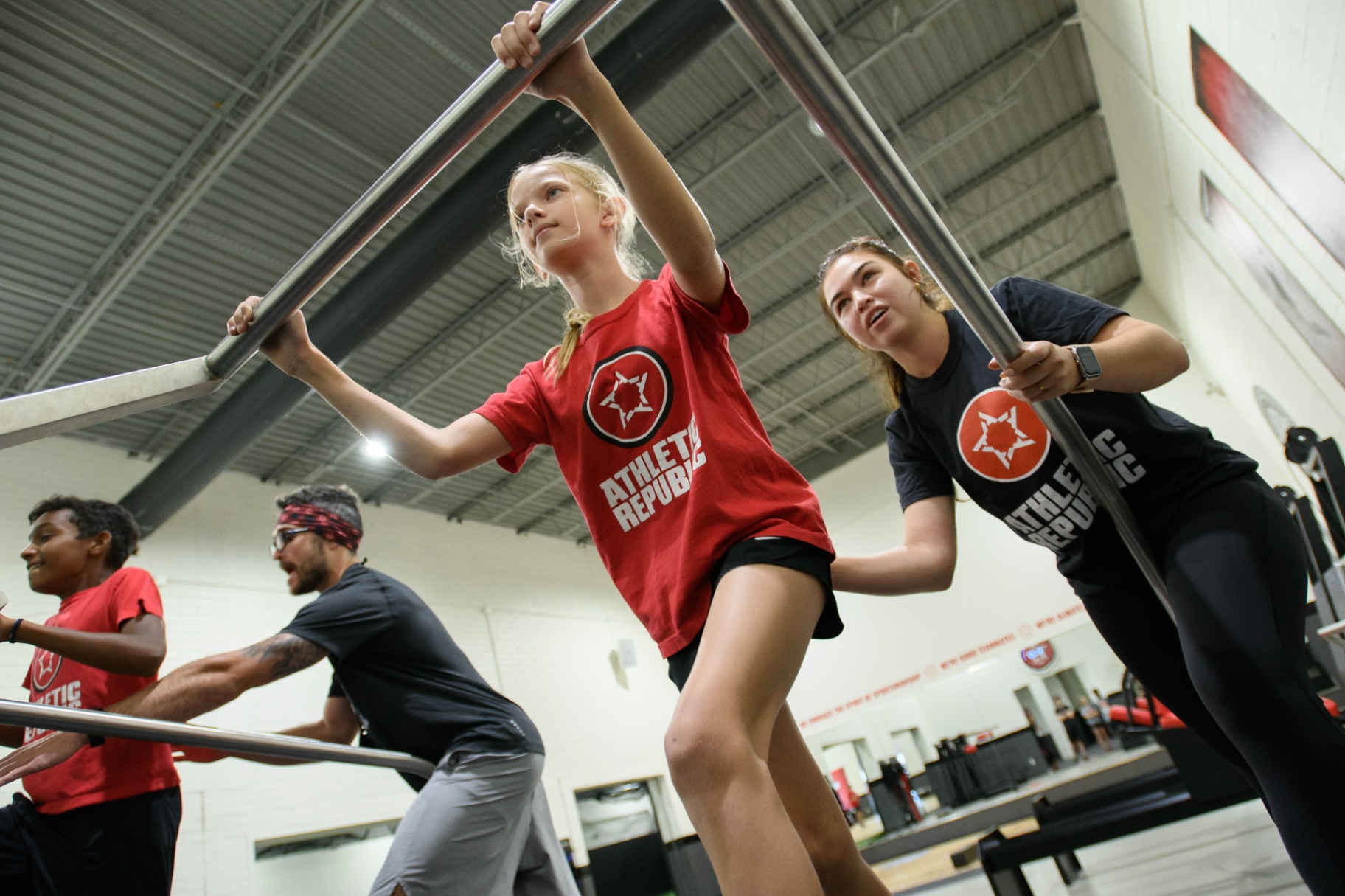
You've been putting in the work. Your young athlete shows up to practice, runs drills, and gives it their all. But somehow, the stopwatch tells a different story: times aren't improving, and that burst of speed you're hoping for just isn't showing up on the field or court.
Here's the thing: speed training is one of the most misunderstood aspects of athletic development. Many athletes (and even some coaches) unknowingly make mistakes that actually hold back progress. The good news? Once you identify what's going wrong, the fixes are often straightforward.
Let's break down the 10 most common reasons speed training falls flat: and exactly how to turn things around.
1. Confusing Speed Training with Conditioning
This is the number one mistake we see. Athletes run long sprints with barely any rest between reps, thinking they're getting faster. In reality, they're just getting tired.
Speed development is about training your nervous system to fire and contract muscles at maximum intensity. When you're fatigued, your body physically cannot move at the speeds required to make real gains. You end up training endurance, not speed.
How to fix it: Keep sprints short and explosive. Allow several minutes of rest between repetitions so your nervous system can fully recover and perform at peak intensity each time. Quality over quantity wins every time.
2. Training Speed After Lifting
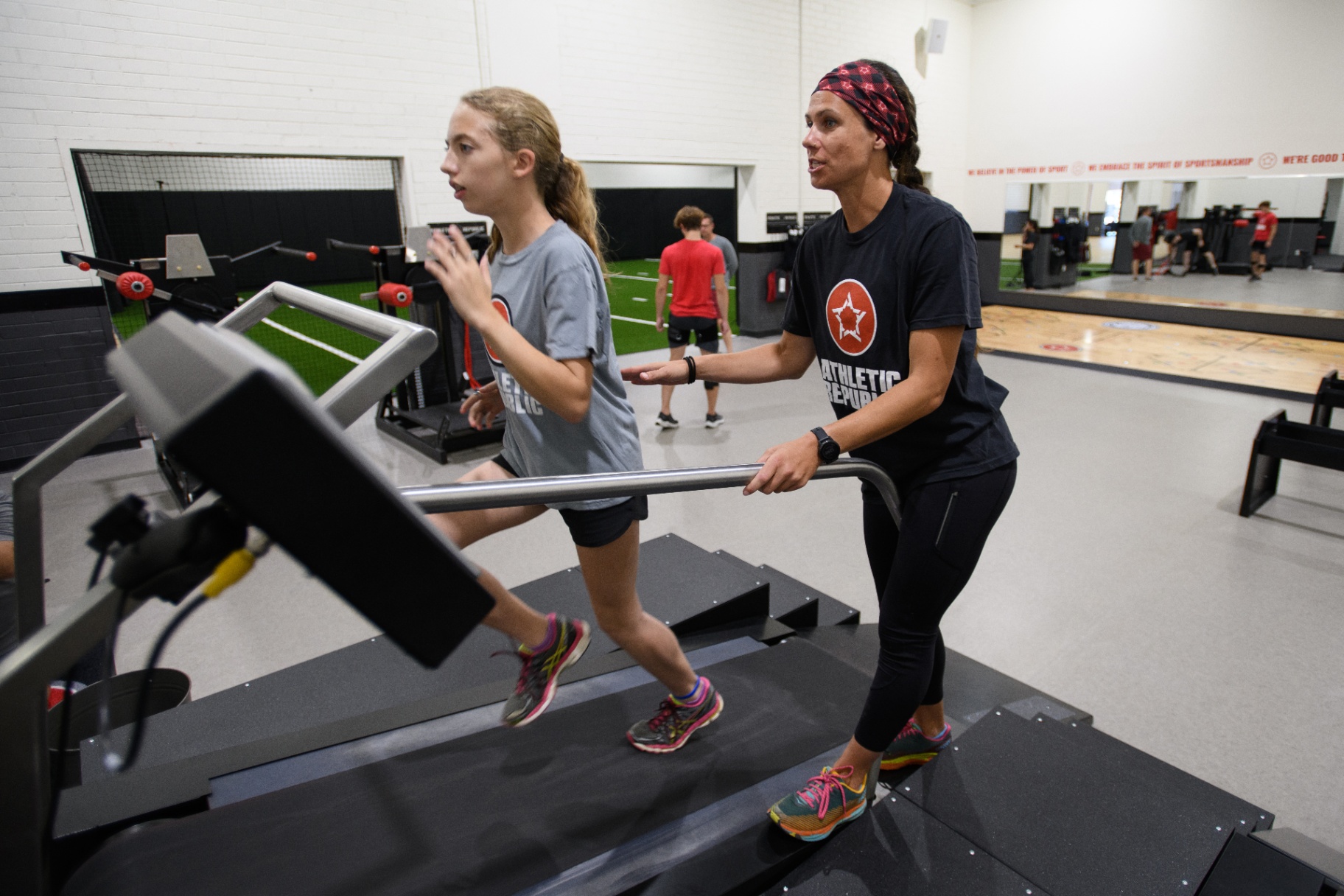
We get it: schedules are tight, and sometimes it feels efficient to knock out speed work right after a strength session. But here's the problem: lifting fatigues your central nervous system and causes micro-damage to muscle fibers. When your muscles are already taxed, they can't contract at the speeds needed for speed development.
How to fix it: Structure your training so speed work comes first, when your body is fresh. At Athletic Republic Knoxville, we design programming that prioritizes speed development at the right time in each session to maximize results.
3. Not Sprinting Fast Enough During Practice
This one might sound obvious, but it's surprisingly common. Athletes go through the motions: they jog through drills, run at 70% effort, and wonder why their top speed isn't improving.
Here's the truth: simply performing a sprint doesn't make you faster. Sprinting fast makes you faster. Your body adapts to the demands you place on it, so if you never push to maximum velocity, your nervous system never learns to operate at that level.
How to fix it: Treat speed sessions with the intensity they demand. Time your sprints and aim to beat your previous efforts. Every rep should have purpose and maximum effort behind it.
4. Poor Arm Mechanics and Body Positioning
Speed isn't just about leg strength: your entire body works together as a system. Common technical errors we see include:
- Not swinging arms back far enough
- Shoulders shrugged with tension in the upper back
- Knees crossing the body's midline instead of driving straight forward
- Inadequate knee drive during acceleration
- Over-striding (reaching too far with each step)
These mechanical breakdowns create energy leaks that slow you down, no matter how hard you're working.
How to fix it: Focus on arm swing mechanics: the faster your arms move backward, the faster your legs will pull forward. Practice proper knee drive with 70-80 degrees of hip flexion. Keep your stride compact to avoid over-striding. Video feedback can be incredibly helpful here to see what's actually happening versus what it feels like.

5. Insufficient Strength Development
Speed requires force production. Without adequate strength, your muscles simply can't generate the power needed to accelerate quickly or maintain top-end velocity. Young athletes especially benefit from building a foundation of functional strength.
That said, there's a balance. Spending all your time on heavy lifting without speed-specific work won't cut it either.
How to fix it: Include fundamental strength movements like squats, deadlifts, pushing, and pulling exercises. Tailor your strength work to your specific speed deficiency: for example, if acceleration is the issue, exercises that build explosive power from a standstill become the priority.
6. Not Enough Recovery Between Repetitions
This ties back to mistake number one, but it's worth emphasizing on its own. Many athletes (and parents watching from the sidelines) feel like longer rest periods mean the workout isn't "hard enough." But speed development is highly demanding on the nervous system, and fatigue accumulation destroys training quality.
How to fix it: Extend rest periods between sprints. This might feel counterintuitive, but the goal isn't to look exhausted: it's to perform each rep at maximum intensity. Trust the process.
7. Relying Exclusively on Drills Without Actual Sprinting
Ladder drills, cone work, and specialized equipment all have their place in athletic development. But here's a mistake we see often: athletes spend entire sessions on drills and never actually sprint at full speed.
Drills teach coordination and movement patterns, but they don't replace the neuromuscular demands of genuine, maximal-effort sprinting.
How to fix it: Balance drill work with actual competitive sprinting at high speeds. Use drills to refine technique, then apply those improvements in real sprints.
8. Poor Measurement and Testing Methods
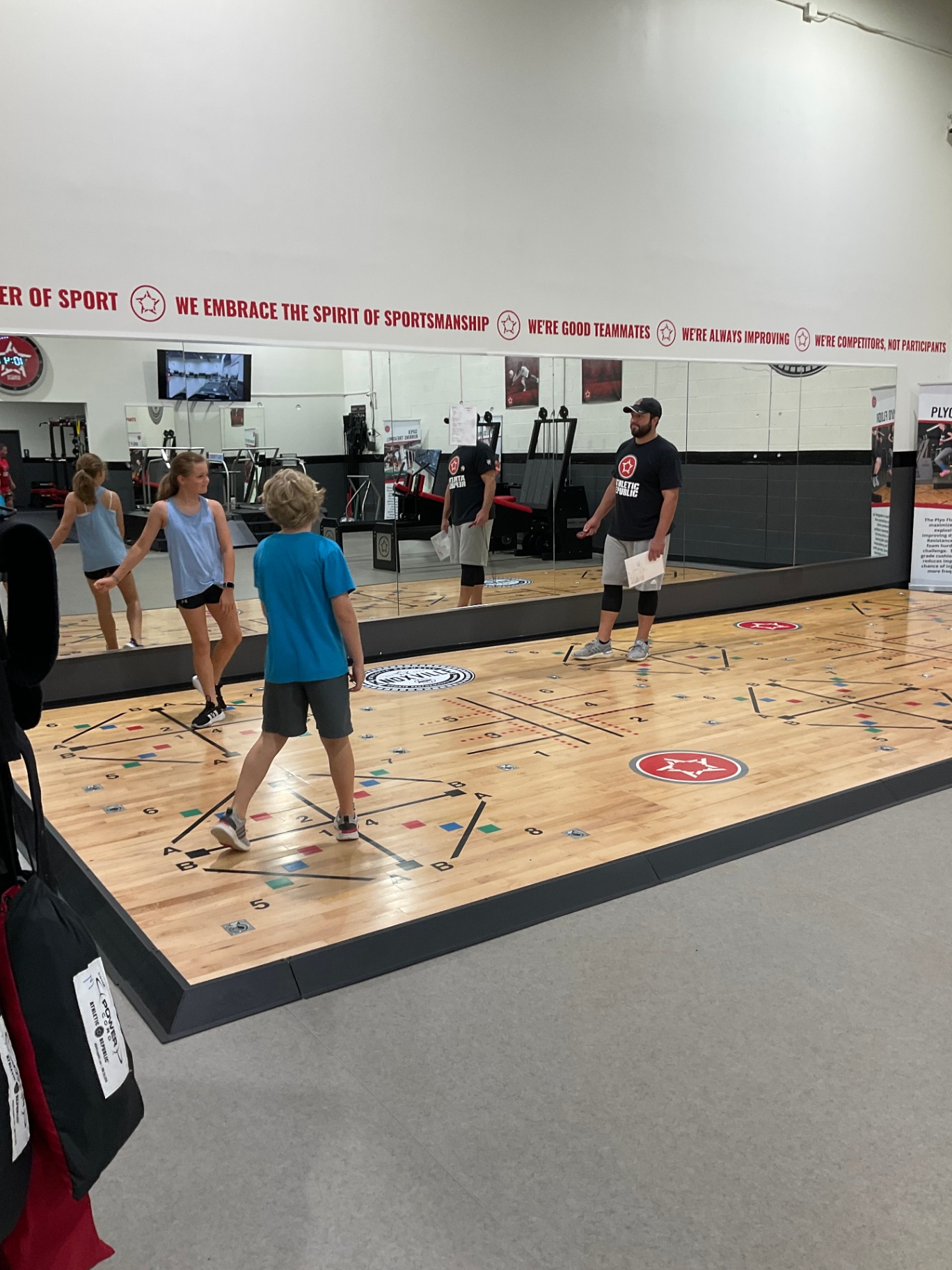
How do you know if your speed training is actually working? If you're relying on hand-timing with a stopwatch, you might be getting inaccurate data. Studies have shown that hand timing in 40-yard sprints can produce times approximately 0.25 seconds faster than electronic timing due to human error.
That margin of error makes it nearly impossible to track real progress or identify what's working.
How to fix it: Use electronic timing or consistent, objective measurement methods whenever possible. At Athletic Republic Knoxville, we use data-driven assessments to accurately track improvement and adjust training accordingly.
9. Neglecting Deceleration Mechanics
Speed development isn't just about going fast: it's also about controlling your body when you need to slow down, change direction, or stop. Athletes who can't decelerate efficiently waste energy, increase injury risk, and struggle with the stop-and-start demands of most sports.
How to fix it: Incorporate eccentric and braking exercises into your program. Learning to absorb force safely helps you maintain control at high speeds and translates directly to on-field performance.
10. Not Competing or Training at Maximal Intensity
Here's something that doesn't get talked about enough: the mental side of speed development. Athletes who avoid competition or hold back during training miss out on the adrenaline boost and psychological push that competition provides.
Fear of failure or looking slow can actually limit how fast your body allows itself to go.
How to fix it: Introduce competitive elements to speed sessions. Race a training partner. Chase a personal best. Create situations where your athlete has a reason to push beyond their comfort zone. That competitive edge builds mental toughness alongside physical speed.
The Bottom Line
Speed training works: when it's done right. The frustrating part is that small mistakes can completely stall progress, even when athletes are putting in serious effort. The fixes aren't complicated, but they do require intention and the right approach.
At Athletic Republic Knoxville, we specialize in evidence-based speed and agility training for young athletes. Our certified coaches use proven protocols, real-time video feedback, and objective performance data to help athletes break through plateaus and reach their potential.
If your young athlete has been working hard without seeing results, it might be time for a new approach. Learn more about our youth athlete training programs and see what's possible when speed training is done the right way.