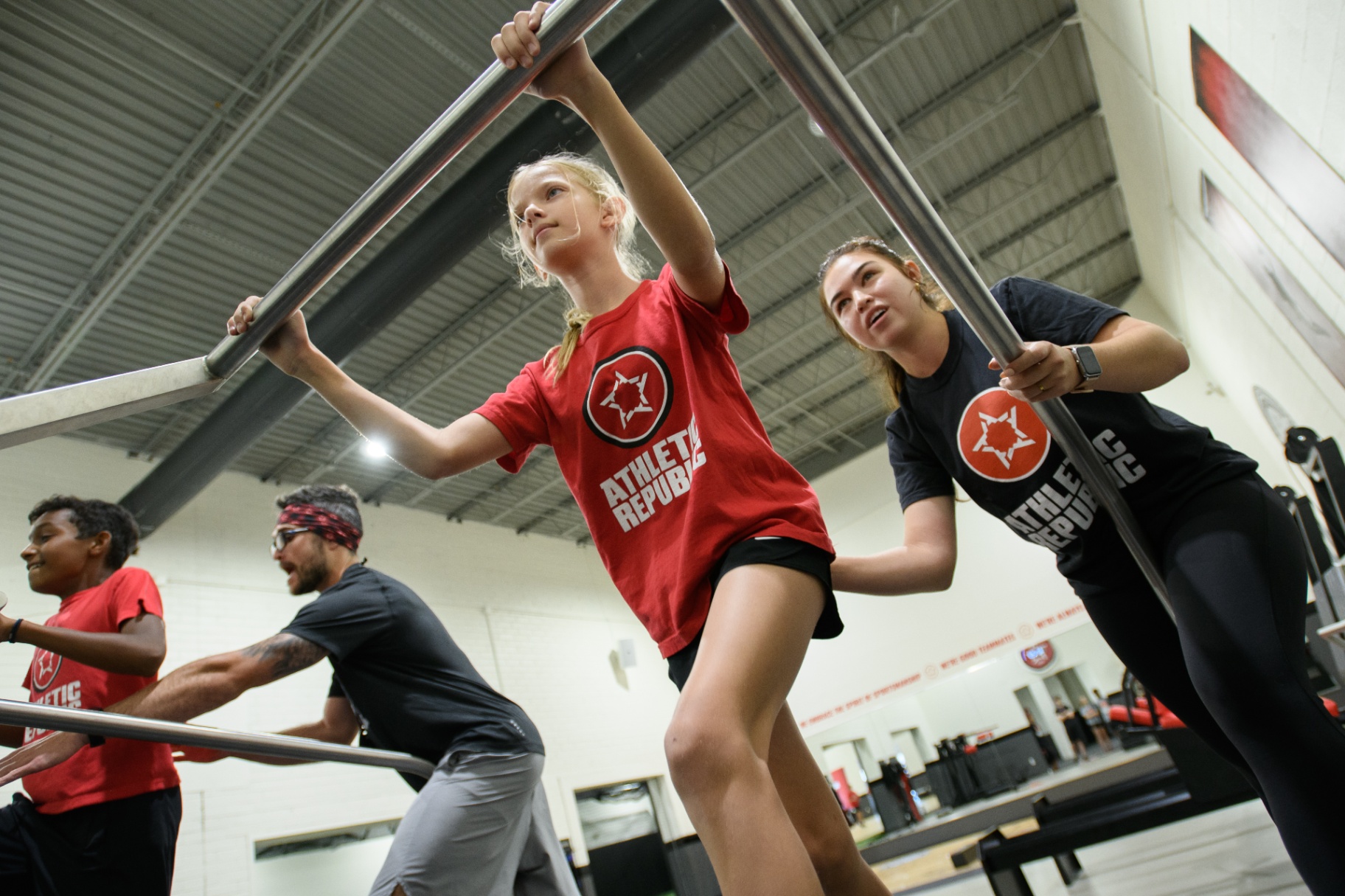
In the competitive world of Knoxville youth sports, there is a common mantra we hear all the time: "No days off." We see athletes grinding through double-headers, late-night practices, and early-morning weight sessions. As parents and coaches, we love the dedication. We love the grit. But there is a fine line between building an elite athlete and breaking one down.
At Athletic Republic Knoxville, we see athletes at every stage of their journey: from those just starting out in our student-athlete training programs to seasoned pros. The biggest differentiator between those who stay on the field and those who spend the season on the sidelines? Recovery.
Recovery isn't just about "doing nothing." It’s a science. Unfortunately, many well-meaning parents and athletes are making critical mistakes that actually hinder performance and increase the risk of injury.
Here are the 7 most common recovery mistakes we see and exactly how to fix them.
1. The "YouTube University" Approach
When an athlete feels a twinge or a pull, the first instinct is often to pull up a video and try to "self-rehab." While there’s a wealth of information online, every athlete’s body and injury history are different. Relying solely on generic internet searches means you’re missing the professional expertise needed to identify the root cause of an issue.
The Fix: Work with certified trainers who understand movement science. At Athletic Republic Knoxville, our personalized training approach ensures that we aren't just treating a symptom, but building a foundation that prevents the injury from coming back. We use specific assessments to see where imbalances lie before they become a problem.
2. Rushing the Process (The "I’m Fine" Trap)
We get it: athletes want to play. There is a massive internal and external pressure to get back into the game as quickly as possible. However, pushing too hard too soon is the fastest way to turn a minor strain into a season-ending injury. Just because the pain is gone doesn't mean the tissue is fully healed or that the muscle has regained its full capacity.
The Fix: Respect the timeline. Follow a structured progression that builds foundational elements first: basic strength, mobility, and neuromuscular control: before moving into complex, high-speed movements. It’s better to miss one game than the entire season.
3. Sacrificing Form for Reps
During recovery or "active rest" phases, athletes often check out mentally. They might go through the motions of their physical therapy or strength exercises with poor form, thinking that simply "doing the work" is enough. This is a huge mistake. Rushing through reps with poor mechanics creates compensation patterns where other muscles have to pick up the slack.
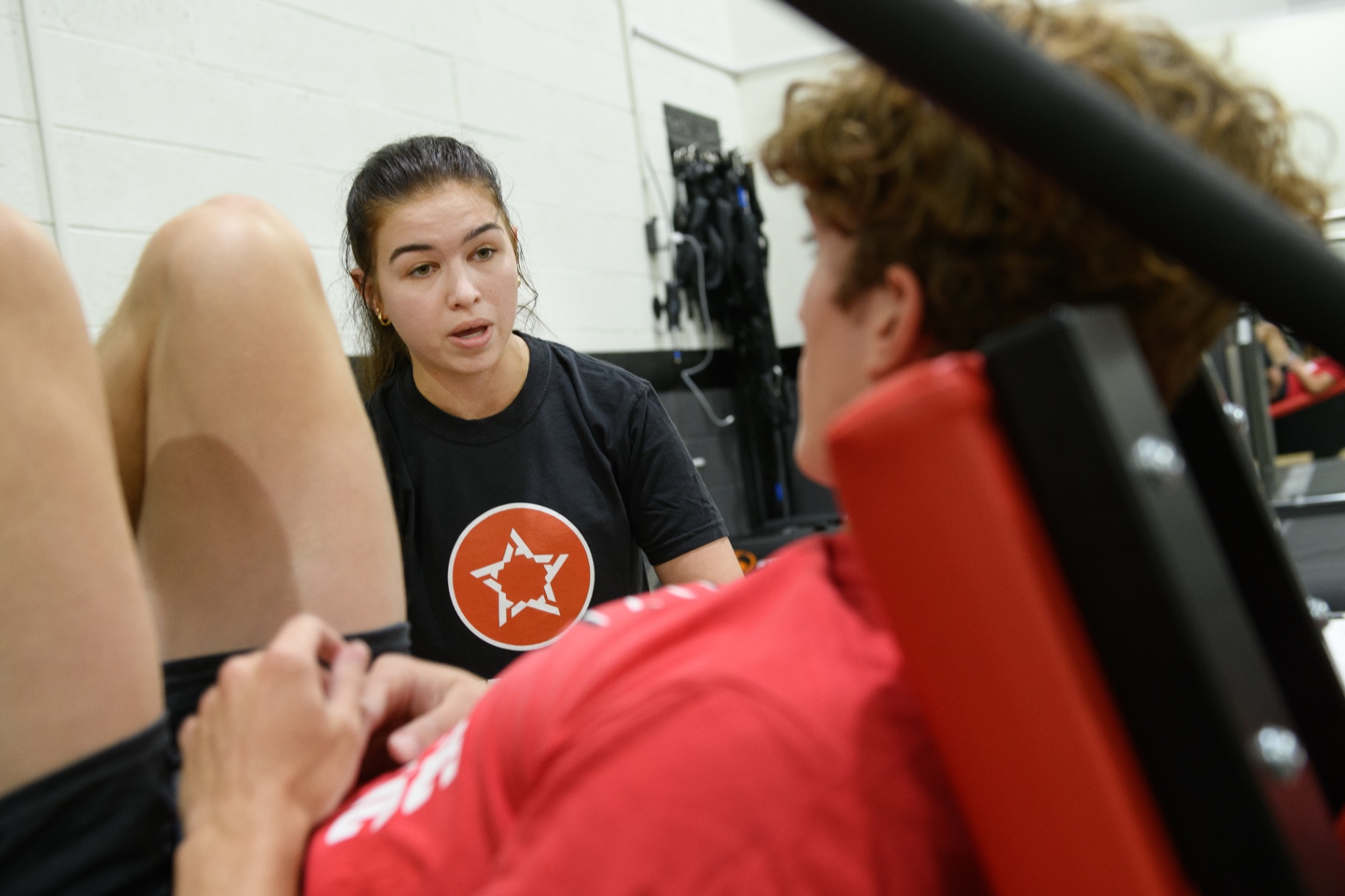
The Fix: Quality over quantity: always. Whether you are using our specialized Plyo Press or just doing bodyweight lunges, movement integrity is the priority. Our trainers focus on the "why" behind every movement, ensuring your athlete is retraining their nervous system to move correctly, not just move more.
4. Stopping All Training Entirely
When an athlete gets injured, the old-school advice was "complete rest." Today, we know that total inactivity often leads to deconditioning and muscle atrophy, making the eventual return to sport even harder. If a soccer player has a wrist injury, there is no reason they can't still work on their conditioning or lower-body power.
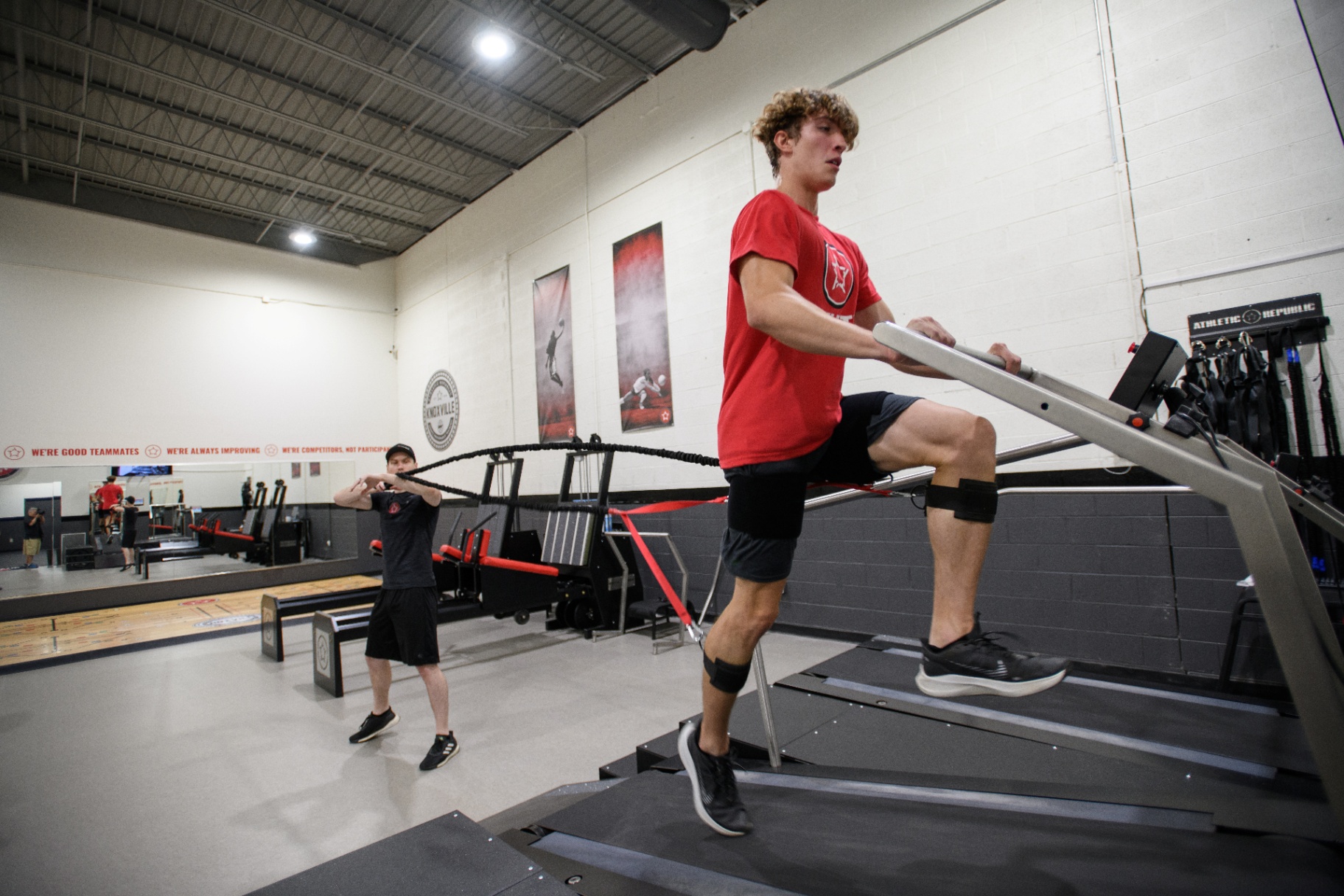
The Fix: Learn to "train around" the injury. Our 18,000 sq ft facility in Knoxville is designed to allow athletes to continue developing even when they aren't at 100%. If an athlete can’t run, we might focus on core stability or utilize our specialized Multi-Hip machine to maintain lower-body strength without the impact of weight-bearing exercises. Controlled movement is essential for keeping the blood flowing and the mind sharp.
5. Neglecting the "Invisible" Recovery: Sleep and Nutrition
You can have the best training program in the world, but if your athlete is sleeping five hours a night and living on fast food, they won't recover. The body does the majority of its repair work during deep sleep. For young athletes whose bodies are still growing, this is even more critical.
The Fix: Prioritize the basics. Aim for at least 8-10 hours of sleep for teenage athletes. Focus on post-workout nutrition that includes a balance of proteins to repair muscle and carbohydrates to replenish glycogen stores. Think of fuel and sleep as the "software" that runs the "hardware" of the athlete’s body. Check out our 5 tips for young athletes for more on the pro-level habits that matter most.
6. Quitting When You’re "90% Better"
This is arguably the most common mistake. An athlete spends four weeks in a recovery program, feels great, and decides they don't need to finish the last two weeks of their protocol. The problem? That last 10% is where the "game-speed" readiness is built. Without it, the athlete returns to the field with a false sense of security, but without the explosive power or reactive stability needed to handle high-stress situations.
The Fix: Finish the program. Consistency is the secret sauce. At Athletic Republic Knoxville, we help athletes bridge the gap between "not hurting" and "performing at peak levels." We ensure that the final stages of recovery involve sport-specific movements that mimic the demands of their actual game.
7. Returning Based on the Calendar, Not the Data
"The doctor said I could play on the 15th." While medical timelines are important, they are only part of the story. Returning to sport should be based on objective readiness markers, not just a date on a calendar. Does the athlete have symmetrical strength? Is their landing mechanic sound? Can they handle the eccentric load of a high-speed sprint?
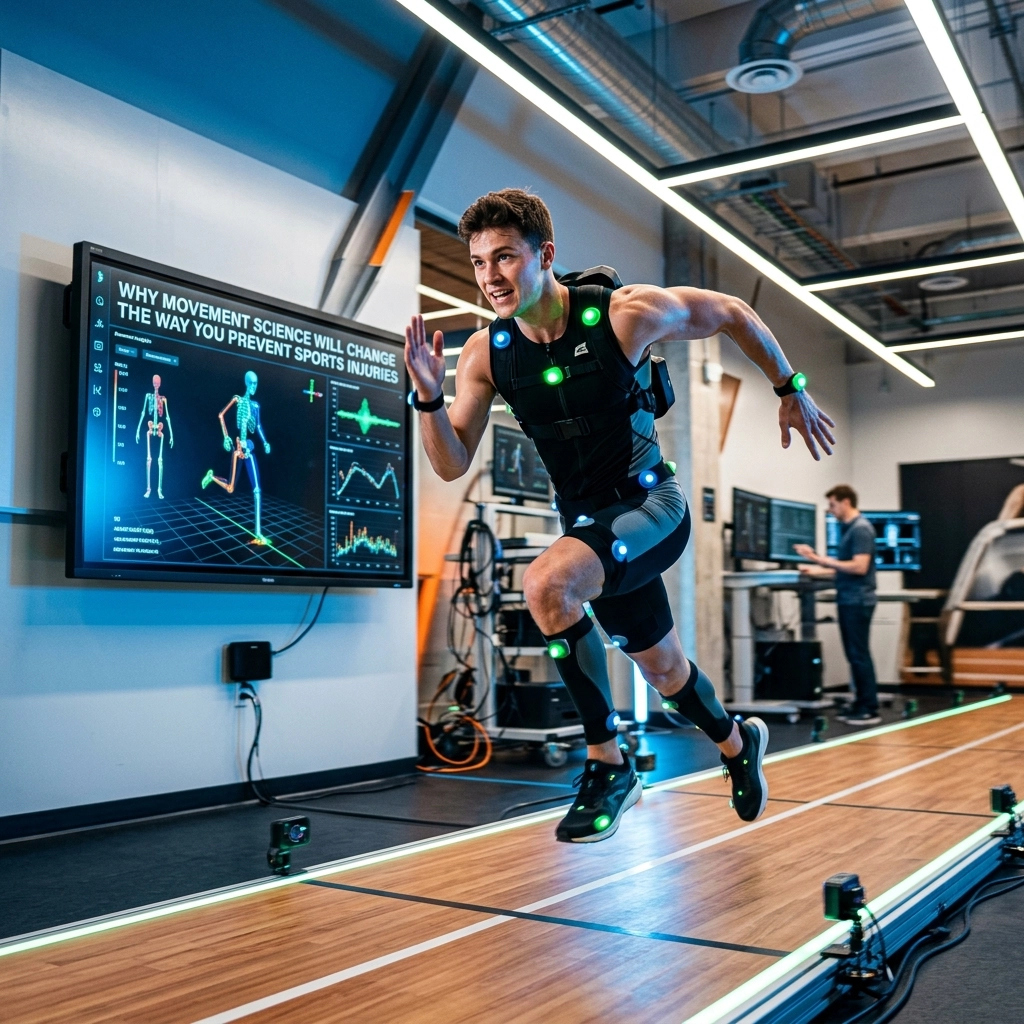
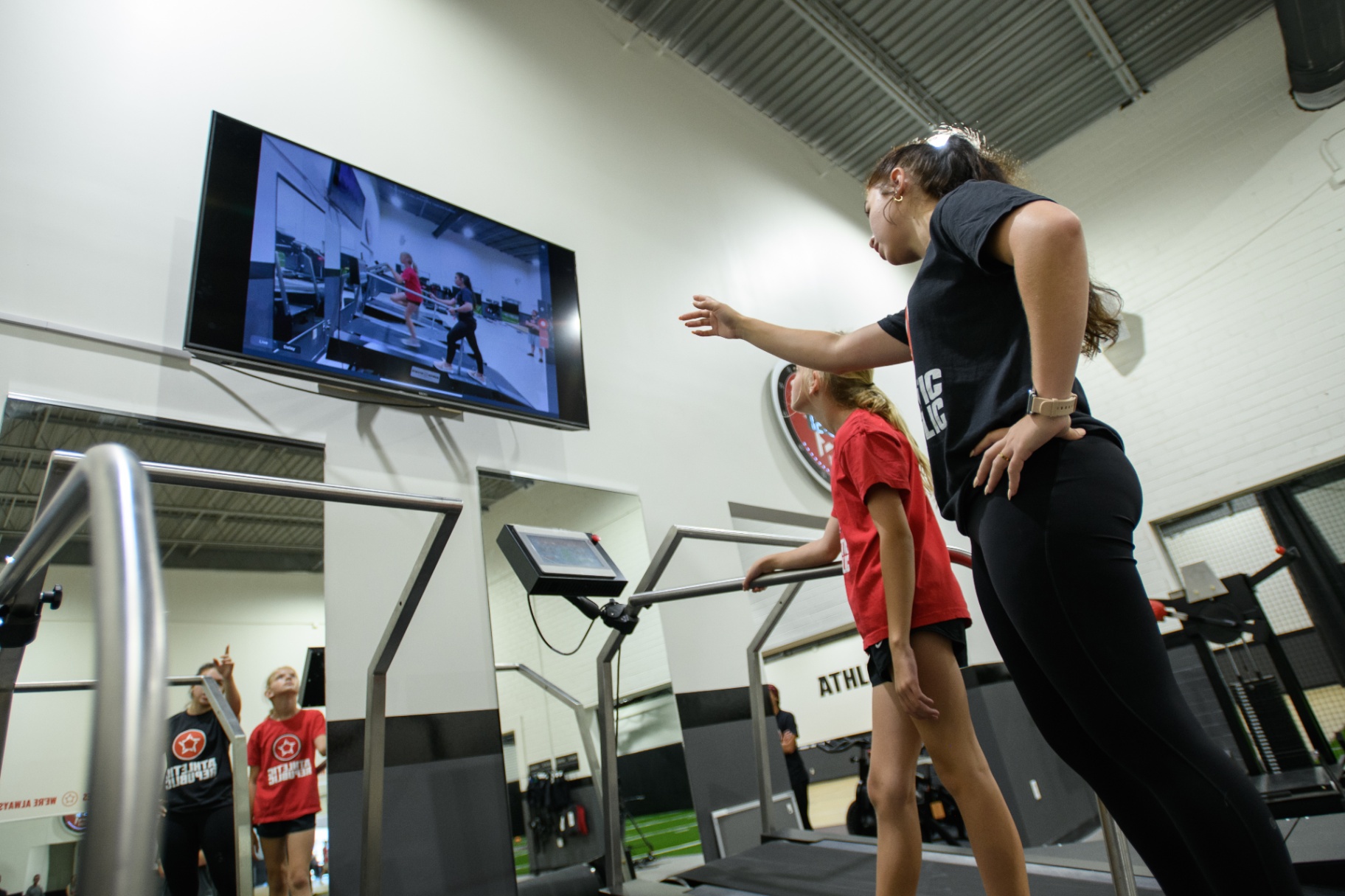
The Fix: Use data to make the call. We utilize real-time video feedback and performance analysis to see exactly how an athlete is moving. By comparing their current data to their pre-injury baseline or our proprietary benchmarks, we can provide a much clearer picture of whether they are truly ready to return to competition.
Why the Right Environment Matters
Recovery doesn't happen in a vacuum. It happens in an environment that supports the athlete’s physical and mental well-being. Our 18,000 square foot facility isn't just a place to lift weights; it’s a performance laboratory.
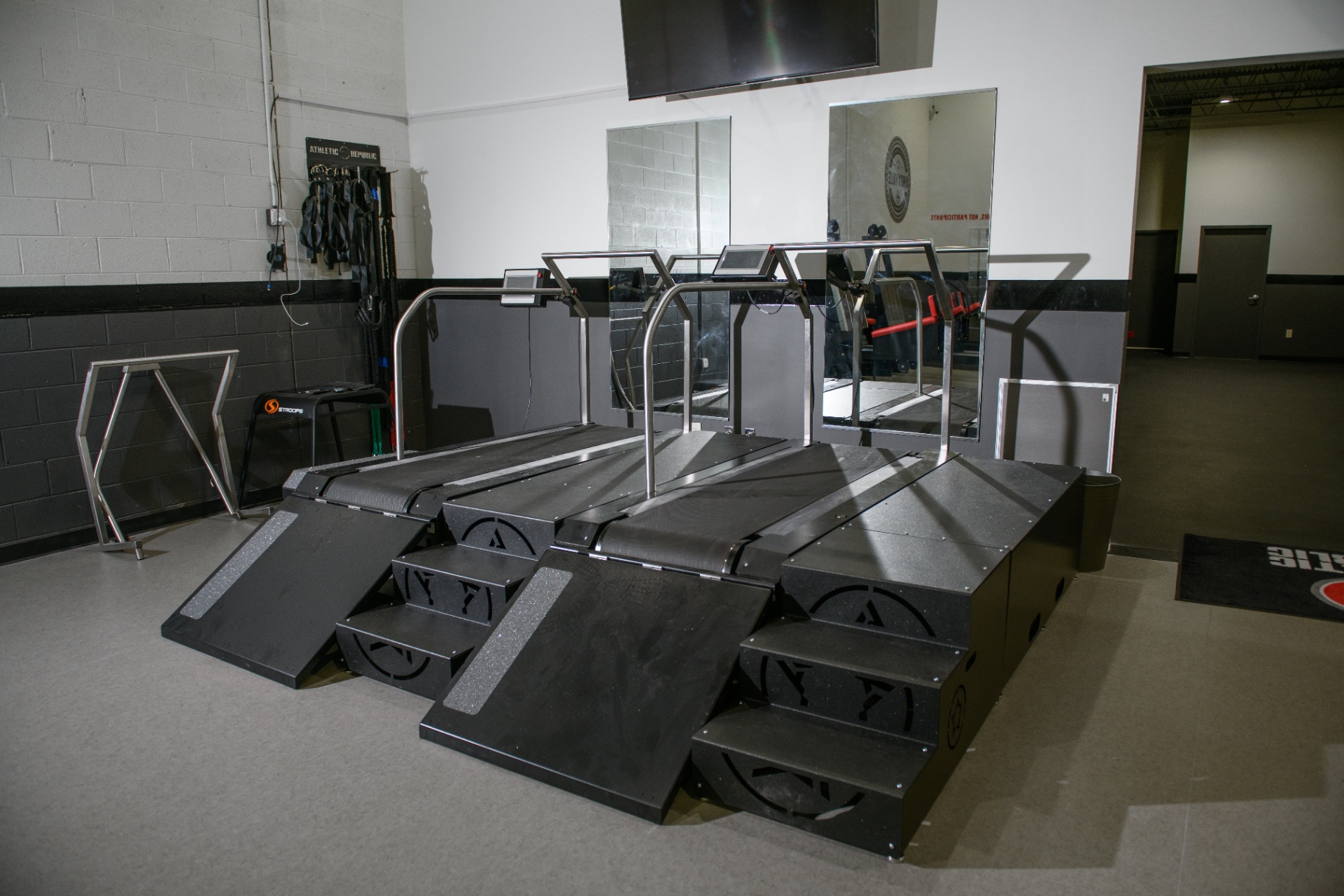
From our high-speed, specialized treadmills that allow for controlled running mechanics to our Plyo Press that develops explosive power with reduced joint impact, we have the tools to ensure recovery is done right. But more than the equipment, it’s about the culture. We believe in being supportive and encouraging, helping athletes navigate the often-frustrating journey of recovery with confidence.
The Bottom Line
Recovery is an active process, not a passive one. By avoiding these seven mistakes, you can help your athlete stay healthy, perform better, and: most importantly: keep enjoying the sports they love.
If you’re worried about an athlete’s recovery or want to make sure they are training in a way that prioritizes long-term health, come see us. Whether it's in-season training or specialized off-season development, we are here to help Knoxville's athletes reach their full potential.
Ready to see the Athletic Republic difference? Visit our website or stop by the facility to learn more about how we can support your athlete’s journey.