Sitting on the bench can be frustrating, especially when you know you are working hard.
You show up to practice. You learn the plays. You support your teammates. But when game time arrives, you are still waiting for your opportunity.
Sometimes, the difference between a bench role and a starting role is not effort or attitude. It may come down to a few athletic details: a slower first step, an extra step when changing direction, or conditioning that fades late in the game.
That is where targeted performance training can make a real difference.
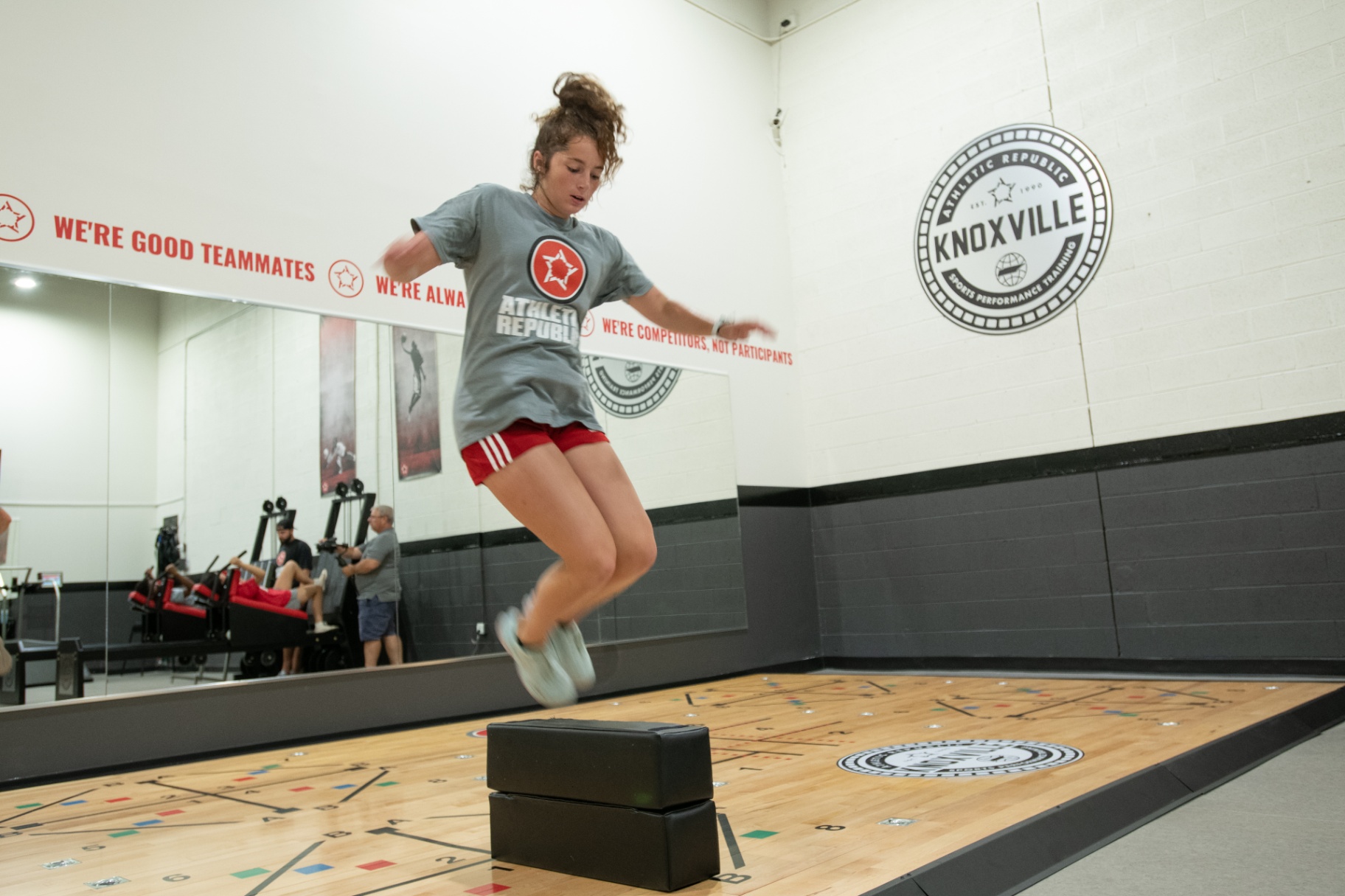
At Athletic Republic Knoxville, the Acceleration Program is designed to help athletes develop the speed, agility, power, coordination, and stamina that show up in real competition. The goal is not simply to make an athlete tired. It is to create changes that coaches can see and trust.
Change Starts With What You Can Feel
Athletic improvement does not always happen in one dramatic moment. More often, it shows up in small changes that begin to add up.
You may notice that you get to the ball first instead of arriving a step late. You may feel more balanced when planting to cut. You may recover faster between hard efforts. You may stop thinking so much about your footwork because the movement begins to feel natural.
These are the changes that can help an athlete move from “almost ready” to more dependable in a coach’s eyes.
The Acceleration Program uses science-based training protocols to target the movements athletes use most during competition. Training includes speed work, plyometrics, strength development, agility, dynamic stability, and conditioning. Each part supports the others, helping athletes become more explosive and more efficient.
You are not just training to run faster in a straight line. You are training to move better when the game gets unpredictable.
1. A Faster First Step Creates More Opportunities
In many sports, the first few steps matter more than top speed.
A basketball guard needs to create separation before a defender can react. A soccer player needs to win the first few yards toward a loose ball. A football receiver needs to get off the line quickly. A softball player needs to explode out of the batter’s box or toward a fly ball.
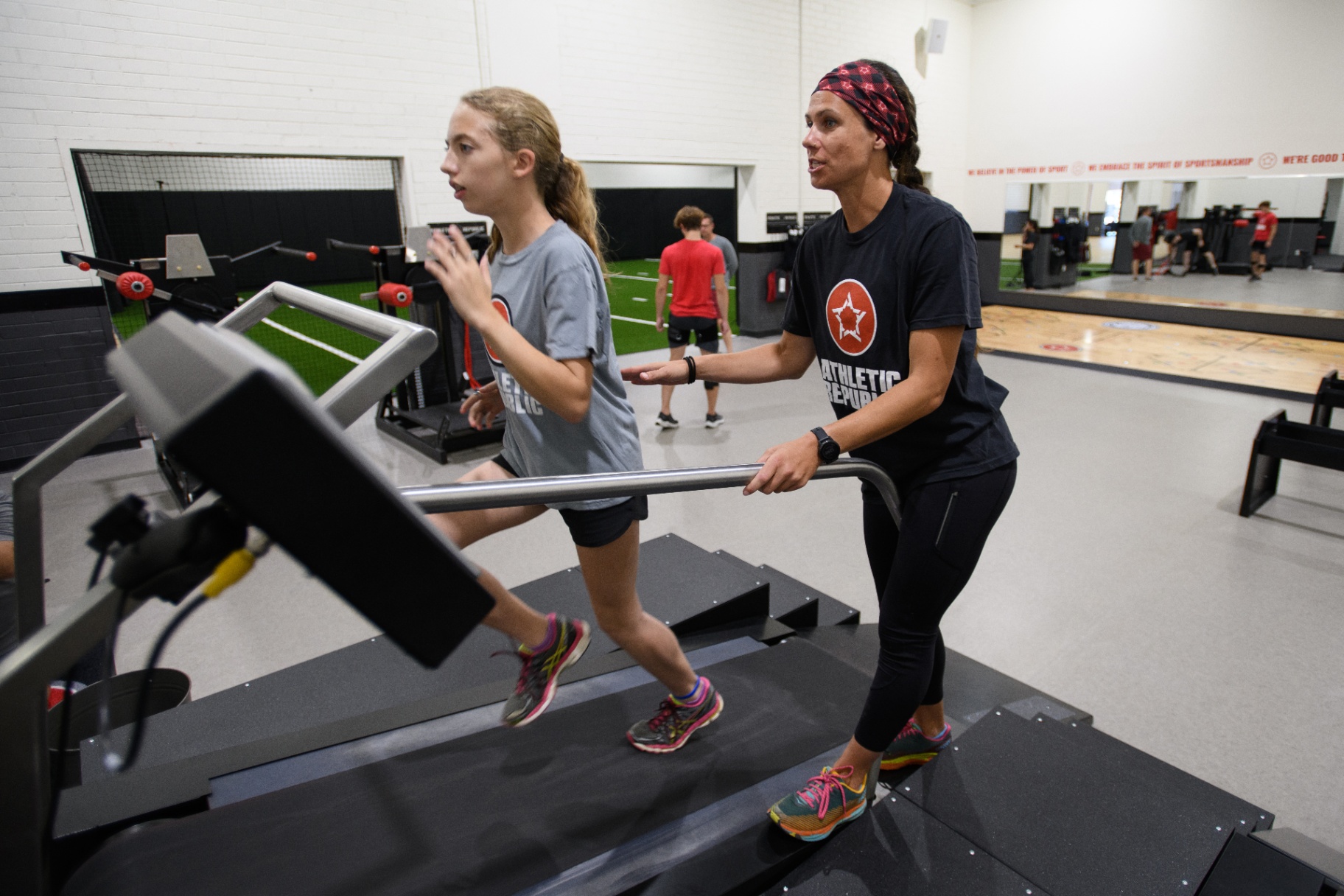
The Acceleration Program focuses on the mechanics behind that initial burst, including body position, knee drive, arm action, stride length, and how force is applied to the ground.
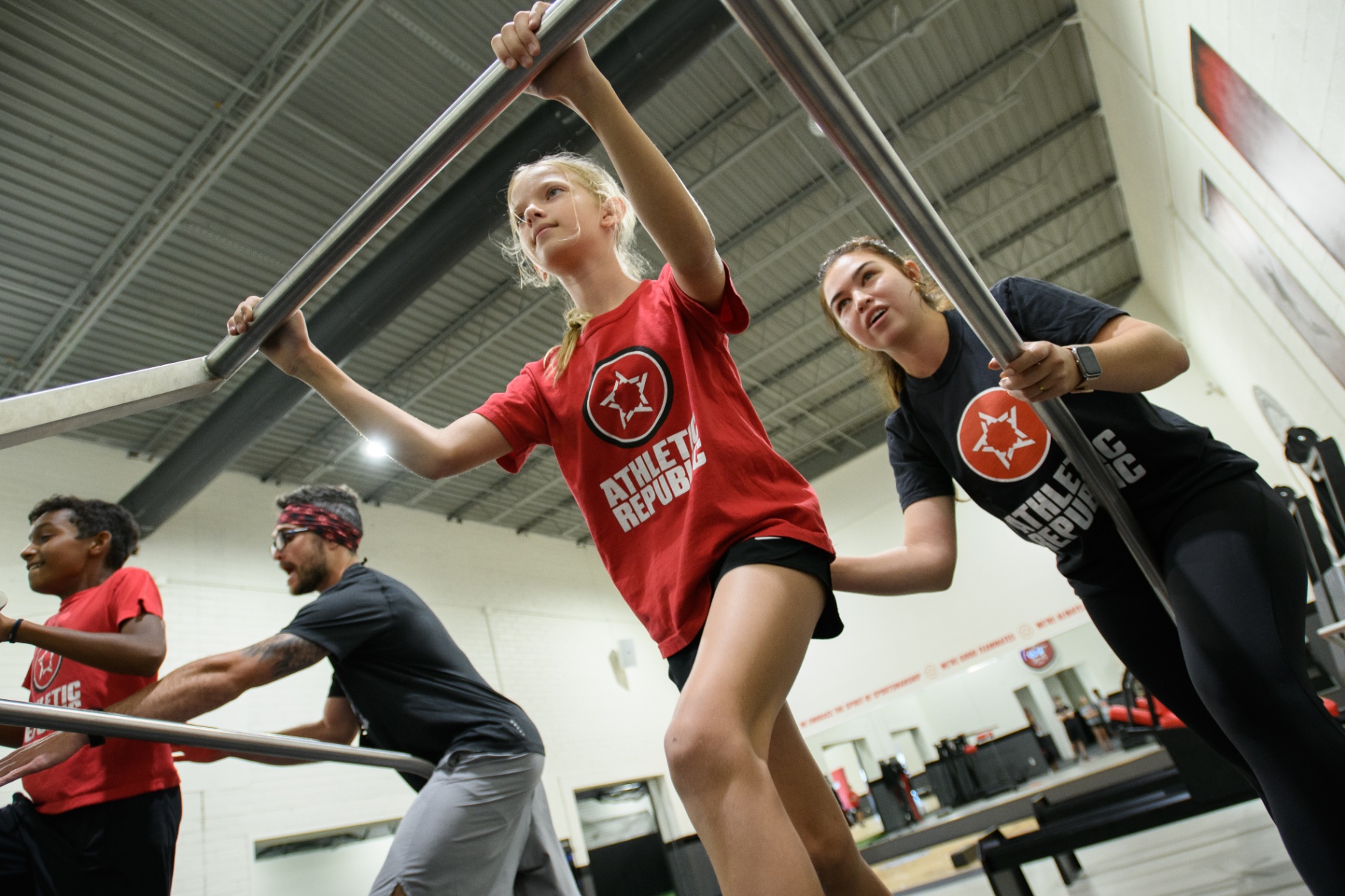
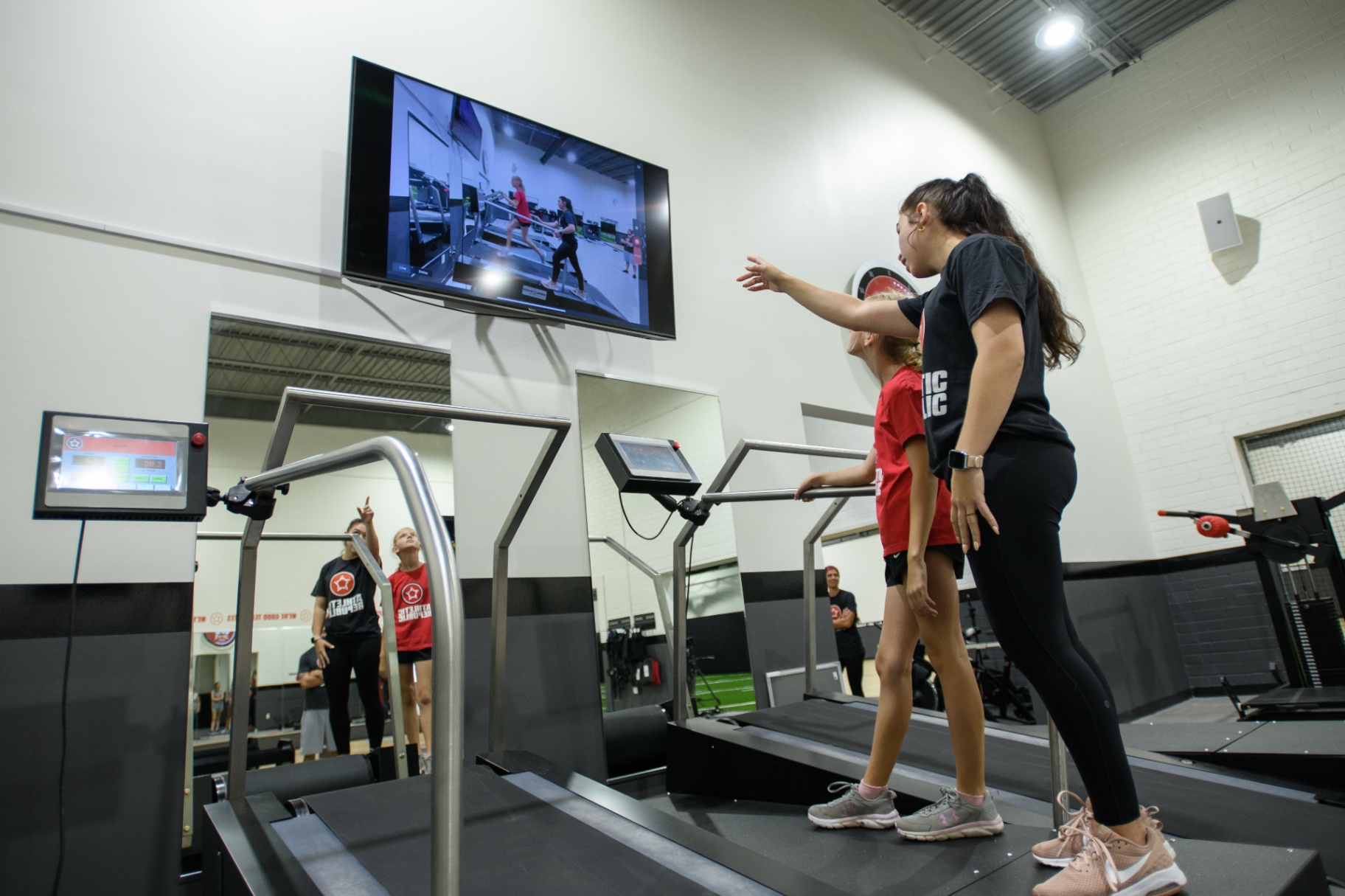
Athletic Republic Knoxville uses specialized equipment, including Super Running Treadmills, to help athletes practice efficient running mechanics in a controlled environment. Trainers can provide immediate coaching and visual feedback, helping athletes understand what they are doing instead of simply being told to “run harder.”
Over time, a better first step can look like:
- Getting to a pass before a defender
- Closing space more quickly on defense
- Beating an opponent to an open lane
- Creating separation at the start of a route
- Turning a close play into a successful one
A coach may not describe it as “improved neuromuscular efficiency.” They may simply say, “You are getting there sooner.” That is the kind of change athletes want to bring to practice and competition.
2. Quicker Cuts Come From Better Control
Speed is valuable, but speed without control can create problems.
An athlete may be fast in a straight line but lose ground when stopping, planting, or changing direction. Extra stutter steps, poor body position, or an unstable plant can make a cut slower than it needs to be.
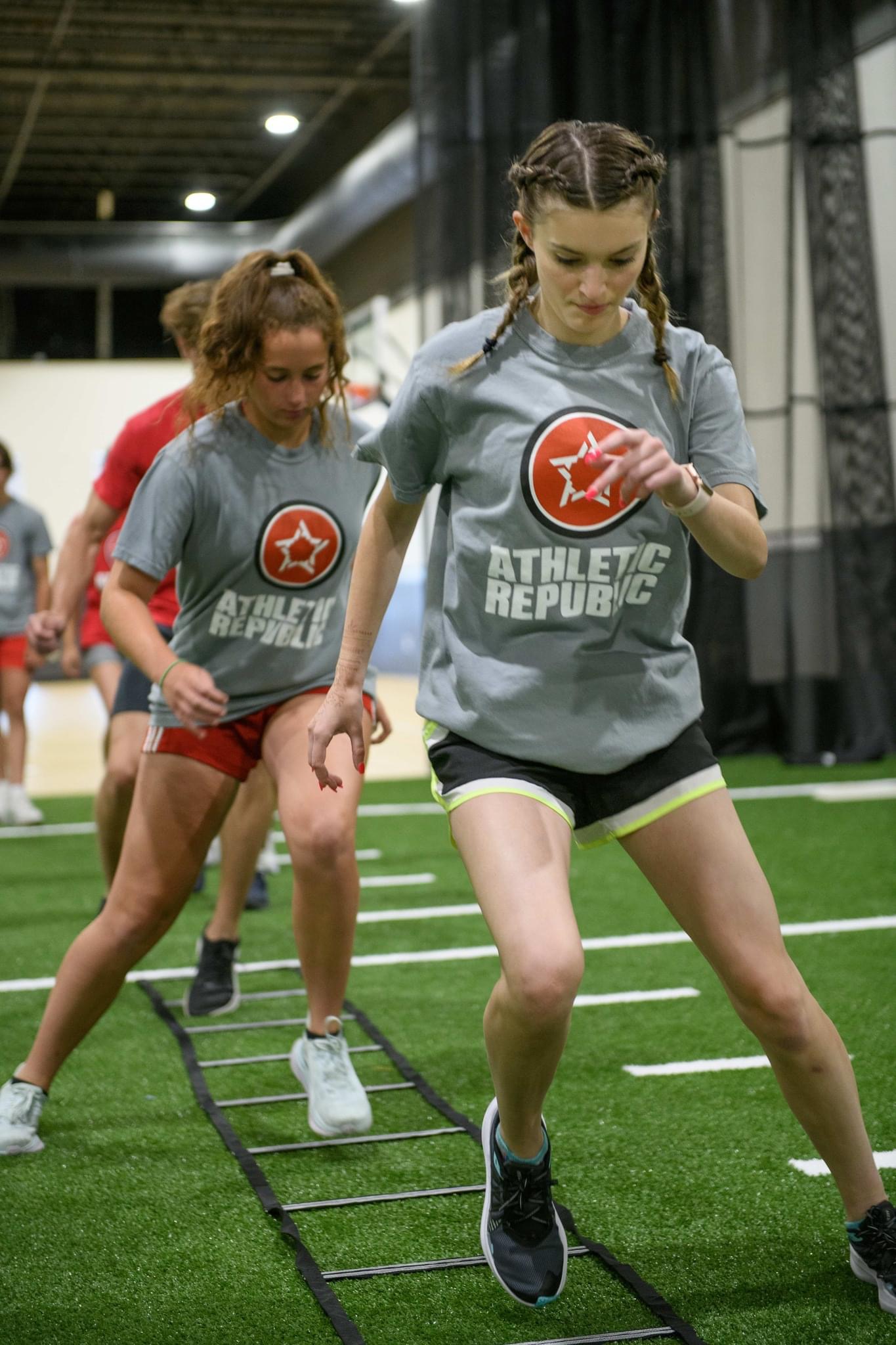
The Acceleration Program addresses both sides of agility: the ability to accelerate and the ability to decelerate under control.
Athletes work on lowering their center of gravity, positioning their hips, controlling their feet, and producing force in different directions. These skills can help make movements sharper and more efficient.
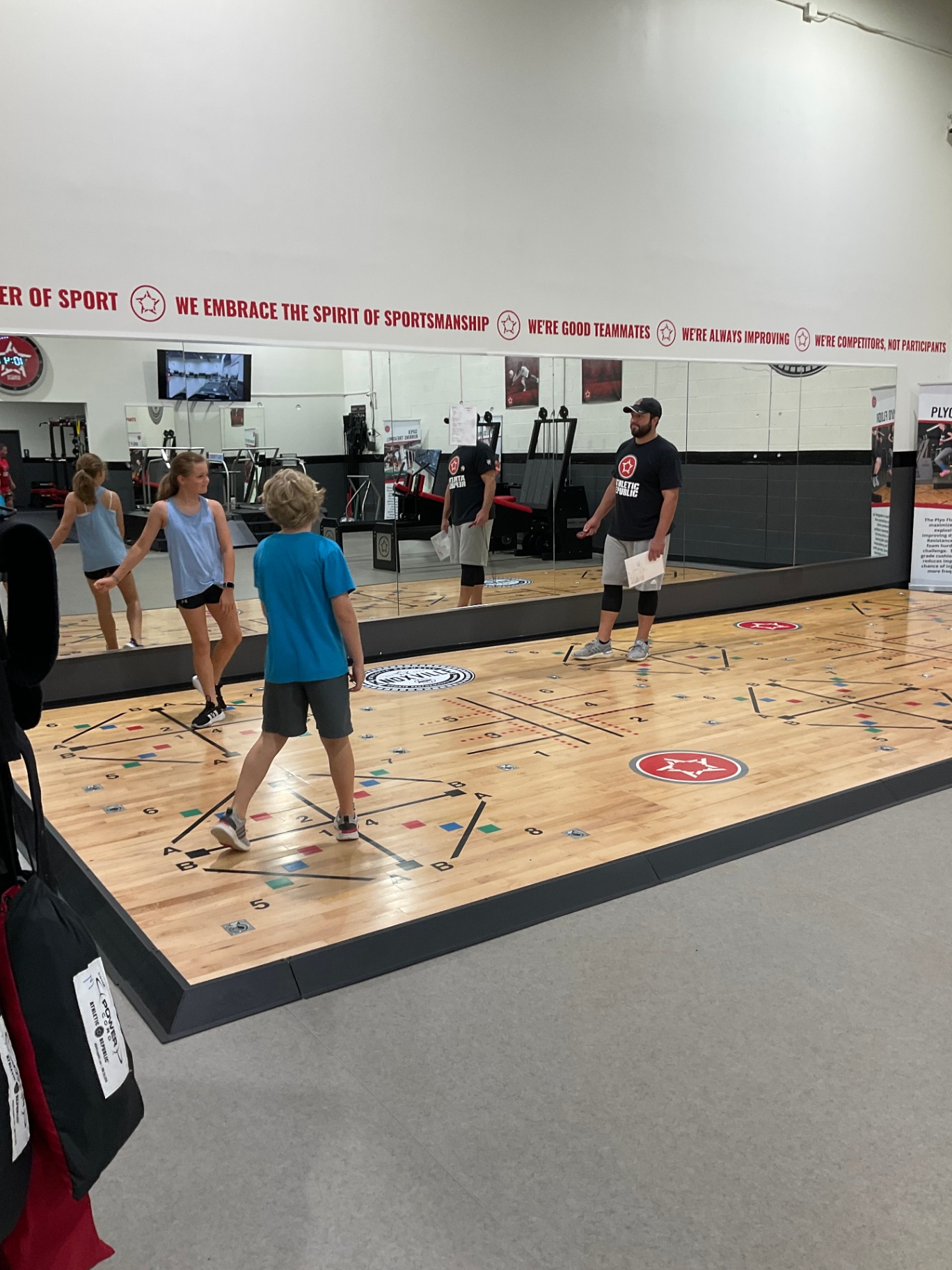
In a game, better change-of-direction ability may look like:
- Cutting without losing balance
- Stopping under control instead of taking extra steps
- Re-accelerating immediately after a plant
- Staying in front of an opponent
- Changing direction without telegraphing the movement
This is often where coaches begin to notice a difference. A player who can move laterally, stop, and recover quickly is easier to trust in competitive situations.
For a defender, it may mean staying with a matchup. For an attacking player, it may mean creating space. For any athlete, it can mean fewer wasted movements and more confidence when the play changes.
3. Better Conditioning Helps Speed Show Up Late
Being explosive in warmups is one thing. Repeating that effort late in a game is another.
Coaches need players who can continue making good decisions and powerful movements when they are tired. If an athlete’s first step disappears in the fourth quarter, or their cuts become slower after several hard efforts, it becomes difficult for a coach to keep them on the field or court.
That is why conditioning is an important part of the Acceleration Program.
The goal is not to add random exhaustion. Training is structured around appropriate volume, intensity, recovery, and progression. Athletes learn to produce quality efforts, recover, and perform again. This helps build the kind of game-ready conditioning that supports repeated sprints, transitions, defensive efforts, and bursts of play.
Better conditioning can look like:
- Still closing out hard late in practice
- Recovering faster between plays
- Maintaining running form when tired
- Repeating quick cuts without a major drop-off
- Staying engaged and effective through the final minutes
A coach may notice that an athlete who used to fade is now still competing at full speed. That consistency can change how a coach views the athlete’s readiness.
4. The Numbers Help Show What Is Changing
Confidence is important, but it is even better when confidence is supported by measurable progress.
Athletic Republic Knoxville evaluates athletes at the beginning of a training program and again later to identify strengths, address areas for improvement, and measure results. Testing may help reveal changes in speed, power, movement quality, symmetry, or conditioning.
That information gives athletes and trainers a clearer picture of what is improving and what still needs attention.
Instead of saying, “I feel a little faster,” an athlete may be able to see progress in a sprint or agility test. Instead of guessing whether one side is working harder than the other, trainers can look for movement patterns and asymmetries that may affect performance.
The data is not there to put pressure on an athlete. It is there to guide the training.
A personalized approach helps ensure that athletes are not all doing the exact same workout for the exact same reason. One athlete may need more work on acceleration mechanics. Another may need better lateral control. Someone else may need to improve strength, power, or the ability to repeat high-intensity efforts.
That is the advantage of training with a plan.
What Coaches Notice in Practice
A starting spot is never guaranteed by a single workout or a single test score. Coaches consider skill, decision-making, teamwork, attitude, consistency, and many other factors.
But improved athleticism can give an athlete more chances to demonstrate those qualities.
When the physical changes begin to show up, coaches may notice that an athlete:
- Arrives first to more plays
- Recovers after making a mistake
- Defends with better positioning
- Creates more separation
- Maintains effort late in practice
- Moves with less hesitation
- Handles competition with greater confidence
Those changes can make an athlete more dependable. And dependability matters when a coach is deciding who should be on the field or court during important moments.
The athlete may not suddenly become the fastest person on the team. The more realistic and valuable goal is to become faster, more controlled, and more consistent than they were before.
That is meaningful progress.
Train for the Athlete You Want to Become
The Acceleration Program takes place inside the 18,000-square-foot facility at Athletic Republic Knoxville, where athletes have access to specialized equipment, performance technology, certified trainers, and space to work on multiple aspects of athletic development.
The environment is focused, but it is also supportive. Athletes receive coaching, feedback, and encouragement throughout the process. They learn why a movement matters and how it connects to performance.
For parents, that means your athlete is not left to figure everything out alone. For athletes, it means each session has a purpose.
If you are tired of watching opportunities pass by, start by identifying what is keeping you from taking advantage of them. Is it the first step? Your ability to cut and recover? Your conditioning? Your confidence under pressure?
The answer may be different for every athlete. That is why a personalized, science-based approach matters.
Learn more about student-athlete training at Athletic Republic Knoxville or schedule a free trial class. Your next step toward earning more playing time can begin with understanding exactly what needs to change: and training with a plan to change it.