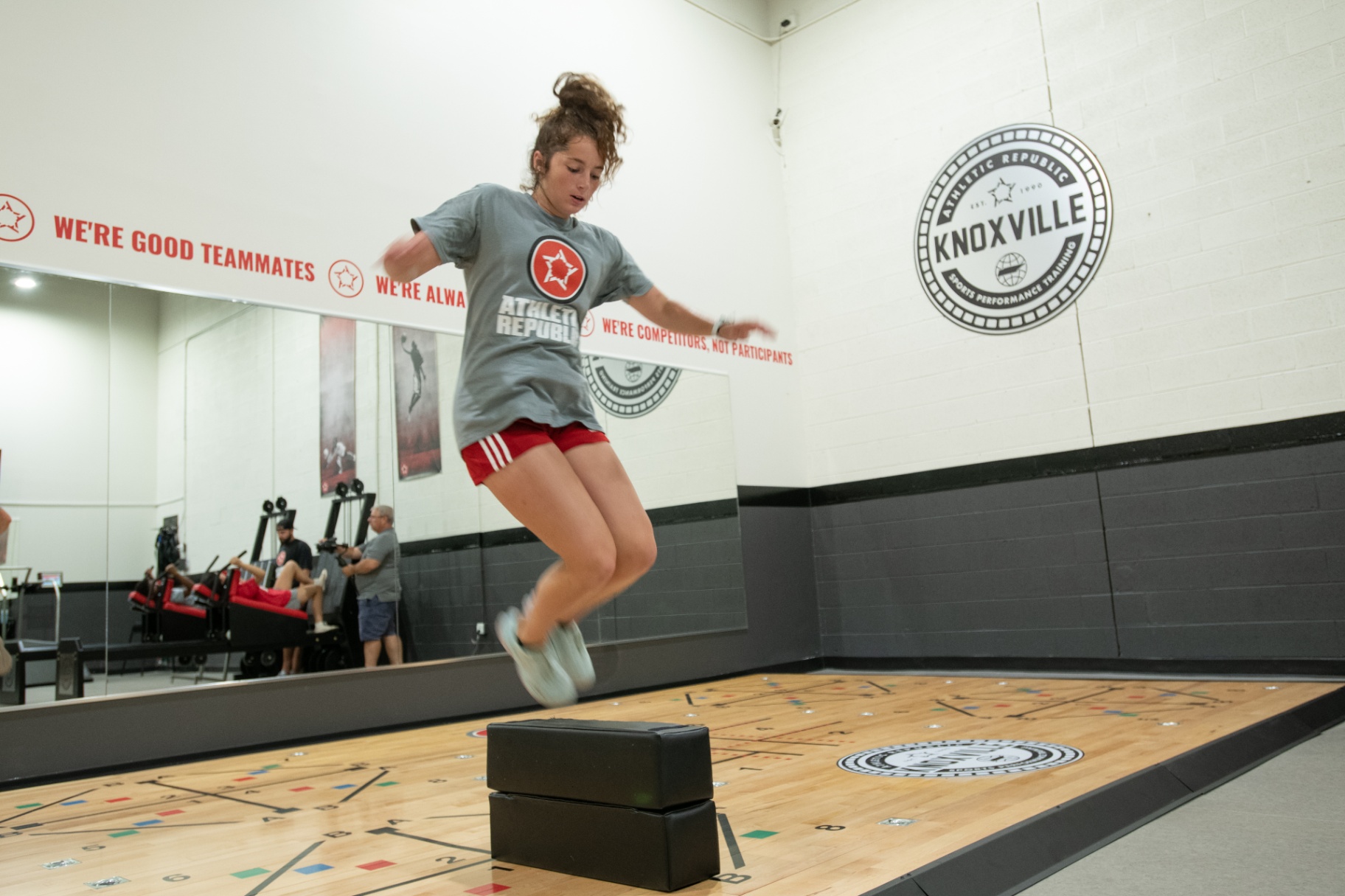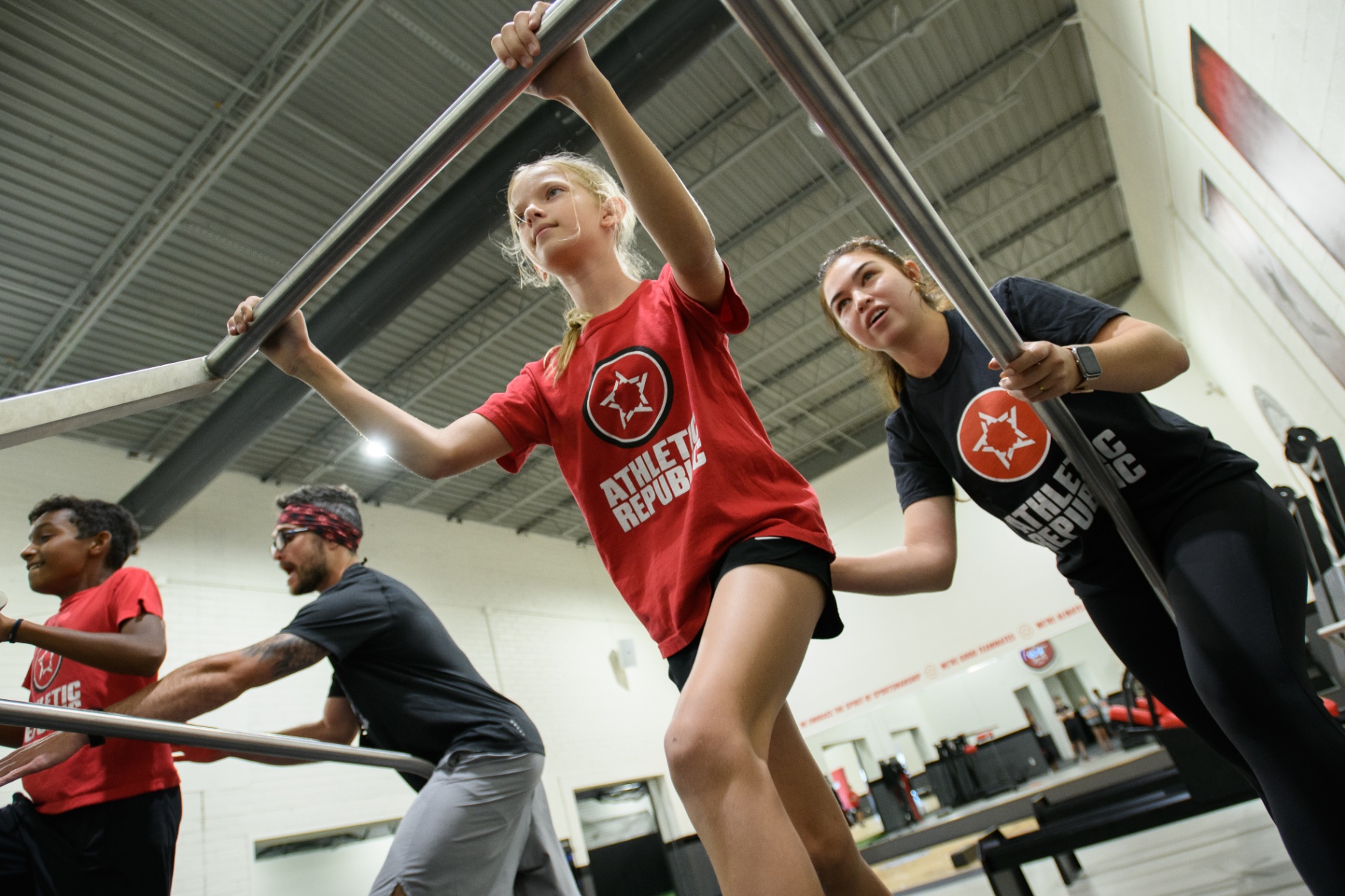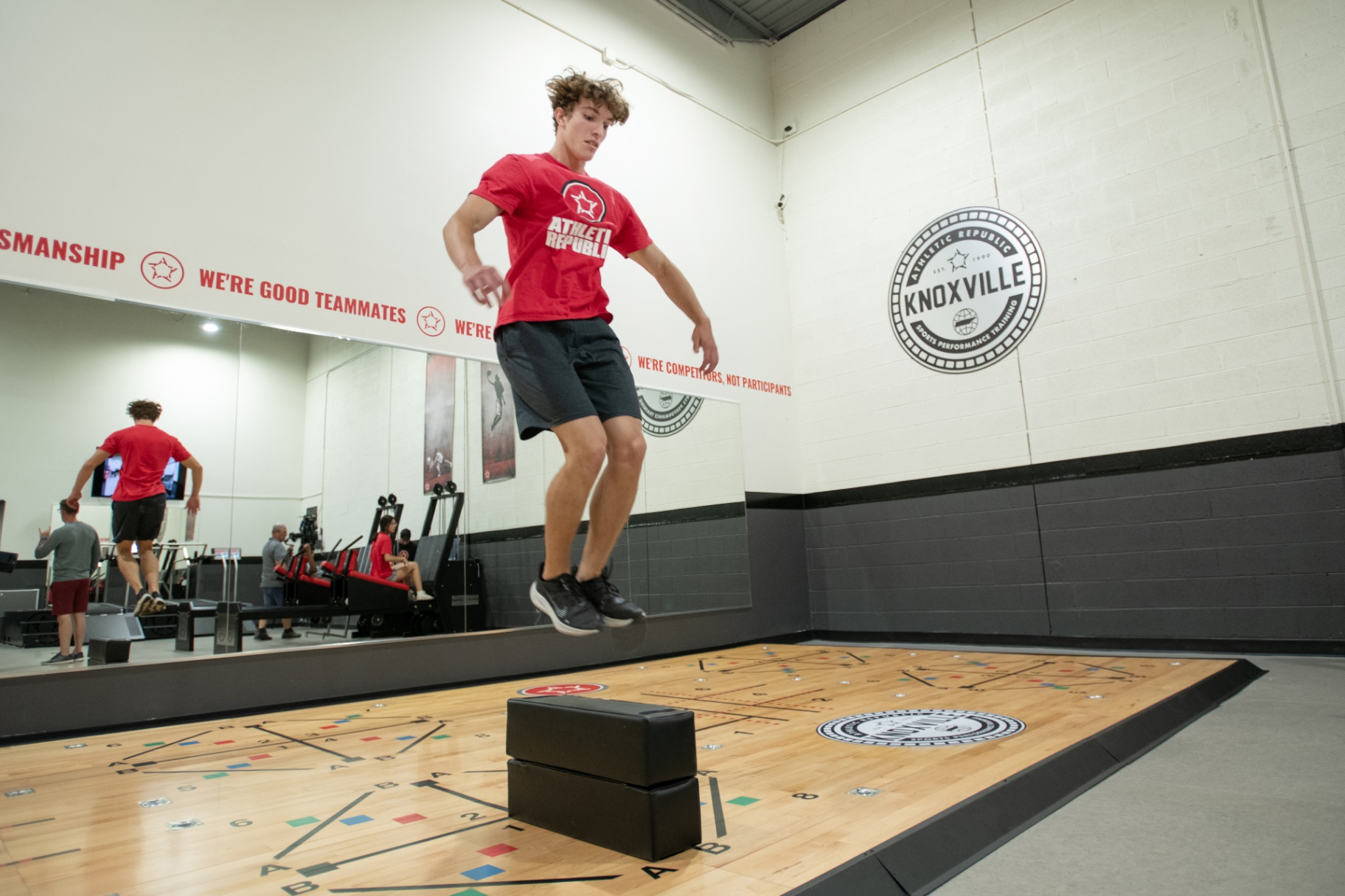
Being on the bench can be frustrating. You may be working hard, attending every team practice, and doing everything your coach asks: but when game time arrives, you still find yourself waiting for an opportunity.
That doesn’t mean you cannot become a starter. Often, the difference is not effort. It is the ability to perform at game speed: reacting quickly, changing direction under pressure, accelerating into space, and making confident decisions when the situation is unpredictable.
That is the focus of the Acceleration Program at Athletic Republic Knoxville. Through science-based training protocols, certified trainer coaching, and a highly personalized approach, athletes learn how to turn practice speed into game-changing movement.
Practice Speed vs. Game Speed: What’s the Difference?
Practice speed is often controlled and predictable. You may run a sprint from one cone to another, complete a preplanned footwork pattern, or perform a drill where you already know exactly what comes next.
That type of work is valuable. It helps build:
- Acceleration mechanics
- Running efficiency
- Strength and power
- Foot speed
- Coordination
- Change-of-direction technique
But competition demands more.
Game speed is your ability to use those physical skills while reading the play, reacting to an opponent, responding to teammates, and making decisions in a limited amount of time. It is not simply how fast you can run in a straight line. It is how quickly you can solve a problem while moving.
A soccer player has to recognize when to make a run behind a defender. A basketball player needs to close out, stop, and redirect without losing balance. A football receiver must accelerate through a route while tracking the ball and adjusting to coverage. A baseball or softball athlete may need to react instantly off the bat and get moving in the right direction.
The faster and more efficiently you can handle those moments, the more valuable you become in live competition.
Research reviews on speed, agility, and quickness training have found improvements in sprint performance, change-of-direction ability, reaction time, and lower-body strength. You can read one example in this peer-reviewed review of speed, agility, and quickness training.
Why Athletes Can Look Fast in Practice but Hesitate in Games
Some athletes look excellent in closed drills. They move smoothly through cones, complete every repetition, and post respectable sprint times.
Then the game begins: and everything changes.
There is a defender in the way. The space is smaller. The athlete is tired. The ball takes an unexpected bounce. A teammate makes a different cut than expected. Suddenly, the athlete hesitates for half a second.
That half-second can be the difference between winning position and losing it.
This is a common challenge, especially for athletes who are still building confidence. They may have the physical ability to make the play, but they do not yet trust themselves to act quickly enough when the situation changes.
At Athletic Republic Knoxville, we do not treat speed, agility, and confidence as separate pieces. We develop them together through structured progressions that help athletes move with better mechanics, greater control, and more decisiveness.
How the Acceleration Program Helps Close the Gap
The Acceleration Program is a systematic progression designed for youth, teen, college, and advanced athletes who want to improve speed, power, quickness, agility, coordination, and stamina.
Rather than giving every athlete the exact same workout, our certified trainers coach athletes through movements and progressions that match their current ability and goals.
Here is how that translates to game speed.
1. Build a Faster First Step
The first few steps often matter more than top speed.
A quick first step helps an athlete:
- Get separation from a defender
- Reach a loose ball first
- Close space on defense
- Win a race to position
- Start a transition faster
- React to a change in play
Acceleration training focuses on body position, shin angle, knee drive, arm action, force production, and the ability to apply power to the ground. These details can make movement more efficient and help athletes stop wasting motion.
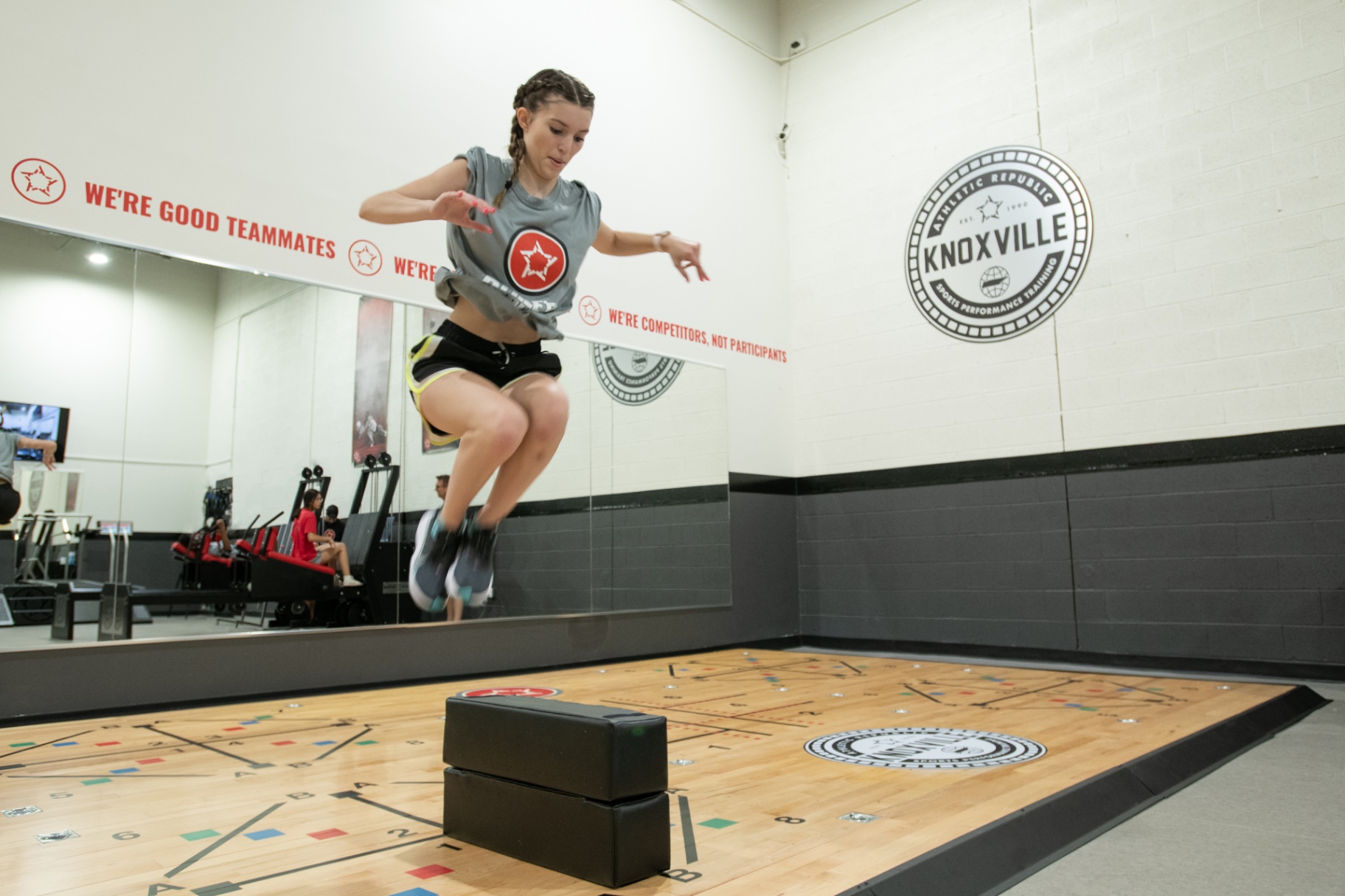
Plyometric work is another important part of developing explosiveness. Jumping, landing, and rebounding drills teach athletes to produce and absorb force while staying balanced. That matters when the game requires you to sprint, stop, cut, and sprint again.
2. Improve Deceleration and Change of Direction
Being fast is not just about how quickly you can take off. It is also about how well you can slow down and redirect.
Athletes who cannot control their momentum may take extra steps, stand too tall, or lose balance during a cut. That costs time and can also place unnecessary stress on the body.
In the Acceleration Program, athletes work on dynamic stability, lower-body strength, hip control, and deceleration mechanics. These skills help them:
- Brake under control
- Keep their center of gravity in a strong position
- Change direction without standing up
- Re-accelerate after a cut
- Maintain body control in traffic
This is where practice movement starts to become game movement. Instead of simply running a pattern, athletes learn how to move efficiently through the demands of their sport.
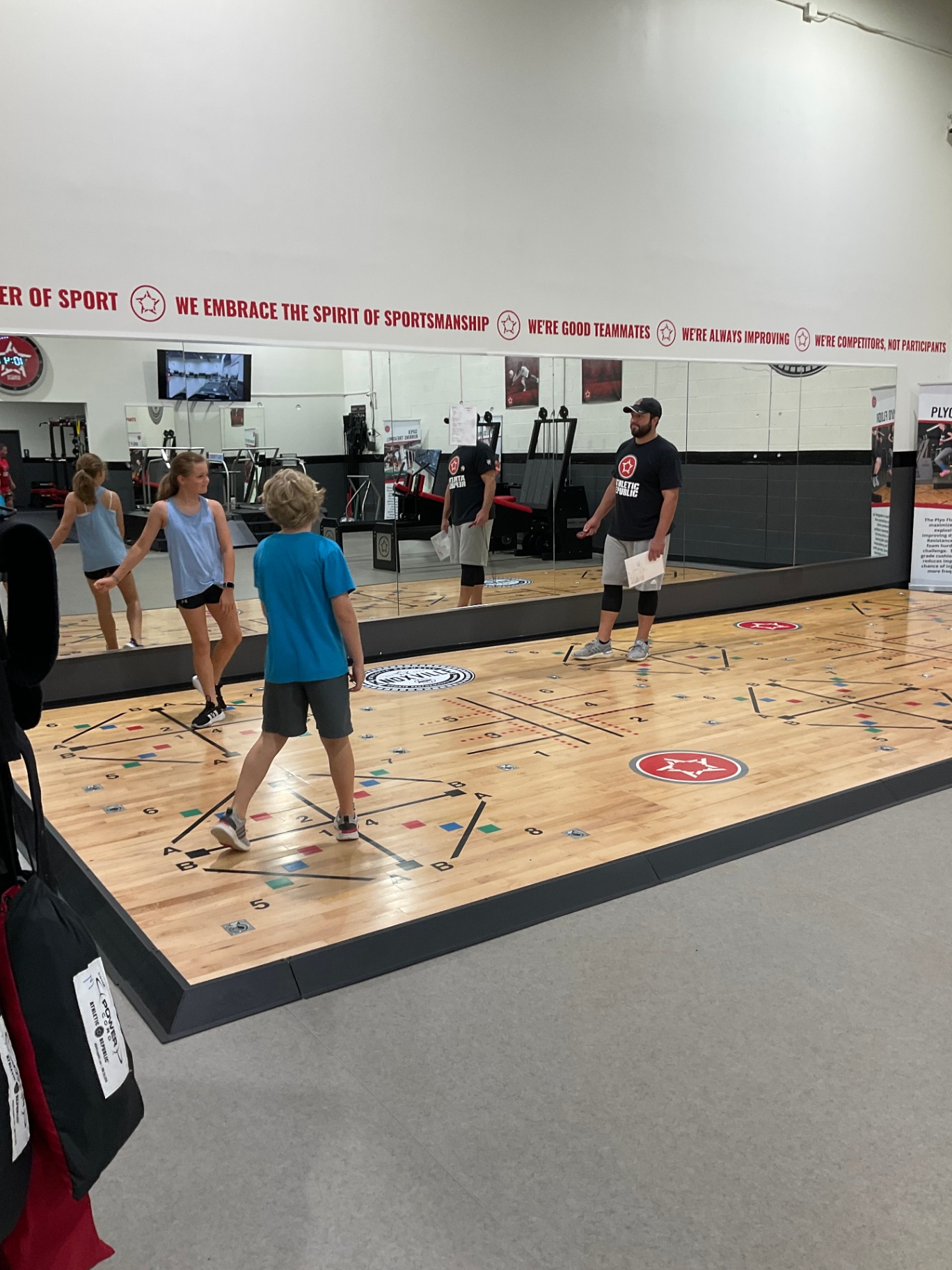
3. Add Reaction and Decision-Making
You cannot script every moment of a game. That is why athletic development needs to include more than memorized patterns.
Our trainers can vary the direction, timing, starting position, and movement demands so athletes learn to respond rather than simply anticipate. The goal is not to make every drill chaotic. It is to gradually introduce the uncertainty athletes face in competition.
A good progression might begin with a planned movement, then add a visual or verbal cue, then require the athlete to react and accelerate in response. Over time, the athlete becomes more comfortable making decisions quickly.
That comfort matters. When athletes trust their preparation, they are less likely to freeze or take an unnecessary extra step.
4. Develop the Power to Repeat Efforts
Game speed is not only one explosive effort at the beginning of a contest. Athletes may need to sprint, recover, cut, jump, and sprint again throughout the game.
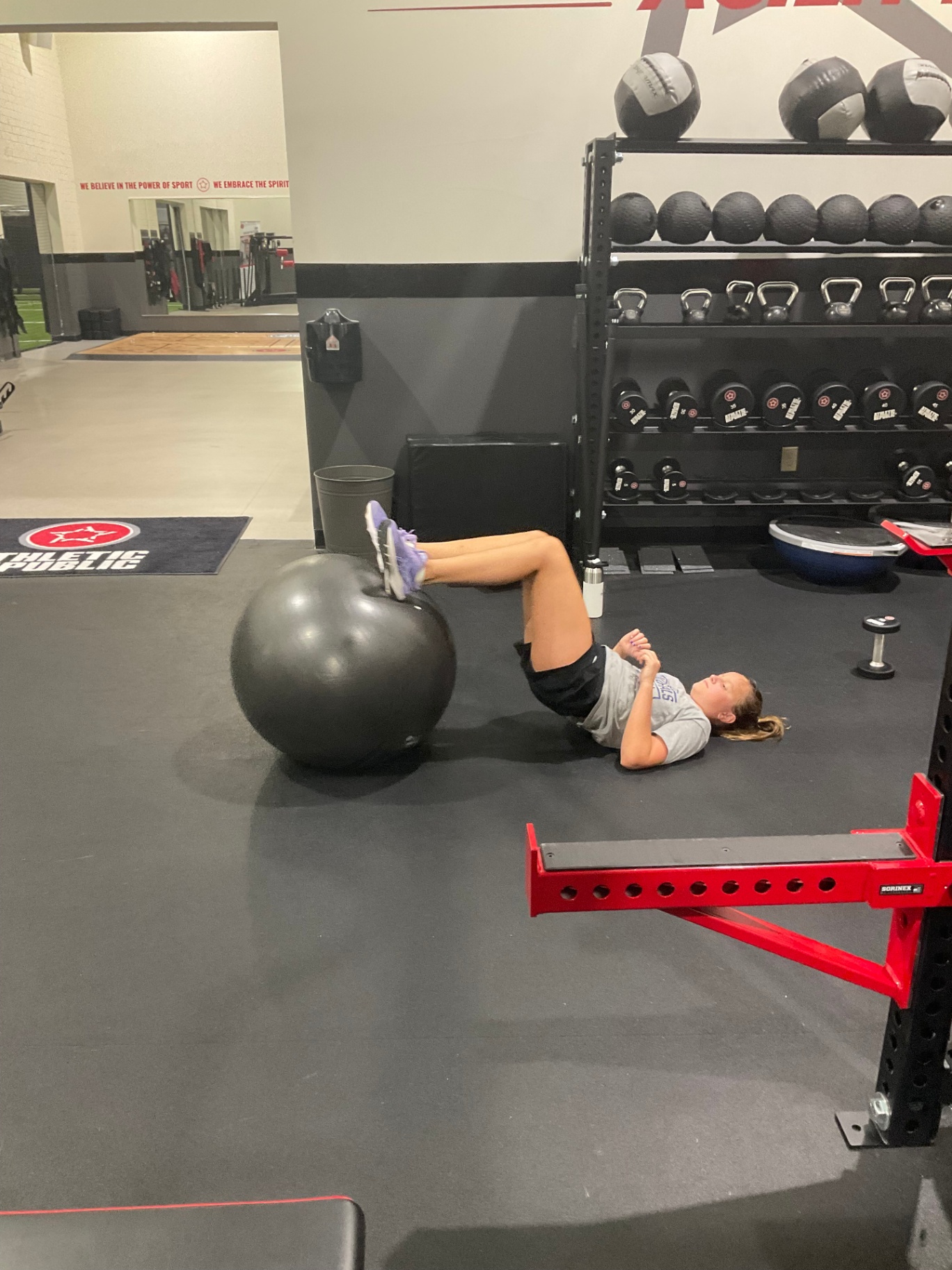
The Acceleration Program combines power, strength, movement quality, and conditioning in a way that supports repeated efforts. Training intensity, volume, and rest are adjusted according to the athlete and the goal of the session.
Strength work supports force production. Plyometrics develop explosiveness and coordination. Movement drills teach athletes how to apply those qualities in multiple directions.
The result is not just a faster athlete at the start of practice. It is an athlete who can continue making sharp, aggressive movements when the game gets demanding.
What Coaches Notice When an Athlete Starts Playing at Game Speed
Coaches are looking for more than impressive testing numbers. They want athletes they can trust in real situations.
That trust often grows when an athlete consistently:
- Sprints during transitions
- Closes space quickly
- Competes for loose balls
- Makes decisive cuts
- Recovers after mistakes
- Maintains effort late in a drill
- Executes assignments at full speed
- Communicates and responds without hesitation
An athlete does not have to be the fastest person on the team to earn more playing time. But they do need to show that they can use their abilities when the game is moving quickly.
That is the opportunity for bench-sitting athletes. You may not be able to control when your coach puts you in, but you can control how prepared you are when that moment arrives.
When an athlete begins showing up differently in live practice: more explosive, more balanced, more decisive, and more consistent: coaches notice.
Why Training at Athletic Republic Knoxville Makes a Difference
Athletic Republic Knoxville provides an 18,000-square-foot training environment built for athletic development. It is not a one-size-fits-all gym workout. It is a supportive, coach-led setting where athletes can focus on the specific qualities that help them compete better.
Our approach combines:
- Science-based performance training protocols
- Certified trainers
- Small-group instruction
- Plyometric and strength training
- Speed and agility development
- Sport-specific movement
- Baseline and follow-up testing
- Personalized coaching and feedback
Athletes are tested at the beginning of a training program to help identify areas for improvement. Progress can then be measured over time, giving athletes and parents a clearer picture of development beyond simply “feeling faster.”
The goal is long-term growth. We want athletes to improve performance while also learning better movement habits, body control, and injury-prevention strategies.
Your Starting Opportunity Begins Before Game Day
Earning a starting spot rarely happens overnight. It comes from building skills consistently, then proving in practice that you can apply them under pressure.
If you or your athlete is fast in drills but struggles to carry that speed into games, the Acceleration Program may be the next step. With the right training, practice speed can become more confident, reactive, and competition-ready.
Ready to see what game-speed training feels like?
Schedule a free class with Athletic Republic Knoxville and take the first step toward showing up differently when the season starts. You can also call (865) 855-3278 with questions or to learn more about the Acceleration Program.