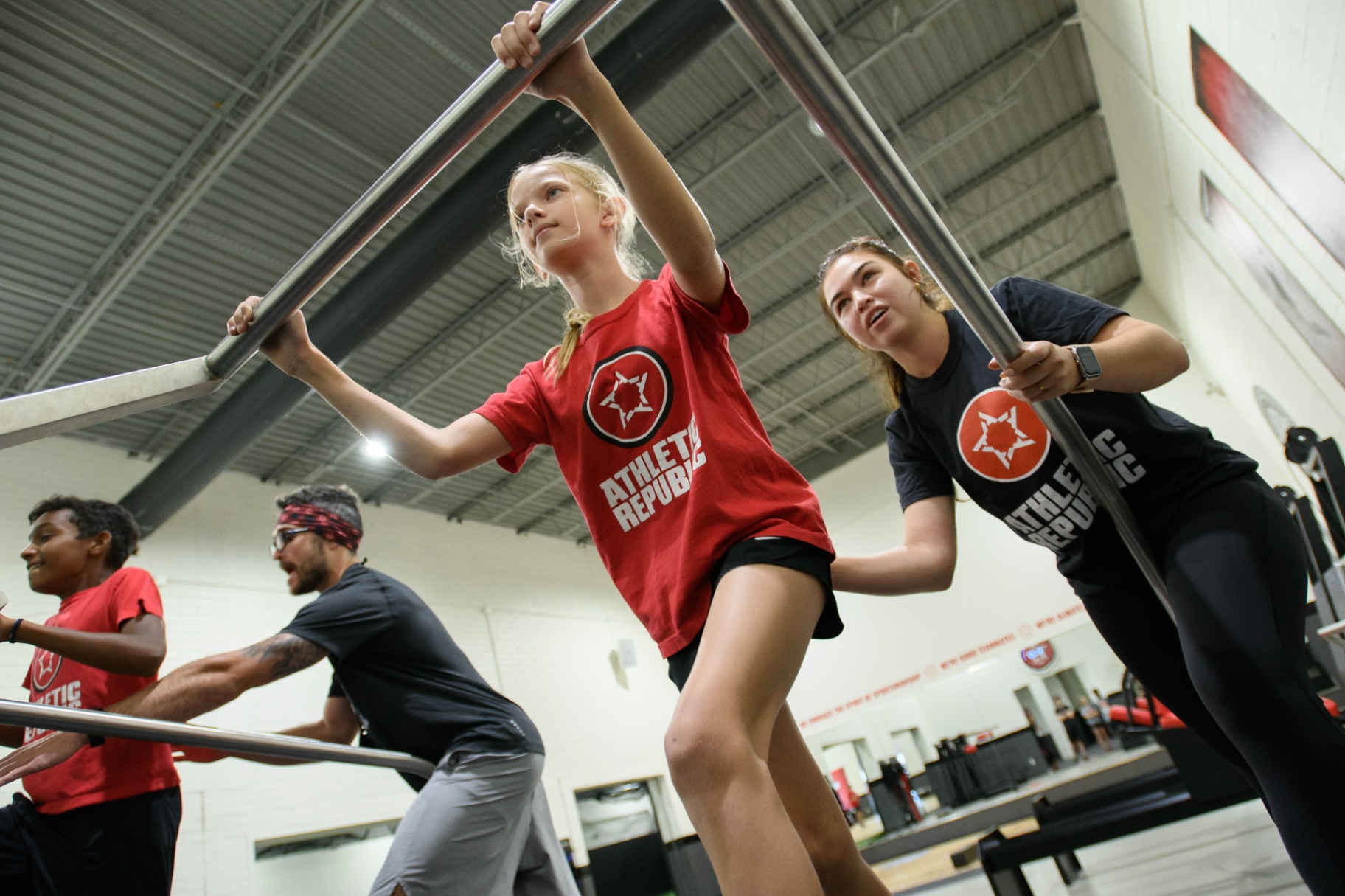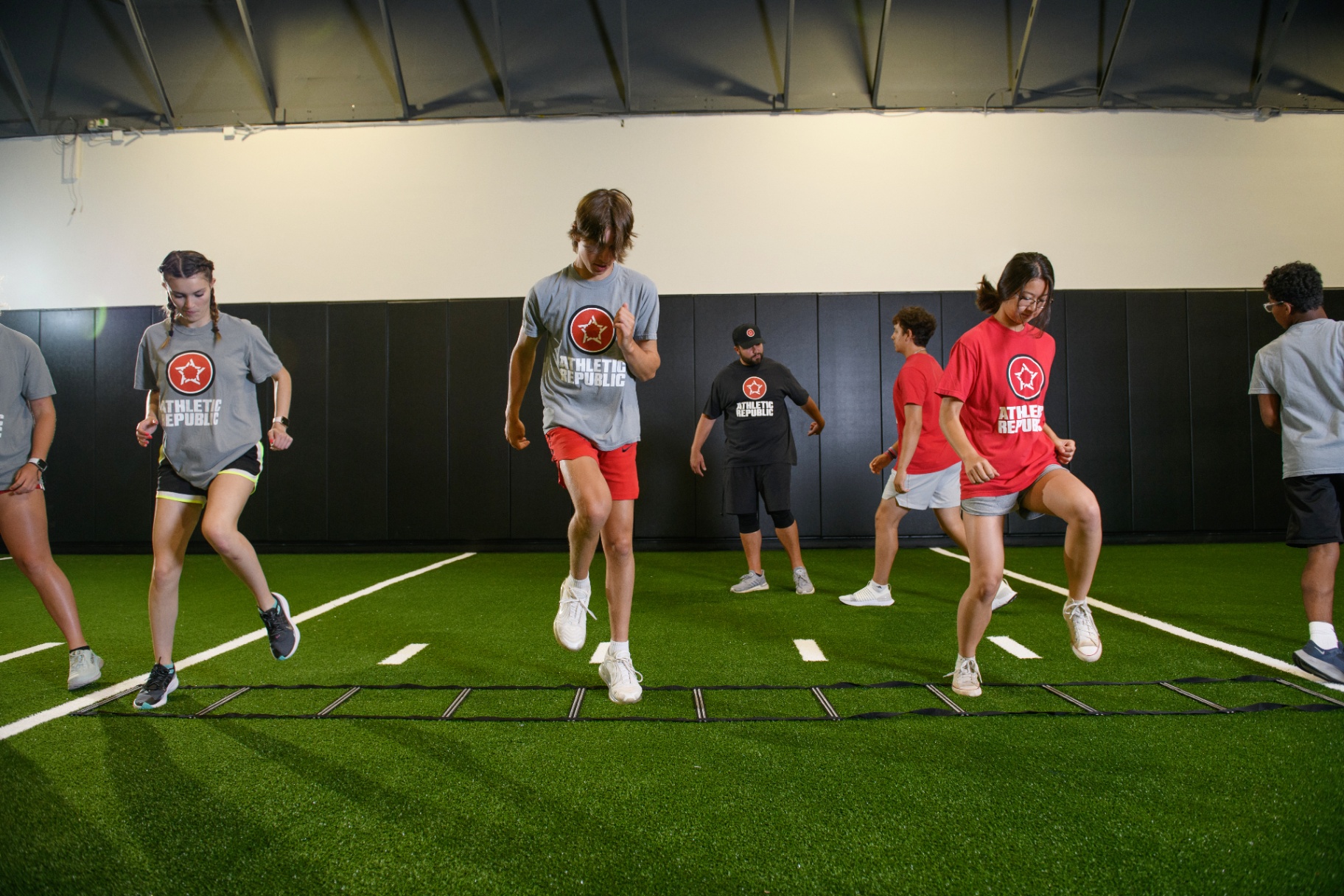
Your teenager just made the varsity team. They're dedicated, motivated, and ready to train harder than ever. But here's the million-dollar question every parent faces: should they stick with traditional gym workouts, or is there a better way to unlock their athletic potential?
The answer lies in understanding the difference between evidence-based training and conventional workout routines: and why one approach consistently produces superior results for teen athletes.
What Makes Training "Evidence-Based"?
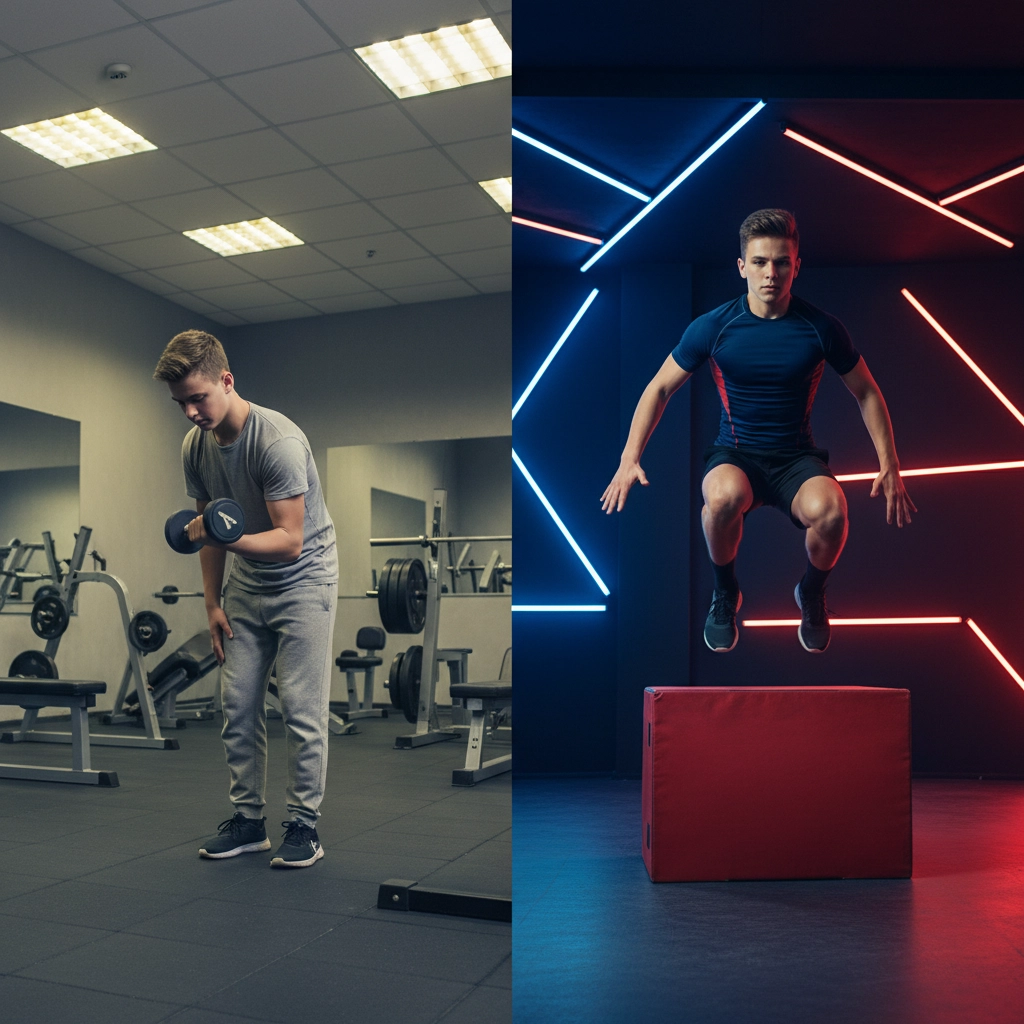
Evidence-based training isn't just a fancy term for modern workouts. It's a systematic approach grounded in sports science research that applies the principle of training specificity. This means every exercise, every rep, and every training session is designed to match the specific demands of your teen's sport.
Traditional workouts, on the other hand, often follow generic routines that might build general fitness but don't necessarily translate to improved athletic performance. Think of the difference between a one-size-fits-all approach versus a custom-tailored solution.
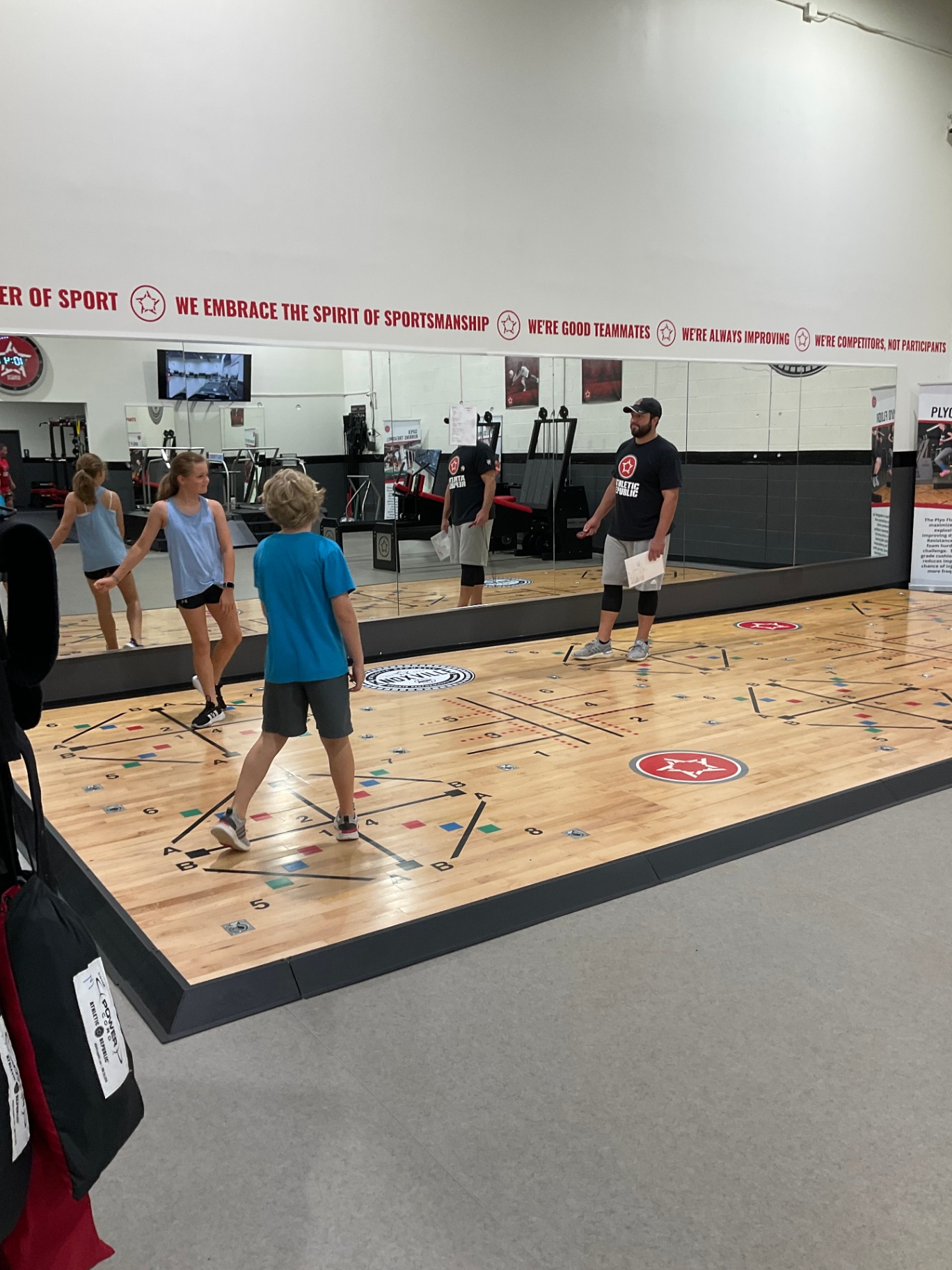
The Science Behind Superior Performance
Research consistently shows that evidence-based training produces measurably better results. Here's what the data tells us:
Strength and Power Development: Studies reveal that power training through plyometrics and Olympic weight lifting produces significantly greater improvements in jump performance, while properly programmed strength training optimizes sprint times. Free weight training shows the largest effect sizes (2.97) on muscular strength development in youth athletes.
Injury Prevention: This might be the most compelling statistic for any parent: properly supervised, evidence-based resistance training reduces sports-related injuries by 66-68% in youth athletes. That's not a small improvement; it's a game-changer for long-term athletic development.
Neural Adaptations: Teen athletes experience unique neural plasticity that evidence-based training leverages. Children and early adolescents show larger strength adaptations than older teens due to greater motor neuron recruitment potential: but only when training is designed to capitalize on this biological advantage.
Why Traditional Workouts Fall Short for Teen Athletes
Most traditional workout programs weren't designed with teen athletes in mind. They often miss three critical elements:
Lack of Sport Specificity: Generic routines don't account for the specific movement patterns, energy systems, and strength requirements of different sports. A basketball player's training needs differ dramatically from a soccer player's, yet traditional programs often ignore these distinctions.
Static Programming: Traditional workouts typically use fixed percentages or predetermined rep schemes that don't adapt to how an athlete feels or performs on any given day. This can lead to undertraining when an athlete is ready to push harder, or overtraining when they need to scale back.
Developmental Blindness: Most conventional programs don't account for the unique physiological changes happening during adolescence. Teen athletes aren't just small adults: their bodies are developing at different rates, requiring specialized programming approaches.
The Athletic Republic Difference: Where Science Meets Performance
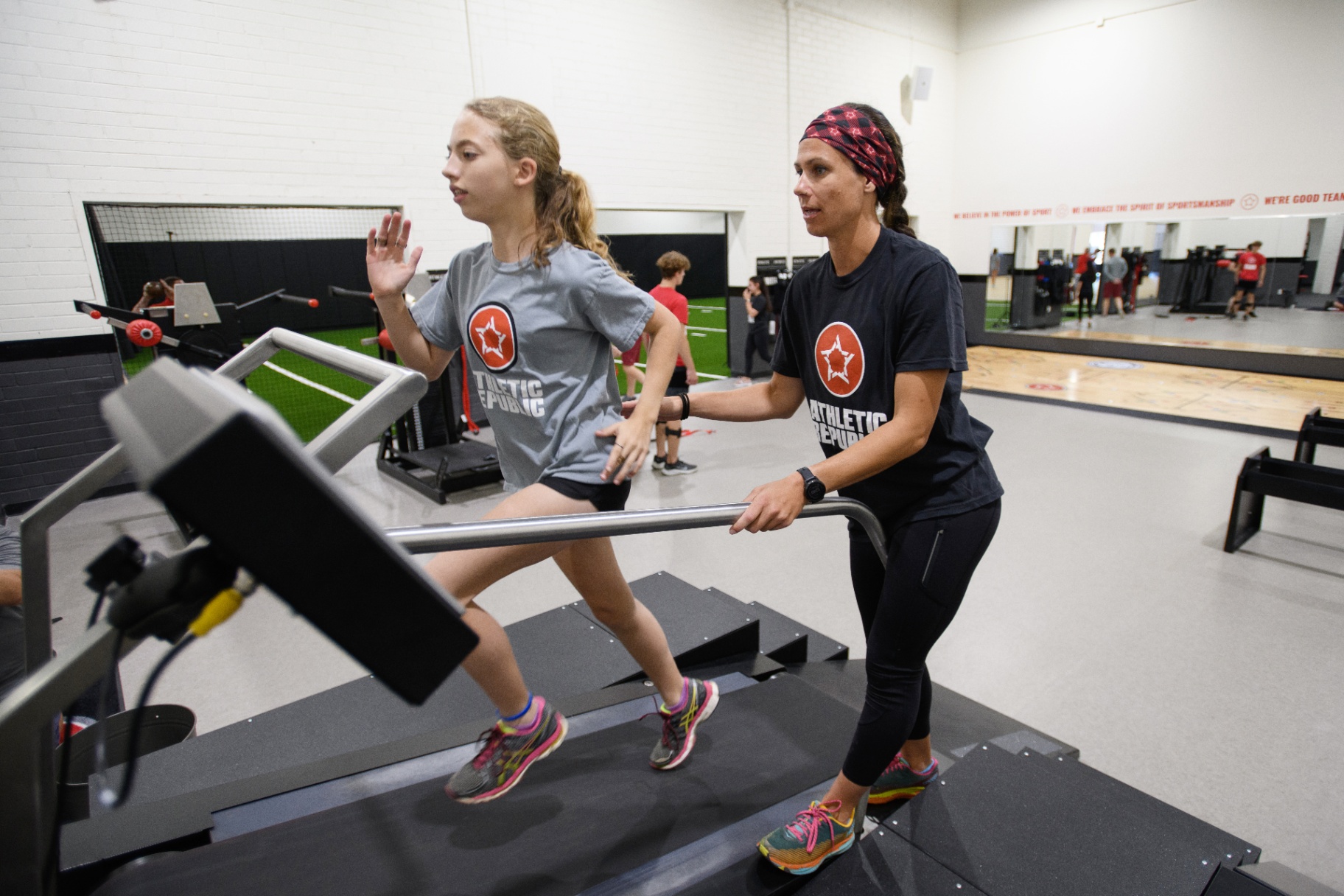
At Athletic Republic Knoxville, we don't guess: we measure, analyze, and adapt. Our evidence-based approach combines cutting-edge technology with proven sports science principles to create truly personalized training protocols for each teen athlete.
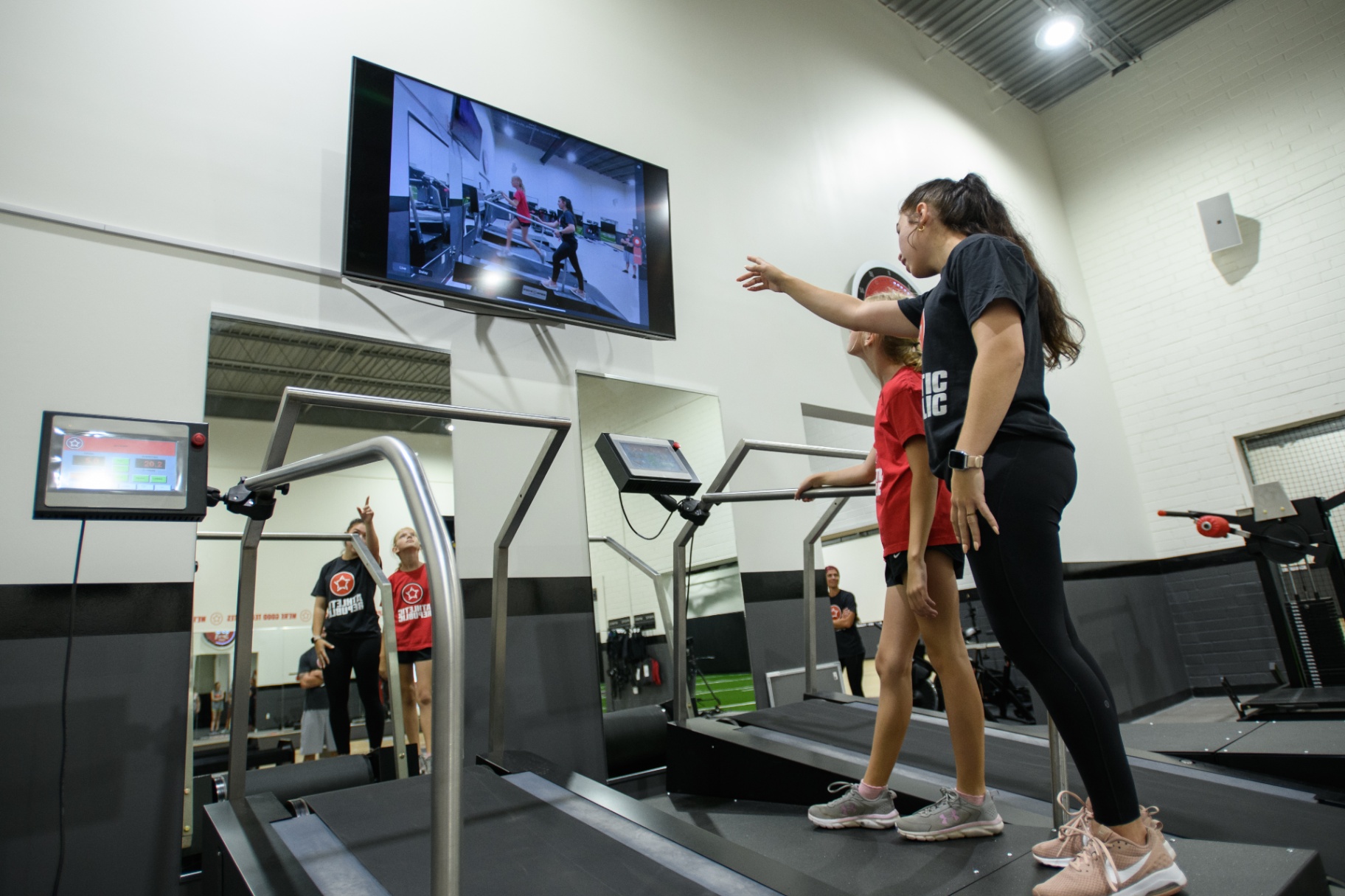
Real-Time Performance Tracking: Our high-speed treadmills and advanced monitoring systems provide immediate feedback on speed, power output, and running mechanics. This isn't just about collecting data: it's about using that information to make real-time adjustments that maximize each training session.
Velocity-Based Training (VBT): Instead of assuming your teen athlete is ready to lift the same percentage of their max every day, our VBT approach adapts loads based on actual movement speed and power output. This ensures optimal training stimulus while preventing overreaching.
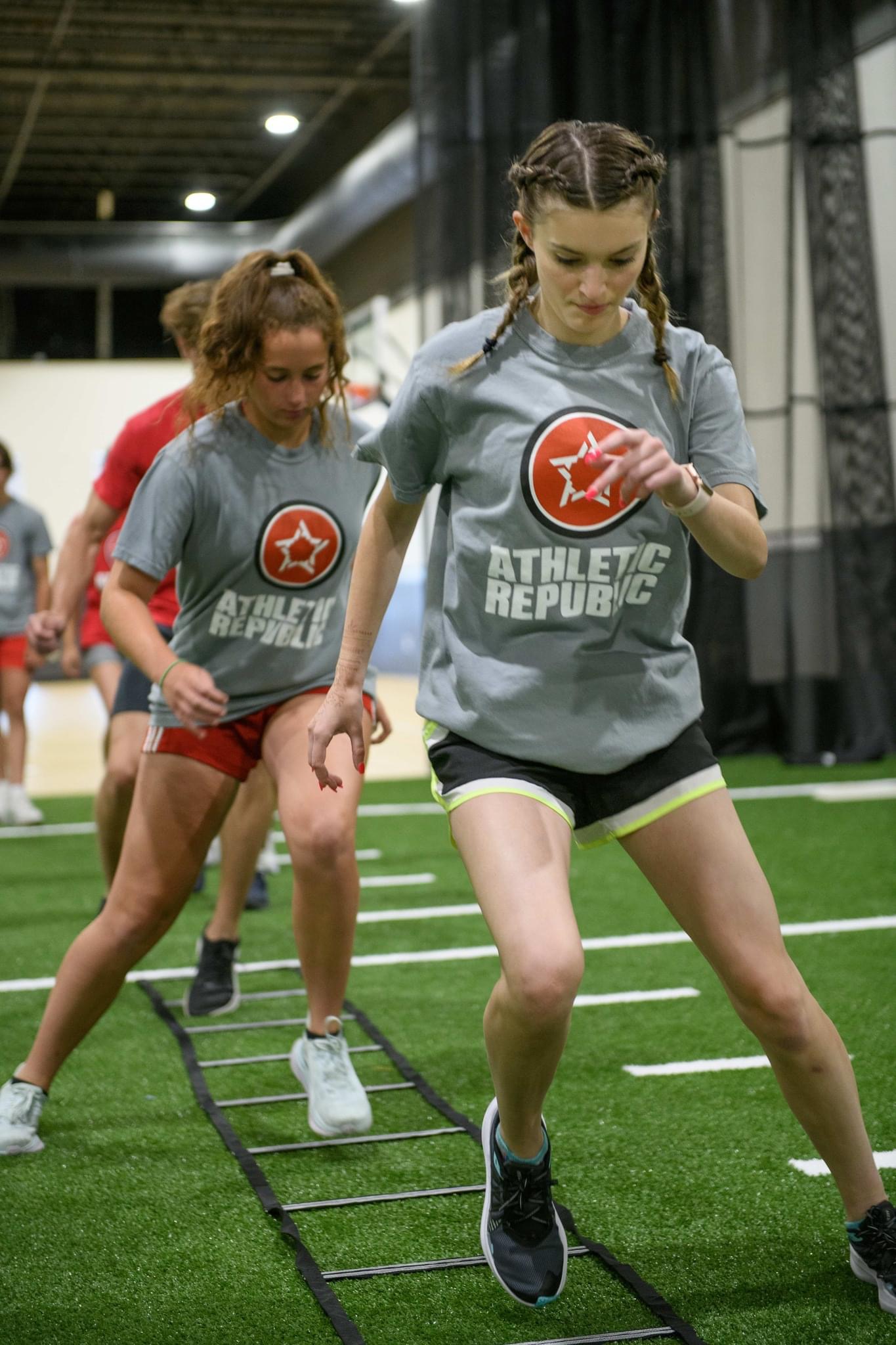
Three-Pillar System: Our programming integrates speed, strength, and conditioning in ways that complement rather than compete with each other. Every element is designed to enhance the others, creating compound benefits that traditional isolated training can't match.
Age-Specific Advantages for Teen Athletes
Teenagers occupy a unique window for athletic development, and evidence-based training is specifically designed to maximize this opportunity:
Neural Plasticity: Teen brains are still developing the neural pathways that control movement. Evidence-based training creates more efficient movement patterns that become ingrained for life, while traditional workouts often reinforce less optimal movement habits.
Hormonal Environment: Adolescence brings natural increases in growth hormone and other anabolic factors. Evidence-based programming times training stimuli to work with these hormonal changes rather than against them.
Injury Prevention During Growth: Rapid growth during adolescence can create imbalances and injury risk. Evidence-based training identifies and addresses these vulnerabilities proactively, while traditional workouts often overlook them entirely.
Measurable Results That Matter
The proof is in the performance improvements. Teen athletes training with evidence-based methods show:
- 23-34% greater strength gains compared to unsupervised traditional programs
- Significant improvements in sport-specific power measures within 8-12 weeks
- Reduced injury rates that keep athletes competing rather than recovering
- Better long-term athletic development that builds a foundation for collegiate and professional success
Beyond the Gym: Building Athletic Intelligence
Evidence-based training doesn't just build stronger, faster athletes: it develops athletic intelligence. Our teen athletes learn to understand their bodies, recognize the difference between good fatigue and harmful stress, and develop the self-awareness that separates good athletes from great ones.
This education component is often missing from traditional workout programs. We teach the "why" behind every exercise, helping young athletes become partners in their own development rather than passive participants.
Making the Right Choice for Your Teen Athlete
The evidence is clear: evidence-based training consistently outperforms traditional workout approaches for teen athletes. The combination of sport-specific programming, real-time adaptation, injury prevention protocols, and age-appropriate progression creates advantages that compound over time.
At Athletic Republic Knoxville, we've built our entire program around these evidence-based principles. Our certified trainers don't just count reps: they analyze movement quality, adjust programs based on real-time performance data, and ensure every training session moves your teen athlete closer to their goals.
Your teenager's athletic journey is too important to leave to chance. The training decisions you make today will impact their performance, injury risk, and long-term athletic success for years to come.
Ready to give your teen athlete the advantage that only evidence-based training can provide? Contact Athletic Republic Knoxville today to schedule an assessment and discover how our personalized, science-backed approach can unlock their full potential.
Because when it comes to your teen's athletic future, shouldn't you choose the approach backed by science rather than tradition?