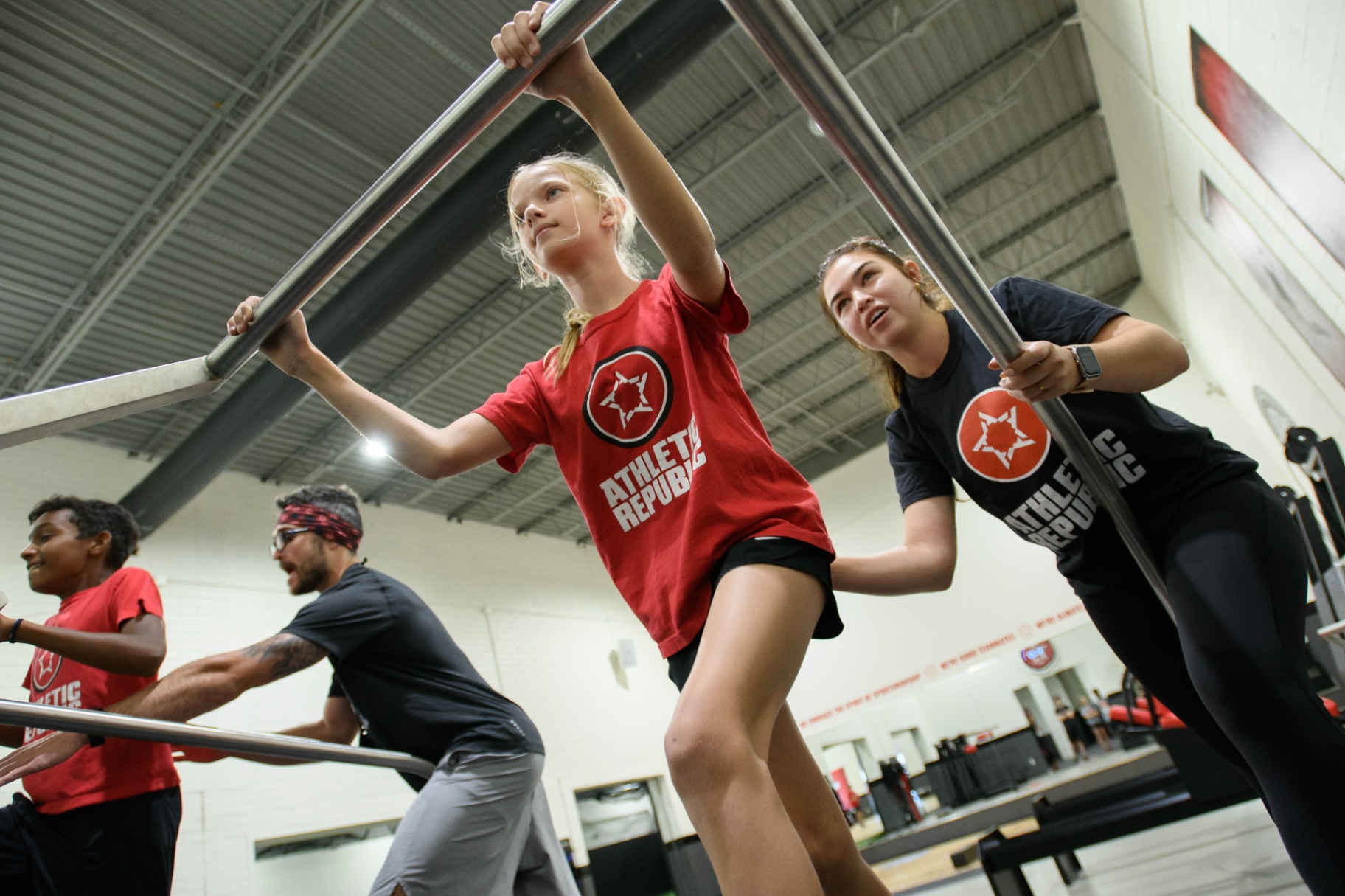
If you're a parent of a young athlete, you've probably asked yourself this question at least once: "How much speed training is enough?" Maybe you've wondered if your kid is doing too little: or too much. It's a fair concern. Between school, team practices, games, and just being a kid, finding the right balance can feel like solving a puzzle with missing pieces.
Here's the good news: there's actually a pretty straightforward answer. And once you understand the reasoning behind it, you'll feel a lot more confident about your young athlete's training schedule.
Let's break it down.
The Short Answer: Quality Over Quantity
For most young athletes, two dedicated speed training sessions per week is the sweet spot. These sessions don't need to be marathon workouts either: effective speed drills can take less than 10 minutes when done correctly.
The key isn't about cramming in as many sessions as possible. It's about consistency, proper technique, and allowing the body to recover and adapt between sessions. When speed work is done right, those two weekly sessions can deliver incredible results over time.
Why Two Sessions Per Week Works
Young athletes are still developing: physically, mentally, and neurologically. Their bodies respond differently to training than adult athletes. Here's why a twice-weekly approach makes sense:
1. Nervous System Development
Speed isn't just about leg strength. It's largely a neurological skill. When your child practices sprinting or agility drills, their brain and nervous system are learning to fire muscle fibers faster and more efficiently. This process takes time and repetition: but also recovery.
Too many sessions can overwhelm a developing nervous system, leading to diminished returns or even regression. Two quality sessions give the body time to adapt and improve.
2. Injury Prevention
Overtraining is one of the leading causes of injury in youth sports. Young muscles, tendons, and growth plates are more vulnerable than those of adult athletes. By keeping speed-specific training to twice a week, you reduce the risk of overuse injuries while still making meaningful progress.
3. Room for Other Activities
Most young athletes aren't just training for speed: they're also attending team practices, playing games, and often participating in multiple sports. Two dedicated speed sessions fit neatly into a busy schedule without overwhelming it.
What Should Those Sessions Look Like?
Not all speed training is created equal. A well-designed session for a young athlete should include:
- Dynamic warm-up (5-10 minutes)
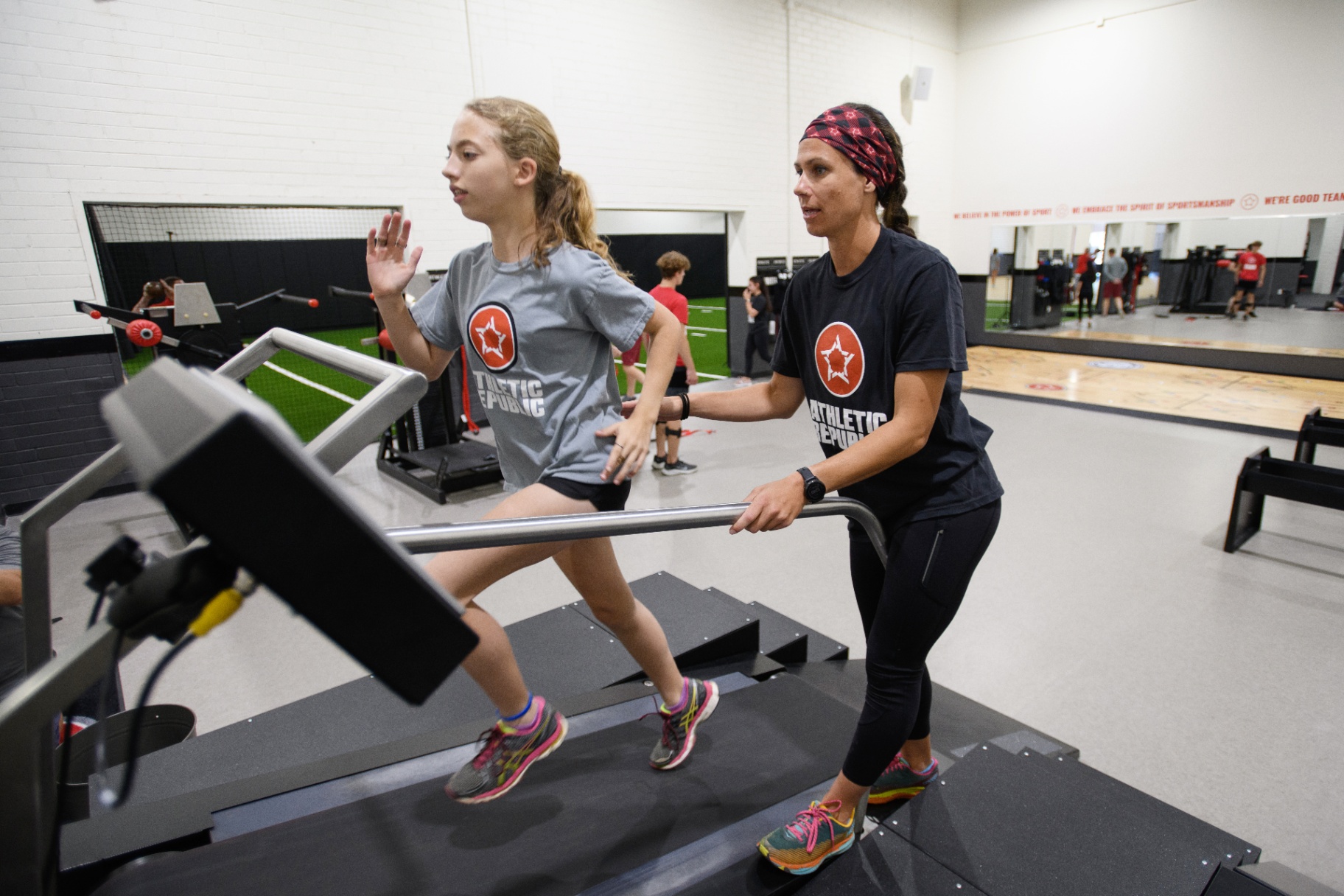
- Technique-focused drills (proper running mechanics, arm swing, foot strike)
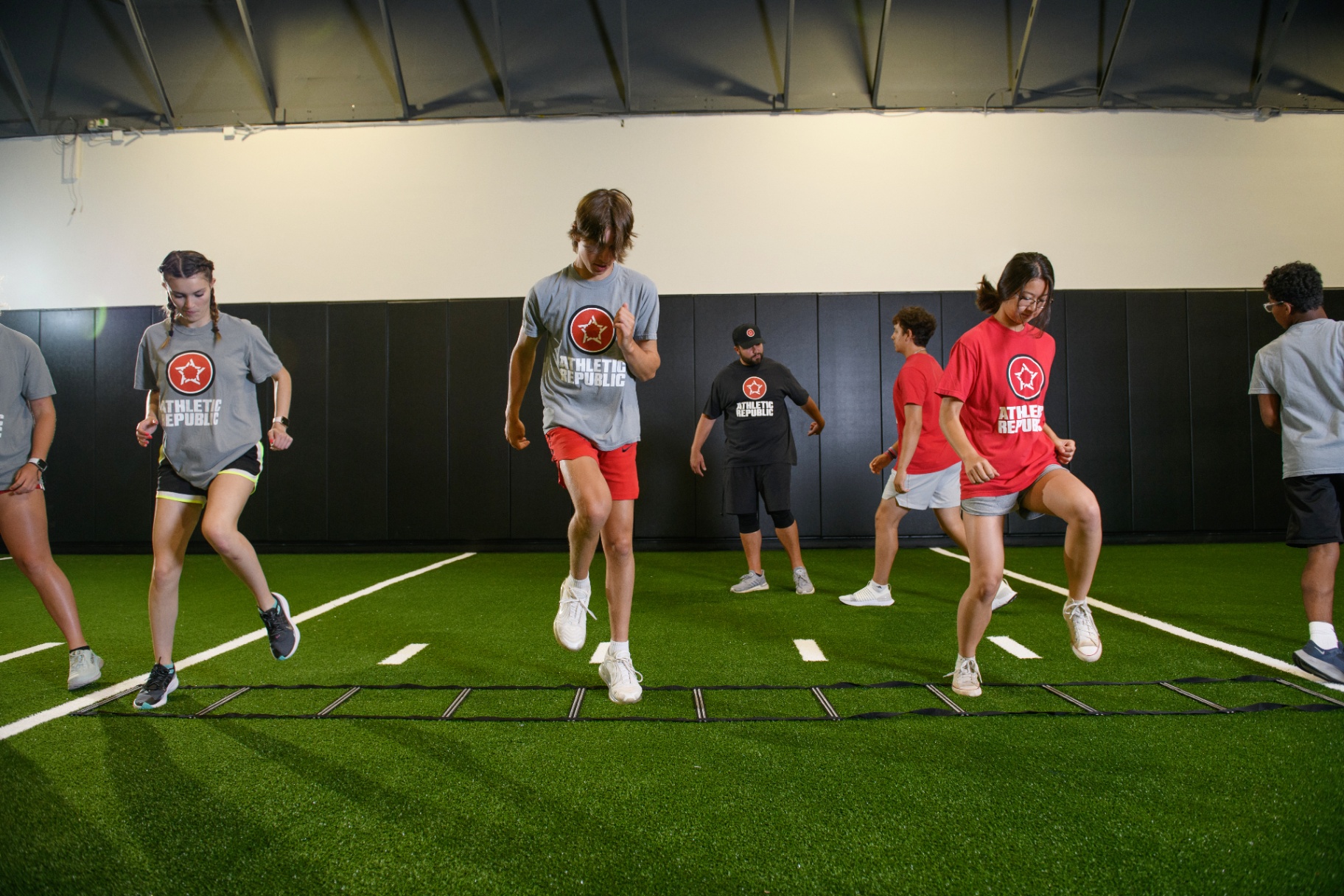
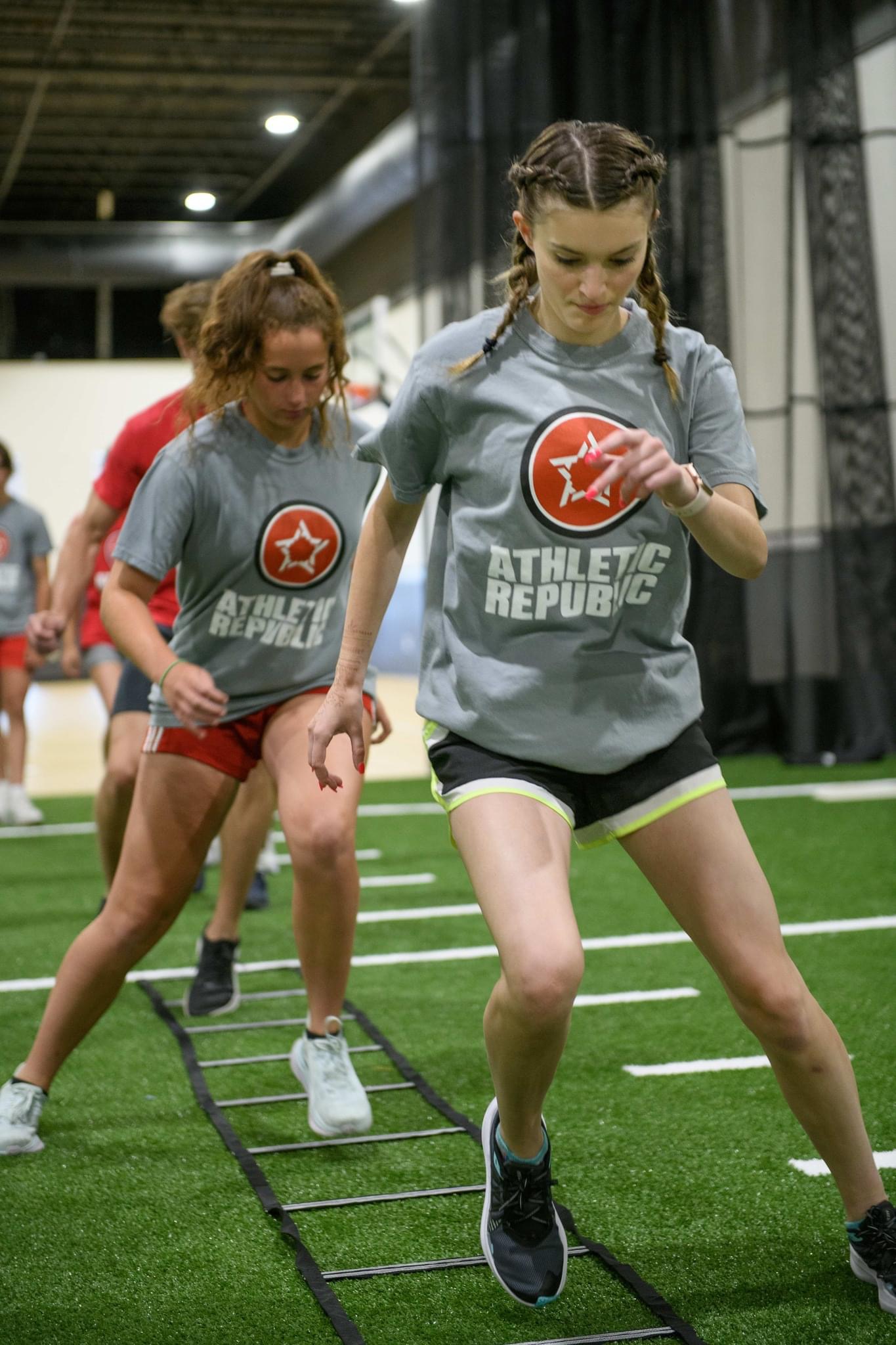
- Short bursts of speed work (10-30 yard sprints, agility ladder work, cone drills)
- Adequate rest between efforts (speed training requires full recovery between reps)
- Cool-down and mobility work
The goal isn't to exhaust your young athlete. It's to teach their body how to move efficiently and explosively. When technique is prioritized, speed gains follow naturally.
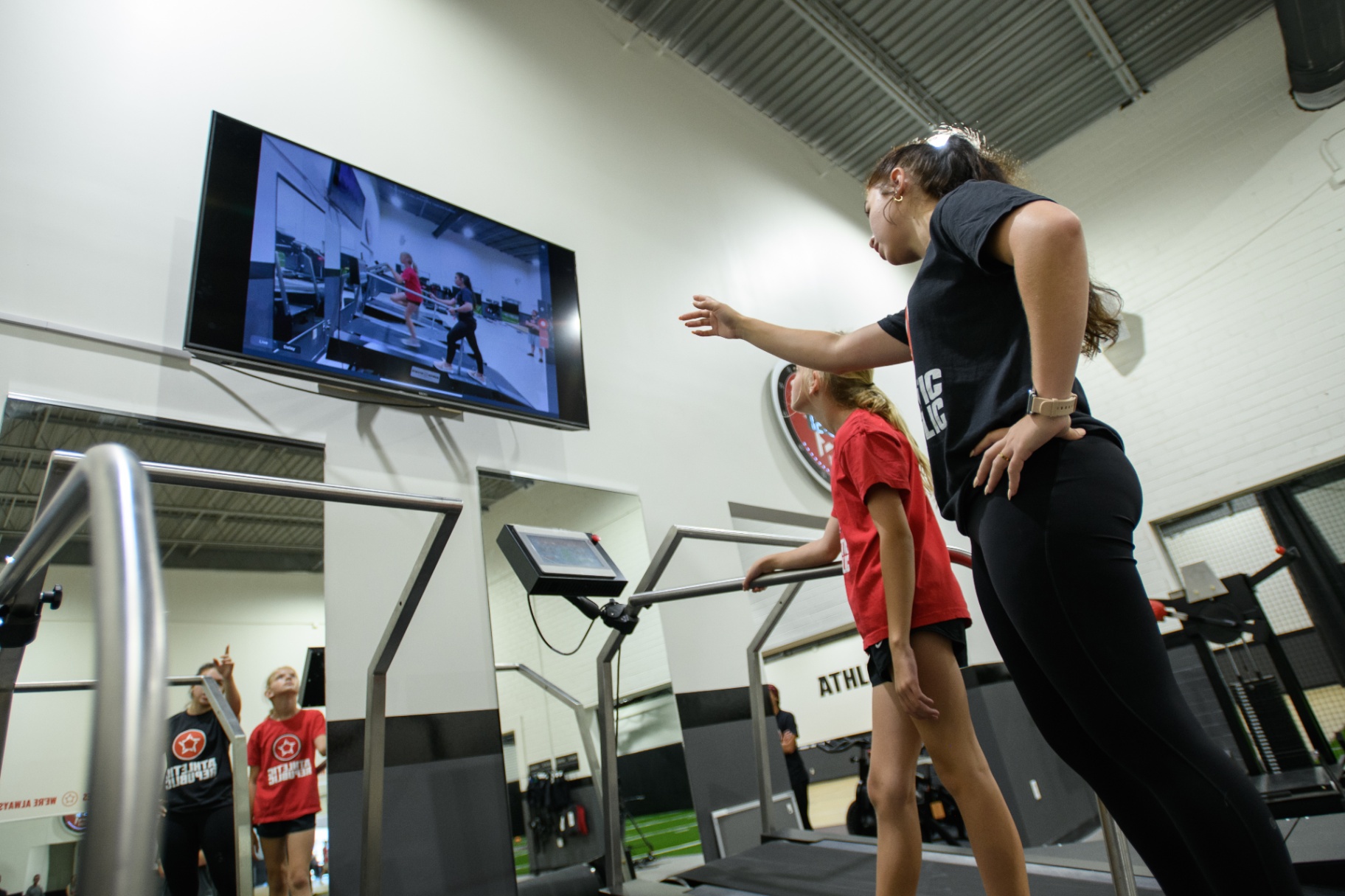
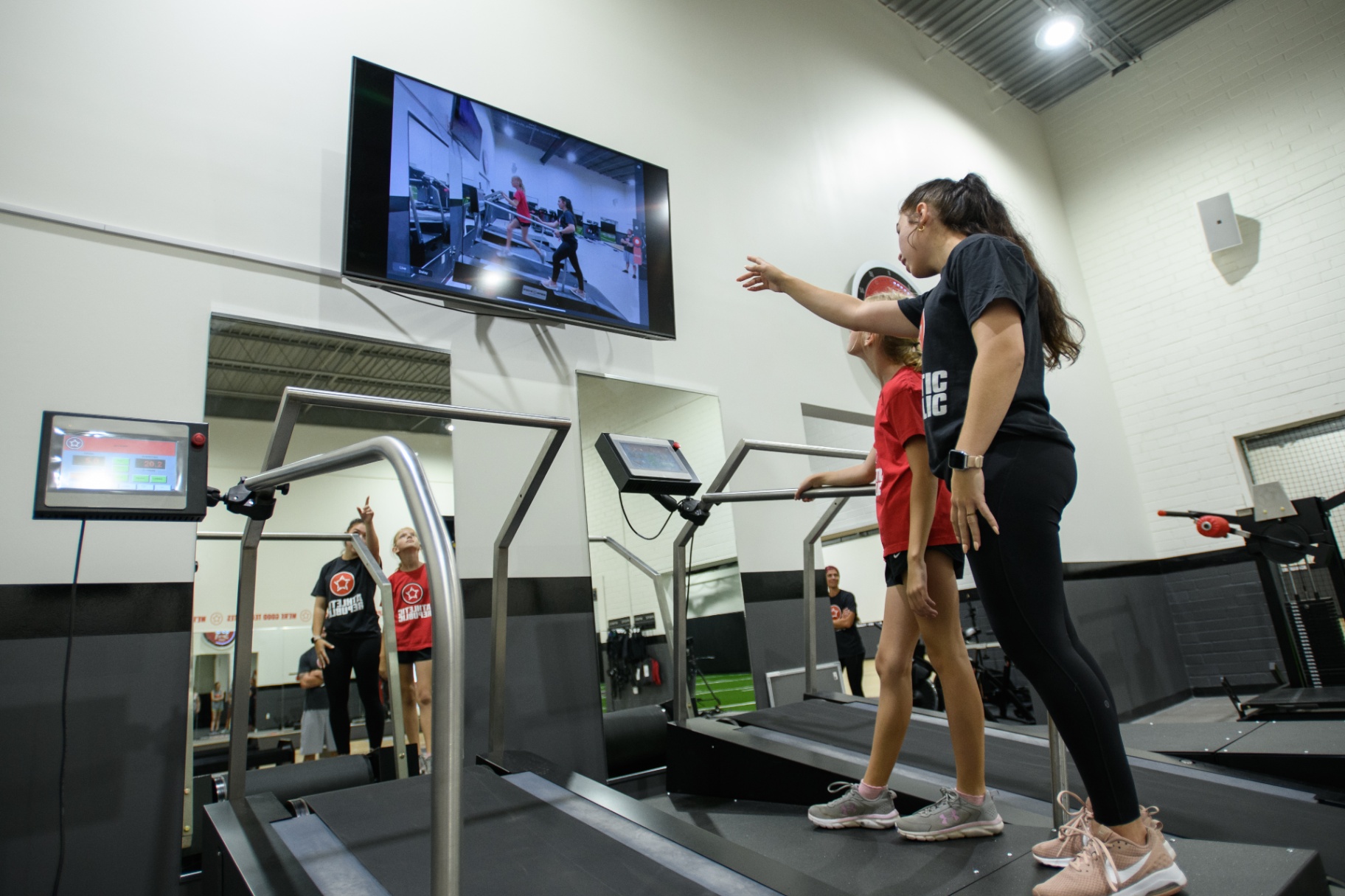
At Athletic Republic Knoxville, our certified trainers use video feedback and real-time analysis to help young athletes perfect their form. This technology-driven approach ensures that every rep counts: and that athletes aren't just working hard, but working smart.
Factors That Might Change the Equation
While two sessions per week is a solid baseline, the ideal frequency can vary based on several factors:
Age and Development Stage
Younger athletes (ages 8-12) benefit most from foundational movement skills and play-based speed activities. As athletes mature into their teenage years, they can typically handle slightly more volume and intensity: but the focus should still be on quality.
Sport-Specific Demands
A soccer player might need more lateral agility work, while a football player might focus on straight-line acceleration. The type of speed training matters just as much as the frequency.
Current Training Load
If your young athlete is in-season with multiple practices and games per week, one dedicated speed session might be plenty. During the off-season, bumping up to two or even three sessions could be appropriate.
For more on balancing training during the competitive season, check out our guide on in-season sports training.
Individual Recovery Capacity
Every athlete is different. Some kids bounce back quickly; others need more rest. Pay attention to signs of fatigue, decreased performance, or mood changes: these can all indicate that recovery isn't keeping pace with training.
Signs Your Young Athlete Might Be Overtraining
It's tempting to think that more is always better. But when it comes to youth speed training, that's simply not true. Watch for these warning signs:
- Persistent fatigue that doesn't improve with rest
- Declining performance despite consistent training
- Increased injuries or nagging aches and pains
- Loss of enthusiasm for training or competition
- Sleep disturbances or changes in appetite
- Irritability or mood swings
If you notice any of these, it might be time to scale back and reassess the training schedule. Remember, rest is when the body actually gets faster and stronger.
The Year-Round Approach
Here's something many parents don't realize: speed training shouldn't be seasonal. Working on speed drills weekly, year-round, produces the best long-term results.
That doesn't mean your young athlete needs to train at high intensity 52 weeks a year. Instead, think of it as maintaining a consistent practice of movement skills and speed development: with the intensity and volume adjusted based on the time of year and competitive schedule.
During the off-season, there's more room to build speed and address weaknesses. During the season, the focus shifts to maintaining gains while managing overall fatigue.
Why Coaching Matters
You can find speed drills on YouTube. But there's a massive difference between doing drills and doing them correctly.
Poor technique doesn't just limit results: it can actually create bad habits that are hard to break later. This is why working with qualified coaches who understand youth athletic development is so valuable.
At Athletic Republic Knoxville, our trainers specialize in evidence-based, personalized training that meets each athlete where they are. We use data and technology to track progress and adjust programs: not guesswork.
The Bottom Line
So, how many speed training sessions does your young athlete really need? For most kids, two quality sessions per week is the magic number. Keep sessions focused on technique, allow adequate recovery, and stay consistent throughout the year.
More isn't always better: but smarter always is.
If you're ready to take your young athlete's speed to the next level with a structured, science-backed program, we'd love to help. Our student athlete training program is designed specifically for developing athletes who want to get faster, stronger, and more confident in their sport.
Because at the end of the day, it's not just about winning races. It's about building a foundation for lifelong athletic success: and having fun along the way.