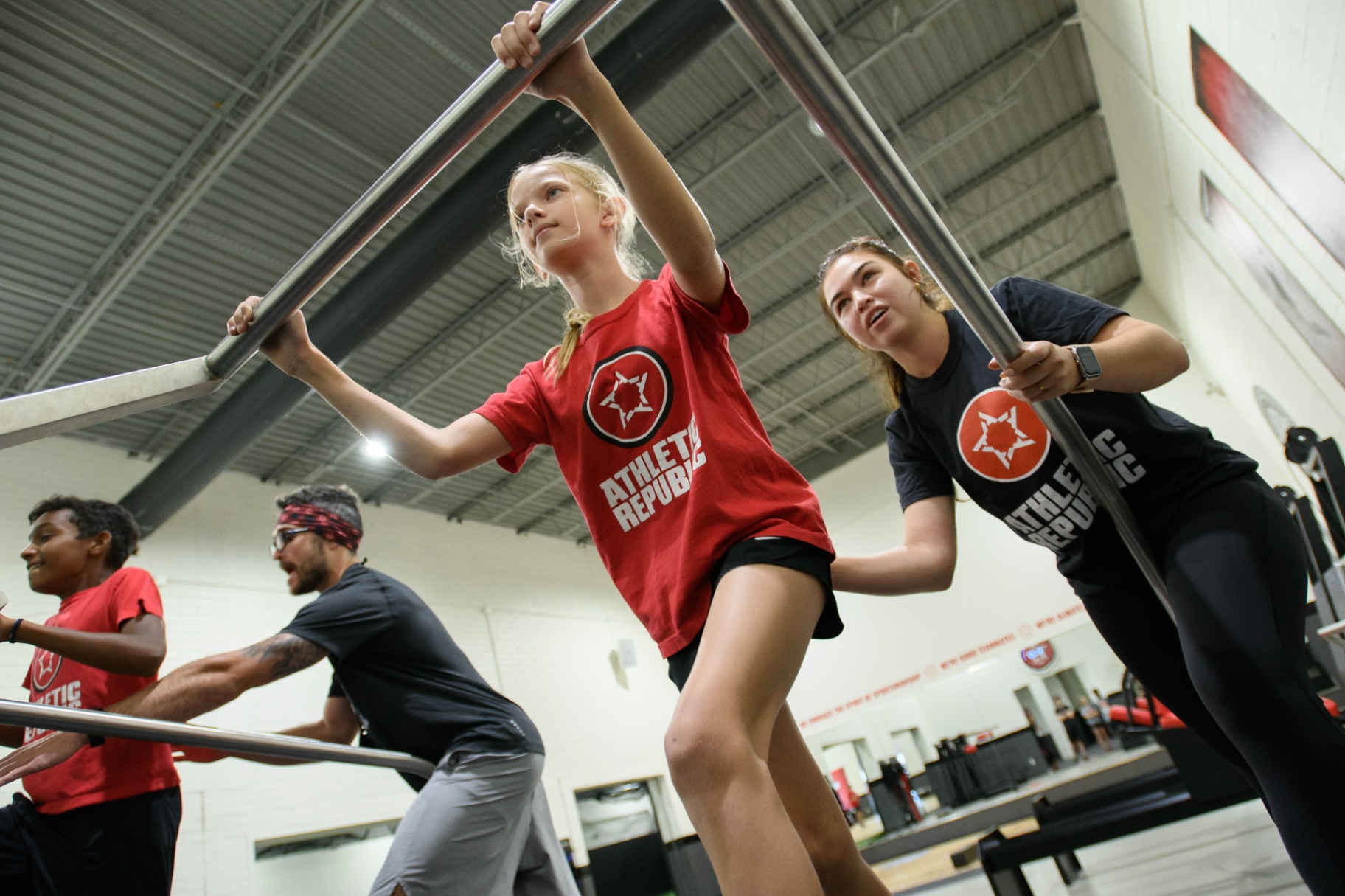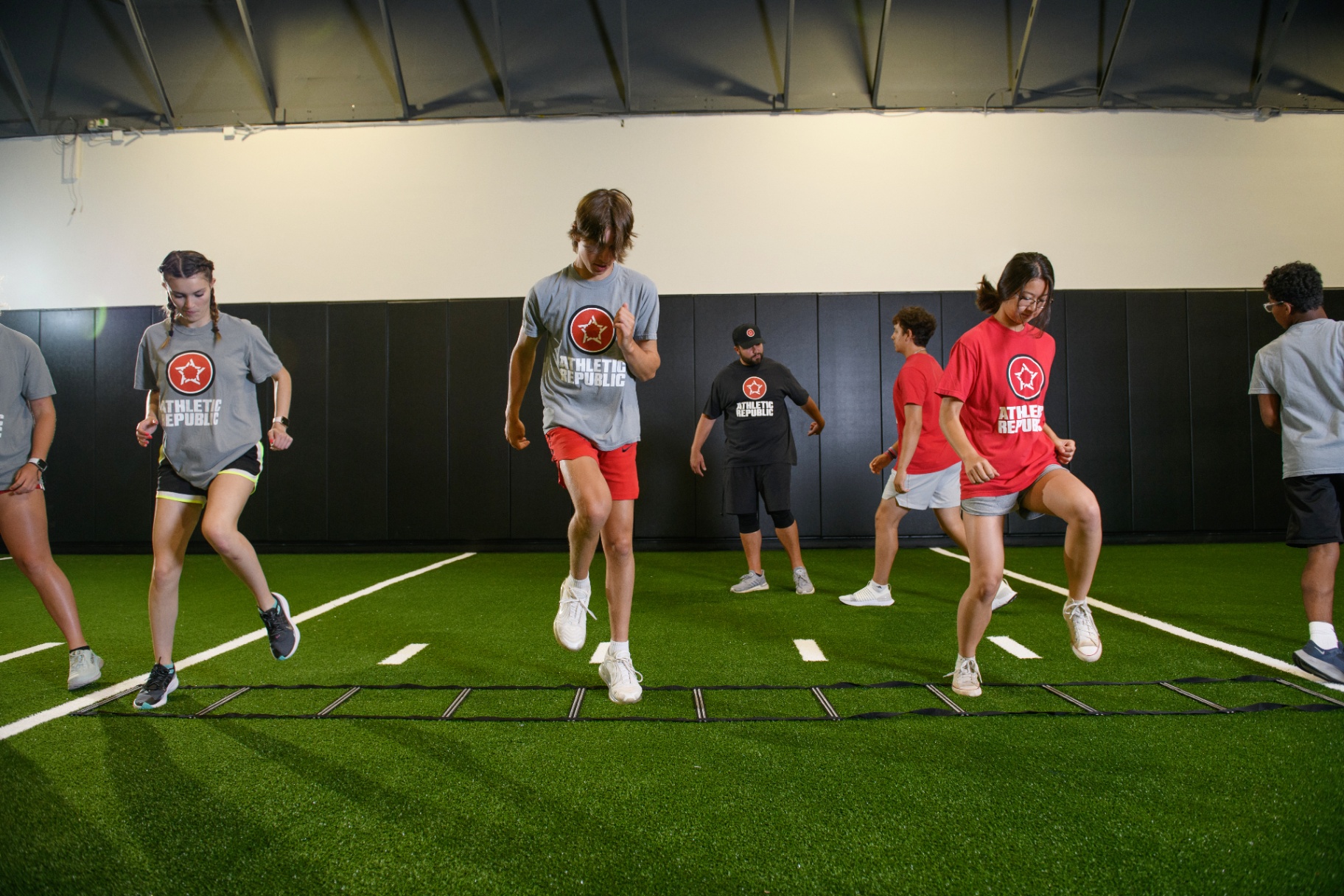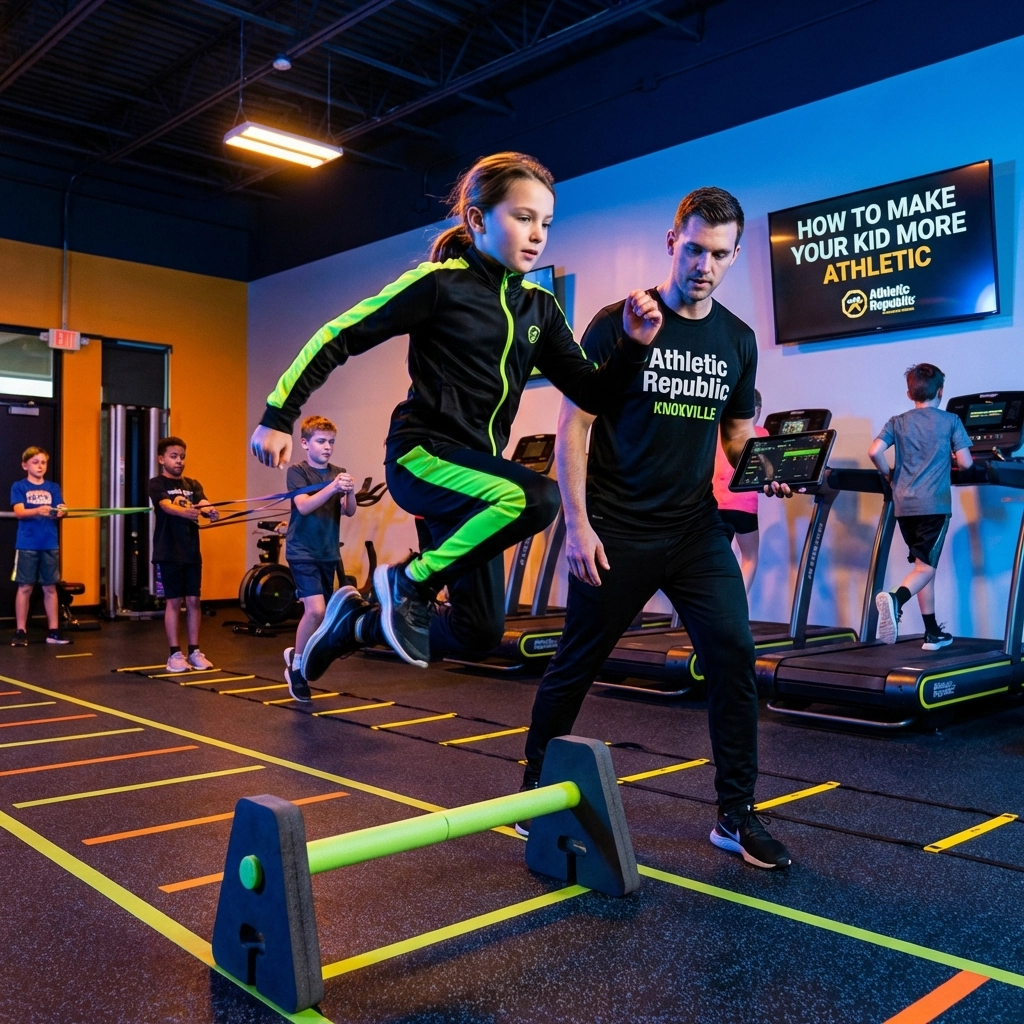
Let's be honest: watching your child struggle on the field or court while other kids seem to move effortlessly is tough. Maybe they're a step slower than their teammates, their coordination isn't quite there yet, or their confidence has taken a hit after sitting on the bench one too many times.
If you've found yourself typing "how to make my kid more athletic" into Google at 11 PM, you're not alone. And here's the good news: athleticism isn't something you're simply born with or without. It's a set of skills that can be developed, trained, and improved: at any starting point.
This guide is for parents who want realistic, evidence-based strategies to help their young athlete grow stronger, faster, and more confident. We'll also show you how Athletic Republic Knoxville's proven protocols are designed to support every kid, not just the ones who seem naturally gifted.
First, Let's Reframe What "Athletic" Really Means
Before diving into strategies, it's worth taking a step back. Being "athletic" isn't about being the fastest kid on the team right now: it's about developing foundational movement skills, coordination, body awareness, and the confidence to keep trying.
Some kids hit growth spurts earlier. Some have been playing organized sports since age four. Comparing your child to their peers at this moment is like comparing rough drafts to finished papers. Development takes time, and every child is on their own timeline.
The real goal? Give your child the tools to enjoy movement, stay healthy, and reach their personal potential. That's a win at any level.
Age-Appropriate Development: Meeting Your Child Where They Are
One of the biggest mistakes parents make is pushing training that's too advanced or intense for their child's developmental stage. Here's what actually works at each age:
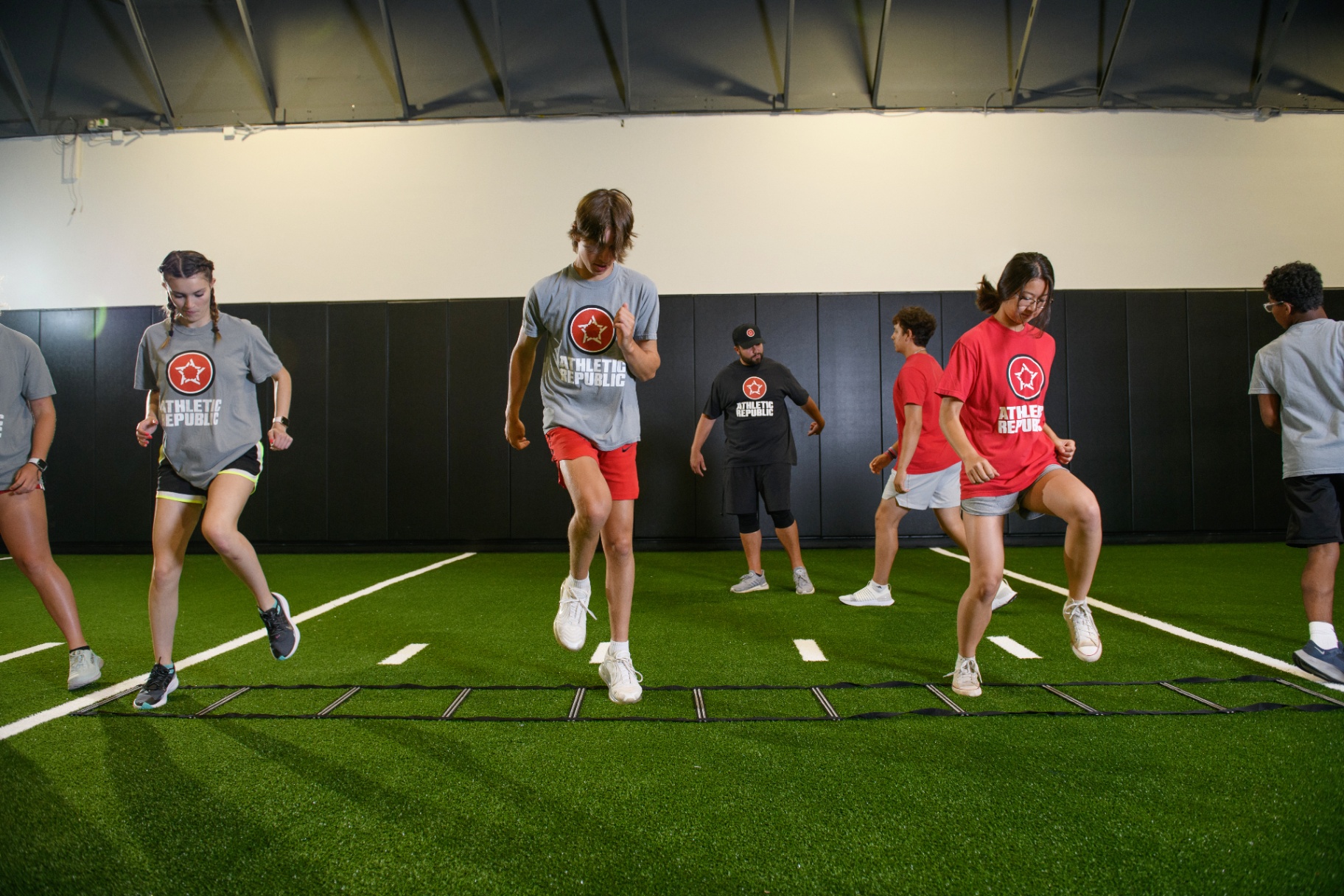
Ages 6-8: Building Foundations
At this stage, it's all about fundamental motor skills: running, jumping, throwing, kicking, balancing, and hopping. Free play and exploration should take priority over structured drills or intense competition. Think playground time, backyard games, and trying different activities just for fun.
Ages 8-11: Developing General Athleticism
This is the golden window for building strength, speed, agility, coordination, and balance through diverse activities. Multi-sport participation is key here. Kids who play soccer, basketball, and swim develop more well-rounded athletic abilities than those who specialize in one sport too early.
Object control skills: throwing with accuracy, catching consistently, dribbling with control: become increasingly important during this phase.
Ages 12-15: Increasing Intensity
Now you can gradually increase training intensity while still maintaining variety. School sports participation and conditioning work make sense here, but early specialization should still be avoided. The goal is building a broad athletic base that will serve them in whatever sport they ultimately choose.
Realistic Strategies You Can Start Today
You don't need expensive equipment or a private coach to start helping your child become more athletic. Here are practical steps you can take right now:
1. Prioritize Variety Over Specialization
Research consistently shows that kids who play multiple sports develop better overall athleticism than those who specialize early. Different sports develop different movement patterns: basketball builds lateral quickness, swimming develops body awareness, soccer improves endurance and footwork.
Encourage your child to try new activities, even ones they're not immediately good at. The discomfort of learning something new is exactly where growth happens.
2. Make Movement Fun (Not a Chore)
If your child dreads practice or training, something needs to change. At younger ages especially, play-based movement is more effective than structured drills. Backyard obstacle courses, tag games, climbing at the park: these activities build athleticism without feeling like work.
3. Focus on Effort, Not Results
Your attitude toward sports and competition significantly shapes your child's relationship with athletics. Praise the effort, not just the outcome. Celebrate improvement, not just wins. When kids feel safe to fail, they're more willing to push themselves.
4. Support Recovery and Nutrition
This one gets overlooked constantly. Adequate sleep, balanced nutrition, and downtime are essential for athletic development. Overtraining is counterproductive and can actually slow progress. Young athletes need rest between training sessions to let their bodies adapt and grow stronger.
5. Emphasize Proper Progression
Skills should be mastered at one level before advancing to the next. Rushing through progressions leads to poor technique, frustration, and sometimes injury. Patience here pays off exponentially down the road.
When At-Home Strategies Aren't Enough
Sometimes kids need more structured support than parents can provide at home: and that's completely okay. If your child is struggling with coordination, consistently falling behind in speed, or losing confidence despite your best efforts, it might be time to bring in professionals who specialize in youth athletic development.
This is where evidence-based training programs make a real difference.
How Athletic Republic Knoxville Helps Every Young Athlete
At Athletic Republic Knoxville, our protocols are specifically designed to develop athleticism in all kids: not just the ones who are already ahead. Here's what makes our approach different:
Individualized Assessment and Training Plans
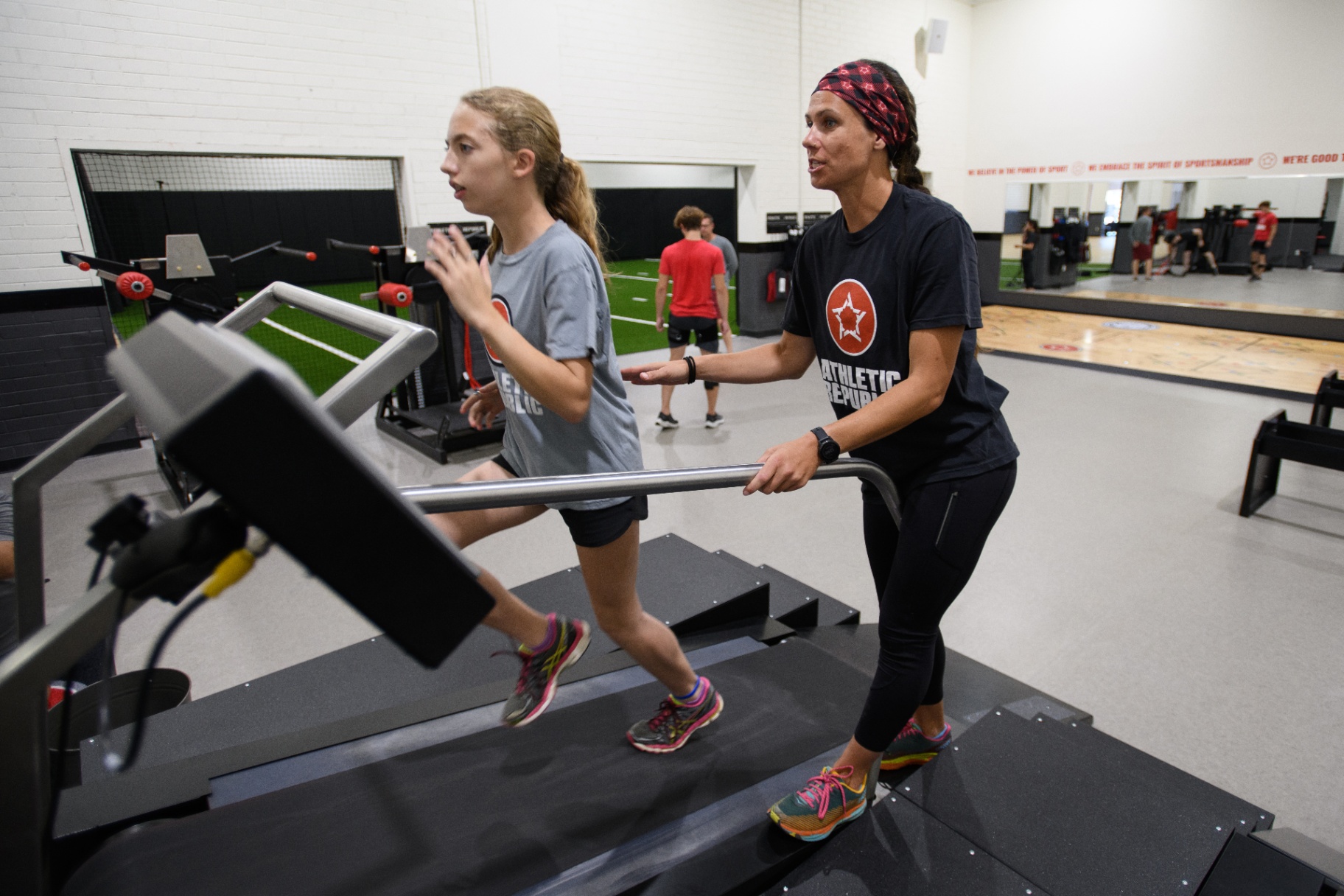
Every young athlete who walks through our doors gets a thorough movement analysis. Our certified trainers identify specific areas for improvement: whether that's running mechanics, coordination, reaction time, or strength: and create a personalized plan to address them.
We don't believe in one-size-fits-all training. Your child's program is built around their unique starting point and goals.
Science-Backed Progressions
We break down complex movements into manageable steps and ensure proper form is established before building speed, strength, and complexity. This approach builds competence and confidence simultaneously.
Our trainers know exactly when a child is ready to progress to the next level: and when they need more time at the current one. No rushing, no skipping steps.
Technology That Accelerates Learning
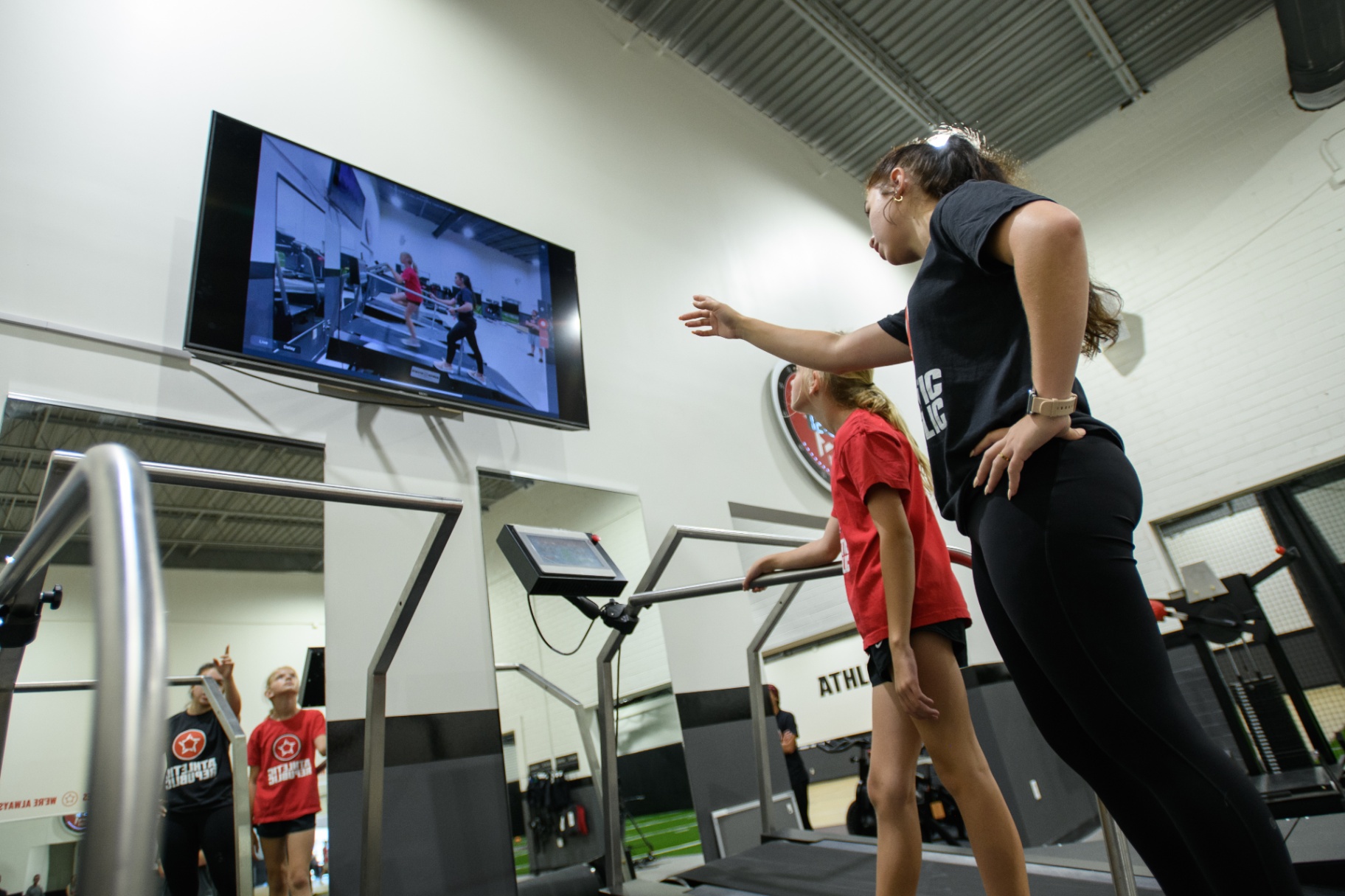
Our facility uses specialized equipment including high-speed treadmills and video feedback systems that let athletes see their form in real-time. This immediate visual feedback helps kids understand and correct their movement patterns much faster than traditional coaching alone.
A Supportive Environment for All Skill Levels
Here's what matters most: we create an environment where kids feel supported regardless of where they're starting. Our training sessions are designed with young athletes in mind, using age-appropriate equipment and coaching methods that keep kids engaged and motivated.
We're not here to only create professional athletes. We're helping kids build the physical literacy, confidence, and love of movement that will serve them for life: whatever path they choose.
What Parents Are Really Asking
When parents search "how to make my kid more athletic," they're usually asking something deeper: How do I help my child feel confident in their body? How do I set them up for success? Am I doing enough?
The answer is that you're already on the right track by seeking information and solutions. Athleticism can be developed. Your child's current struggles don't define their future potential.
With the right approach: age-appropriate development, variety over specialization, proper progression, and professional support when needed: every young athlete can improve.
Ready to Help Your Child Reach Their Potential?
If you're in the Knoxville area and want to give your child the structured, supportive training environment they need to develop real athleticism, we'd love to meet you. Learn more about our youth athlete training programs or visit our website to schedule an assessment.
Every athlete starts somewhere. Let's help your child find their starting line.