A soccer player cuts into open space. A basketball guard slides to stay in front of an opponent. A baseball outfielder reacts and takes off toward a fly ball. Different sports, different skills, but each moment asks the athlete to move quickly, control their body, and respond to what’s happening around them.
That’s the idea behind the second-sport advantage. Playing more than one sport can give young athletes varied movement experiences, while purposeful training in speed, agility, and power helps build a physical foundation they can use wherever they compete.
At Athletic Republic Knoxville, the Acceleration program is designed to develop that foundation. It can help athletes prepare for the demands of competition, but it can’t promise a starting spot or playing time. Those decisions depend on many factors, including sport-specific skill, team needs, effort, and a coach’s judgment.
What athletes can carry from one sport to another
A second sport won’t automatically make someone better at their primary sport. The value is often in the range of movement challenges an athlete experiences.
A volleyball player may practice reacting and jumping. A soccer player may work on repeated accelerations and changing direction. A basketball player may build balance while moving in close traffic. Those experiences are not interchangeable, but they can help an athlete become more comfortable moving in different ways.
Research supports a measured version of this idea. A systematic review of skill transfer between sports found that transfer is more likely when activities share similar movement or decision-making demands. In other words, a skill doesn’t magically transfer to every sport, but varied experiences can offer useful building blocks, especially when athletes also learn the specific skills their primary sport requires.
That’s why general athleticism matters. Being able to accelerate, decelerate, change direction, and stay balanced can support many sport-specific situations. The athlete still needs to learn their sport. But a stronger movement base can give them more options when the game gets fast.
Multi-sport isn’t a shortcut, and it isn’t one-size-fits-all
For many young athletes, playing different sports across the year can offer variety and a welcome change from repeating the same movement patterns season after season. It can also help keep sports enjoyable. But playing multiple sports does not mean taking on more teams, more practices, and more pressure all at once.
A systematic review and meta-analysis of youth athletes found that athletes classified as more specialized had a higher risk of injury than sport samplers in the studies reviewed. That finding is useful context, not a prediction about any one athlete. Training load, recovery, growth, previous injuries, and coaching all matter.
The American Medical Society for Sports Medicine also emphasizes the importance of managing workload, allowing recovery, and paying attention to athletes’ changing needs as they grow. Families should consider the whole schedule (not just how many sports are on the calendar) and talk with qualified medical professionals about injury concerns or persistent pain.
The goal isn’t to collect sports. It’s to develop a healthy, sustainable relationship with movement and competition.
The Acceleration connection: athleticism that travels
Multi-sport experience creates variety. Structured training helps athletes develop physical qualities that may serve them across activities.
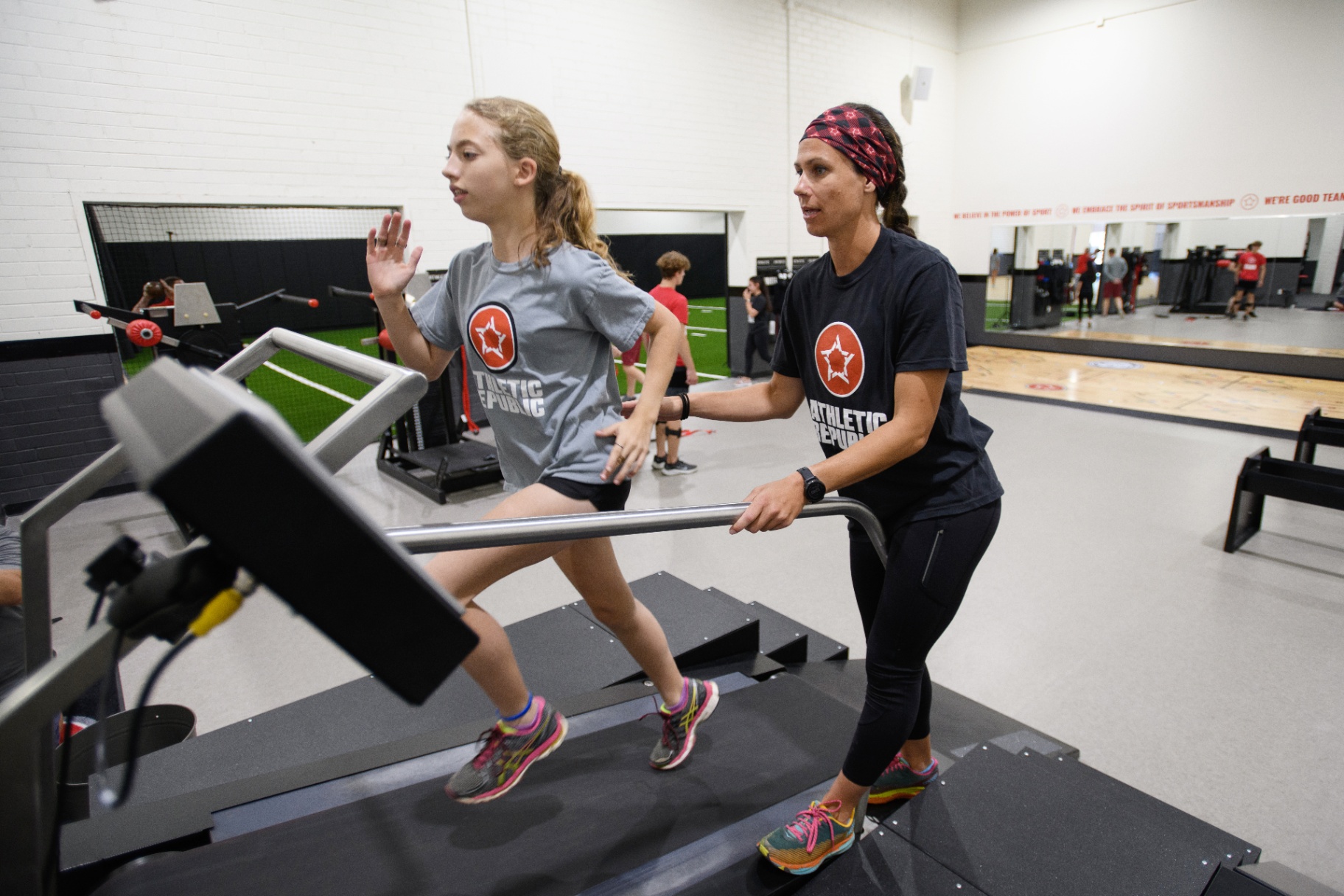
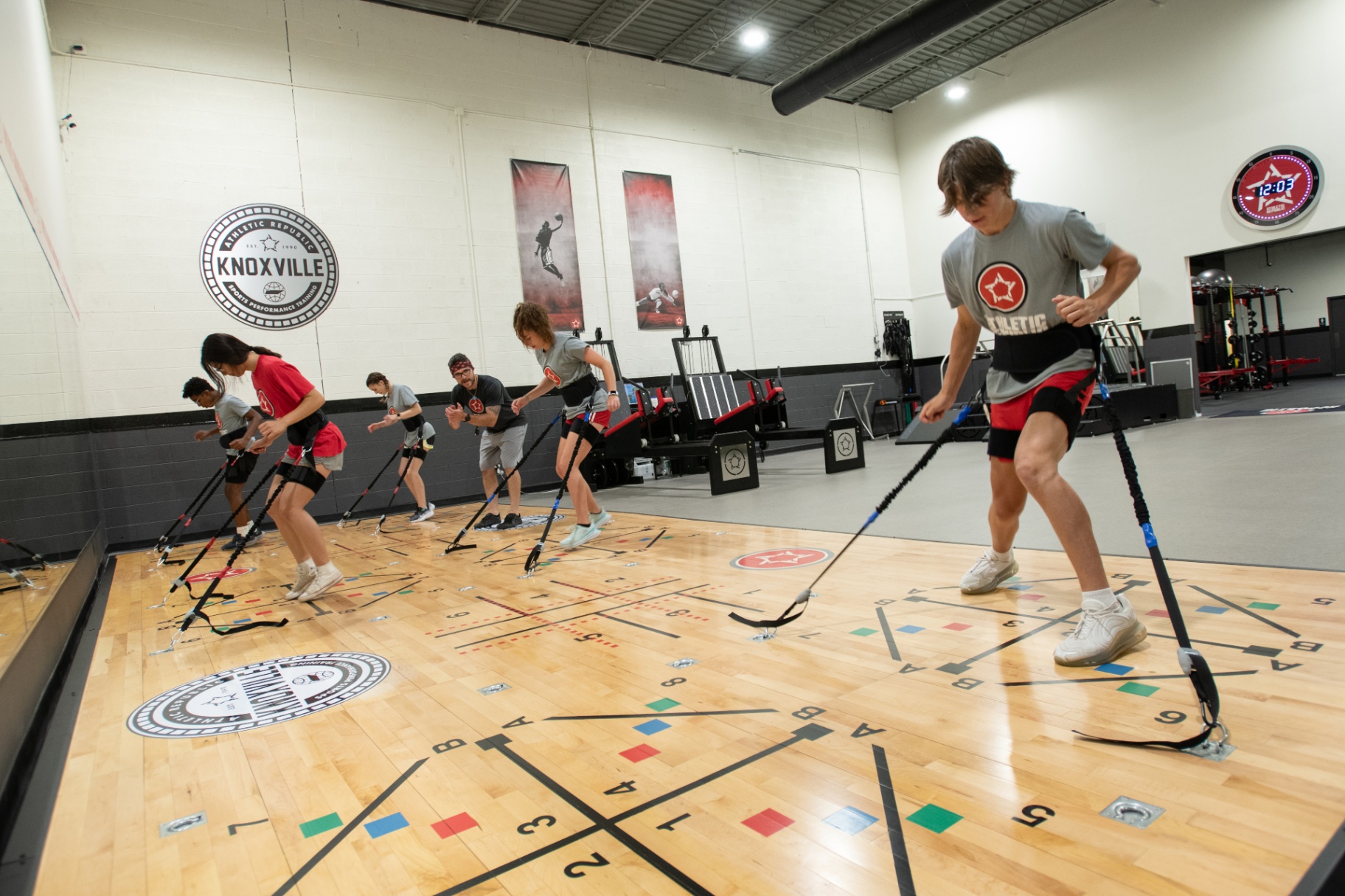
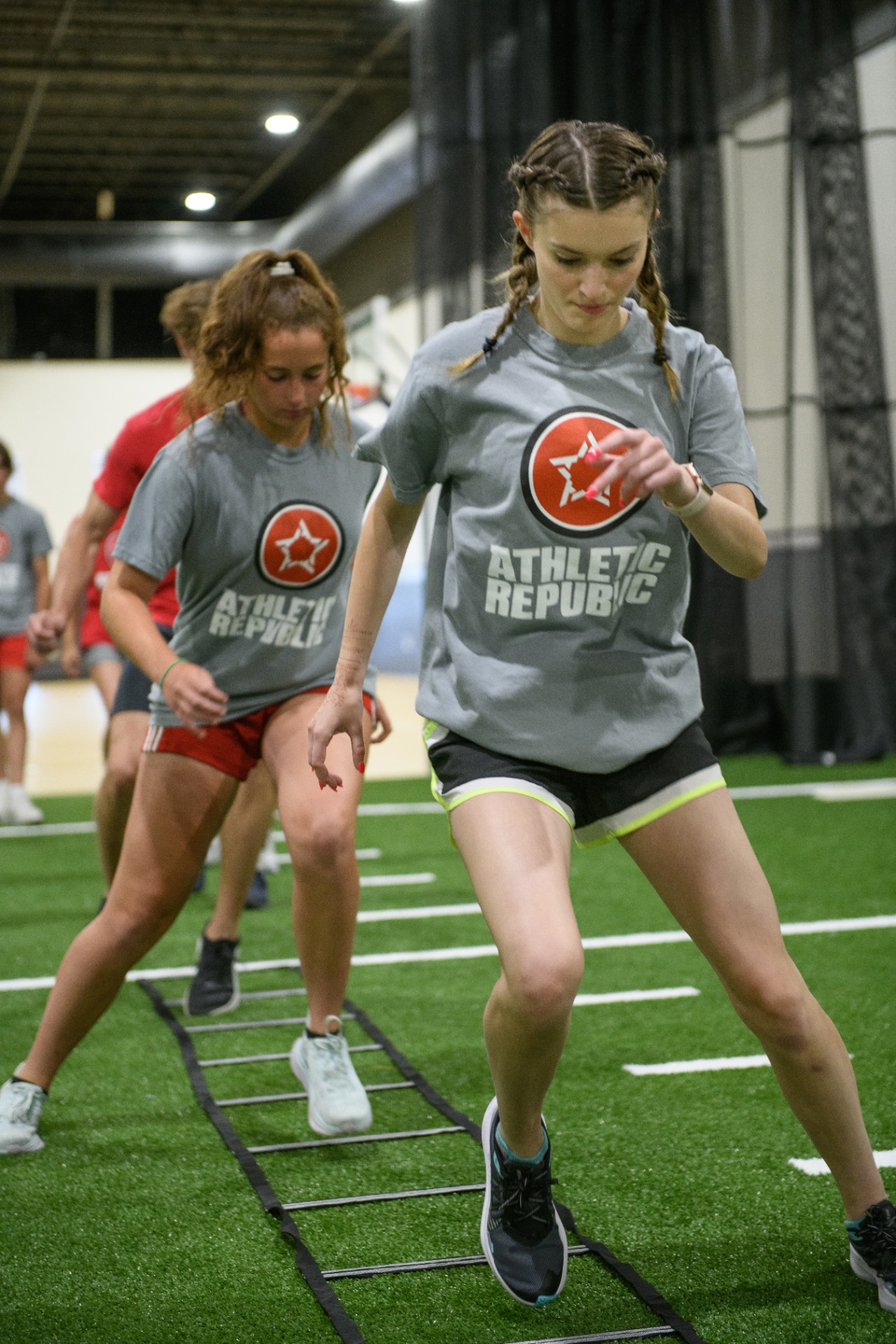
At Athletic Republic Knoxville, Acceleration is a small-group, trainer-led program that develops speed, power, agility, and stamina using a progressive approach. The intent is not to turn every athlete into the same kind of player. It’s to help each athlete move more efficiently and build qualities that can support their individual sport and goals.

That work can include sprint mechanics, plyometrics, strength, and movement drills. The reason these qualities can matter in more than one sport is straightforward:
- Acceleration can help an athlete close space, get open, or make a first move.
- Deceleration and control can support safer, more balanced stops before a change of direction.
- Agility can help athletes respond to an opponent, ball, or changing play.
- Power can contribute to explosive movements such as jumping, sprinting, or pushing off.
- Stamina can help athletes maintain their effort through the demands of a game or practice.
These abilities don’t replace sport-specific technique. A quicker first step alone won’t teach a player how to read a defense or make a pass. Instead, general physical preparation can support the movements that sport skills are built on.
A big facility, with coaching that stays personal
Training in Athletic Republic Knoxville’s 18,000-square-foot facility gives athletes room to work on movement in a dedicated sports-performance environment. Space is useful, but coaching is what helps turn drills into purposeful practice.
The program uses science-based training protocols, and certified trainers guide athletes through the work. On the student-athlete training page, Athletic Republic Knoxville describes a process that includes beginning and ending assessments to evaluate symmetry and areas for improvement. That gives athletes and coaches information to help guide training, rather than relying on guesswork alone.
A trainer can also adjust a drill, cue better mechanics, and make sure an athlete is working at an appropriate level. That individual attention matters for multi-sport athletes whose schedules, experience, and goals differ. A younger athlete learning movement basics may need a different emphasis than a high school competitor seeking to sharpen a particular physical quality.
The aim is steady, thoughtful development, not simply to make every session harder.
What a second sport can teach beyond the scoreboard
Playing more than one sport can also give athletes new ways to learn and compete. A player who is used to one field or court may have to adapt to different teammates, coaches, rhythms, and roles. Those experiences can help build confidence and resilience, though every athlete’s experience will be unique.
And sometimes the biggest advantage is enjoyment. Trying another activity can renew motivation, help an athlete discover a new interest, or simply make movement fun. A healthy long-term path matters more than checking a box marked “multi-sport.”

How families can make the approach work
If your athlete plays more than one sport, or is thinking about trying another, start with a conversation. What do they enjoy? What does the full calendar look like? Are they getting enough time to rest and recover?
A few practical considerations can help:
- Look at the total workload. Include practices, games, school commitments, and additional training, not just organized sports.
- Protect recovery. Rest is part of development, not a break from it. Make room for sleep, downtime, and age-appropriate recovery.
- Pay attention to the athlete. Ongoing pain, persistent fatigue, loss of motivation, or difficulty keeping up deserves a closer look and, when appropriate, professional guidance.
- Keep sport-specific practice in the picture. General athleticism is valuable, but athletes still need to develop the skills and understanding their sport requires.
- Let the plan change. Interests, growth, schedules, and goals shift. The best approach is the one that fits the athlete in front of you.
Build the foundation. Let the athlete grow.
The second-sport advantage isn’t a promise that an athlete will win a starting spot. It’s the opportunity to develop a broader movement background, and to support that development with focused work on speed, agility, power, and control.
At Athletic Republic Knoxville, the Acceleration program brings that work together through science-based protocols, certified coaching, and an 18,000-square-foot training facility. The program can help athletes prepare to compete with more confidence and capability, while recognizing that improvement takes time and playing-time decisions remain with coaches.
Learn more about student-athlete training at Athletic Republic Knoxville, or sign up for a free trial class to see whether the program is a good fit for your athlete.