If you're a parent of a young athlete in Knoxville, you've probably heard the advice before: "Wait until they’re older before starting any real strength training." Maybe a coach mentioned it. Maybe your own parents told you the same thing growing up. It sounds logical, right? The idea is that lifting weights too early could somehow stunt growth or cause injuries.
Here's the thing: that advice is outdated.
Modern research tells us a completely different story, and it's one that could change the game for your young athlete's development, performance, and long-term health. Let's dig into what the science actually says and why getting your child into a proper strength training program now might be one of the best decisions you make for their athletic future.
The Old Way of Thinking (And Why It's Wrong)
For decades, the traditional model of strength training was pretty straightforward: the traditional model of waiting until they are older, and it was mainly encouraged for boys. The reasoning behind this was mostly centered around health concerns: fears about growth plate injuries and the assumption that younger kids couldn't really build strength anyway.
But here's what the current research actually shows: younger children can achieve relative strength gains equal to or even greater than adolescents. That's not a typo. Kids who are still on the younger side can see incredible improvements when they follow a well-designed strength program.
The difference? While teenagers experience larger absolute strength gains as they get older, younger kids improve strength through neural and motor skill development. Their central nervous system adapts, their coordination improves, and they learn how to use their bodies more efficiently. Studies show that young children can improve strength by 30% to 50% within just 8 to 12 weeks through proper training.
The catch? It all comes down to proper technique and appropriate loading. When those boxes are checked, early strength training isn't just safe: it's beneficial.
The Key: Proper Supervision and Programming
Now, we need to be clear about something. All of these benefits depend on one crucial factor: proper technique and appropriate loading with qualified supervision.
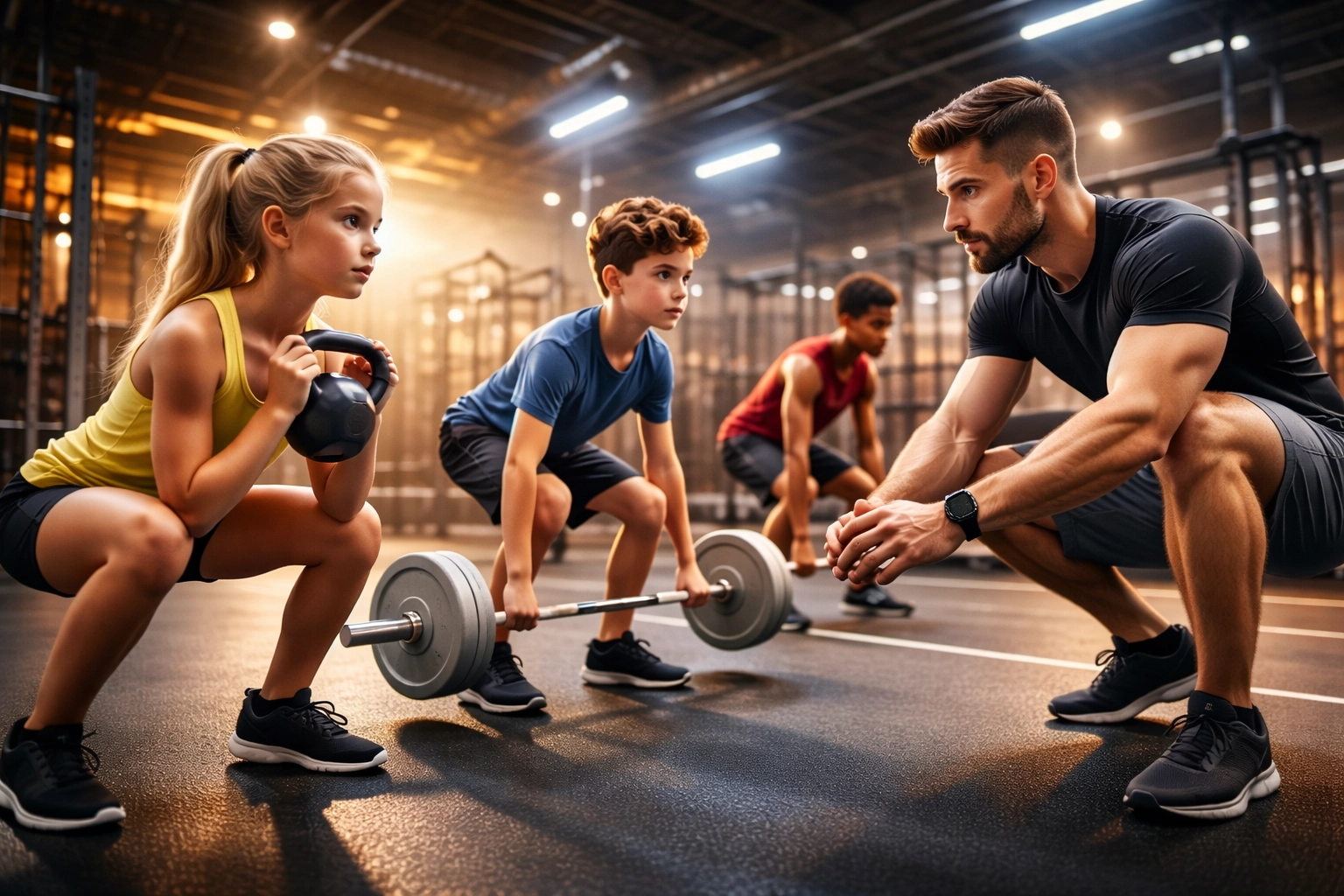
Youth strength training isn't about loading up a barbell and seeing how much weight a kid can lift. It's about teaching movement patterns, building body awareness, and progressively developing strength in a safe, age-appropriate manner.
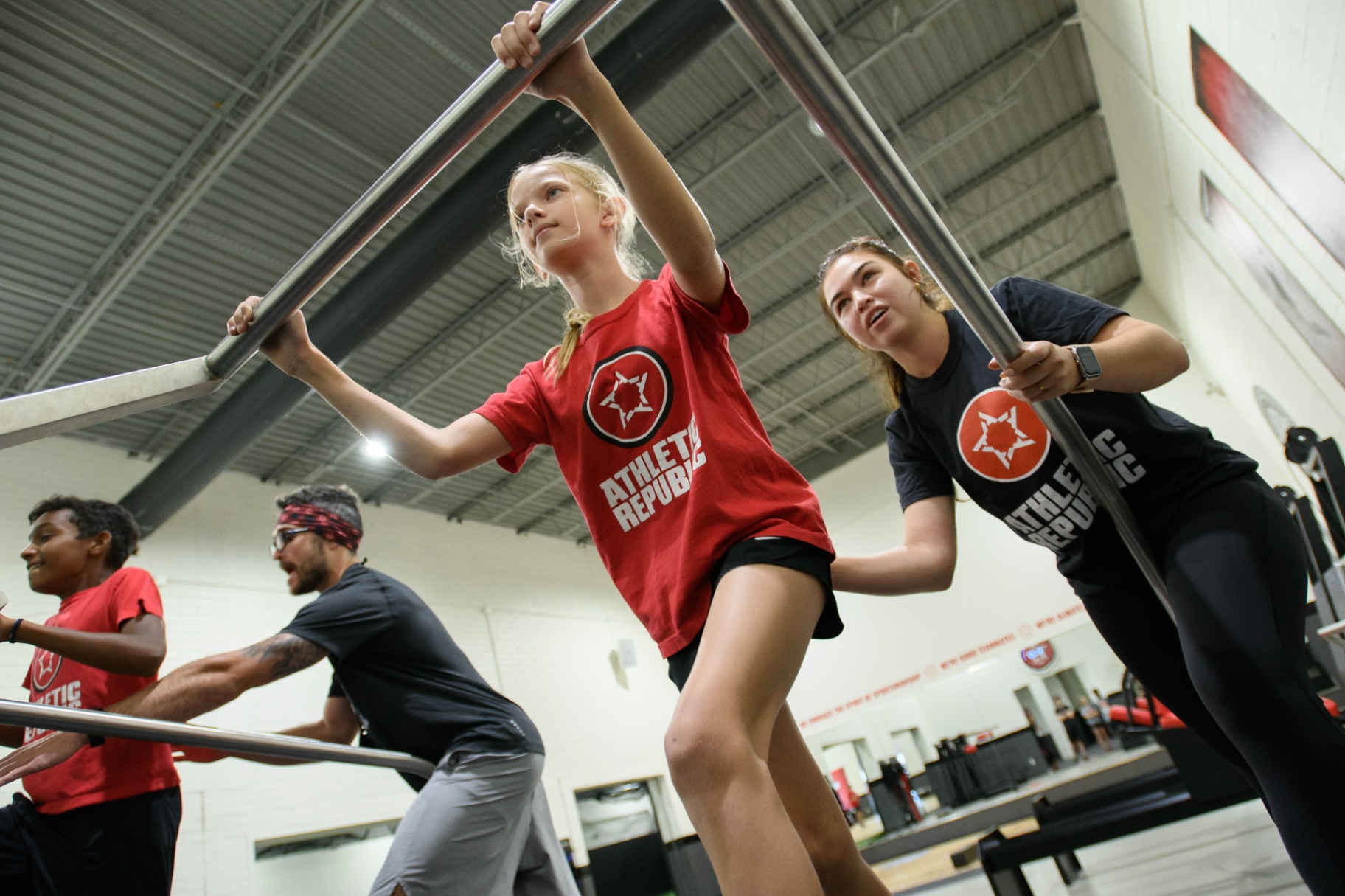
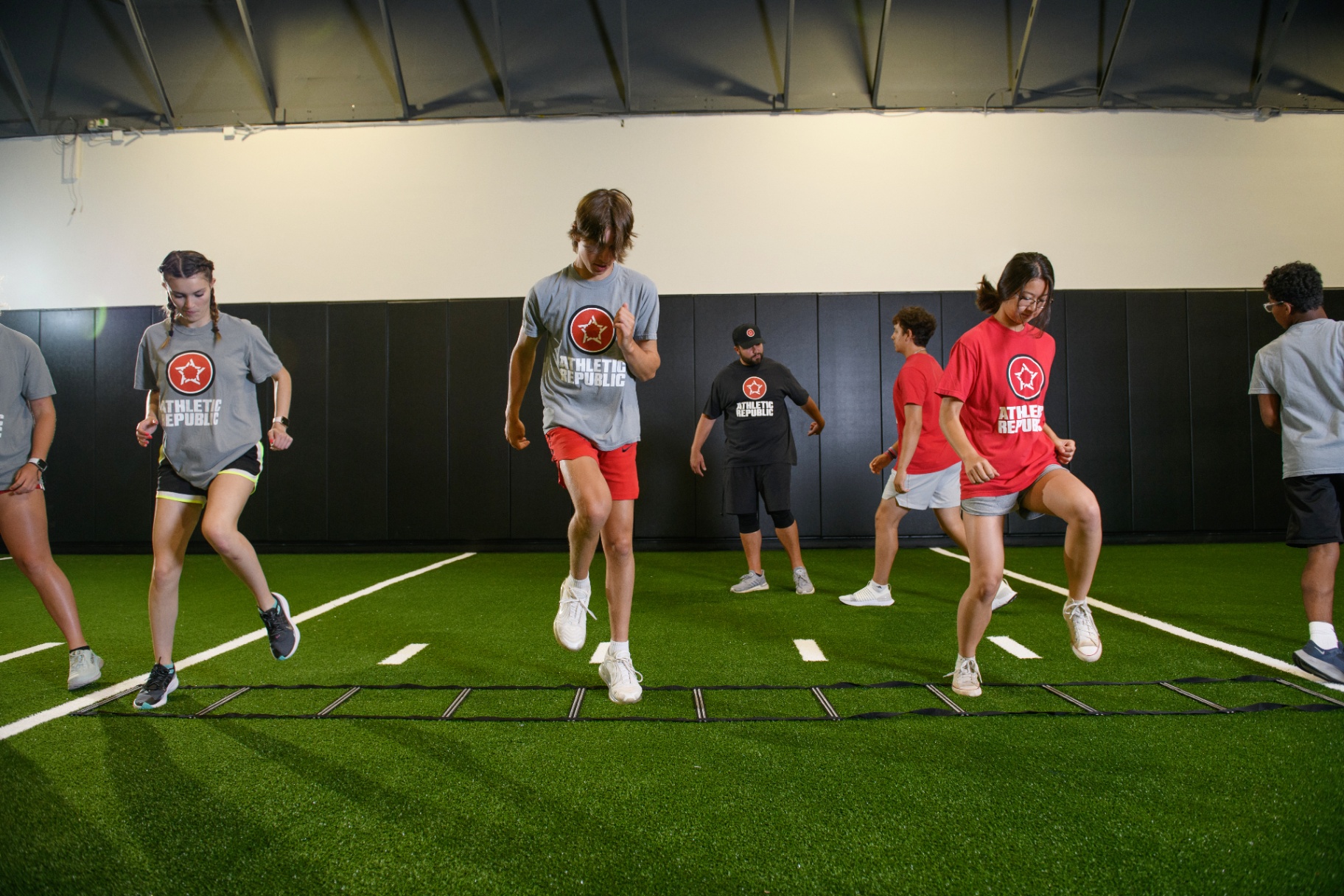
This is exactly what we focus on at Athletic Republic Knoxville. Our youth athlete training programs are designed with developing athletes in mind. We understand that a 10-year-old needs different programming than a 16-year-old, and we tailor our approach accordingly.
Performance Benefits: Stronger and Faster Wins
Let's start with the obvious: stronger, faster athletes perform better than weaker, slower athletes. That's a fundamental truth in sports, regardless of the level of competition.
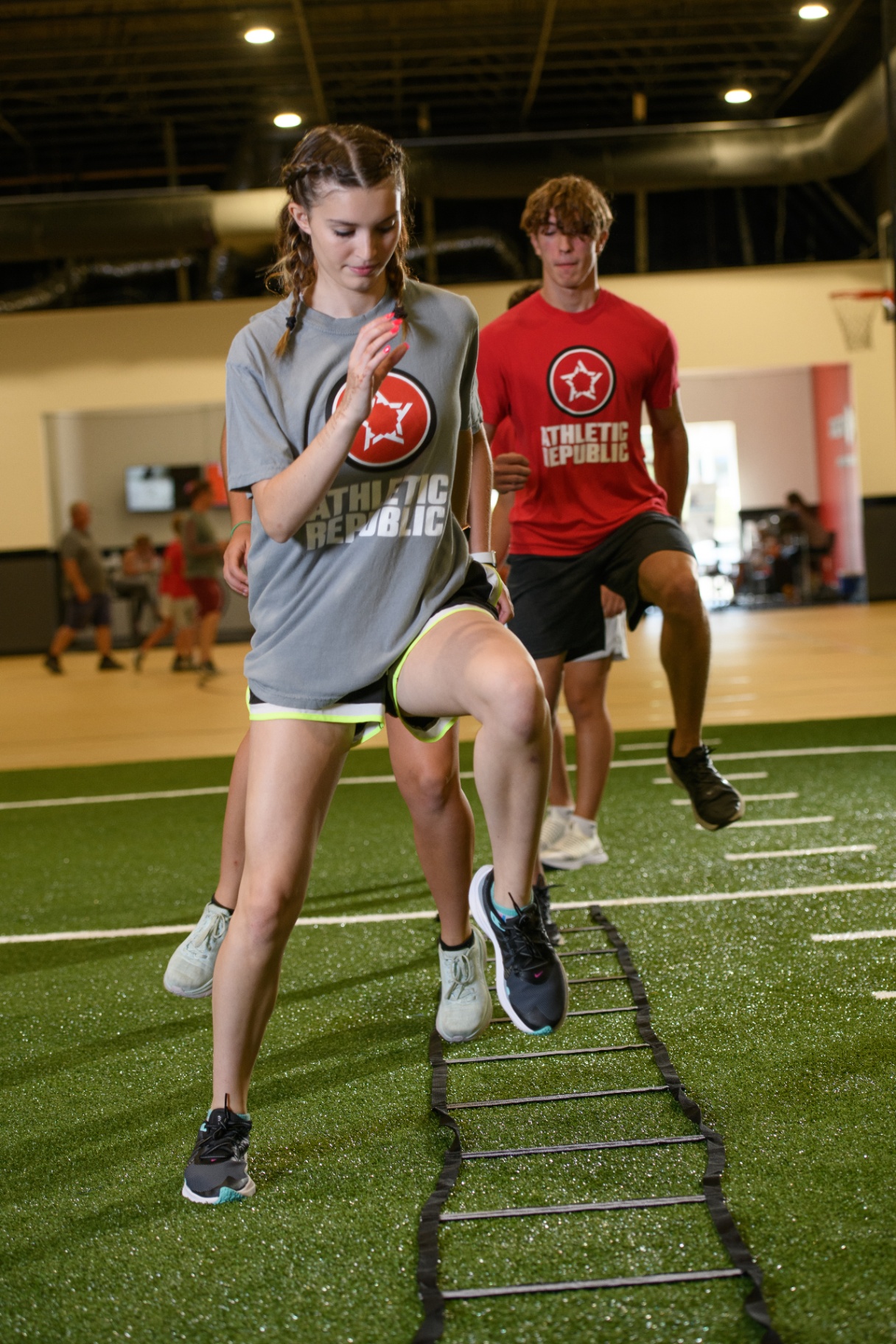
When young athletes begin strength training early, they're building a foundation that will support everything else they do in their sport. Better acceleration. More explosive jumping. Improved change of direction. These aren't things that just magically appear: they're developed through intentional training.
And here's something many parents don't realize: the movement patterns your child learns now will stick with them. When kids strength train, they start to learn how their body moves. They figure out what they need to do to achieve certain movements, and they develop efficient motor patterns that work quickly to meet their performance needs.
This body awareness is invaluable. An athlete who understands how to move efficiently isn't just faster: they're smarter on the field, court, or track.
The Injury Prevention Factor (This Is Huge)
Performance is great, but let's talk about something that keeps parents up at night: injuries.
One of the most significant benefits of early strength training is protection. A strong athlete is a more resilient athlete, plain and simple.
This is especially critical for young female athletes. Here's a statistic that might surprise you: female athletes have up to 4 times the likelihood of ACL injuries compared to male athletes. That's not a small difference: it's a massive disparity that can derail seasons, scholarships, and long-term athletic careers.
The good news? Increased strength, particularly in the hamstrings, can significantly reduce the chances of those devastating non-contact injuries. When we build strength around the knee joint and teach proper landing mechanics, we're giving young athletes the tools they need to protect themselves during competition.
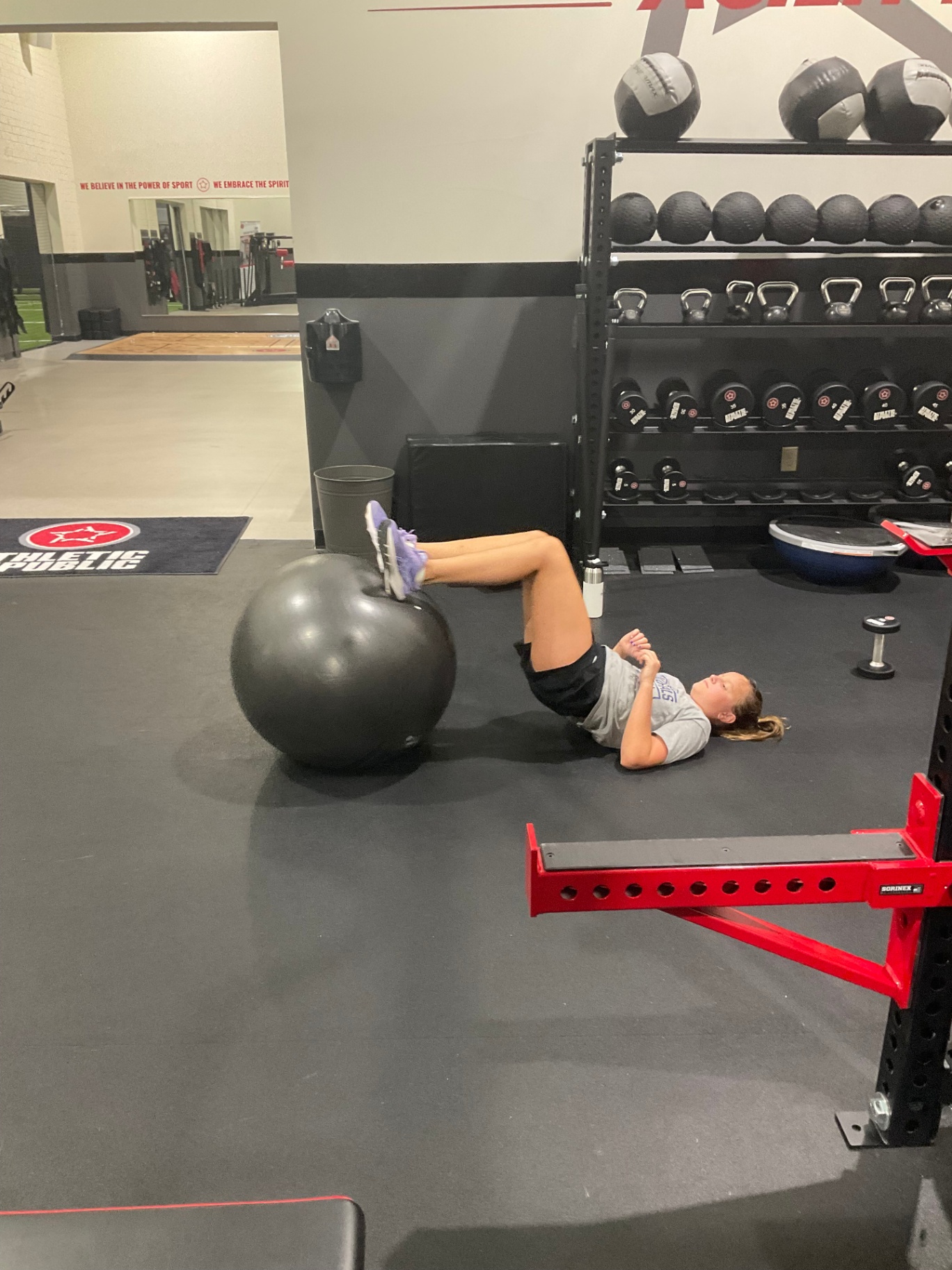
Beyond ACL protection, strength training builds stability around all joints. Ankles, hips, shoulders: every area benefits from the increased muscular support that comes with proper training. And this protection extends beyond the playing field into everyday activities.
Building a New Baseline (And Why It Matters for Recovery)
Here's something that doesn't get talked about enough: when we strength train, our bodies achieve a new baseline.
What does that mean practically? It means that when some level of injury does happen: because let's be honest, injuries are part of sports: stronger athletes return to play faster and have a lower risk of reinjury compared to weaker athletes.
The data on this is very clear. Whether it's a twisted ankle, a pulled muscle, or something more severe, the athlete who went into that injury with a stronger foundation comes out the other side better. They've built reserves of strength that help their body heal and adapt.
Think of it like having money in the bank. If something unexpected happens financially, you're in much better shape if you've been saving. The same principle applies to your child's body: the strength they build now is an investment in their future resilience.
Special Considerations for Young Female Athletes
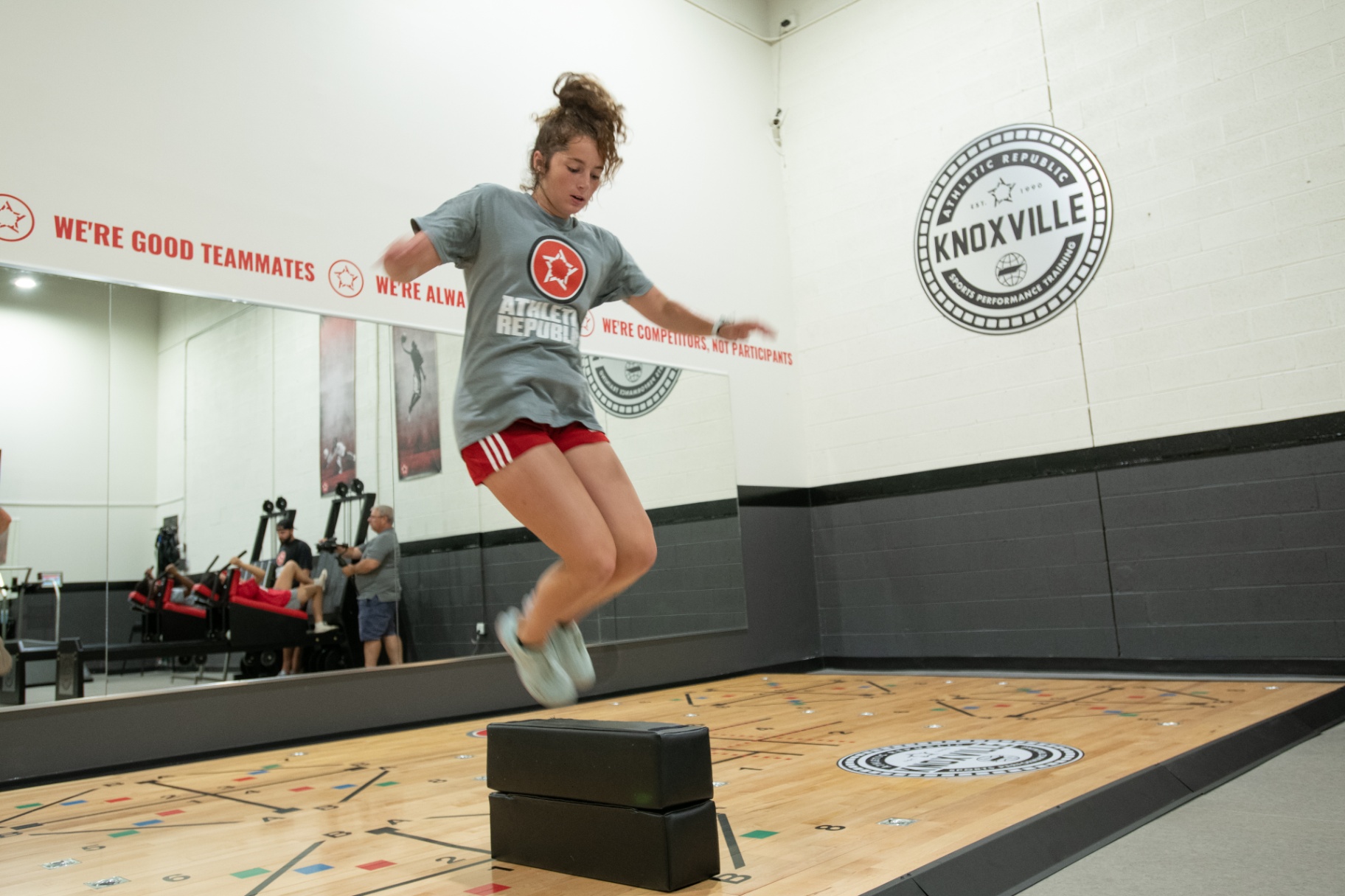
We touched on this earlier, but it deserves its own spotlight. For young female athletes: especially those under 12 years old: strength training provides benefits that go beyond what we see in their male counterparts.
The 4x increased risk of ACL injuries in female athletes isn't just about strength; it's also about movement patterns, landing mechanics, and neuromuscular control. Early strength training addresses all of these factors:
- Hamstring development provides better support for the knee joint
- Hip strengthening improves stability during cutting and pivoting
- Core training enhances overall body control and balance
- Plyometric work teaches proper landing mechanics
When girls begin this training early (instead of following the traditional model of waiting), they develop these protective patterns before they hit the growth spurts and changes that can temporarily affect coordination. They're building a movement vocabulary that will serve them throughout their athletic careers.
Beyond the Physical: Mental and Lifelong Benefits
The benefits of early strength training extend beyond muscles and bones. Research shows that regular strength training reduces stress, anxiety, and depression symptoms while boosting self-esteem. For young athletes navigating school, social pressures, and competitive sports, these mental health benefits are significant.
There's also the matter of building lifelong fitness habits. Young athletes who engage in strength training early are more likely to remain physically active throughout their lives. They develop competence and confidence in physical abilities that carries forward into adulthood.
And let's not forget bone health. Resistance training stimulates bone growth and density during the critical adolescent years, reducing the risk of osteoporosis later in life. You're not just investing in your child's athletic career: you're investing in their health decades from now.
The Bottom Line for Knoxville Parents
The modern research and data are very clear: when a strength program is implemented with proper technique and loading, it is safe and encouraged for all athletes regardless of age and gender.
Waiting until they’re older isn't protecting your child: it's potentially holding them back from developing the strength, body awareness, and movement patterns that will help them perform better and stay healthier throughout their athletic journey.
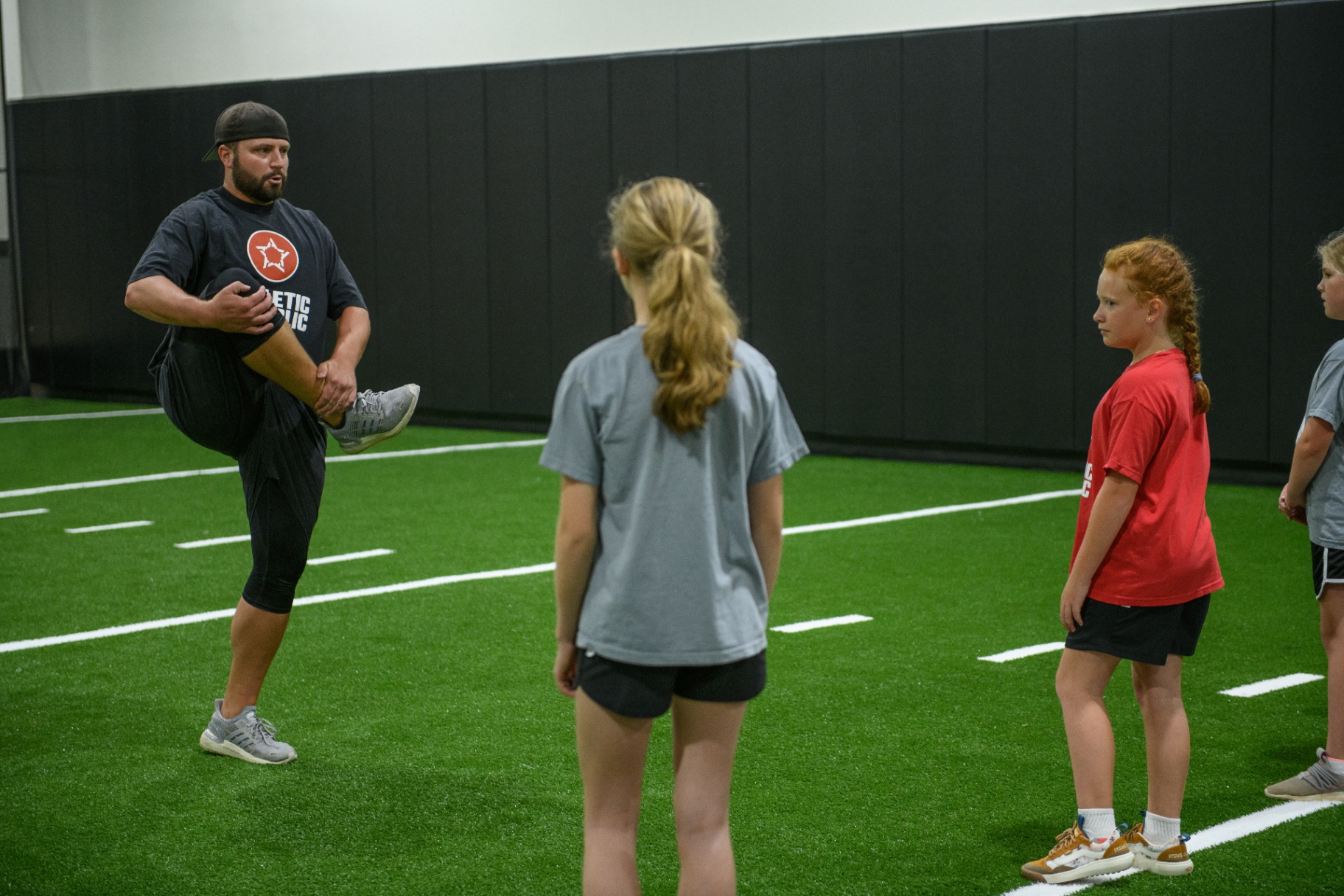
If your young athlete is ready to start building their foundation, we'd love to help. Our certified trainers specialize in working with youth athletes of all ages and skill levels, creating programs that are challenging, safe, and effective.
Because the best time to start building a stronger athlete isn't later. It's now.