Tryouts have a way of sneaking up. One minute you’re focused on the current season, and the next you’re hearing that basketball, wrestling, baseball, or softball evaluations are right around the corner. If you’re an athlete hoping to move from the bench into a bigger role, or a parent looking for a productive way to support that goal, the best time to prepare is before the whistle blows.
Tryouts aren’t decided by athleticism alone. Coaches also look at skill, effort, focus, attitude, and how well an athlete fits the team. But when players are close in skill, the athlete who accelerates faster, changes direction with control, and repeats hard efforts may have an advantage. Those qualities take practice to build.
At Athletic Republic Knoxville, the Acceleration Program helps athletes develop speed, agility, power, and movement efficiency through structured, science-based training. Starting now gives athletes time to work on those foundations before they step into a tryout setting.
A roster spot is earned before tryout day
A tryout is a short window to show what you can do. There may be limited spots, a lot of athletes, and plenty to demonstrate in a few drills or scrimmages. It can be tempting to wait until the schedule is posted and then try to cram in extra conditioning. But a last-minute burst of workouts isn’t the same as building athletic skills progressively.
Training ahead of time gives athletes an opportunity to practice movement patterns, get feedback, and become more comfortable with the physical demands of their sport. That can help a second-string or bench-sitting athlete walk into tryouts feeling prepared, not simply hoping to catch up.
It’s important to keep expectations realistic: no training program can promise a starting spot or a place on a roster. Selection decisions are made by coaches and depend on many factors. The goal is to give athletes a stronger physical foundation so they can show their skills and compete with confidence.
The Acceleration Program works on the athletic tools coaches notice
The Acceleration Program is a small-group, trainer-led option for youth, teen, college, and competitive athletes. Training is designed to develop foundational athletic qualities that matter across sports, then apply them to the ways athletes move in competition.
Here are a few examples of how those qualities can show up at tryouts:
- Basketball: A quicker first step, controlled defensive movement, and the ability to re-accelerate after a change of direction can help an athlete compete for space and stay involved in a play.
- Wrestling: Better balance, coordination, and the ability to produce and control movement can support an athlete as they work through demanding exchanges and repeated efforts.
- Baseball and softball: Acceleration, lateral movement, and body control can be useful when reacting off the bat, covering ground, or moving efficiently between positions.
Each sport asks for different skills, and general performance training doesn’t replace sport practice. Instead, the Acceleration Program helps athletes develop the movement base that supports the work they’re already doing with their team or coach.
Speed is more than running hard
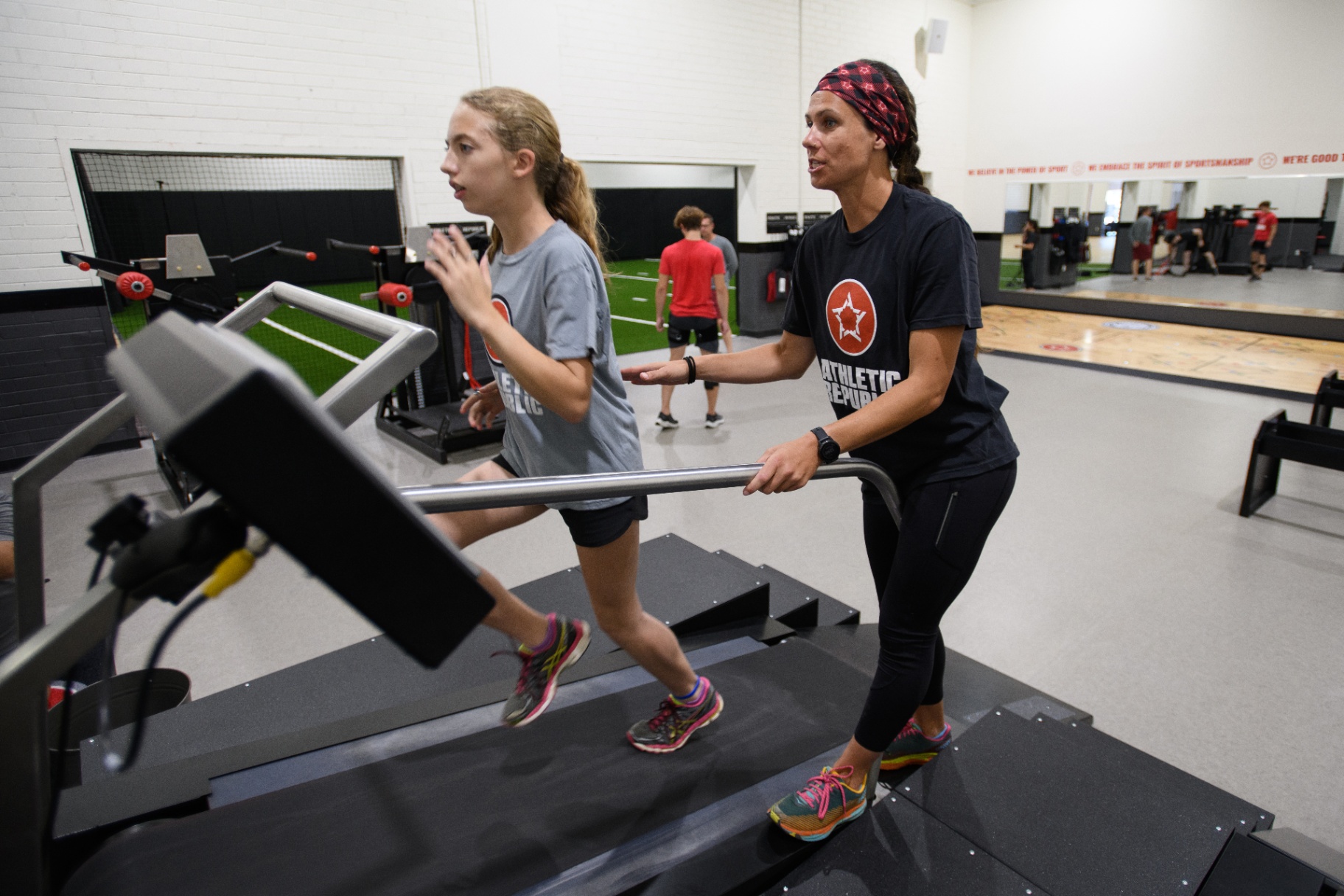
Getting faster isn’t just about pushing harder or taking more steps. Efficient sprinting depends on coordination, posture, stride mechanics, and applying force effectively. A coach can help athletes understand how they move and work on specific changes over time.
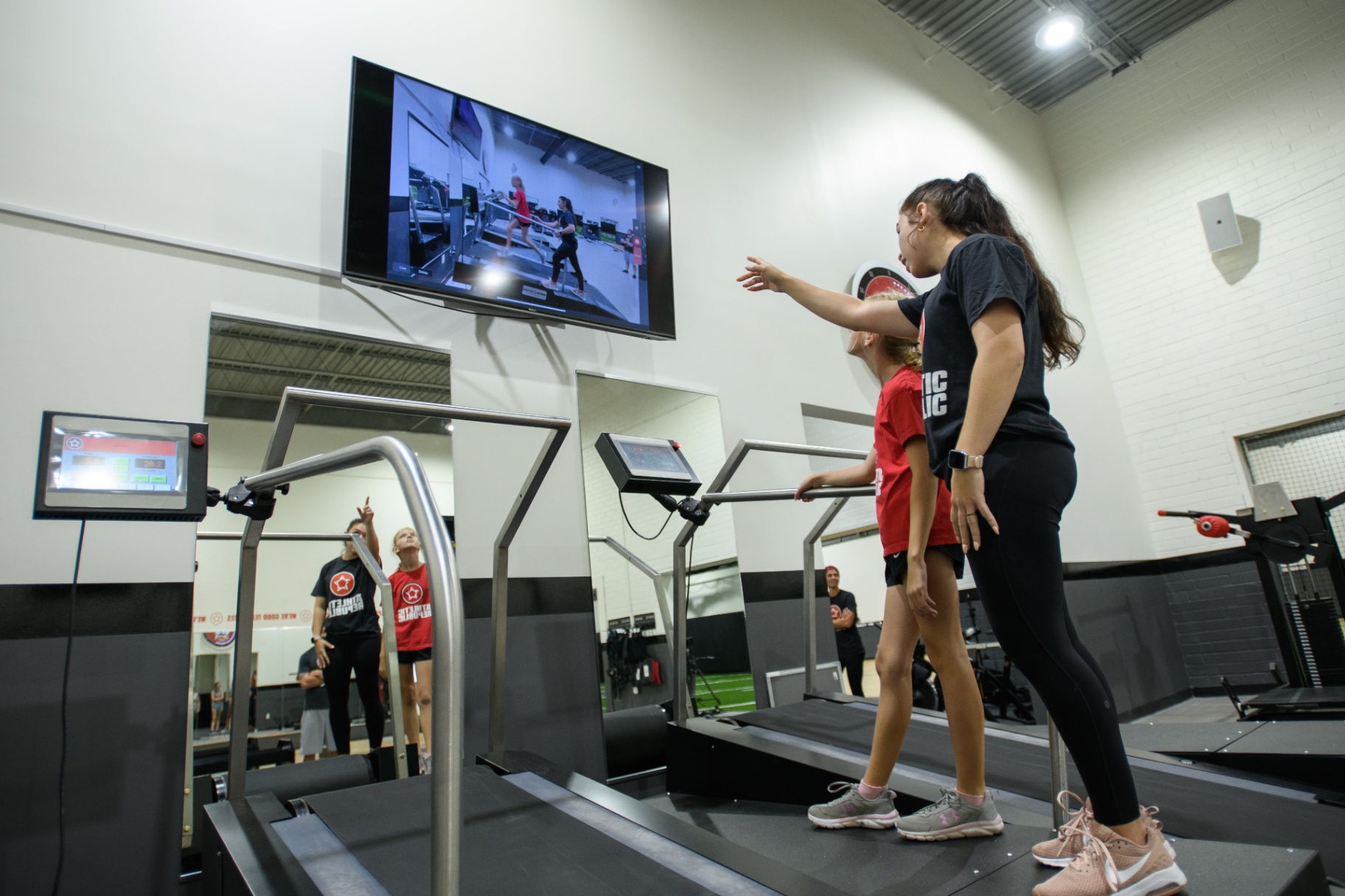
At Athletic Republic Knoxville, Super Running Treadmills provide a controlled setting for speed and running-efficiency training. Certified trainers can coach athletes through the work and offer feedback on their mechanics. The goal isn’t to chase a number or go all-out every session; it’s to follow appropriate progressions and build better movement habits.
For an athlete who feels a step behind, focused training may help turn that feeling into a plan: work on acceleration, pay attention to form, and track progress rather than guessing whether conditioning is improving.
Agility means controlling the stop and the next move
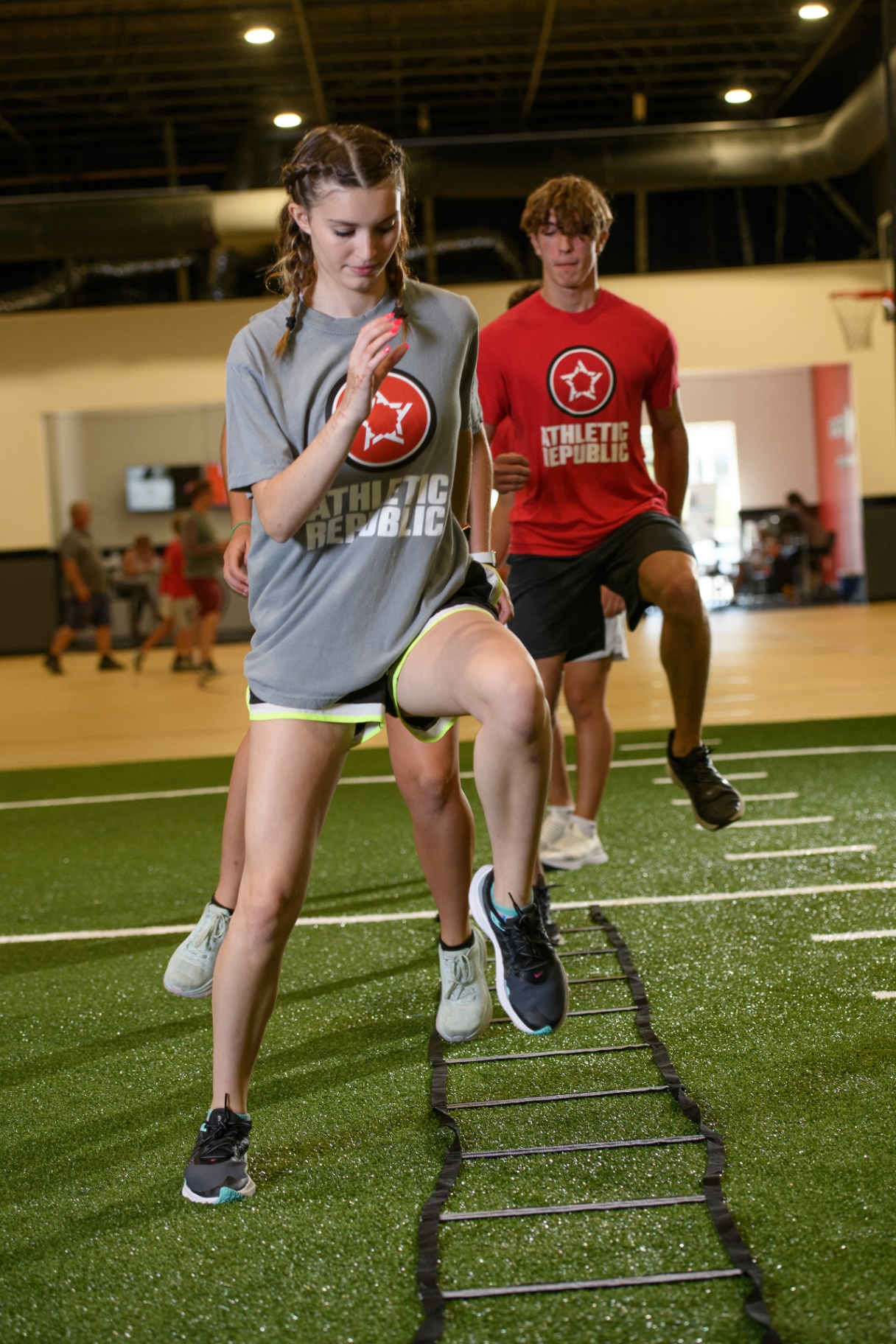
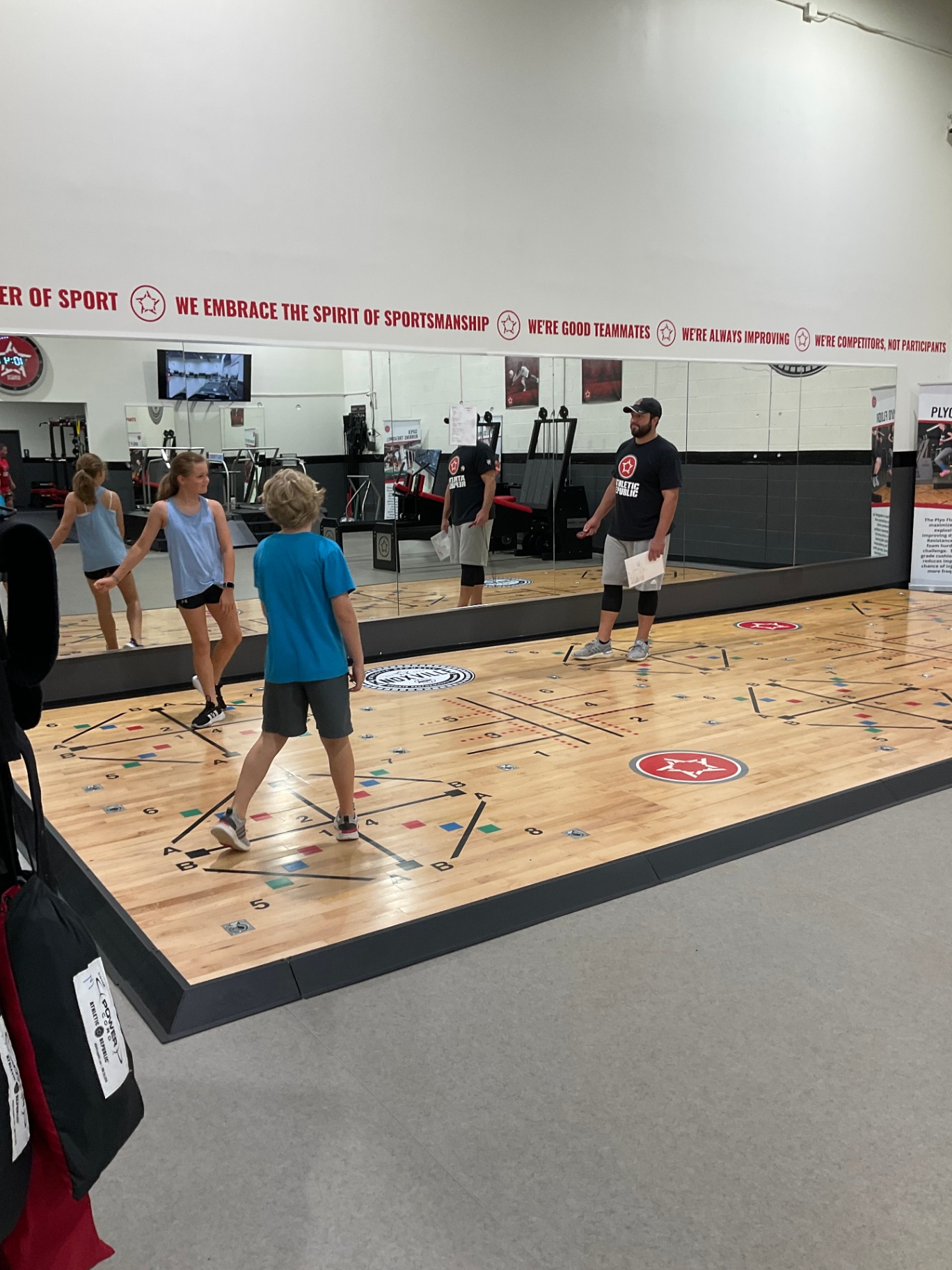
Tryouts often include more than straight-line running. Athletes may need to stop, change direction, react, and get moving again. That takes more than quick feet. It also takes body control and the ability to manage movement when changing speed or direction.
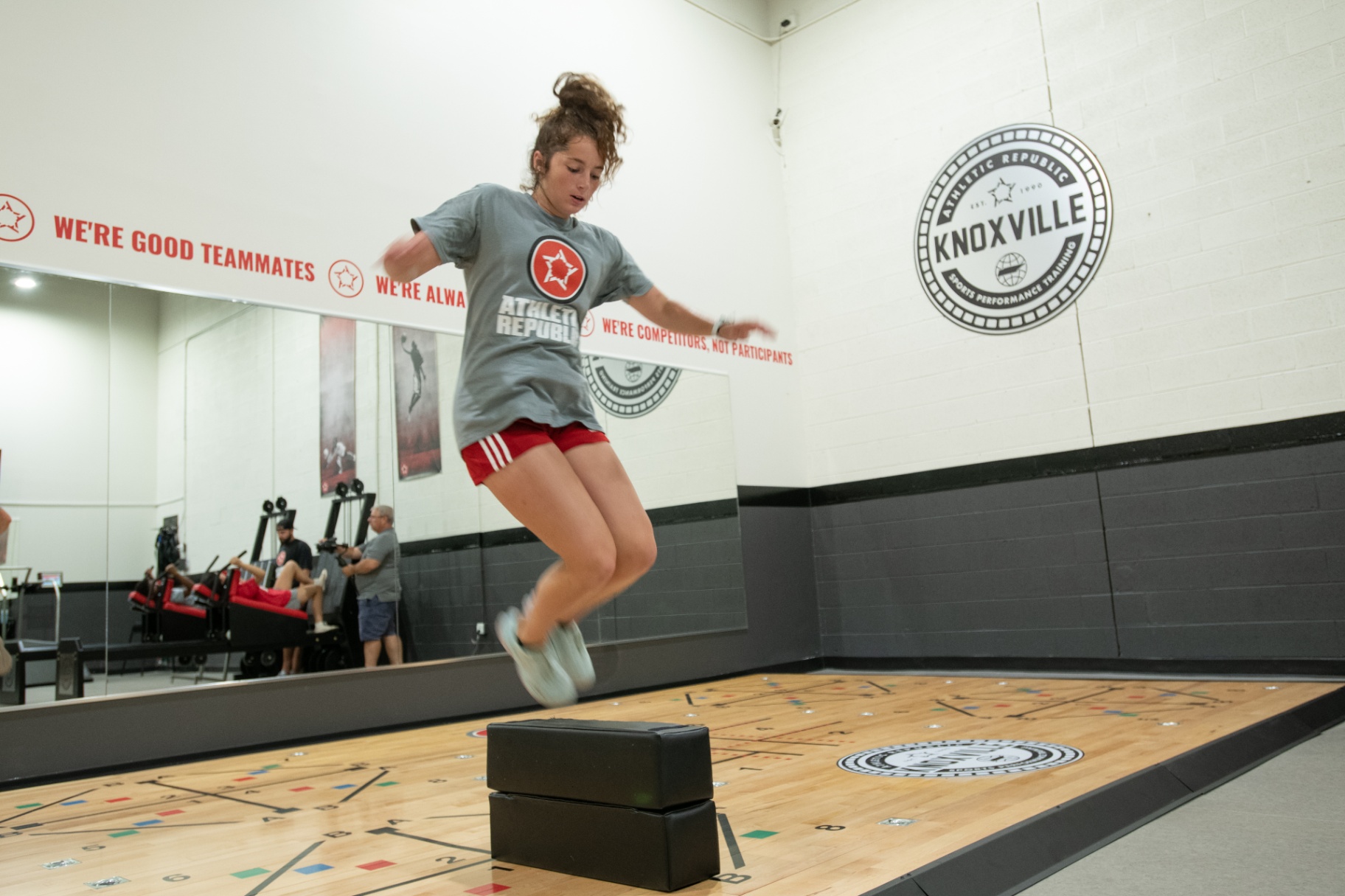
The 18,000-square-foot Athletic Republic Knoxville facility includes treadmill lanes, indoor turf, and plyometric and agility floors where athletes can work on different movement skills. Certified trainers guide drills and help athletes focus on technique, control, and effort. The space makes it possible to move from one kind of training to another in a structured environment.
That variety can be useful when an athlete’s training has mostly involved team practice or running laps. A tailored program can help identify which movement qualities deserve attention and build them into a broader plan.
Training with a plan beats guessing
One of the most valuable parts of a structured program is knowing what you’re working on, and having a way to assess progress. Athletic Republic Knoxville’s student-athlete training begins with testing to help assess performance and areas for improvement, with follow-up testing to measure results. Training can then be guided by the athlete’s needs instead of relying on a one-size-fits-all workout.
That matters for athletes who aren’t sure what’s holding them back. Is it acceleration? Change of direction? Power? Movement efficiency? A coach can help direct attention to the appropriate skills and adjust the work to the athlete.
The program uses training principles informed by biomechanics, exercise science, and training methodology. Sessions are led by trainers who can coach athletes through drills and help them work with purpose. For parents, that means a clearer process. For athletes, it means each session has a reason behind it.
The most useful time to begin is before you feel ready
Starting early doesn’t mean piling on extra workouts or neglecting rest. It means giving yourself enough time to build gradually, while balancing team practices, games, school, and recovery.
A few simple steps can help get the process started:
- Identify the goal. Is the athlete aiming to improve first-step quickness, lateral movement, power, or overall confidence?
- Consider the sport’s demands. Basketball, wrestling, baseball, and softball involve different patterns and workloads. Share the sport and tryout goals with the trainer.
- Be consistent. Progress comes from purposeful training over time, not one exhausting workout just before tryouts.
- Keep sport skills in the mix. Performance training supports sport practice; it doesn’t replace technical coaching or team preparation.
- Make recovery part of the plan. Sleep, nutrition, and rest between demanding sessions help athletes stay ready to train.
If an athlete is managing pain or returning from an injury, talk with a qualified health professional and the training team before beginning or changing a program. Training should be appropriate for the athlete’s age, experience, and current condition.
From the bench to a stronger tryout
For athletes hoping to earn more playing time, the off-season or pre-tryout period can be a chance to build the qualities that are harder to develop in a busy team practice. Speed, agility, power, and movement control are trainable skills. With coaching and consistency, athletes can arrive at evaluations better prepared to demonstrate what they’ve been practicing.
Explore student-athlete training at Athletic Republic Knoxville, or schedule a free trial class to learn more about the program. Bring your sport, your goals, and your questions. The sooner you start building the foundation, the more time you have to make your work count before tryout day.