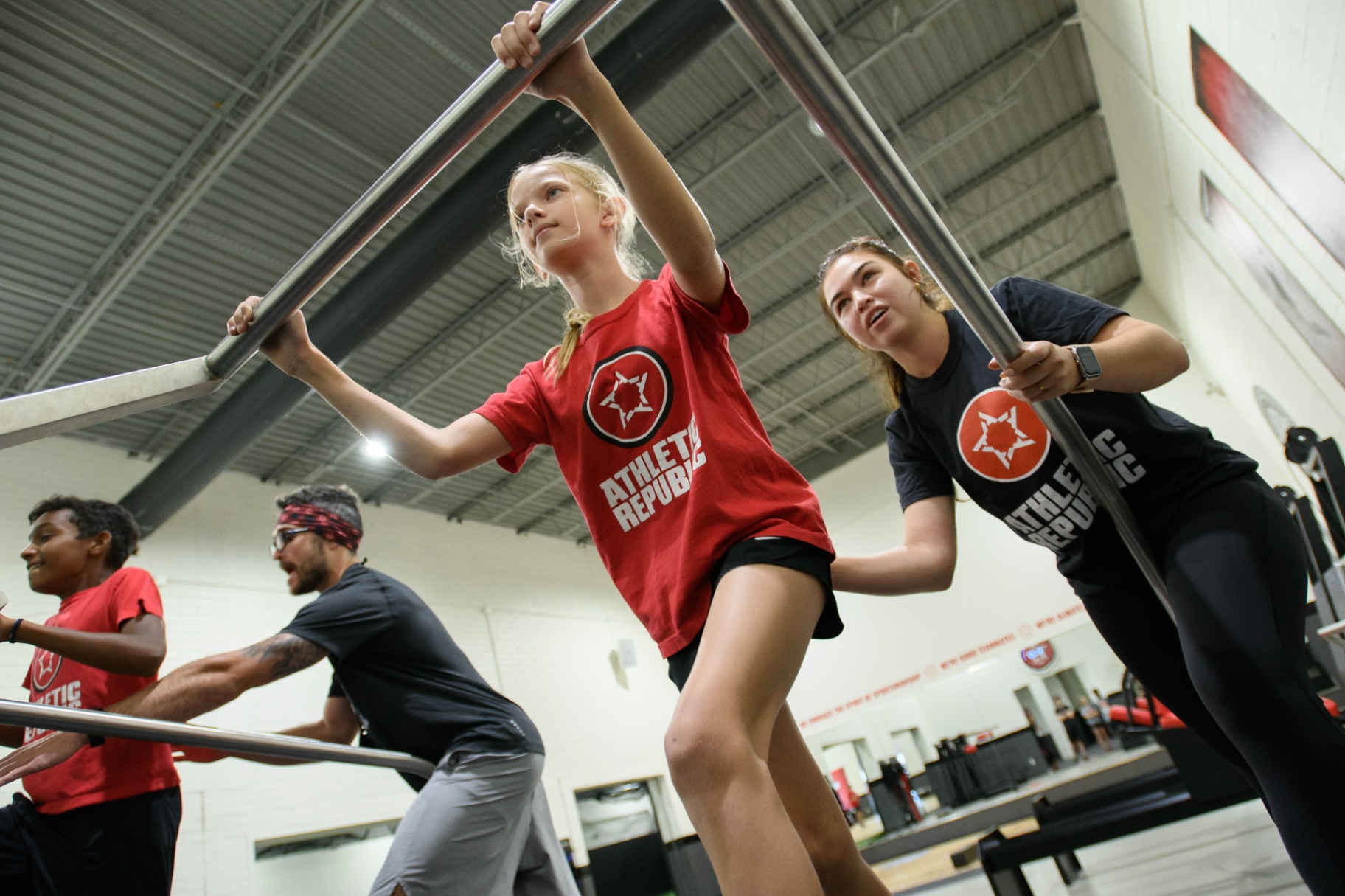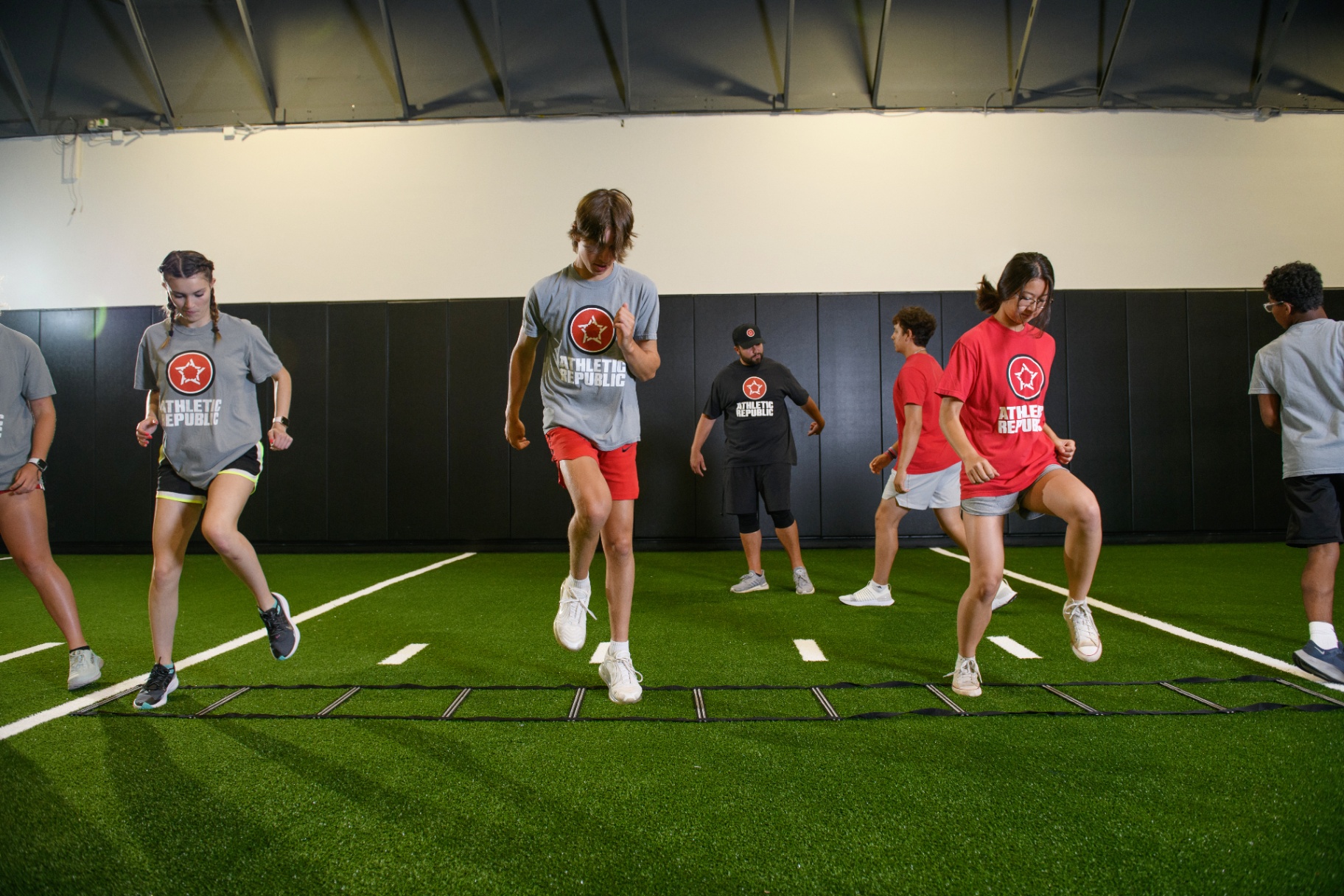
If you've ever watched elite athletes explode off the starting line or leap over defenders with seemingly effortless power, you've witnessed plyometrics in action. But here's the thing: those explosive movements aren't just reserved for the pros. When introduced safely and progressively, plyometric training can be a game-changer for young athletes looking to build speed, power, and overall athleticism.
The key word there? Safely.
As parents and coaches, we want to help our young athletes reach their full potential without putting them at risk for injury. That's exactly what this guide is all about. We're going to break down the fundamentals of youth plyometrics, show you how to progress through exercises the right way, and give you the knowledge you need to support your athlete's speed development journey.
What Exactly Is Plyometric Training?
Before we dive into the how, let's make sure we're on the same page about the what.
Plyometric training: sometimes called "jump training" or "plyo": involves exercises that teach the body to produce force quickly and efficiently. Think explosive movements like jumping, hopping, and bounding. These exercises train the muscles to stretch and contract rapidly, which translates directly to faster sprints, higher jumps, and quicker direction changes on the field or court.
For young athletes, plyometrics isn't about lifting heavy weights or pushing through grueling workouts. It's about teaching their bodies how to move explosively while maintaining control. When done correctly, it builds a foundation of athleticism that will serve them across any sport they pursue.
Why Landing Mechanics Come First (Every Single Time)
Here's where a lot of well-meaning coaches and parents get it wrong: they jump straight into the explosive stuff without laying the proper groundwork. But if there's one thing you take away from this guide, let it be this: mastering landing mechanics is non-negotiable.
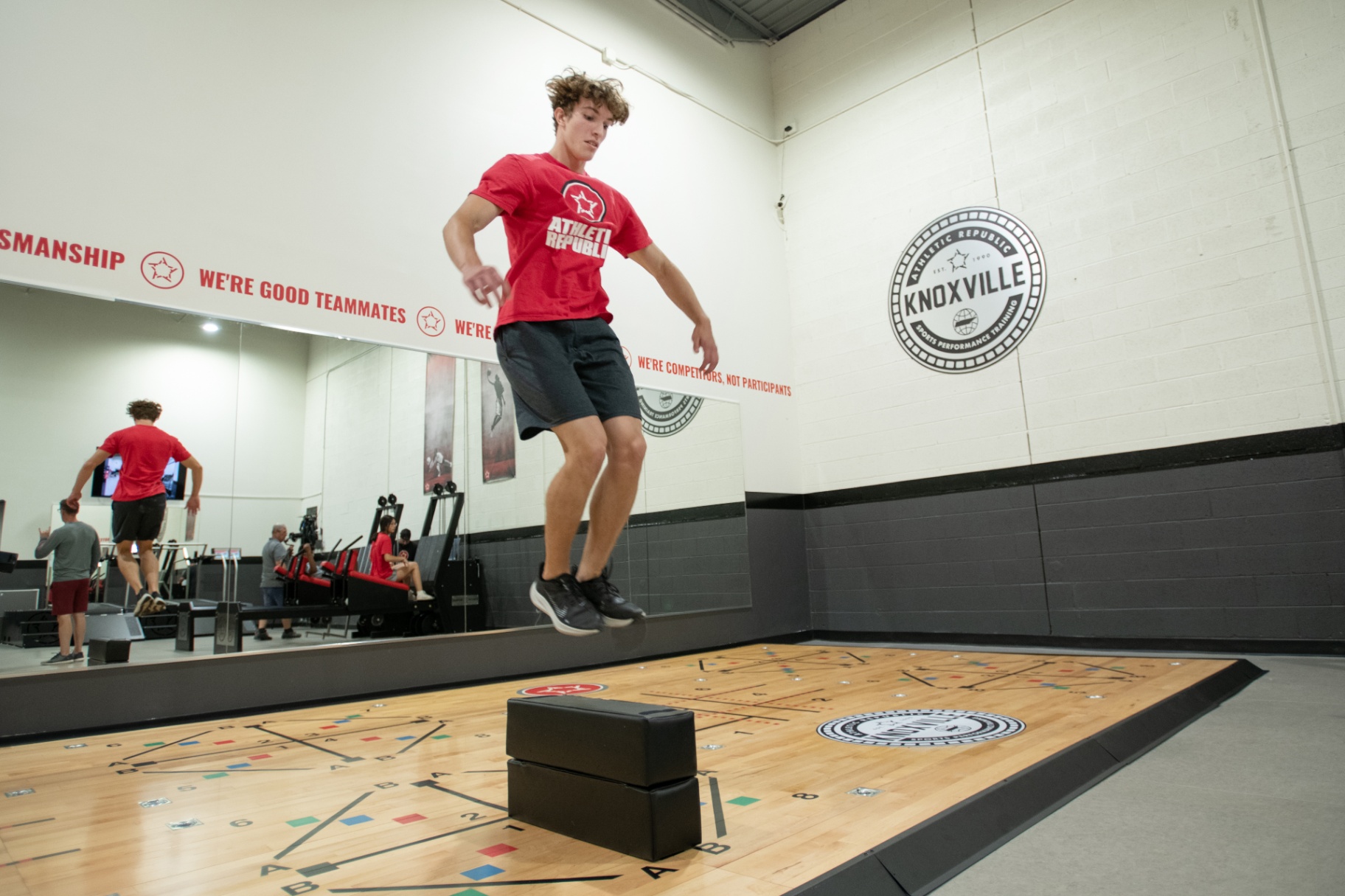
Before your young athlete attempts any kind of explosive jump, they need to prove they can land correctly. Why? Because proper landing technique prevents injury and builds the body control necessary for everything that comes next.
Think of it like learning to drive. You wouldn't hand a teenager the keys and tell them to merge onto the highway before they've practiced in a parking lot, right? Same principle applies here.
The Drop Squat: Your Starting Point
A simple but effective way to practice landing mechanics is the drop squat:
- Stand with legs hip-width apart
- Rise up onto your toes
- Drop down into a squat position
- Focus on landing with knees aligned over your shoes
Have your athlete practice this in front of a mirror so they can check their form. You're looking for three things:
- Knees staying over the toes (not caving inward)
- Upper body staying upright (not collapsing forward)
- Feet landing flat on the floor (not on the heels or toes)
It might seem basic, but these fundamentals are the building blocks of safe, effective plyometric training. Once your athlete can consistently nail the landing, they're ready to progress.
The Three Stages of Plyometric Progression
Now for the fun stuff. Plyometric training follows a clear progression from simple to complex. Rushing through these stages is one of the biggest mistakes young athletes make: often driven by overconfidence or impatience. Trust the process, and the results will come.
Stage 1: Basic Bouncing Movements
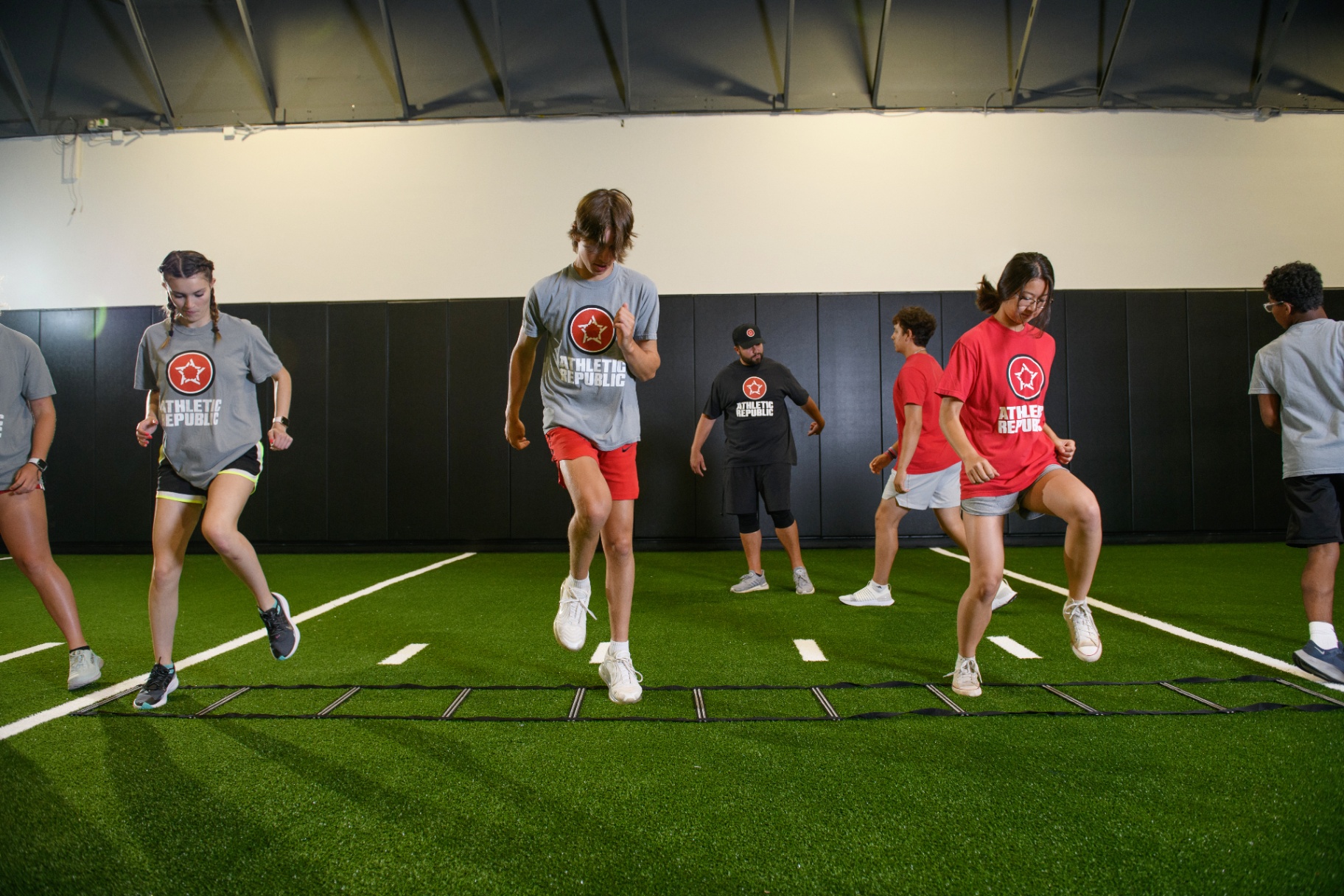
Every athlete starts here, regardless of their current ability level. This stage focuses on low-intensity exercises that teach the body to absorb force properly.
Pogo Jumps are the gold standard for this stage. They're exactly what they sound like: bouncing on the balls of your feet like a pogo stick. You can do these on two legs or progress to single-leg variations as your athlete builds confidence.
The goal isn't height or distance. It's control and consistency. Master the bounce before moving on.
Stage 2: Bodyweight Explosive Movements
Once your athlete has proven they can handle Stage 1, it's time to add some power: still using only bodyweight. This is where things start to feel more athletic.
Exercises in this stage include:
- Squat jumps: Drop into a squat, then explode upward
- Tuck jumps: Jump and bring your knees toward your chest
- Single-leg jumps: Build unilateral power and balance
- Lateral hops: Develop side-to-side quickness
These movements directly translate to on-field performance. The squat jump builds vertical explosiveness. Lateral hops improve cutting ability. Every exercise has a purpose.
Stage 3: Equipment-Based Exercises
Only after your athlete has mastered bodyweight movements should you introduce equipment. This stage includes:
- Box jumps: Jumping onto elevated platforms
- Hurdle hops: Clearing obstacles in sequence
- Plyometric push-ups: Pushing explosively enough that the hands leave the floor
These exercises add complexity and challenge, but they also carry more risk if the foundation isn't solid. That's why we don't skip stages.

Training Guidelines: How Much Is Enough?
One of the most common questions we hear from parents is, "How often should my kid be doing plyometrics?" Great question: and the answer might surprise you.
Frequency
Plyometric training should be limited to one to two sessions per week. That's it. More isn't better here. Your athlete's body needs time to recover between explosive training sessions. Pushing beyond this can lead to lingering soreness, decreased performance, or worse: injury.
Timing Within a Workout
Here's a tip that makes a huge difference: always perform plyometrics at the beginning of a workout when your athlete is fresh. Explosive movements require maximum effort and focus. Trying to do box jumps after an hour of conditioning is a recipe for sloppy form and potential injury.
Sets and Reps
For beginners, a solid structure looks like this:
- 3 sets of 12 repetitions per exercise
- 1 minute rest between sets
- 3 minutes rest between different exercises
This gives enough volume for adaptation while allowing adequate recovery between efforts.
Don't Skip the Warm-Up
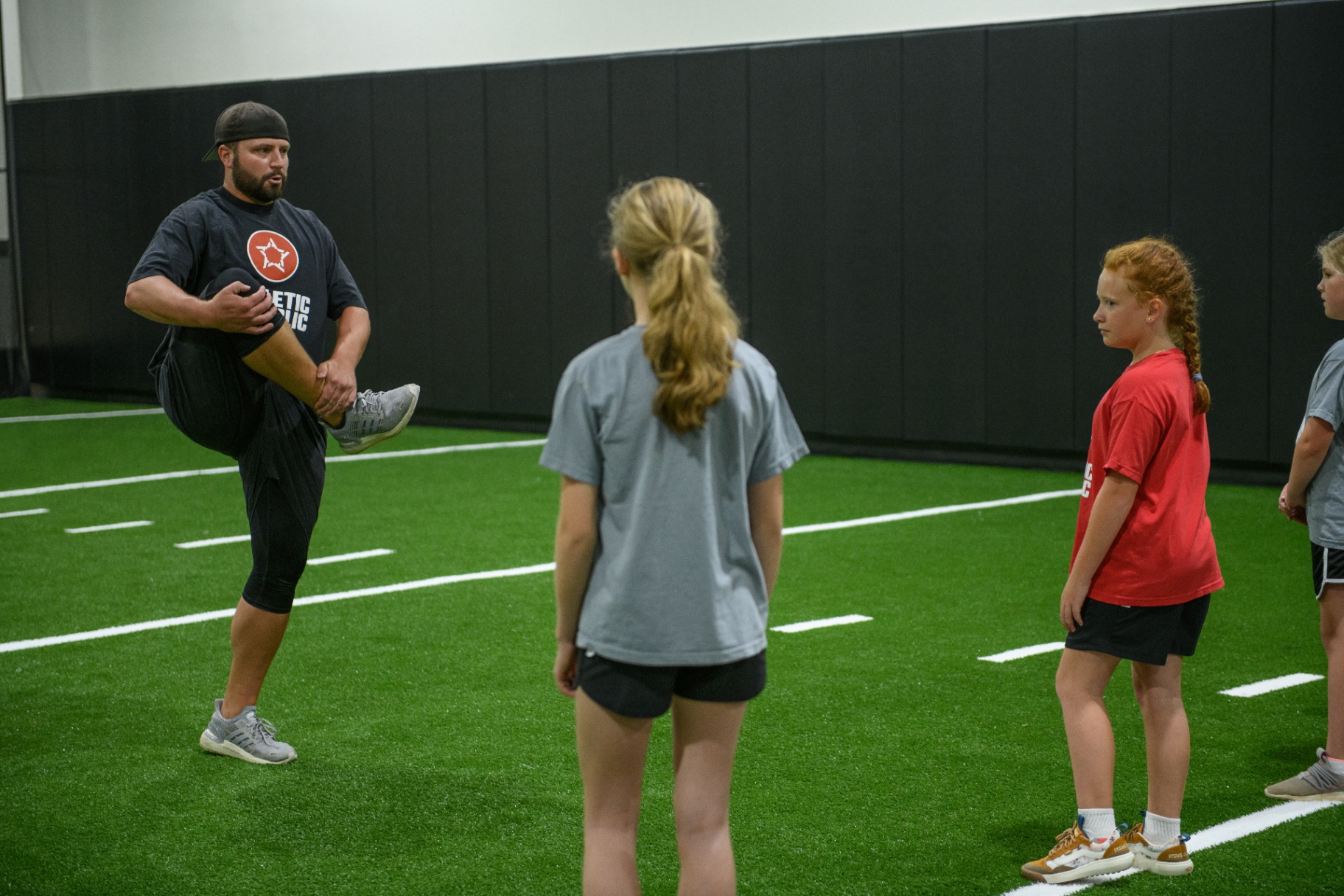
Every plyometric session should begin with light jogging and dynamic stretching. Cold muscles don't respond well to explosive movements. A proper warm-up prepares the body for what's ahead and significantly reduces injury risk.
Safety First: Key Principles to Remember
We've touched on safety throughout this guide, but it's worth emphasizing a few key principles that will keep your young athlete healthy and progressing.
Avoid rushing progression. Overconfidence is one of the biggest enemies of safe training. Just because an exercise looks easy doesn't mean your athlete is ready to move on. Master each stage before advancing.
Focus on control, not distance or height. Especially in the early stages, quality of movement matters far more than how far or high your athlete can jump. Controlled movement builds the patterns that eventually allow for explosive performance.
Recognize individual differences. Every young athlete is different. Some naturally recruit power easily but lack the underlying strength foundation. Others have strength but struggle to express it quickly. A one-size-fits-all approach doesn't work. Pay attention to your athlete's specific needs and adjust accordingly.
Listen to the body. If your athlete is experiencing pain (not just normal muscle fatigue), that's a signal to back off. Plyometric training should challenge the body, not break it down.
Building Speed the Right Way
Plyometric training is one of the most effective tools for developing youth speed and explosiveness: when it's done right. The athletes who see the best results are the ones who take the time to master the fundamentals, progress patiently through the stages, and prioritize safety over shortcuts.
At Athletic Republic Knoxville, we specialize in helping young athletes build these foundations through science-based, progressive training programs. Our certified coaches understand how to develop speed safely while keeping training fun and engaging.
If you're ready to help your young athlete unlock their explosive potential, we'd love to show you what's possible. Check out our youth training programs and see the difference that expert coaching can make.
Your athlete's speed journey starts with the right foundation. Let's build it together.