You work hard at practice. You know the plays. You show up, listen to your coaches, and wait for your opportunity.
But when the game starts, you are still watching from the sideline.
That can be frustrating for athletes and parents alike. Sometimes, the difference between sitting and starting is not a major flaw. It may be a few small, visible athletic moments: arriving one step late, losing space on defense, struggling to change direction, or slowing down after several hard efforts.
Coaches notice those moments because they affect the game.
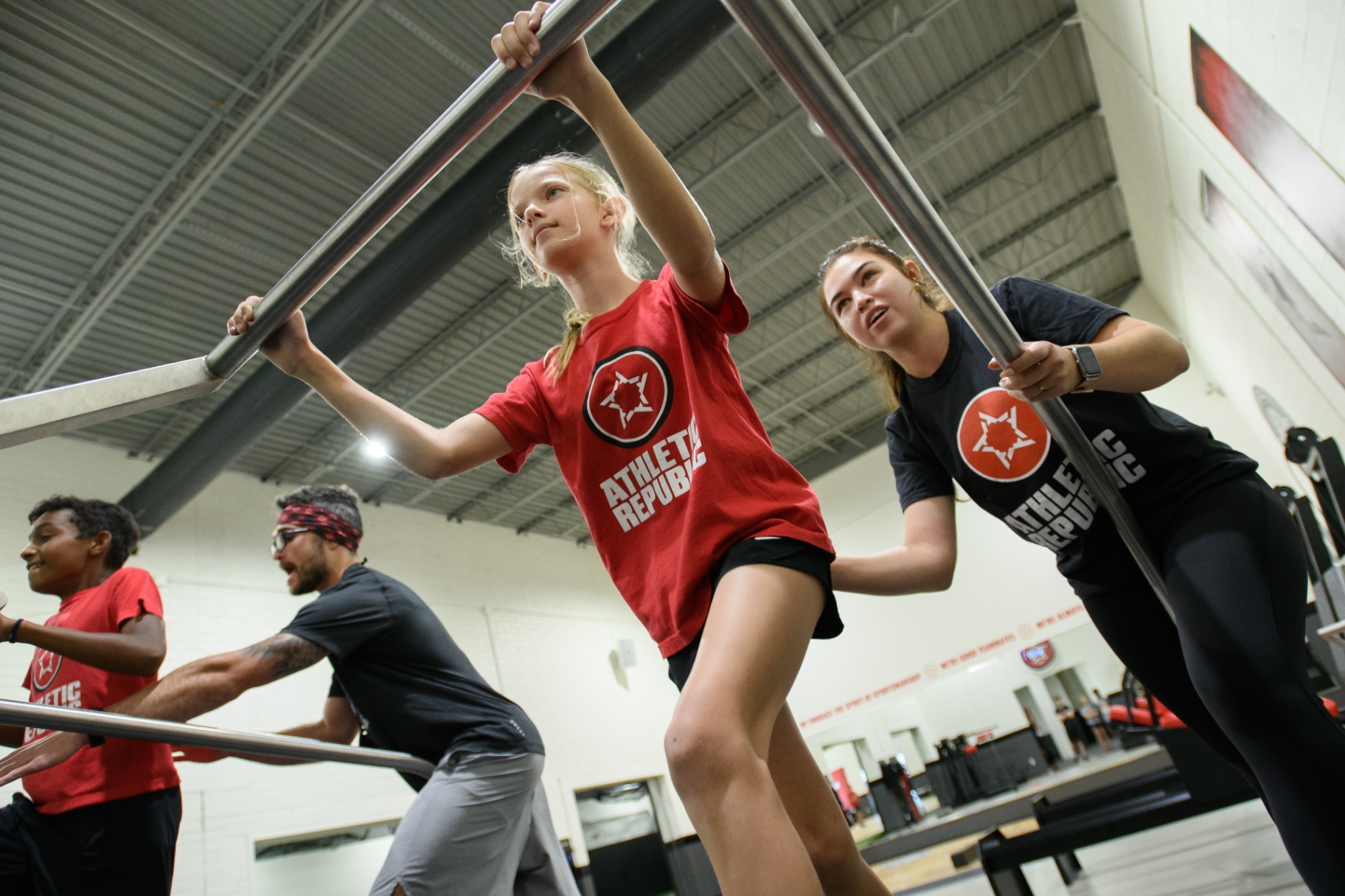
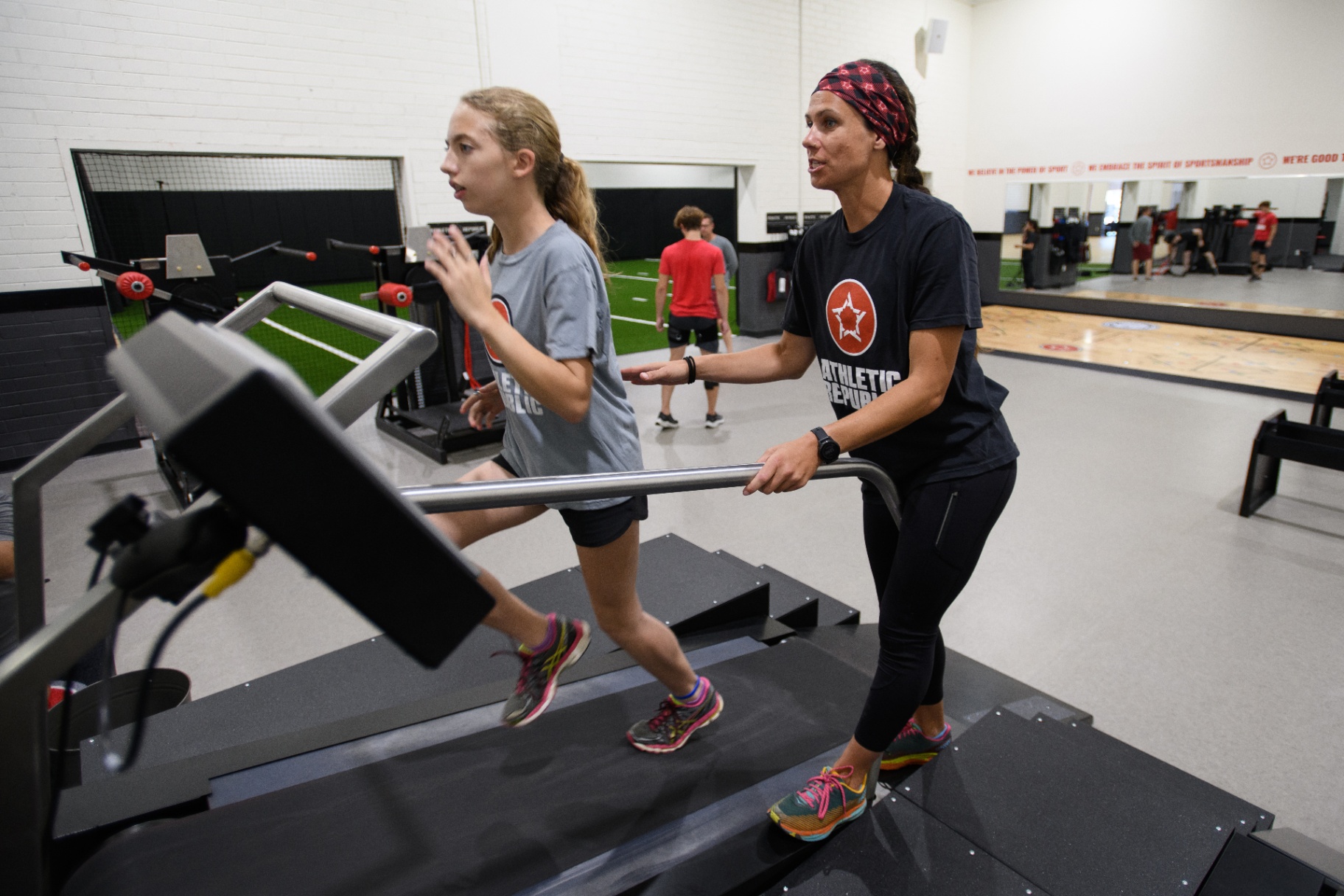
At Athletic Republic Knoxville, the Acceleration program is designed to help athletes build the speed, agility, power, coordination, and repeatable effort that coaches want to see. Training takes place in an 18,000 square foot facility using science-based protocols, specialized equipment, baseline testing, retesting, and hands-on coaching.
The goal is not simply to make an athlete tired. It is to help them move better, perform more consistently, and become easier for a coach to trust.
Playing Time Is About Trust
Coaches have difficult decisions to make. They are not only looking for the most talented athlete. They are looking for players who can help the team consistently.
That usually means athletes who:
- Execute their role within the game plan
- Compete with reliable effort
- Make smart decisions under pressure
- Respond well to coaching
- Defend, communicate, and do the small things
- Maintain their performance as the game goes on
Athletic ability supports all of those qualities. When an athlete can get to the right spot faster, stop under control, recover after a mistake, and repeat high-quality efforts, they give the coaching staff more reasons to put them in the game.
The Acceleration program focuses on the physical qualities behind those moments. It does not replace sport skill, tactical understanding, or a strong attitude. Instead, it helps athletes express those qualities at game speed.
The First Step Coaches Notice
The first step can change an entire play.
In basketball, it may help an athlete beat a defender to the lane or cut off a drive. In soccer, it may determine who reaches a loose ball first. In football, it can create separation off the line or help a defender close a gap. In nearly every sport, the first few steps matter.
Acceleration is not just about having strong legs. It depends on body position, force production, coordination, stride mechanics, and the ability to apply force quickly.
At Athletic Republic Knoxville, trainers work with athletes on the mechanics that make acceleration more efficient. That can include knee drive, hip position, arm action, posture, foot placement, and how an athlete applies force to the ground.
The objective is to help athletes produce a more powerful, controlled first movement: not simply run in a straight line for a longer distance.
Closing Space Without Giving Up Control
Coaches notice athletes who can close space quickly and arrive under control.
A defender who is always a step late may give up an open shot, a passing lane, or a driving angle. An athlete who closes space too aggressively but cannot stop may get beaten just as easily. The difference is the ability to accelerate, decelerate, and stay balanced.
The Acceleration program develops these skills through speed and agility training that teaches athletes how to control their center of gravity. Trainers can help athletes learn when to lower their hips, how to position their feet, and how to prepare for the next movement.
That matters when an athlete must:
- Close out to an opponent
- Recover after helping on defense
- Chase a play from behind
- Stop and redirect in traffic
- Move laterally without crossing their feet
- Transition quickly from defense to offense
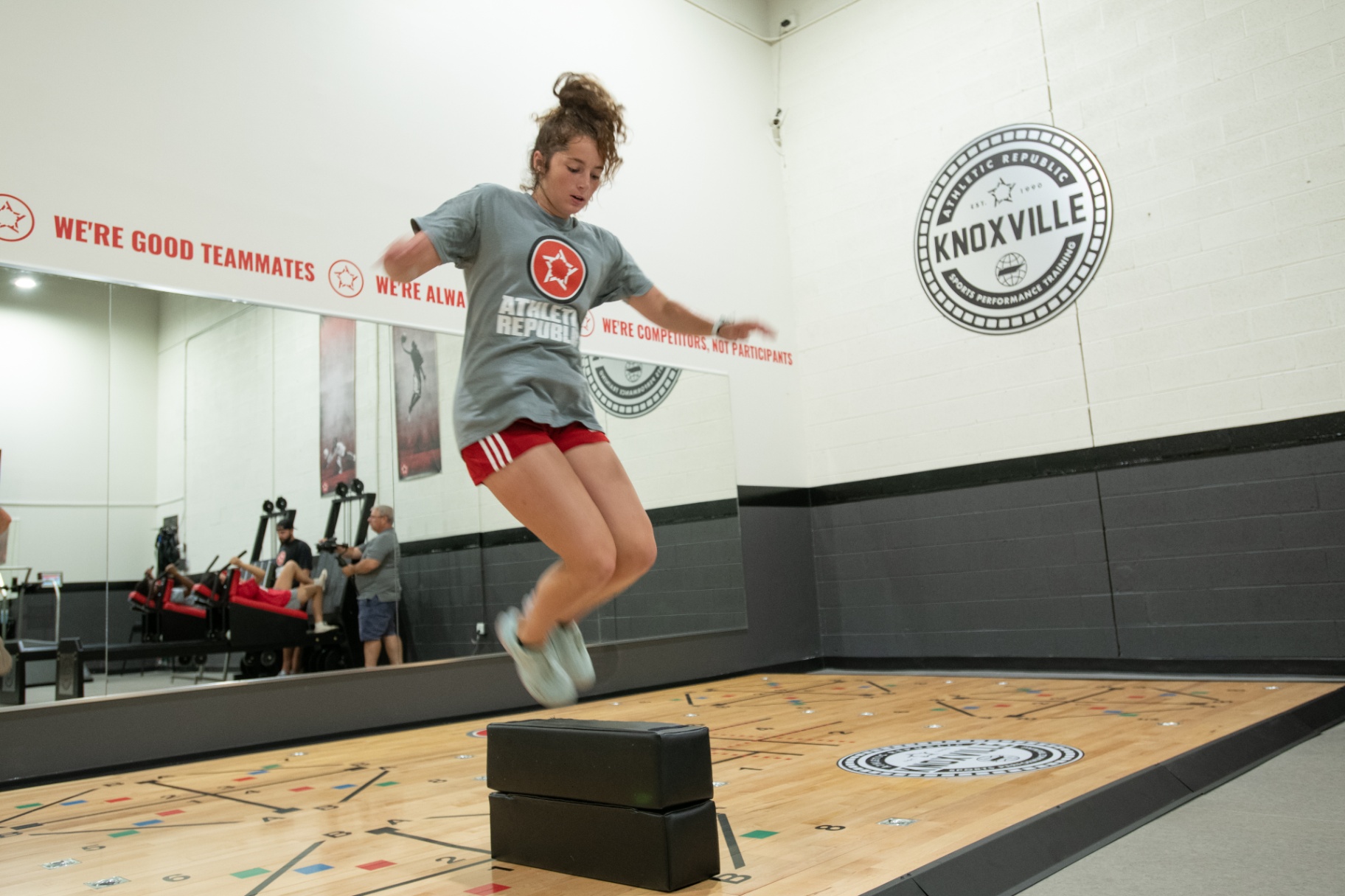
On the field or court, agility is not about performing a flashy drill. It is about making the next play with less wasted movement and more control.
Changing Direction Is a Skill
Most sports are not played in a straight line. Athletes cut, shuffle, backpedal, rotate, stop, start, and react to other people moving around them.
That is why change-of-direction ability is so important. A faster athlete is not always the most effective athlete if they cannot slow down, plant, and redirect safely.
Acceleration training includes drills that challenge an athlete’s ability to absorb force and re-accelerate. Plyometric work can help develop explosiveness and coordination, while strength and stability exercises support better control during movement.
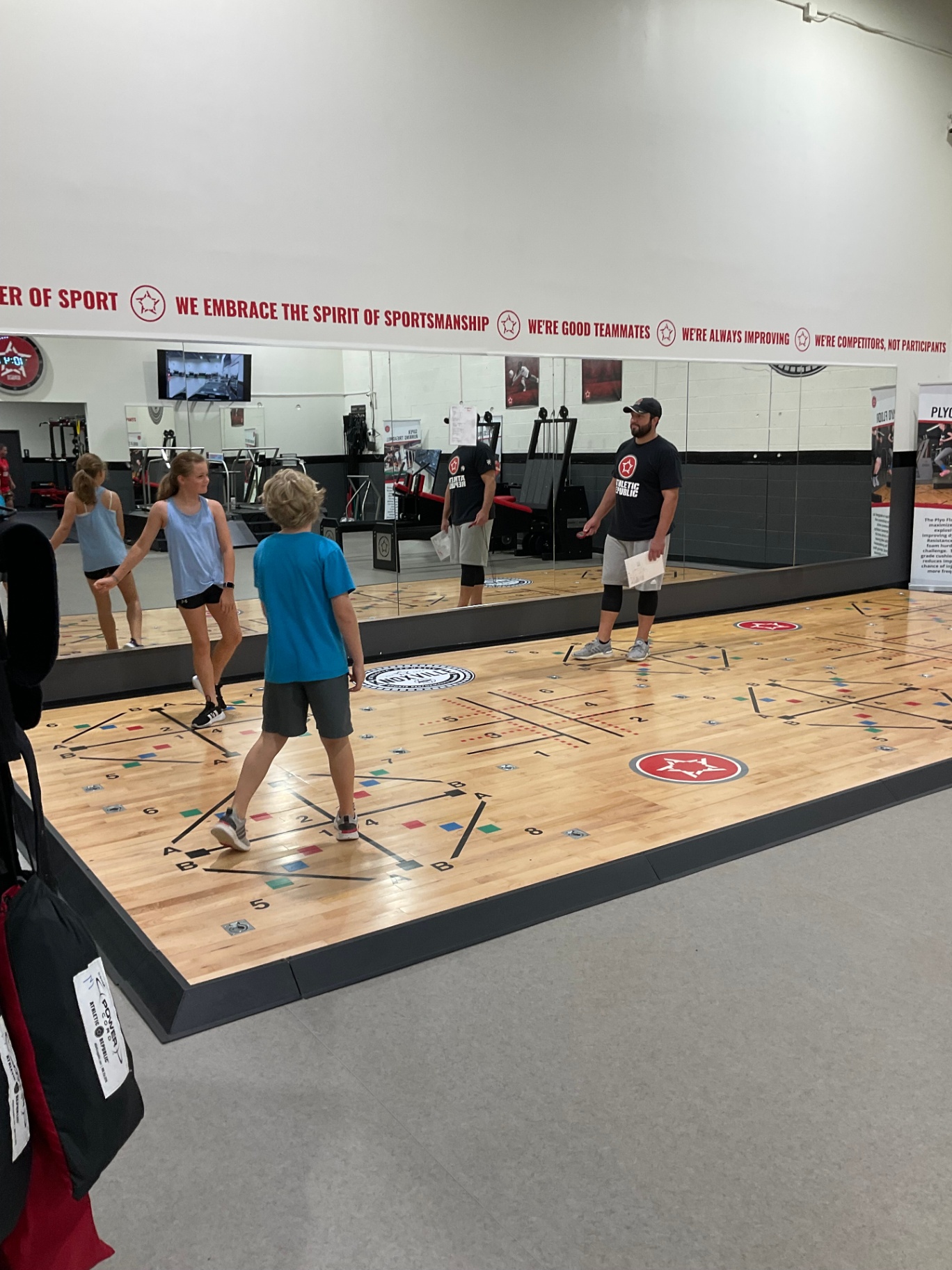
Inside Athletic Republic Knoxville’s 18,000 square foot facility, athletes have room to practice these movements at appropriate speeds and angles. Trainers can adjust the challenge based on an athlete’s experience, sport, goals, and current ability.
The emphasis is on quality movement. Athletes learn to move with purpose instead of simply rushing through repetitions.
Repeatable Effort Separates Reliable Players
One impressive sprint can get attention. Repeatable effort earns trust.
Coaches want to know that an athlete can make a hard defensive recovery in the first quarter and still make that same effort late in the game. They want players who can sprint, stop, change direction, and perform again without a major drop-off in speed or technique.
This is where athletic conditioning connects directly to playing time.
The Acceleration program uses structured training volume, intensity, and recovery to help athletes develop stamina while continuing to work on speed and power. The purpose is not to turn every workout into an endurance session. It is to help athletes maintain the physical qualities their sport demands.
When a player can sustain effort, they become more dependable. They can contribute in more situations, stay engaged during long stretches, and continue executing their responsibilities when fatigue sets in.
Why Baseline Testing and Retesting Matter
“Work harder” is not a complete training plan.
Athletes need to know where they are starting, what they need to improve, and whether the training is working. That is why Athletic Republic Knoxville uses baseline testing and retesting as part of its science-based approach.
Initial testing can help identify strengths, areas for improvement, movement asymmetries, and performance priorities. Retesting later provides a measurable way to evaluate progress.
Depending on the training focus, progress may involve improvements in areas such as:
- Speed and running efficiency
- Explosive power
- Jump performance
- Agility and quickness
- Strength and stability
- Coordination and body control
- Ability to repeat high-intensity efforts
Testing does not define an athlete. It provides useful information. Instead of guessing, athletes and trainers can use results to make smarter decisions about the next phase of training.
That process also helps athletes see progress that may not be obvious right away. A faster time, more controlled landing, stronger movement pattern, or improved repeatability can all be signs that the work is transferring to performance.
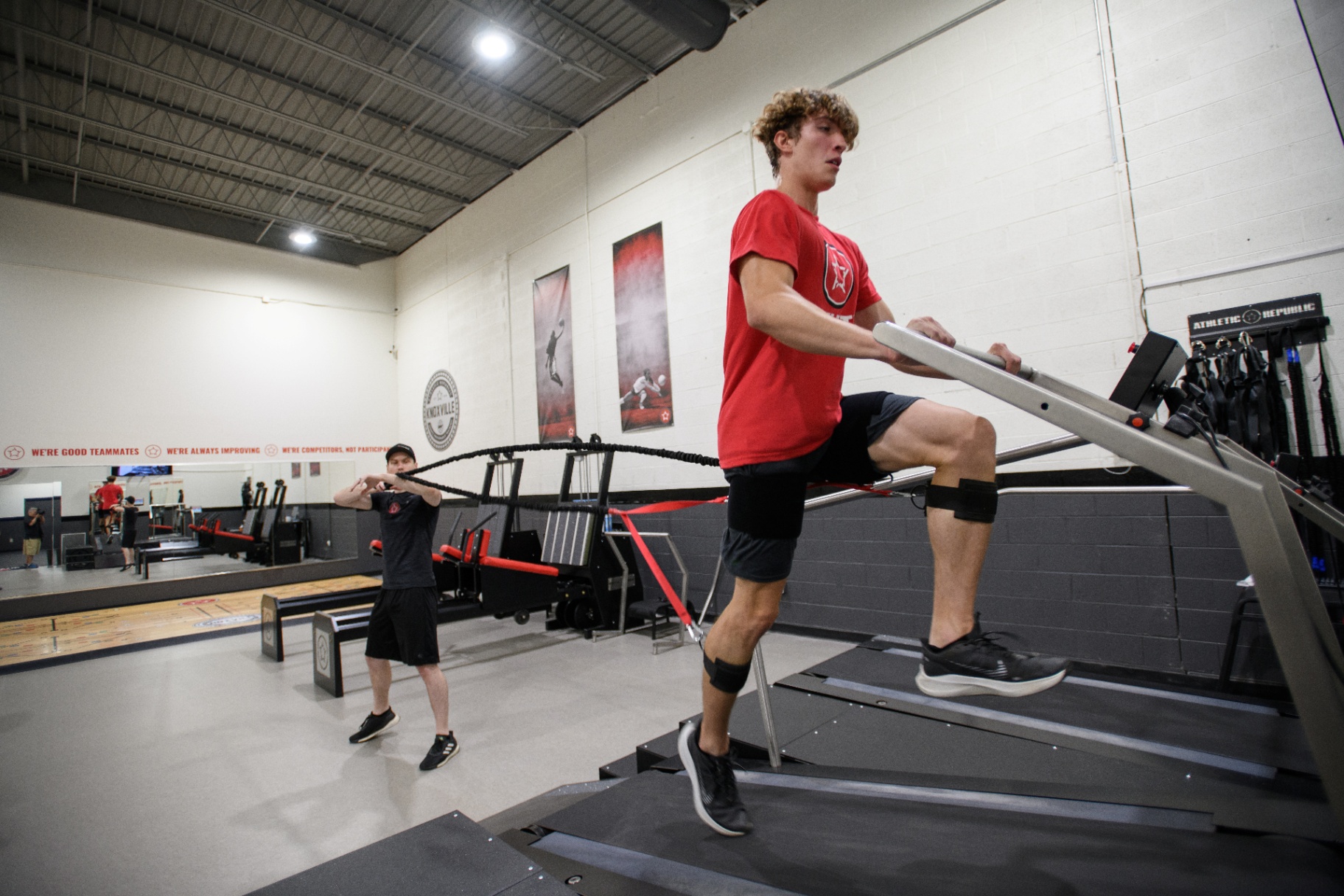
Specialized Equipment Plus Trainer-Led Coaching
Equipment alone does not make an athlete better. The coaching process matters.
At Athletic Republic Knoxville, small-group sessions allow trainers to provide instruction, corrections, and encouragement while athletes work through challenging protocols. Coaches help athletes understand not only what to do, but why the movement matters.
Specialized treadmills are used to develop speed and running efficiency in a controlled setting. Plyometric exercises help athletes practice explosive movement and landing mechanics. Strength and stability work supports force production, balance, and injury-risk reduction. Sport-specific movement patterns help connect training to the demands of competition.
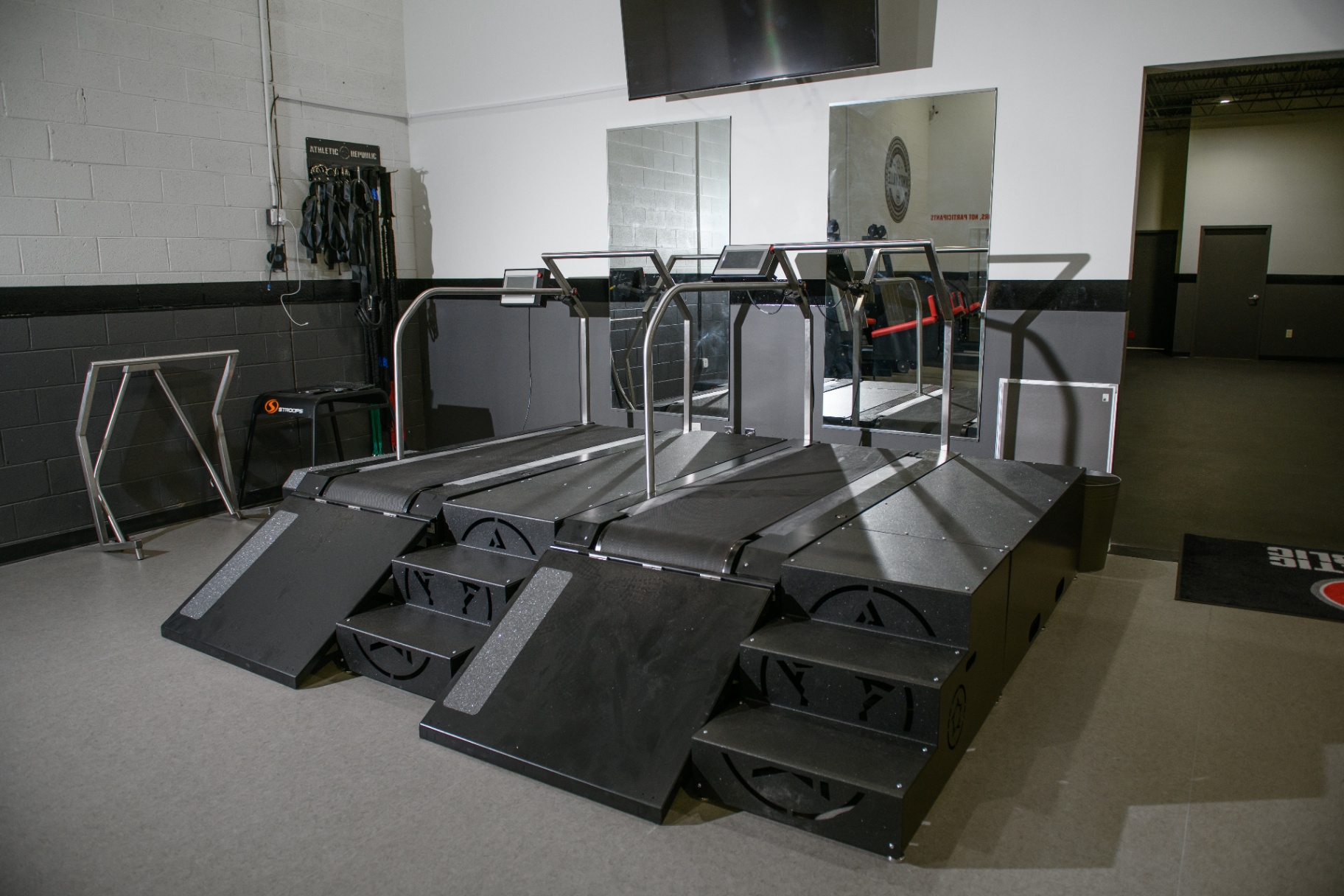
The advantage of training in an 18,000 square foot facility is the ability to combine these elements in one organized environment. Athletes can work on straight-line speed, jumping, lateral movement, strength, and conditioning without reducing the session to a random collection of exercises.
Every drill should have a purpose.
What Athletes Can Show Their Coaches
Training is only part of earning more playing time. Athletes also have to bring their improvements into practice and competition.
After working on acceleration, agility, and repeatable effort, look for opportunities to show coaches that you can:
- Get to defensive positions earlier
- Close space without losing balance
- Recover after being beaten
- Win more loose balls or contested plays
- Sprint through the end of a drill
- Repeat effort without needing reminders
- Apply coaching feedback quickly
- Make the right decision while moving at speed
These moments may look small, but they add up. A coach may not say, “Your change-of-direction mechanics improved.” They may simply notice that you are arriving on time more often, defending with more confidence, or finishing plays that used to get away from you.
That is how athletic development becomes visible.
Earn Your Opportunity at Athletic Republic Knoxville
There is no guaranteed shortcut from the bench to the starting lineup. Playing time still depends on skill, decision-making, attitude, team needs, and the trust you build with your coach.
But you can take ownership of the physical qualities you control.
The Acceleration program at Athletic Republic Knoxville helps athletes train with a clear purpose: improve the first step, close space faster, change direction with control, and repeat high-quality effort. With science-based protocols, baseline testing, retesting, certified trainers, and an 18,000 square foot facility built for performance, athletes get a structured path for becoming more prepared and more confident.
If you are ready to see how targeted sports performance training can support your goals, explore the Acceleration and student-athlete training program.
Then schedule a free workout at Athletic Republic Knoxville.
Your coach may be watching for the moment you earn more responsibility. Make sure your preparation is ready when that moment comes.