You watched your kid show up, work hard at practice, and hope for their chance. Then game day comes, and they spend most of it on the bench, or get a few minutes while someone else starts. The drive home can feel painfully quiet. Maybe you’re replaying the game, searching for the right thing to say, or wondering whether you should do something.
That’s a tough spot for a parent. You want your athlete to know you see their effort, and you also want them to have a path forward. The first step is remembering that the car ride home doesn’t need to solve playing time. It can simply remind your kid that your support isn’t conditional on minutes.
Start with connection, not a post-game review
After a disappointing game, even well-meant questions can sound like criticism. “Why didn’t you shoot?” or “Did you ask the coach what’s going on?” may be reasonable things to discuss later, but right after the final whistle, your athlete may be tired, frustrated, or not ready to talk.
Try something simple:
“I’m glad I got to watch you. Do you want to talk, have some quiet, or put on music?”
If they want to talk, let them set the pace. You might ask, “What was that like for you?” Then listen without immediately turning their answer into a plan. If they don’t want to talk, that’s okay too. You can come back to it another time.
Sport psychology guidance from the Association for Applied Sport Psychology encourages parents to be supportive after competition, avoid criticism, and let athletes initiate a detailed performance discussion. That’s a useful reminder: your kid may need a parent first and a problem-solver later.
Try to avoid comparisons with teammates, dismissing their disappointment (“It’s no big deal”), or criticizing the coach in the heat of the moment. You don’t have to pretend the situation feels fine. You can say, “I can see you’re disappointed. I’m here when you want to talk.”
Effort matters, but it may not be the only thing a coach sees
It’s natural to think, “My kid works so hard. Why aren’t they playing more?” Effort is important. But coaches may also be looking at how an athlete moves and responds in specific moments: how quickly they get up to speed, how well they change direction, whether they can stop and accelerate again under control, and how those qualities show up in the demands of their position or sport.
That doesn’t mean speed is the whole story, or that a coach’s decision can be explained from the stands. Sport skill, decisions, positioning, communication, role execution, and the team’s needs can all matter. A player might work hard and still have a specific, trainable area to develop. The most helpful next step is to get clarity rather than guess.
When the emotions have settled, help your athlete think about asking the coach a practical question: “What are one or two things I can work on to earn a bigger role?” The National Federation of State High School Associations recommends keeping playing-time conversations focused on the athlete’s development, not comparisons with another player. When appropriate, let your athlete take the lead, with you there to support them.
Give them a development goal they can work on
If the coach identifies speed, first-step quickness, or changing direction as an area to improve, those aren’t just vague traits. They can be practiced with thoughtful coaching and a progression suited to the athlete. That gives your kid something concrete to work toward, whether or not playing time changes right away.
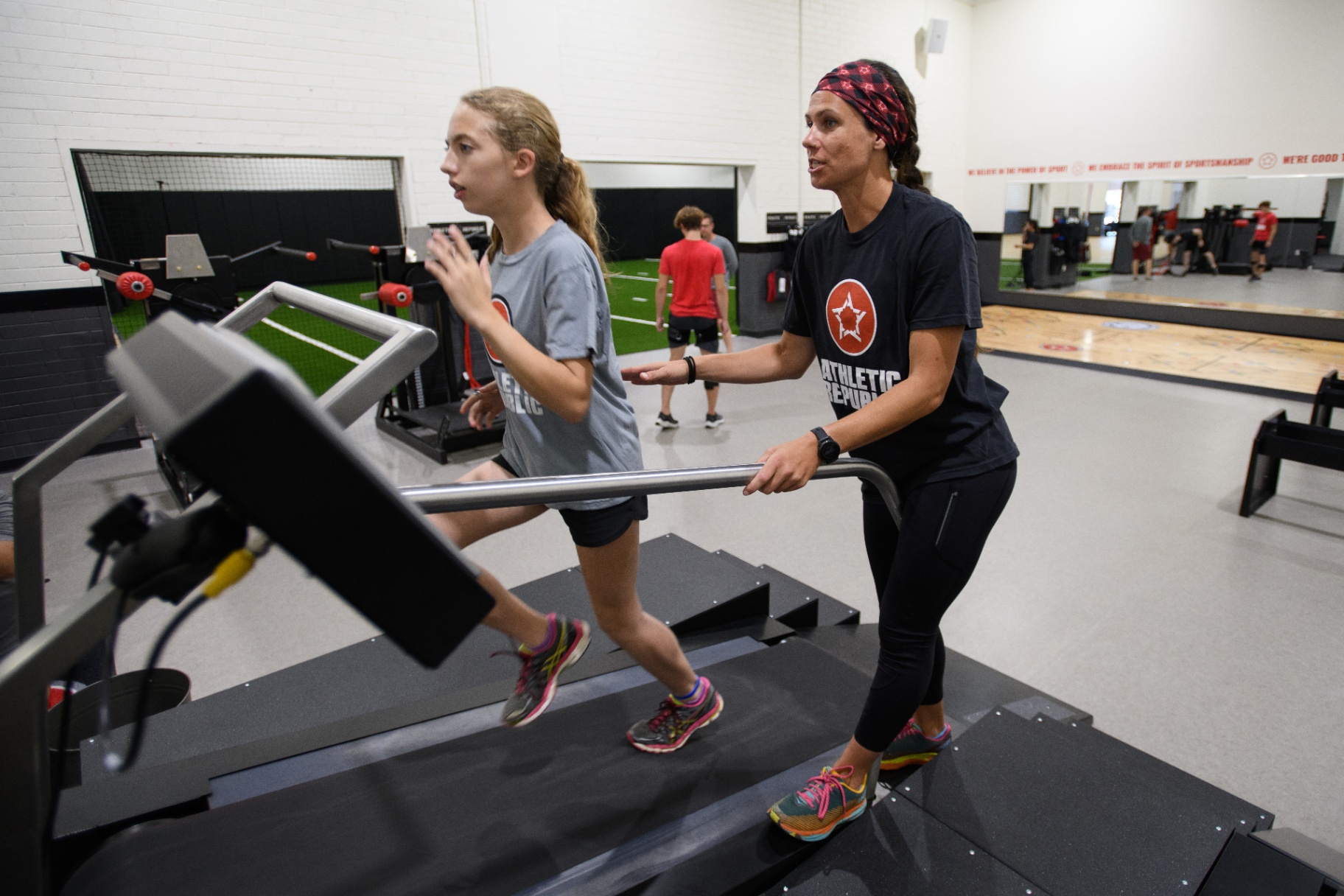
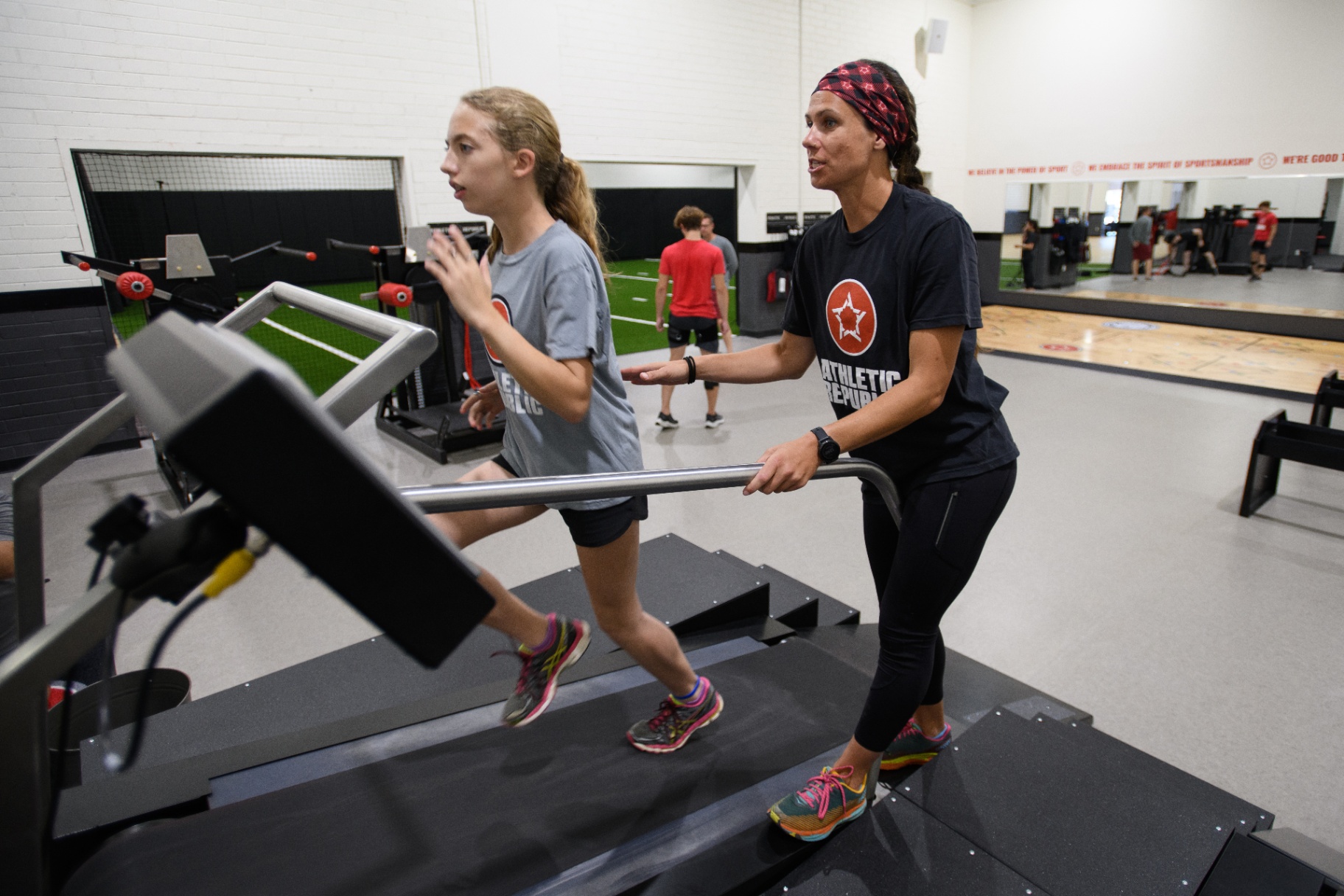
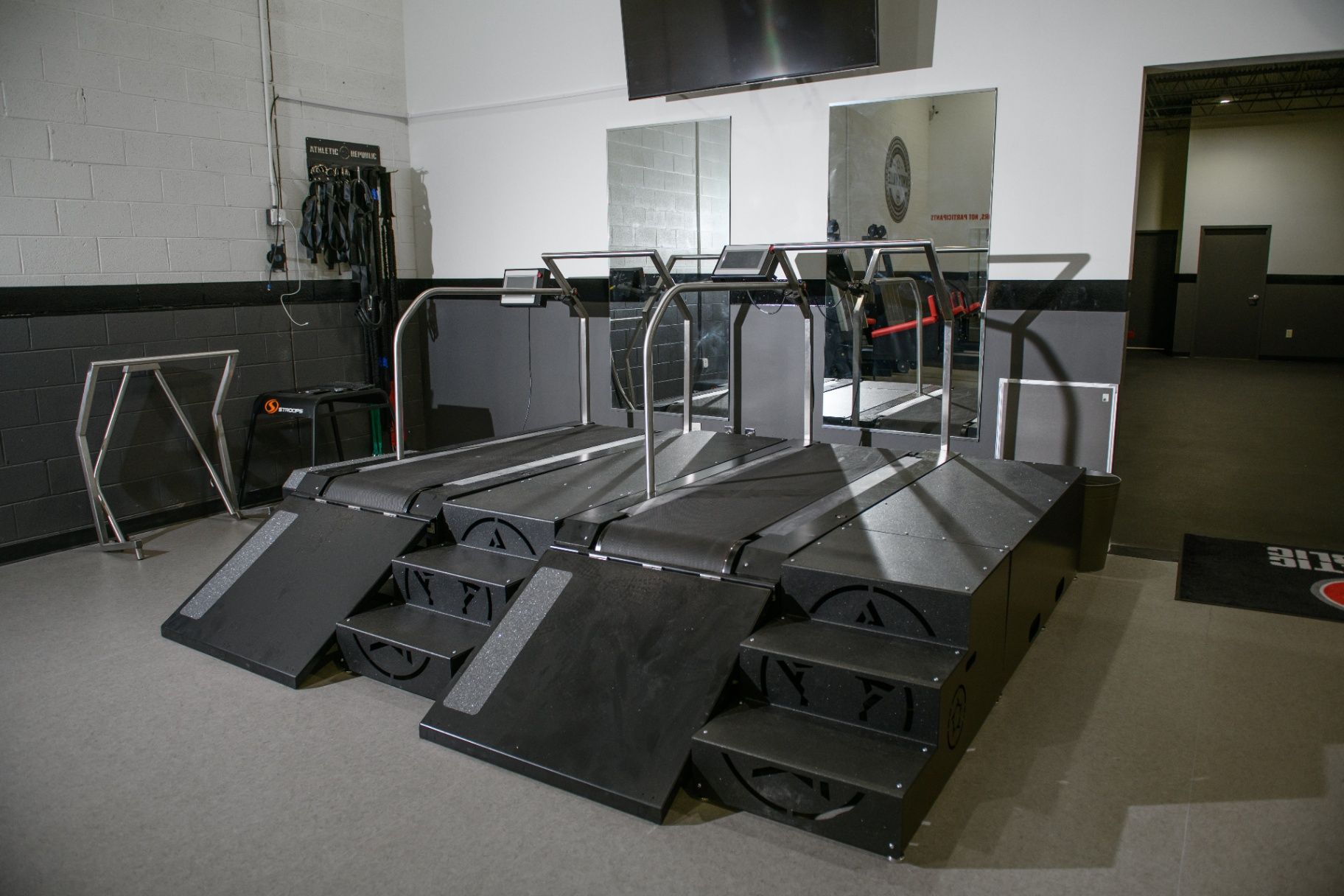
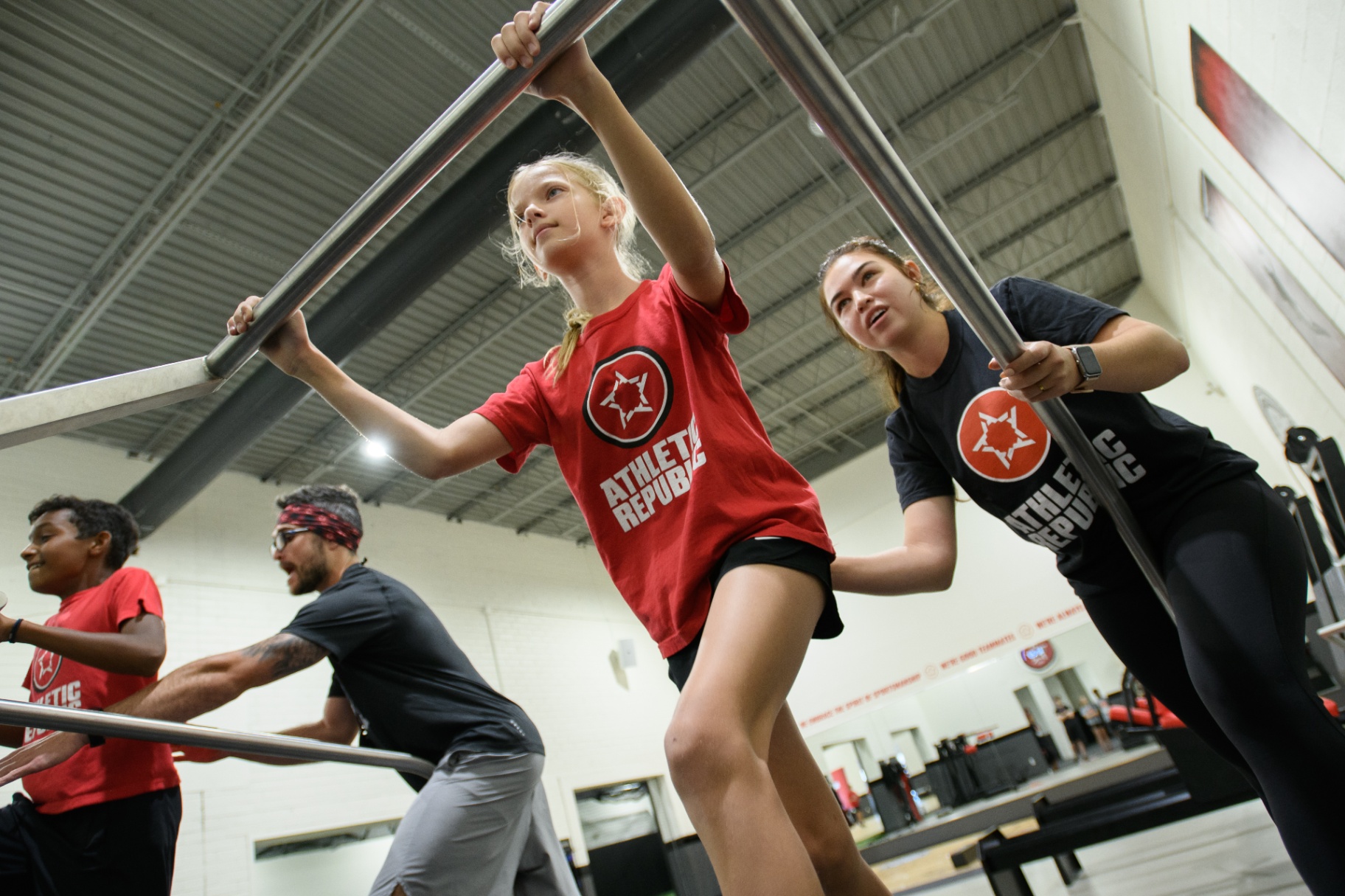
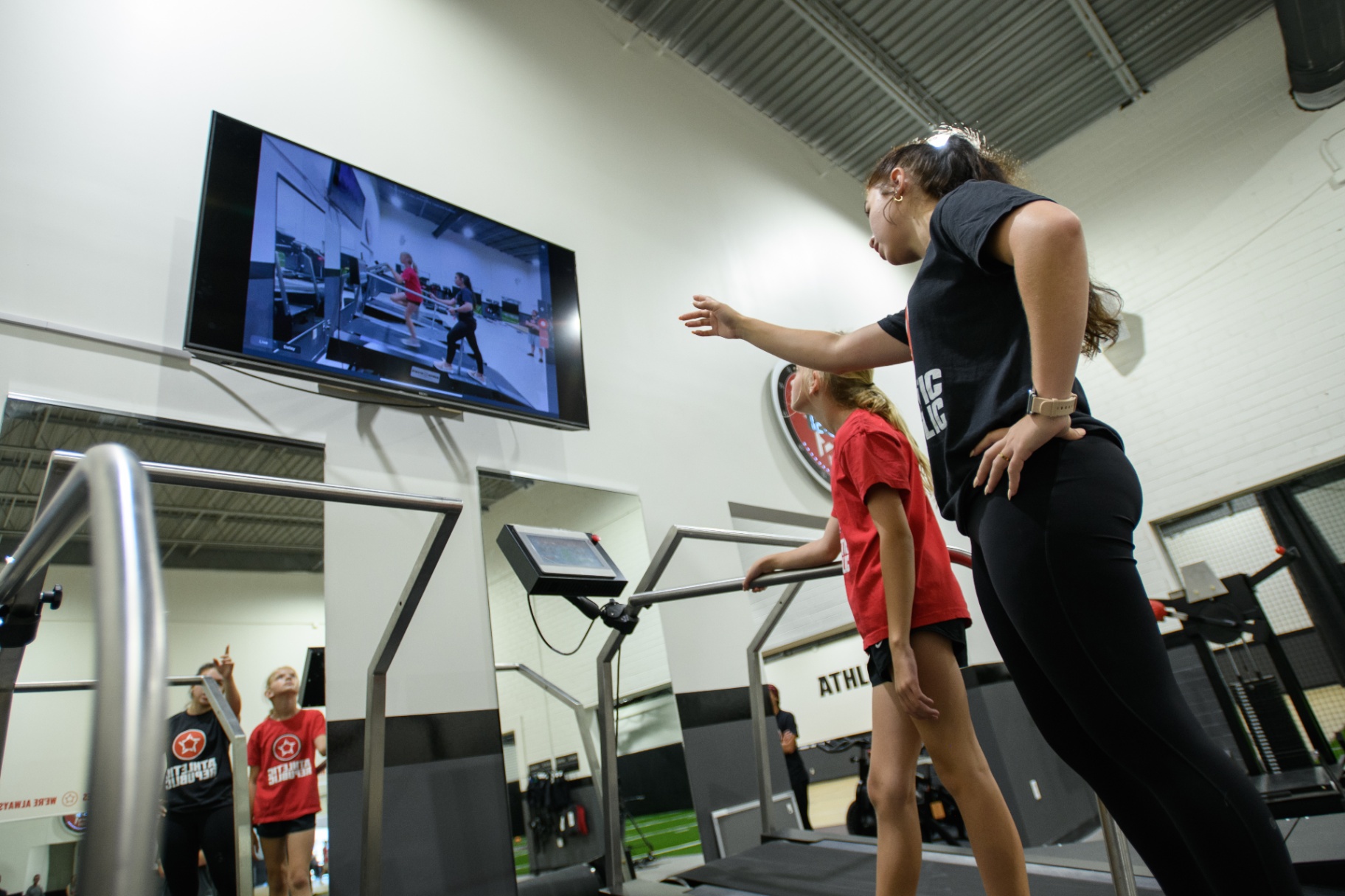
At Athletic Republic Knoxville, the Acceleration program is designed to develop athletic qualities such as speed, power, quickness, and agility through science-based training protocols. Athletes begin with objective testing to help identify a baseline and areas to work on. Training can include running mechanics on high-speed treadmills, plyometrics, and strength work, coached in Athletic Republic Knoxville’s 18,000-square-foot facility.
The point isn’t to make a promise about what will happen in the next game. It’s to give an athlete instruction, structure, and a way to measure their own development. Coaches may use visual feedback to help athletes understand what they’re doing and where to focus next.
What progress can look like, week to week
Progress isn’t always a dramatic change on the scoreboard. At first, it might look like an athlete learning a more consistent warm-up, paying attention to posture and arm action, or feeling more confident with the first few steps of a sprint. In another session, the focus may be on landing under control, changing direction with better balance, or following through with a strength exercise using good form.
As training continues, testing and coach feedback can help show how the athlete is responding. The exact pace and type of progress vary by age, experience, sport, consistency, and individual needs. A useful weekly question is not “Did you get more playing time?” but “What’s one thing you’re getting better at?” You can notice effort and follow-through without turning every ride home into a report card.
That distinction matters: development is something your athlete can participate in and influence. A lineup decision belongs to the coach. Training can support an athlete’s preparation, but it can’t guarantee a starting spot, more minutes, or a particular role. Athletic Republic Knoxville won’t promise that. The coach makes those decisions based on the team and the athlete’s situation.
Encourage the process without adding pressure
A few small habits can help you support your athlete:
- Ask what kind of support they want. Sometimes it’s conversation; sometimes it’s a quiet ride.
- Make goals specific and manageable. Focus on one or two coach-identified areas instead of trying to fix everything at once.
- Notice effort and learning. “You stayed focused on that drill” is more useful than demanding a certain result.
- Keep training in perspective. It should support an athlete’s development and overall well-being, not become another source of pressure.
- Check in after a little time has passed. Ask how they feel about their progress and whether they’re getting useful feedback.
If your athlete is ready for a structured place to work on speed and movement skills, explore student-athlete training at Athletic Republic Knoxville. You can also schedule a free trial class to see whether the program feels like a good fit.
And on the next ride home? Start with your kid, not the box score. A calm “I’m proud of you, and I’m here” can make room for the harder conversation, and the next step, when they’re ready.