A player comes off the field and says, “I just need to try harder.” Another thinks they need more conditioning. A third is convinced they’re quick, until the game asks them to accelerate, stop, and change direction under pressure.
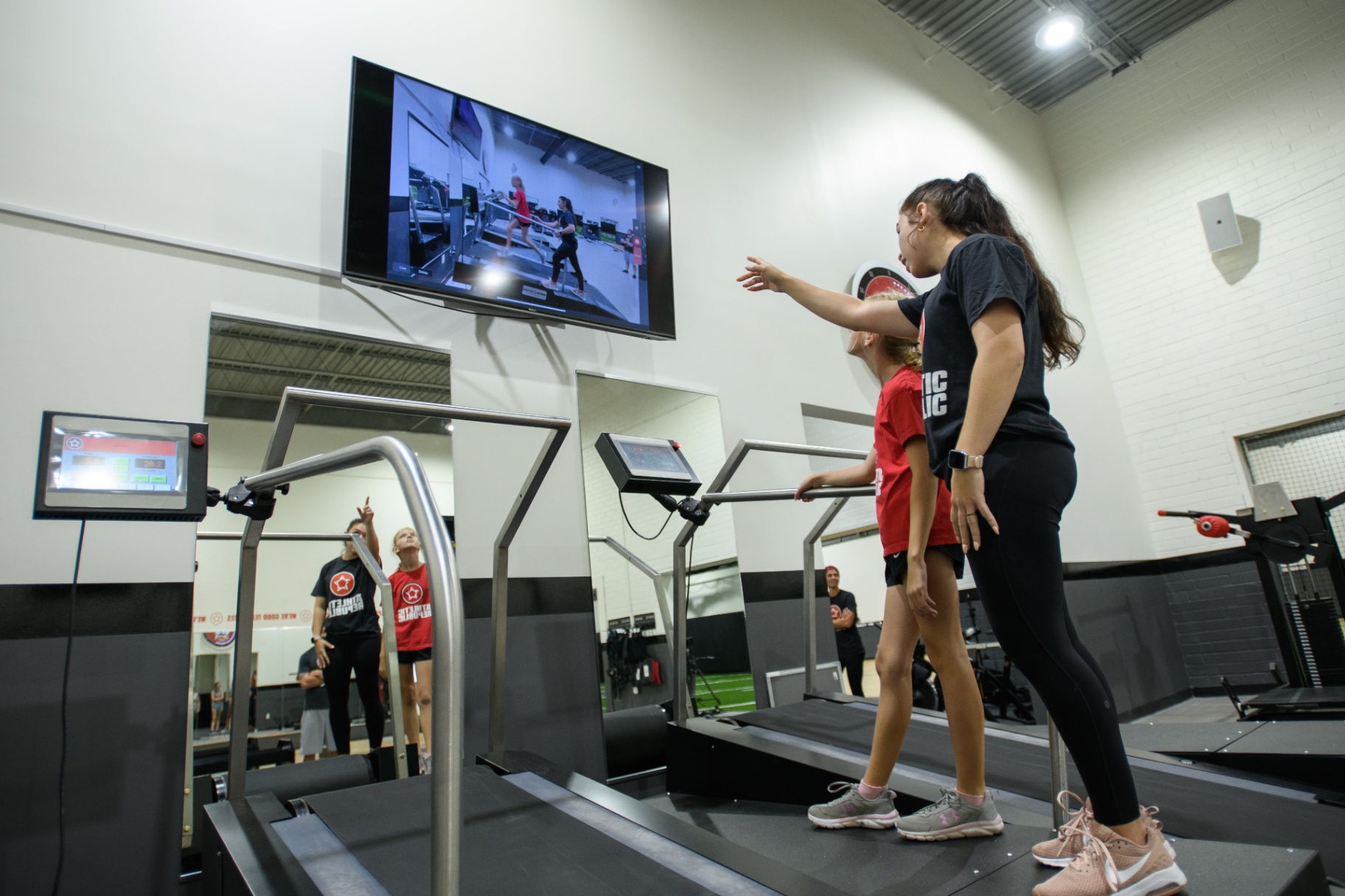
Those guesses may feel right, but they don’t always explain what’s happening. When movement happens fast, it can be hard to tell what your body is actually doing. That’s why the Acceleration Program at Athletic Republic Knoxville pairs coach observation and testing with real-time video feedback and treadmill-based running-mechanics coaching. Seeing a movement clearly gives athletes and coaches something specific to work on, not just another reason to wonder why a play didn’t go their way.
Why speed is hard to judge by feel
Athletes experience movement from the inside: effort, tension, breath, and the sensation of pushing off. Coaches and teammates see the movement from the outside. Those views don’t always match.
An athlete may feel powerful but be reaching forward with each step. They may feel fast in a straight sprint but hesitate when asked to cut and accelerate in a new direction. A player might believe their arms are working hard, while their shoulders are tight and their arm action is disrupting their rhythm.
None of this means an athlete lacks commitment. It means that effort and movement quality are different things, and the details can be difficult to notice in real time. Video can slow down a quick action so an athlete and trainer can review the same moment, ask useful questions, and decide what to practice next.
Turn a vague feeling into a useful question
In a training session, a coach may first observe and test an athlete’s movement, then use video to review a specific part of a sprint or drill. The goal isn’t to hunt for flaws in every frame. It’s to identify a meaningful pattern, connect it to the athlete’s goal, and choose a practical next step.
For instance, instead of asking, “Why am I not faster?” an athlete and coach can look at a sprint and ask: “Am I rising too early as I accelerate?” or “Do I lose control when I plant and redirect?” Testing helps provide another point of reference, while video helps explain what the athlete is doing during the movement.
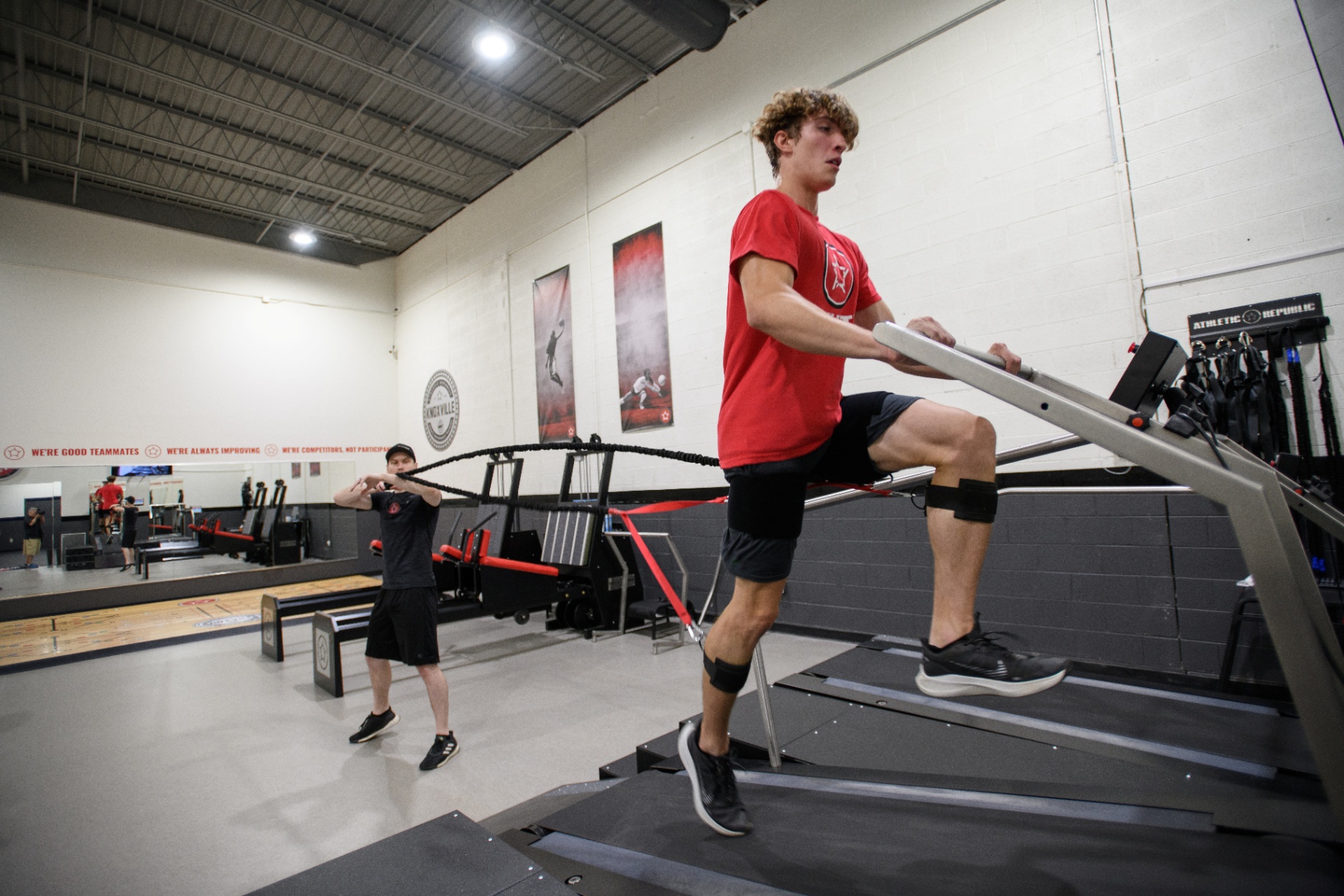
The student-athlete training program at Athletic Republic Knoxville uses a small-group, trainer-led format, specialized running treadmills, plyometrics, and strength work. Athletes are tested at the beginning and end of a program to assess areas for improvement and measure results. Coaches can also use immediate coaching and visual feedback to help athletes work on running mechanics.

What might a coach notice?
Every athlete is different, and a video review should be interpreted in context, not treated as a checklist of universal “perfect” positions. But a few examples show why seeing the movement can be helpful.
- Overstriding: An athlete’s foot may land too far ahead of their body during a sprint, creating a reaching pattern. A coach can review the athlete’s stride and help them explore a more effective way to project forward and make ground contact.
- Low or mistimed knee drive: The concern isn’t simply whether the knee looks high. The coach can assess how the athlete’s leg action fits with posture, rhythm, and the phase of the sprint, then choose a cue that supports the whole movement.
- Inefficient arm mechanics: Tense shoulders or arm movement that works against the athlete’s rhythm may show up on video. A simple cue, such as keeping the shoulders relaxed, can be more useful than trying to copy someone else’s exact form.
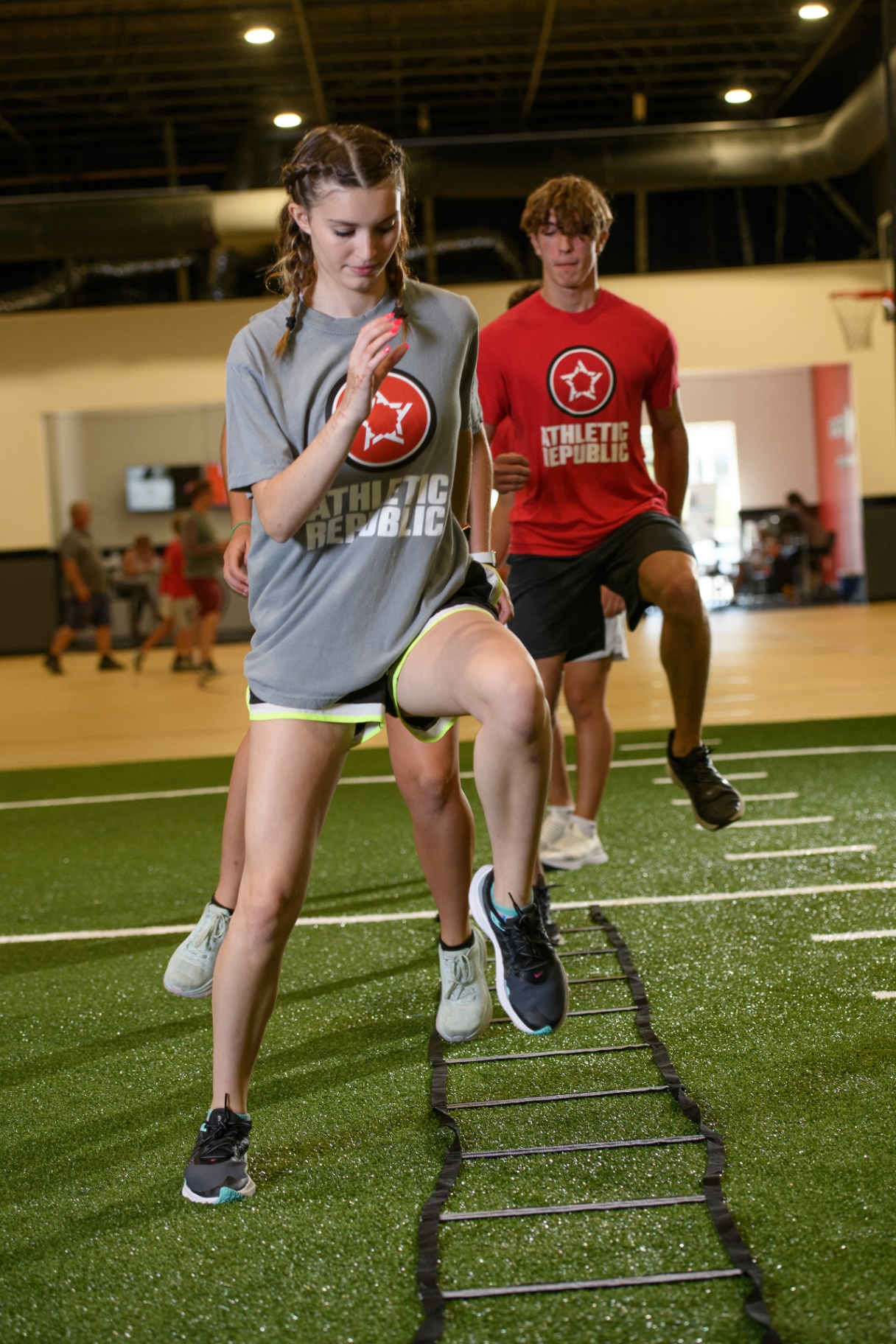
- Hesitation on a change of direction: In a cut or turn, a pause, an uncontrolled plant, or difficulty accelerating out of the movement can be easier to spot on playback. The coach can then work on braking, balance, and the next step in a way that fits the athlete and drill.
The point isn’t to make every athlete move alike. It’s to understand what the athlete is doing, identify an area that may be limiting performance, and coach a change that can be tested. Research on sprinting also points to the importance of coordinated whole-body movement, rather than one isolated feature as the answer to getting faster. A review of sprint biomechanics explores how different movement and coordination factors relate to sprint velocity.
Honest feedback can build confidence
Video feedback can feel uncomfortable at first. Athletes may worry that a coach will only point out what they’re doing wrong. A supportive review should do the opposite: make the conversation more specific and less personal.
Rather than “You’re not athletic enough,” the feedback can be, “Let’s look at what happens in the first part of this sprint,” or, “Notice how you handle the plant on this cut. We’ll try one cue and see if it helps.” That’s information an athlete can work with. It separates a fixable skill from a judgment about who they are.
It can also help athletes notice what they’re already doing well. Once an athlete sees a strength in their movement, they can learn to repeat it with more confidence. And when a coach identifies a development area, the athlete has a clearer practice target than simply trying to “be quicker.”
For an athlete hoping to earn a larger role, that clarity can matter. Better movement habits may support performance, but they don’t guarantee a starting spot, more playing time, or a particular result. Coaches make lineup decisions based on many factors, including sport skills, team needs, and performance in competition. The Acceleration Program focuses on helping athletes develop physical skills they can bring back to their sport.
Practice the change, then check it
Seeing a movement is a starting point, not the whole process. A coach can use a treadmill-based drill to focus on running mechanics, give a specific cue, and observe how the athlete responds. For change of direction, the athlete can practice the movement and work toward applying it with more speed and control.
The feedback should stay focused. Trying to correct five things at once can make movement feel complicated. A coach may select one priority, give the athlete a chance to practice it, and then review the movement again. Over time, the aim is for the athlete to use the skill outside a coached drill, in practice and competition, where movements happen in response to the game.
This approach fits the scale and purpose of Athletic Republic Knoxville’s 18,000-square-foot training facility: space and equipment for athletes to practice different aspects of performance with guidance from certified trainers. The environment supports training, but the coaching matters too. Athletes need observations they can understand, drills that match their goals, and encouragement to keep working through the learning process.

A note about injury and recovery
If an athlete is injured, experiencing pain, or returning to sport after an injury, video review and performance training should be part of an appropriate plan, not a substitute for medical guidance. Follow the recommendations of the athlete’s physician or qualified healthcare professional, and discuss readiness to train with the coaching team. Athletes returning from injury may need a gradual, individualized progression.
Start with what you can see
When an athlete feels stuck, the answer isn’t always more effort. Sometimes the next step is to understand the movement more clearly. Real-time video, testing, treadmill-based coaching, and an experienced trainer can help turn a broad concern into a specific skill to practice.
Learn more about student-athlete training at Athletic Republic Knoxville, or book a free trial class.