Acceleration Program: Earning the Starting Spot
Sitting on the bench can make every practice feel like a test you’re failing. You might be working hard, watching the lineup stay the same, and wondering what your coach sees that you don’t. The frustrating part? You may not know what to work on because you haven’t asked.
That conversation can feel awkward. It can also be one of the most useful steps you take as an athlete. Asking your coach for specific feedback isn’t demanding playing time or picking a fight. It’s a skill: listen, ask clearly, and turn the answer into a plan.
Why it’s so hard to ask
Athletes often stay quiet because they worry the coach will think they’re complaining, being disrespectful, or only caring about themselves. Others expect a blunt answer, or no answer, and decide it’s safer not to ask at all. Parents may feel the same tension and want to step in, especially when their child is upset.
Those reactions are understandable. But a respectful question is not a confrontation. You’re not asking a coach to promise a starting spot. You’re asking for information you can use to improve.
Research on youth sport coaching has examined the value of coaches showing interest in athletes’ input. In a study of 165 youth swimmers, athletes’ perceptions of autonomy-supportive coaching included whether coaches asked for and listened to their input. That doesn’t mean every coach will respond perfectly, but it supports a straightforward idea: athletes can take part in a productive conversation about their development. (Conroy & Coatsworth, “Assessing Autonomy-Supportive Coaching Strategies in Youth Sport”)
Pick a moment when you can both think
Don’t start the conversation in the heat of the moment right after a game. You may be disappointed or angry, the coach may be reviewing the game or talking with the team, and neither of you is likely to be at your clearest.
A calmer practice moment is usually better: perhaps before practice starts, after the team has finished, or at another time when the coach isn’t managing a drill. Even better, ask to schedule a short check-in. You might say:
“Coach, could I get five minutes with you sometime this week? I want to understand what I should focus on to earn more responsibility.”
That gives your coach a chance to find a useful time instead of trying to squeeze a meaningful conversation into a busy minute. If the answer is “not now,” ask when would work. For younger athletes, a parent can help arrange the meeting, but whenever possible, let the athlete lead the conversation.
Ask questions that give you something to do
“Why don’t I ever start?” may be the question you’re feeling, but it can put the coach on the defensive. It also invites a broad answer that doesn’t tell you what to work on next.
Try a question that asks for specific, observable feedback instead:
- “What are the two things you need to see from me in practice this week?”
- “What’s one area of my game that would make the biggest difference right now?”
- “Where am I right now on the depth chart, and what moves me up?”
- “What should I do differently in practice when we work on [specific situation]?”
- “Is there a role I can prepare for or contribute in while I keep improving?”
You don’t need to ask all five. Pick one or two that fit your situation. Then listen to the whole answer before replying. If something is unclear, ask a follow-up: “Could you give me an example of what that looks like in practice?”
That last question matters. “Be more consistent” is hard to act on until you know what your coach means by consistency: better communication, fewer missed assignments, stronger effort through the whole drill, or something else.
Turn the answer into practice targets
Your coach’s feedback is the beginning of a plan, not the plan itself. Write down what you heard as soon as you can. Then turn it into one or two things you can actually observe.
For example:
- Coach says: “Communicate more on defense.”
- Practice target: Call out the screen or assignment early during defensive drills.
- Track: After practice, note whether you did it consistently and what situations you missed.
Or:
- Coach says: “You need to finish through contact.”
- Practice target: Stay balanced and complete the finish on the designated contact reps.
- Track: Record the number of focused reps and what you need to adjust next time.
Think of it like tracking baseline numbers. At Athletic Republic Knoxville, athletes are tested at the beginning of a training program and again later to measure progress. The point isn’t to obsess over every number; it’s to get a clear starting point and notice meaningful changes. You can use the same mindset with coach feedback: identify the starting point, choose a target, and keep track of your work.
Specific goals are useful because “get better” gives you no clear next step. In a study of 210 athletes, researchers found links between athletes’ goals, effort, and goal progress, with coach autonomy support also associated with athletes’ goal motives and need satisfaction. The practical takeaway isn’t that a goal guarantees a result. It’s that a goal you understand and can work toward gives your effort direction. (Smith, Ntoumanis & Duda, “Goal Striving, Goal Attainment, and Well-Being”)
Follow up weekly, without nagging
You don’t need to ask every day whether you’ve moved up. That can make the conversation feel like a demand for a decision instead of an effort to improve.
Try a simple rhythm:
- Ask for feedback and agree on one or two targets.
- Work on them during the week.
- At the next check-in, briefly share what you focused on.
- Ask what the coach noticed and whether you should keep working on those targets or adjust them.
For example: “Last week you asked me to communicate earlier on defense. I focused on that in drills. Is there anything you’d like me to keep building or change this week?”
Once a week, or after a meaningful stretch of practices, is usually enough. If the coach hasn’t had time to respond, be patient and ask when a quick check-in would fit. A short, prepared question and a clear update are more useful than repeating “Have I earned it yet?”
What if you don’t like the answer?
You might hear that you’re not ready, that another athlete currently fits a team need better, or that there’s more than one thing to improve. That can sting. Take a breath, make sure you understand, and ask what the next step looks like.
A coach’s answer is information, not a verdict on your value as a person. It also isn’t a promise that playing time will change on a certain date. Keep your targets focused on what you can control: your preparation, effort, response to feedback, and performance in the role you have today.
Parents can help by asking their athlete what they heard and what they plan to work on, not by turning every car ride home into a review of the lineup. Let the athlete own the goal. A good conversation should help them feel more prepared to take the next step, even if the answer wasn’t what they hoped.
Build the athlete, and keep expectations honest
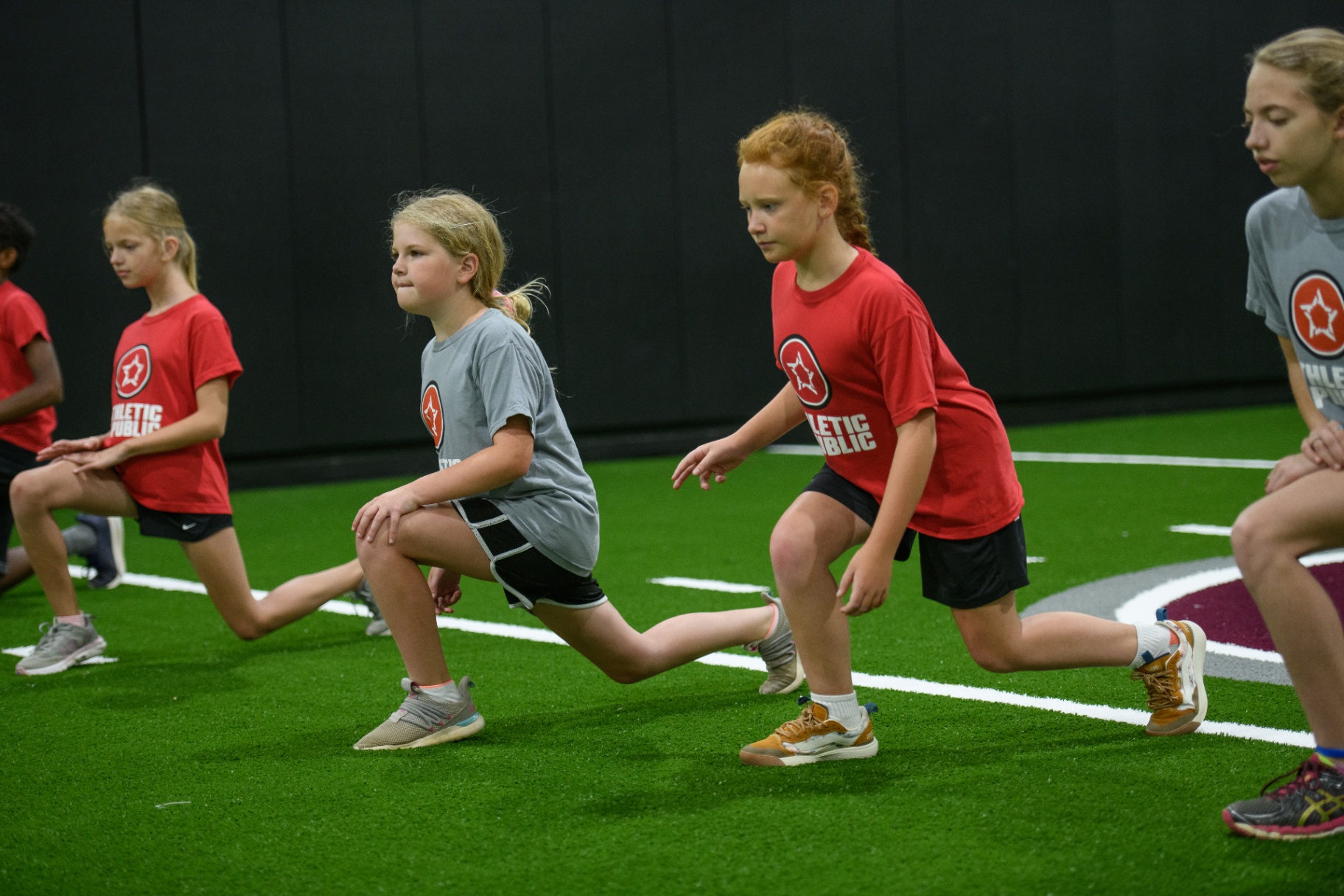
A coach conversation can clarify what to work toward. Training can help develop athletic qualities that support an athlete’s game. At Athletic Republic Knoxville, certified trainers use science-based training protocols to build speed, agility, power, and movement skills in a personalized setting. Our 18,000-square-foot facility gives athletes room to train with specialized equipment and coaching.
Training can help you build qualities that may strengthen your performance and support the work you’re doing with your team. But no training program can promise a starting spot or playing time. Effort matters. So do coach decisions, the other athletes on the roster, team needs, and the opportunities that arise during a season. Honest progress means working on what you can influence without pretending you control everything.
If you’re ready to work on the athletic qualities behind your game, learn more about student-athlete training at Athletic Republic Knoxville.
And if you’d like to see how the training environment feels, schedule a free trial class.
The conversation may feel uncomfortable the first time. Prepare one clear question, choose a calm moment, and listen for something you can work on. You don’t have to demand a spot. You can ask what the next step is, and then show up ready to take it.
Research informing this article also includes Ansell and Spencer’s study of coach feedback and athlete self-regulation among youth hockey players, published in the Journal of Applied Sport Psychology. Read the study.