There is no place more frustrating than the bench. You’ve put in the hours, you’ve attended every practice, and you have the "heart," but when the whistle blows, you’re watching from the sidelines.
When you ask a coach what you need to do to earn a starting spot, the answer is almost always the same: "You need to be more explosive. You need to get faster."
So, you go to the local track or a generic big-box gym. You run until your lungs burn. You do ladder drills until you’re blue in the face. But a month later, you aren’t any faster on the field, and you’re still wearing a pinny during the first-team scrimmage.
The truth is, most athletes are training for "speed" in ways that actually make them slower. At Athletic Republic Knoxville, we see it every day. Athletes come to our 18,000-square-foot facility with plenty of effort but the wrong strategy.
If you want to move from the bench to the starting lineup, you have to stop "working hard" and start training with science. Here are the seven biggest mistakes you’re making with your speed training: and exactly how we fix them in our Acceleration program.
1. You’re Treating Speed Like Conditioning
This is the number one mistake we see. Many athletes think that if they aren't gasping for air, they isn't working hard enough. They run 10 sprints with 10 seconds of rest in between.
The Problem: Speed training is about the nervous system, not just the lungs. When you sprint while tired, your output drops. You aren't training your brain to run fast; you’re training it to run slowly while fatigued. That’s conditioning, not speed development.
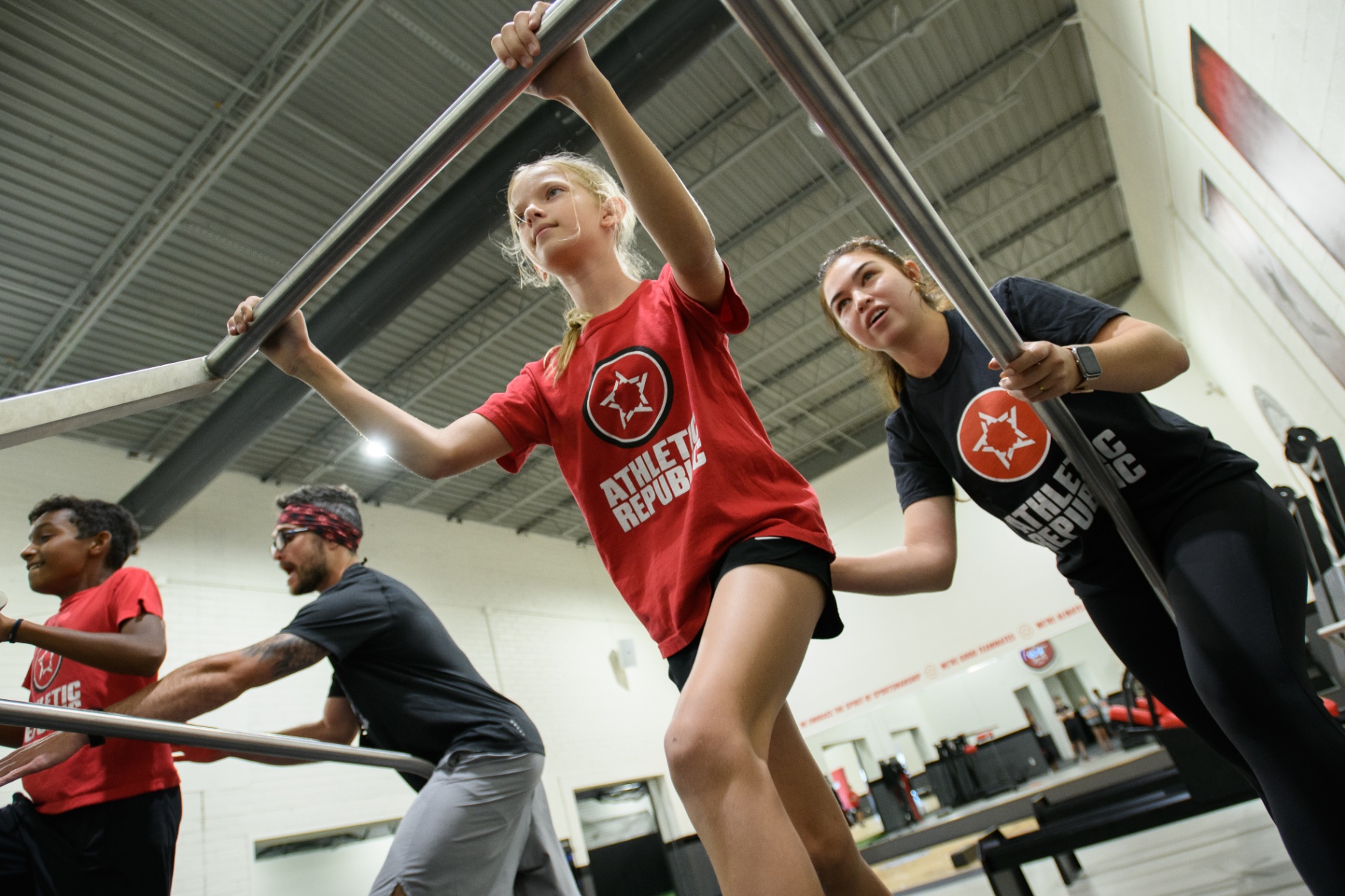
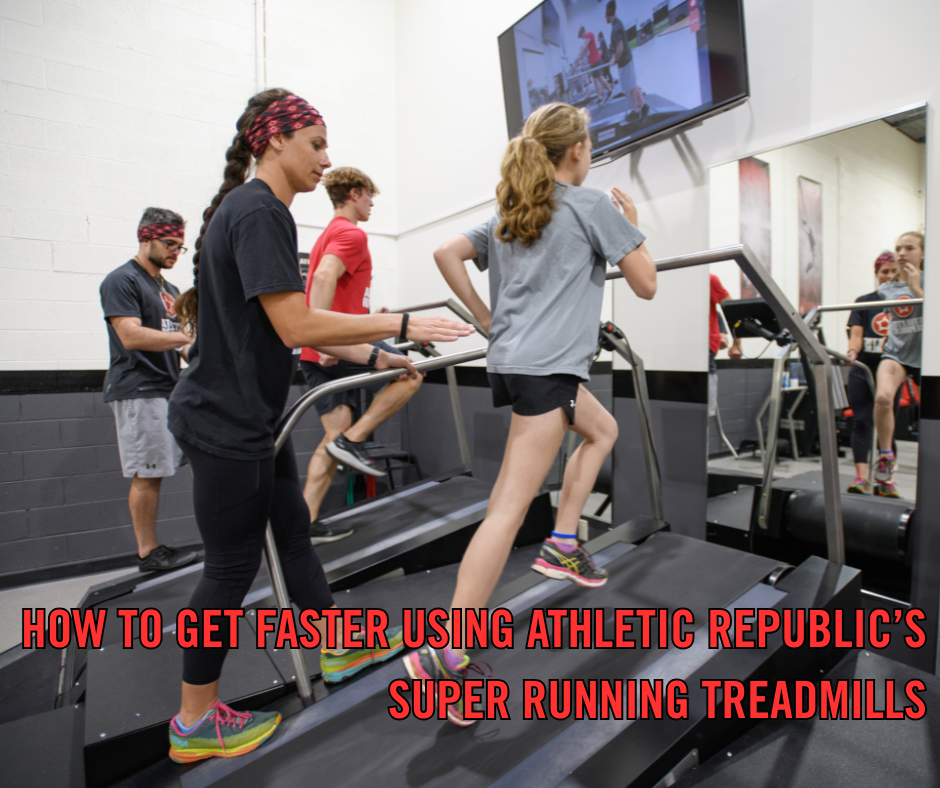
The Fix: True speed training requires full recovery. At Athletic Republic Knoxville, we use specific work-to-rest ratios (often 1:10 or higher). We want every single rep on our Super Running Treadmills to be at 100% intensity. If you aren't recovered, you aren't getting faster; you're just getting tired.
2. You’re "Running Hard" with Bad Mechanics
Have you ever seen an athlete who looks like they are working incredibly hard: arms flailing, head bobbing: but they aren't actually going anywhere? They have "fast feet" but zero ground-cover.
The Problem: Effort doesn't equal velocity. If your foot strike is too far in front of your body (over-striding) or your hips are sitting low, you’re essentially driving with the parking brake on.
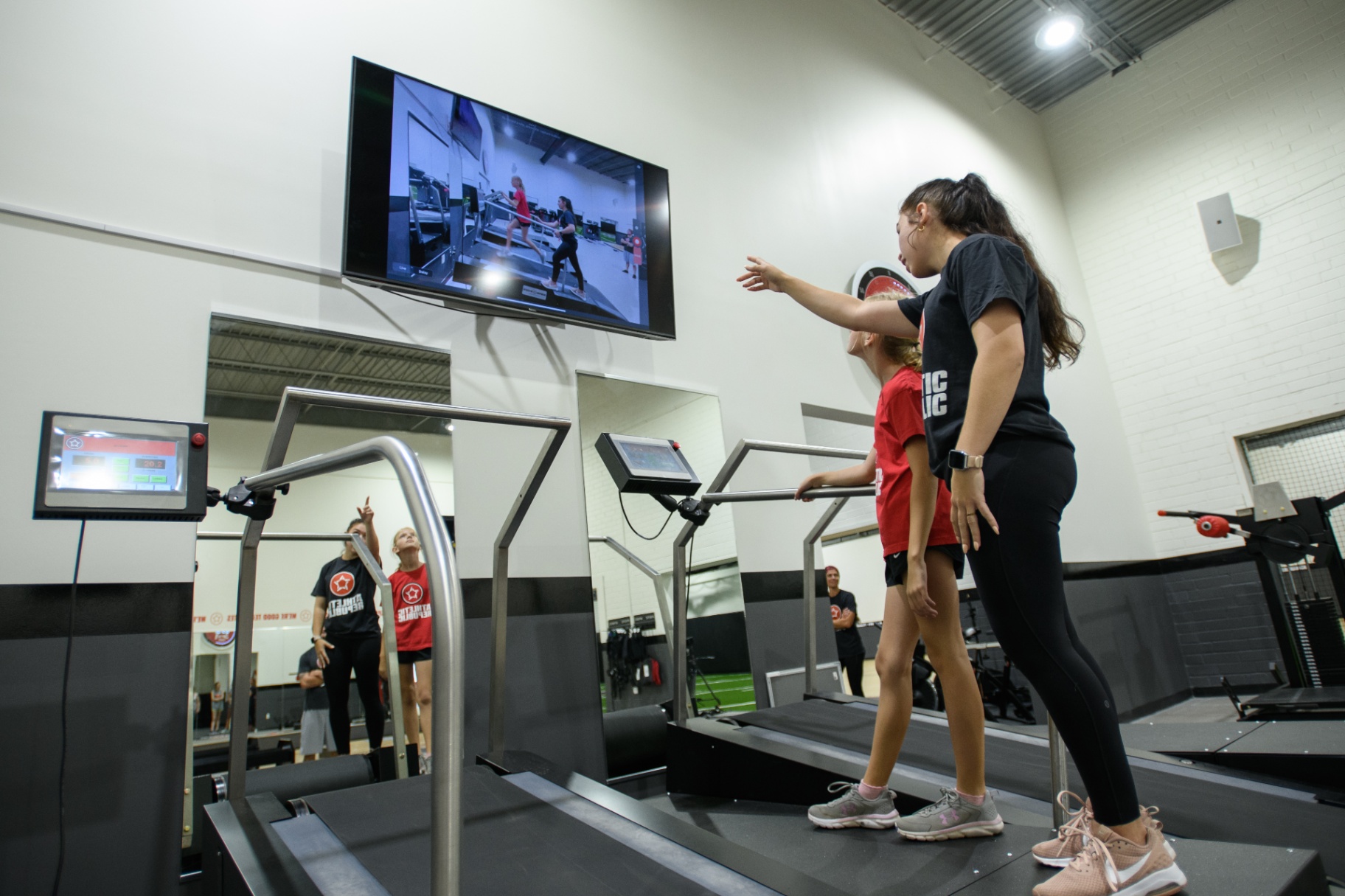
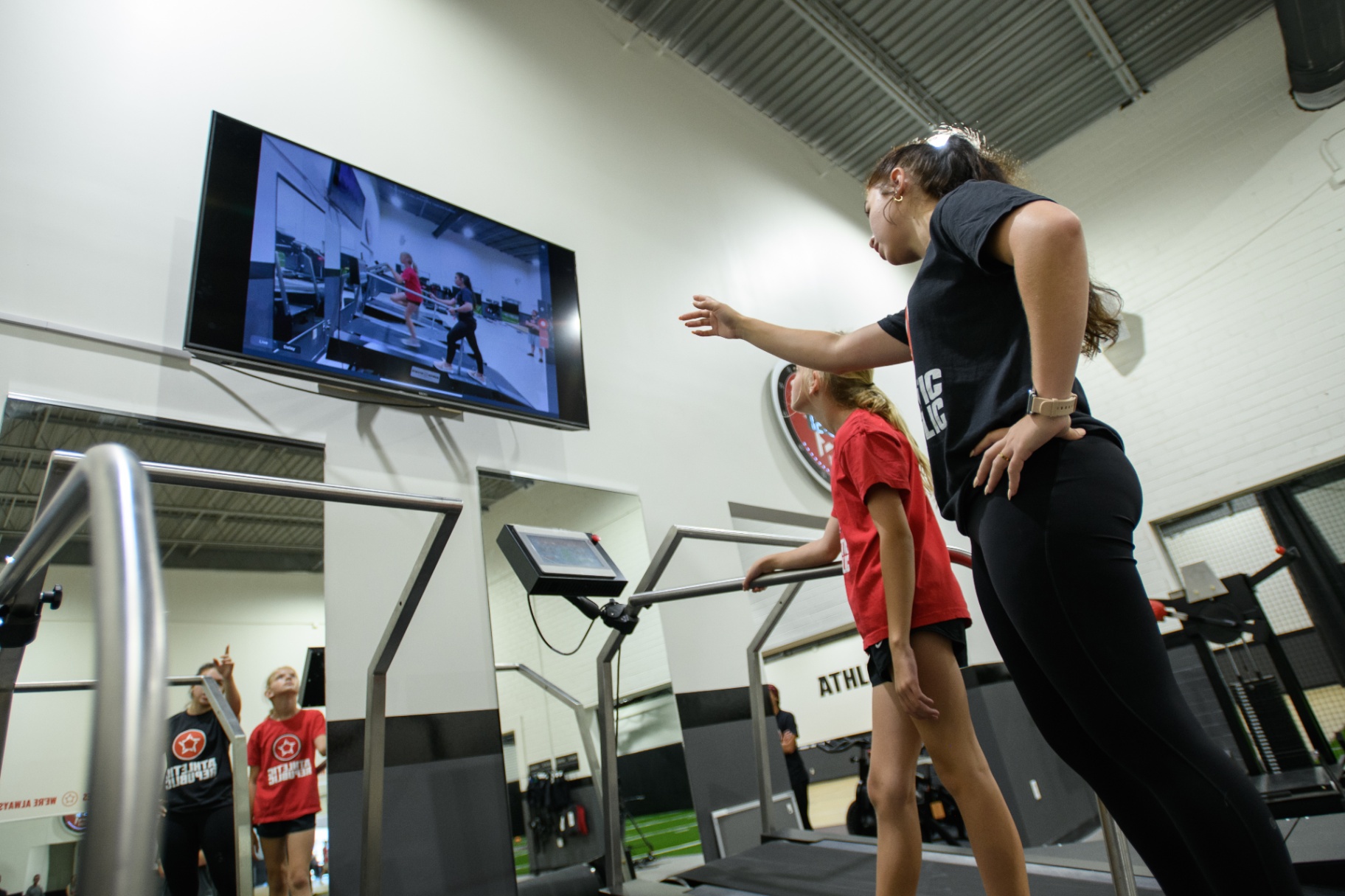
The Fix: We use real-time video feedback. When you train in our Acceleration program, you aren't just running; you’re watching yourself in a mirror and on a digital screen. Our coaches use science-based protocols to correct your posture, knee drive, and arm action in the moment. When you fix the mechanics, the speed follows: often without you even having to "try" harder.
3. You’re Ignoring the "Power" Behind the Push
Speed is a byproduct of force. The faster you can move the ground away from you, the faster you move forward. Many athletes spend all their time on the track but never step into the weight room to build the specific power needed for sprinting.
The Problem: You can have the best running form in the world, but if you don't have the explosive strength to back it up, you won't have that "second gear" to blow past a defender.
The Fix: Our 18,000-square-foot facility isn't just about treadmills. We integrate strength training specifically designed for athletes. We look for asymmetries: is your left leg weaker than your right?: and use force-plate technology to measure how much power you’re actually putting into the ground. Building a balanced, powerful base is how you turn a "decent" sprint into a game-changing acceleration.
4. You’re Doing Random Drills Without a Plan
The "Drill of the Week" from social media might look cool, but does it actually make you faster? Most athletes jump from one random ladder drill to another without any progressive structure.
The Problem: Speed is a skill that must be built layer by layer. If you don't have a baseline, you can't measure progress. If you can't measure progress, you’re just guessing.
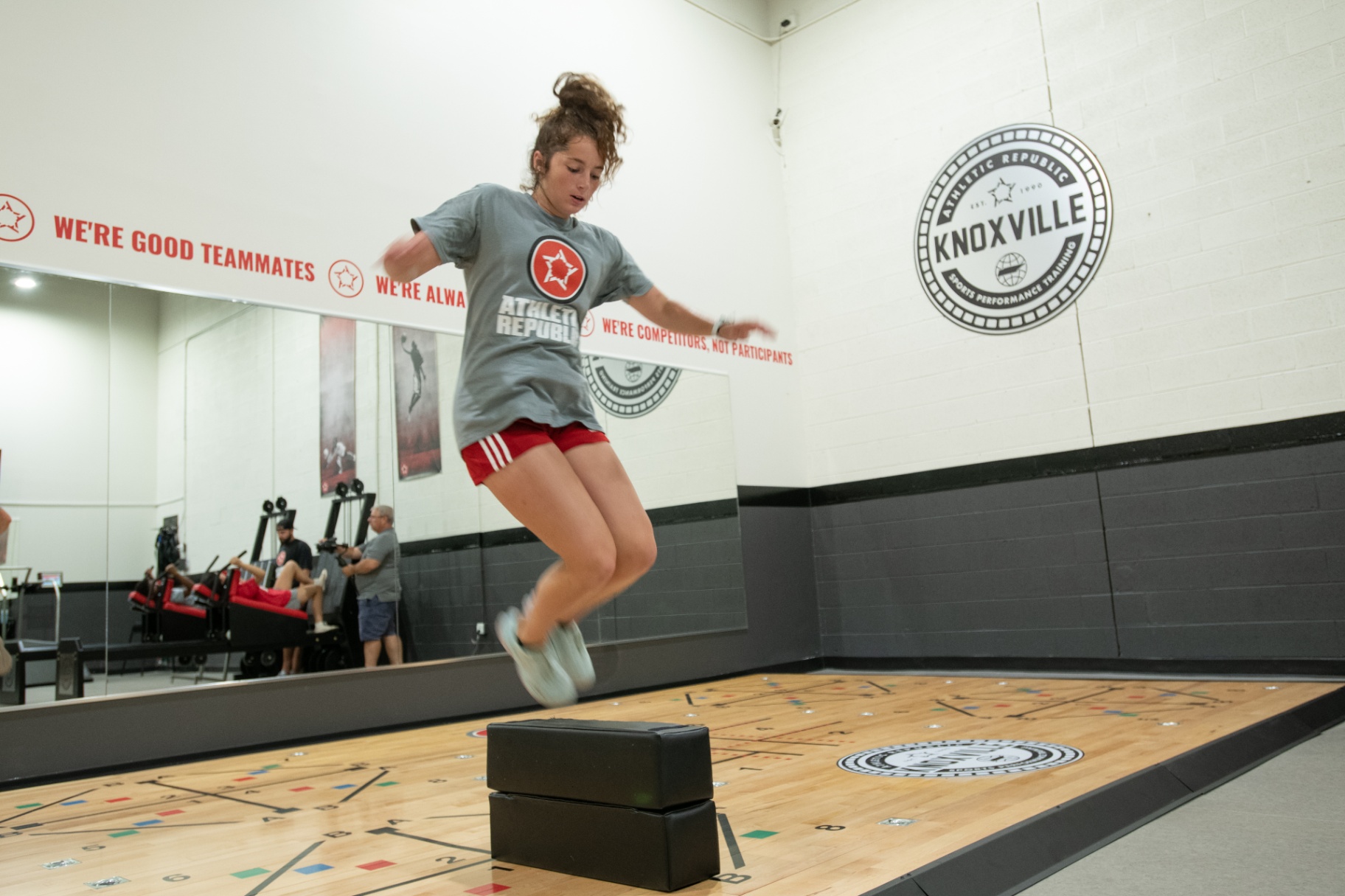
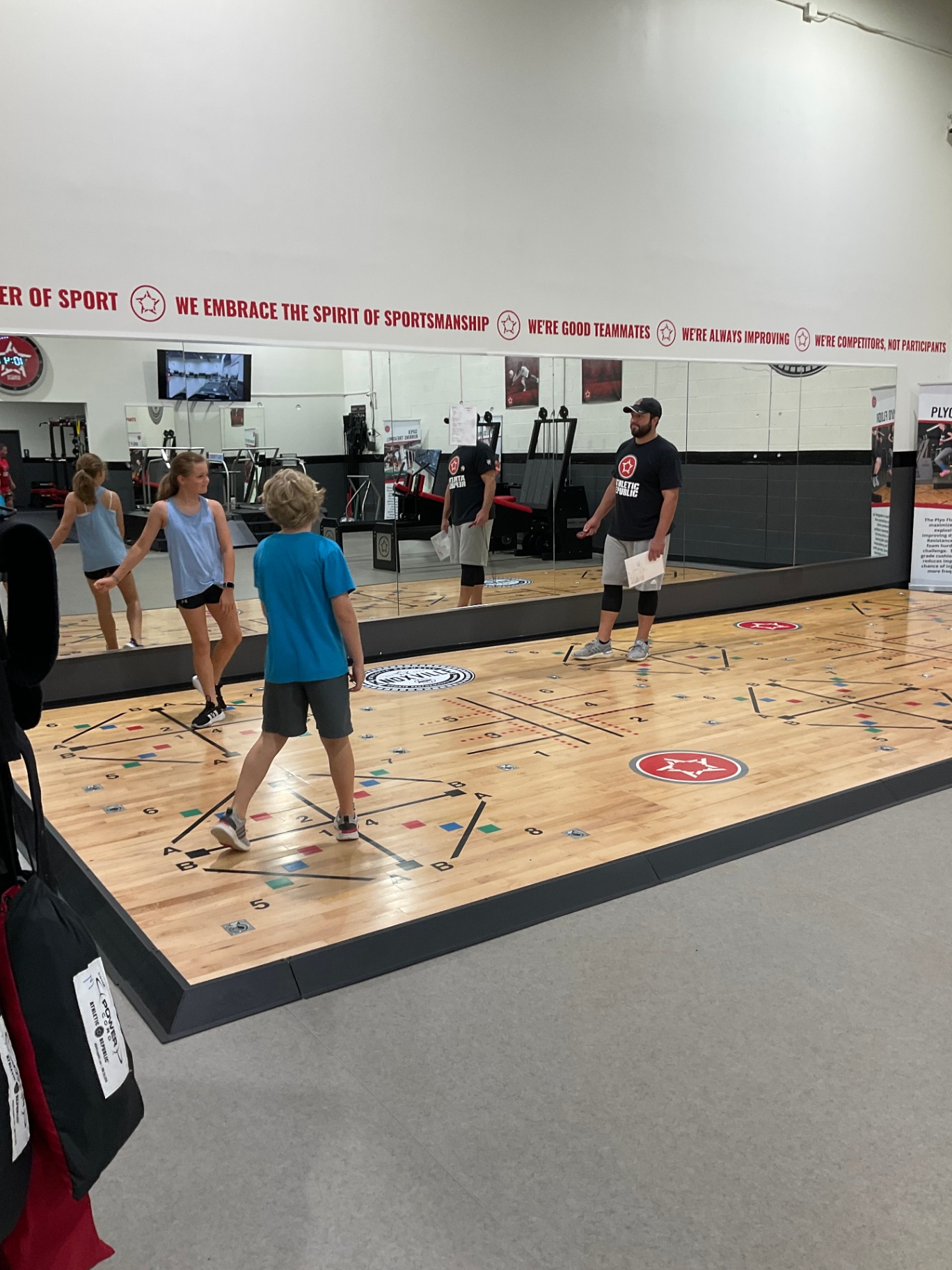
The Fix: At Athletic Republic Knoxville, everything is data-driven. We start every athlete with a baseline test to see exactly where they stand. Our Acceleration program is a structured progression. We move from foundational mechanics to high-speed treadmill work and explosive plyometrics on our patented agility floors. It’s a roadmap, not a guessing game.

5. You’re Training When You’re Already Fatigued
Many athletes "tag on" speed work at the end of a grueling two-hour team practice.
The Problem: Your Central Nervous System (CNS) is like a battery. By the end of practice, that battery is drained. Trying to train for max speed with a drained CNS is a waste of time. You won't hit the speeds necessary to trigger the neurological adaptations that make you faster.
The Fix: Speed work should be done when you are freshest. In our facility, we prioritize high-intensity movements early in the session. We want your brain and muscles to be firing on all cylinders so we can push the boundaries of what you thought was possible.
6. You’re Not Training for "Game Speed"
Track speed and "game speed" are two different things. In a game, you aren't just running in a straight line for 100 meters. You’re reacting, cutting, and accelerating from a standstill.
The Problem: Traditional speed training often ignores deceleration (the ability to stop) and change-of-direction. If you can't stop quickly, you can't cut quickly. If you can't cut, you aren't fast on the field.
The Fix: Our agility protocols focus on the "3-Step" rule and efficient braking mechanics. We use specialized equipment and floor markings to teach you how to lower your center of gravity and explode out of a turn. This is the kind of athleticism that catches a coach’s eye: the ability to be first to every loose ball and to lock down an opponent on defense.
7. You Have No Objective Data
How do you know you’re actually getting faster? "I feel faster" isn't a metric.
The Problem: Without timing and data, you’re flying blind. Most athletes have no idea if their stride length has improved or if their ground contact time has decreased.
The Fix: We are obsessed with the science of sport. By using high-speed treadmills that can go up to 25 mph and 20% incline, we can precisely control the environment. We track your progress every step of the way. When you see the numbers go up, your confidence goes up. And a confident athlete is a dangerous athlete.
The Solution: The Acceleration Program at Athletic Republic Knoxville
The gap between the bench and the starting lineup is often measured in tenths of a second. That split-second difference is what allows a striker to get to the ball before the goalie, or a linebacker to fill a gap before the hole closes.
We built our 18,000-square-foot facility in Knoxville to give local athletes an unfair advantage. We aren't a "gym": we are a high-performance lab.
Our Acceleration program is specifically designed for the youth and student-athlete. We combine:
- Super Running Treadmills: To safely push you past your current top speed.
- Patented Agility Floors: To refine your footwork and change-of-direction.
- Plyometric Training: To build the "spring" in your step.
- Expert Coaching: To ensure every rep is done with perfect form.
Ready to Earn Your Spot?
Don't spend another season watching from the sidelines. The athletes who start are the ones who took their off-season (and in-season) development seriously. Whether you’re playing soccer, football, basketball, or volleyball, speed is the universal language of sports success.
Stop making the same mistakes. Come experience the Athletic Republic Knoxville difference.
Get Started Today and schedule your baseline testing. Let’s look at the data, fix your mechanics, and get you off the bench.