If you're a parent of a young female athlete, or a coach working with girls and boys, you've probably wondered: should girls train differently than boys? It's a question we hear all the time at Athletic Republic Knoxville. And honestly, there's a lot of confusion out there.
Some people assume girls are too fragile for intense training. Others believe there's no difference at all and everyone should do the exact same thing. The truth? It's somewhere in the middle, and understanding this can make a huge difference in your daughter's athletic development.
Let's bust some myths, look at what the science actually says, and talk about what really matters when it comes to training female athletes.
Myth #1: Girls Can't Handle the Same Training Intensity as Boys
This one needs to go away, like, yesterday.
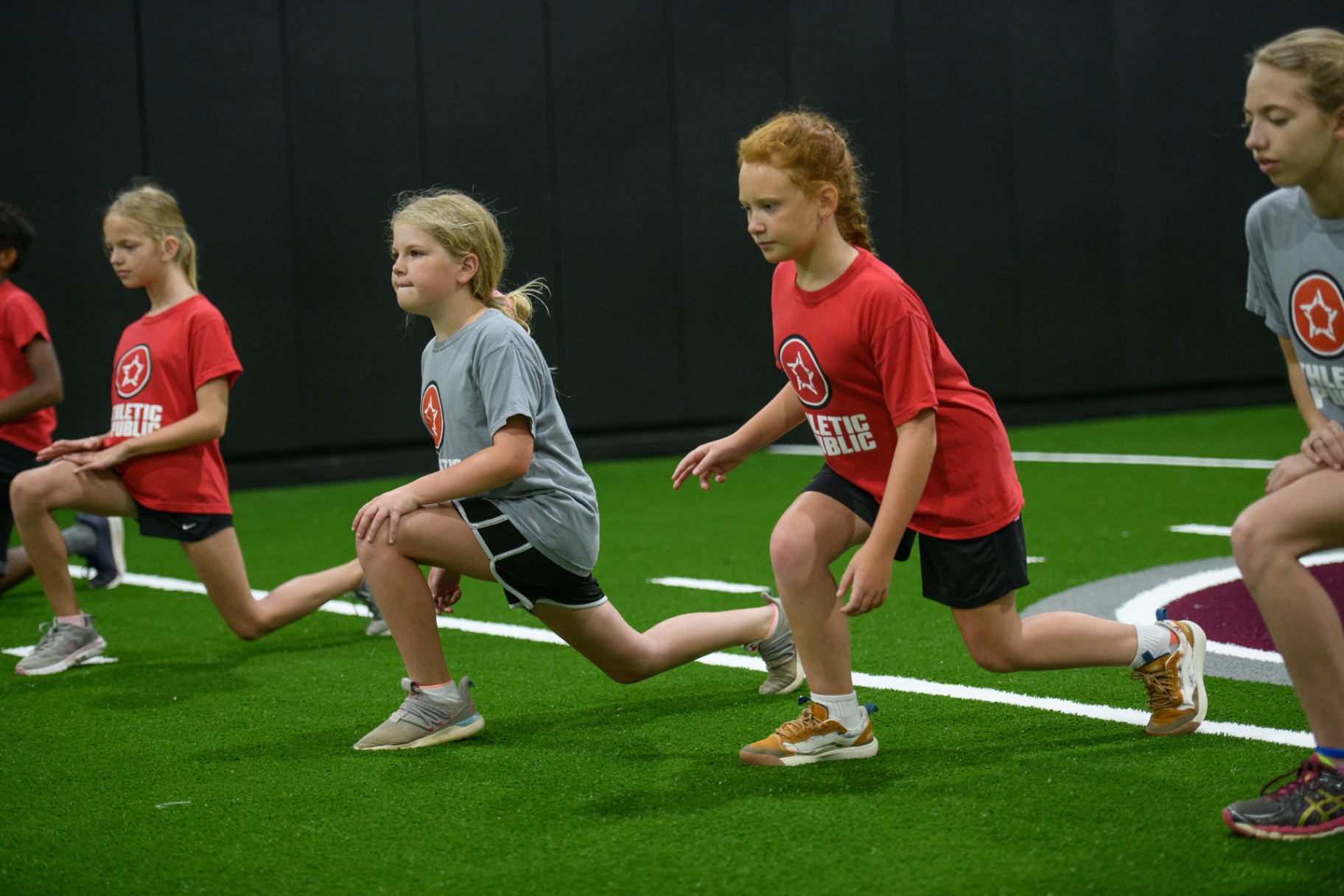
Female athletes are absolutely capable of training hard. They can lift heavy, sprint fast, and push through challenging workouts just like their male counterparts. The idea that girls need to be "protected" from intense training actually does them a disservice.
The core training principles, things like periodization, sets, reps, volume, and rest intervals, apply equally to both genders. A well-designed speed and agility program doesn't need to be watered down for female athletes. What matters is that the program is appropriate for the individual athlete's age, experience, and goals, not their gender.
Myth #2: There Are No Real Differences Between Male and Female Athletes
Okay, so we just said girls can train hard. But that doesn't mean there are zero biological differences worth considering. There are: and understanding them helps us train smarter, not harder.
Here's what the research tells us:
Muscle Fiber Composition
Female athletes naturally have more type I (slow-twitch) muscle fibers. These fibers are fantastic for endurance activities but provide less explosiveness. To develop the fast-twitch, powerful type II fibers needed for sprinting, jumping, and quick changes of direction, female athletes benefit from heavy compound lifts (think squats, deadlifts, and bench presses) and explosive movements like cleans, snatches, and plyometric jumps.
This isn't about making girls train "like boys." It's about giving female athletes the specific stimulus they need to develop power and explosiveness: qualities that can set them apart on the field, court, or track.
Recovery and Consistency
Here's something many parents don't know: research suggests women may de-train faster than men due to differences in muscle mass. This means consistency matters even more for female athletes. Taking long breaks from training can lead to bigger setbacks.
The takeaway? Encourage your daughter to stay active year-round, even if the intensity varies by season. A structured off-season program can help maintain the gains she's worked so hard for.
Ligament and Tendon Considerations
After puberty, females tend to have looser tendons and ligaments than males. This affects force production and can increase injury risk: especially for ACL injuries, which are significantly more common in female athletes.
Smart training programs address this by including exercises that strengthen the muscles around vulnerable joints and teach proper landing mechanics. Modified progressions (like banded exercises) can also help athletes build strength safely before advancing to more challenging movements.
What Actually Matters: Athlete-First Training
Here's the bottom line: we treat every athlete as an athlete first. Gender-informed adjustments are made based on individual needs: not assumptions or stereotypes.
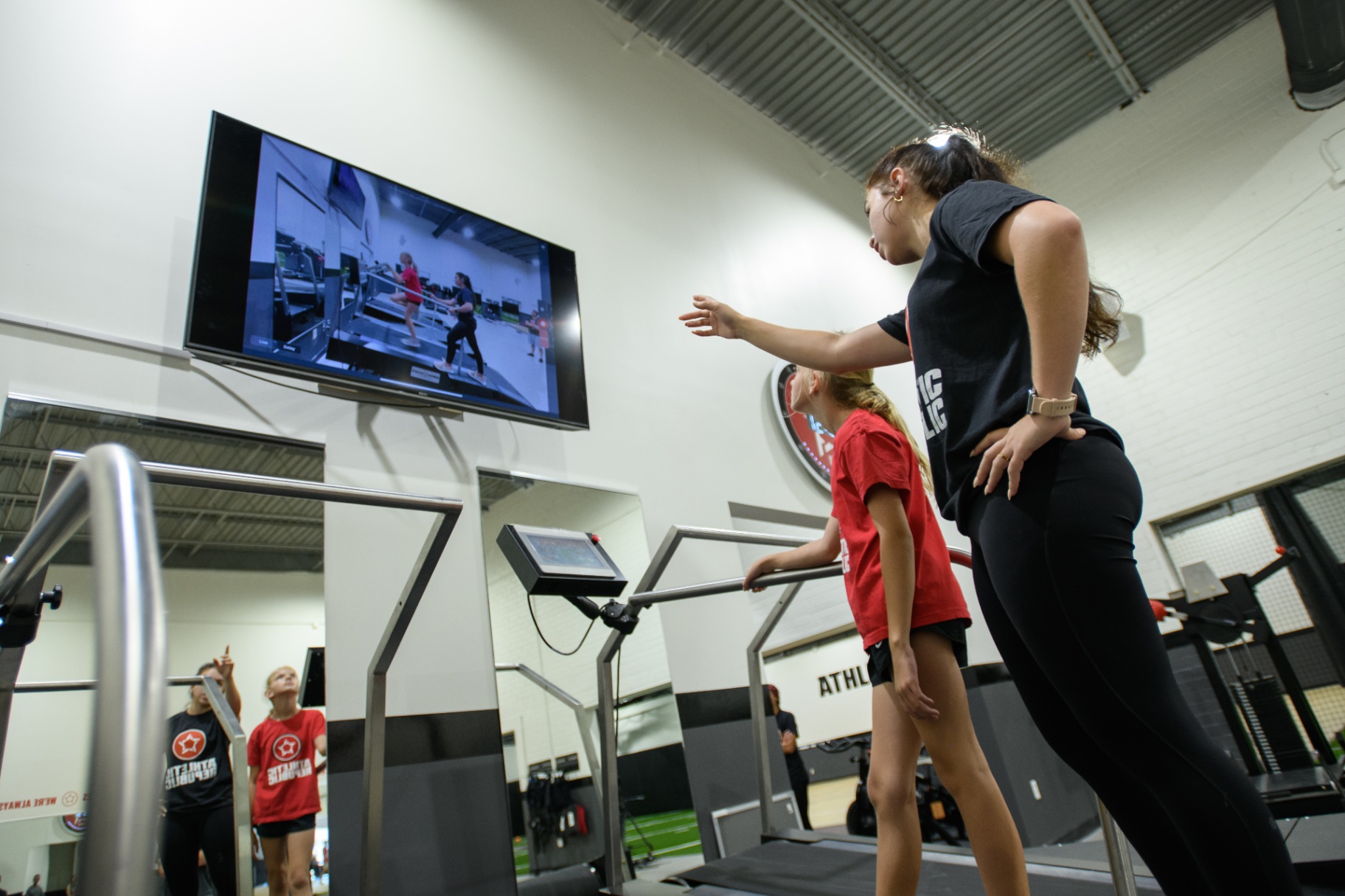
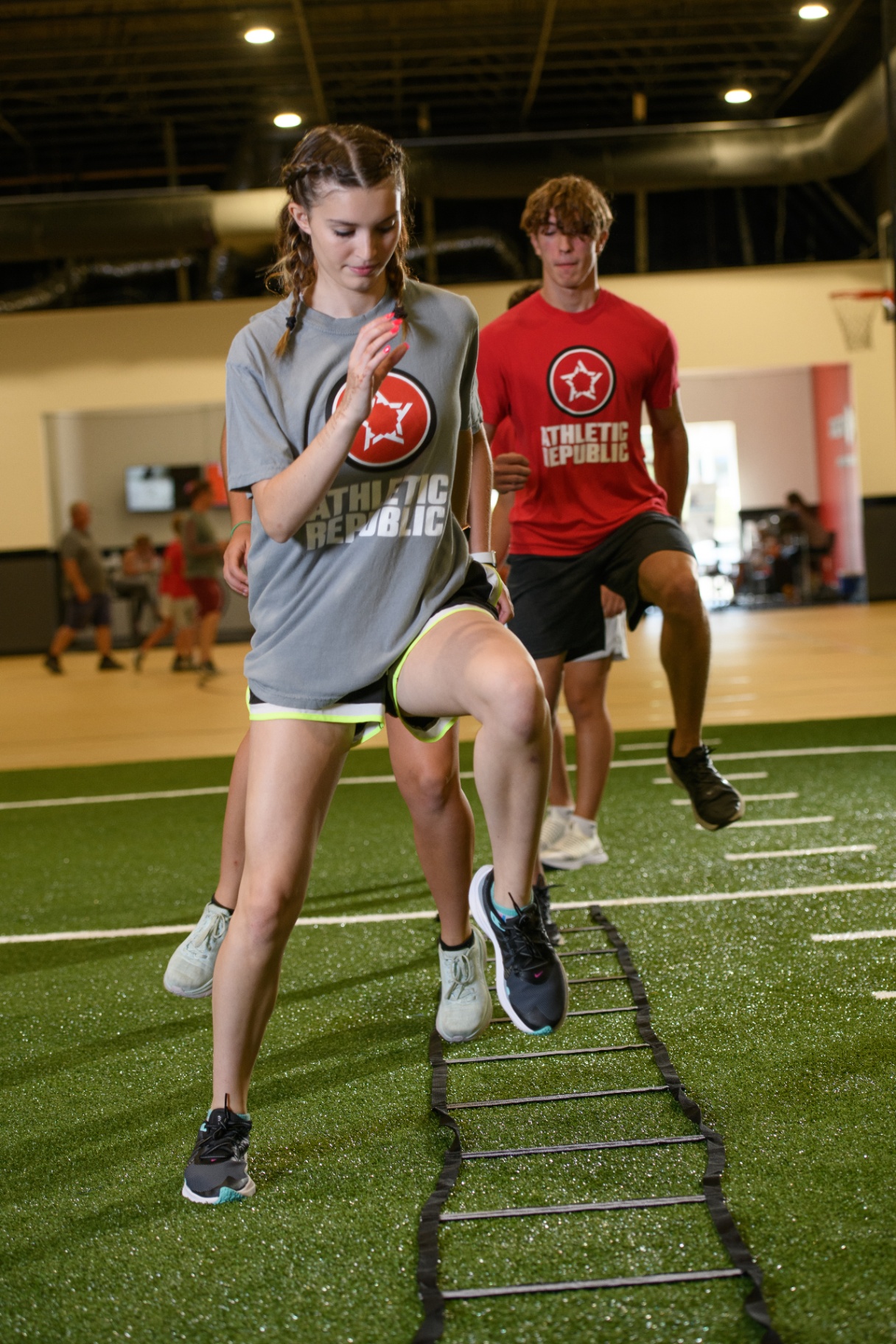
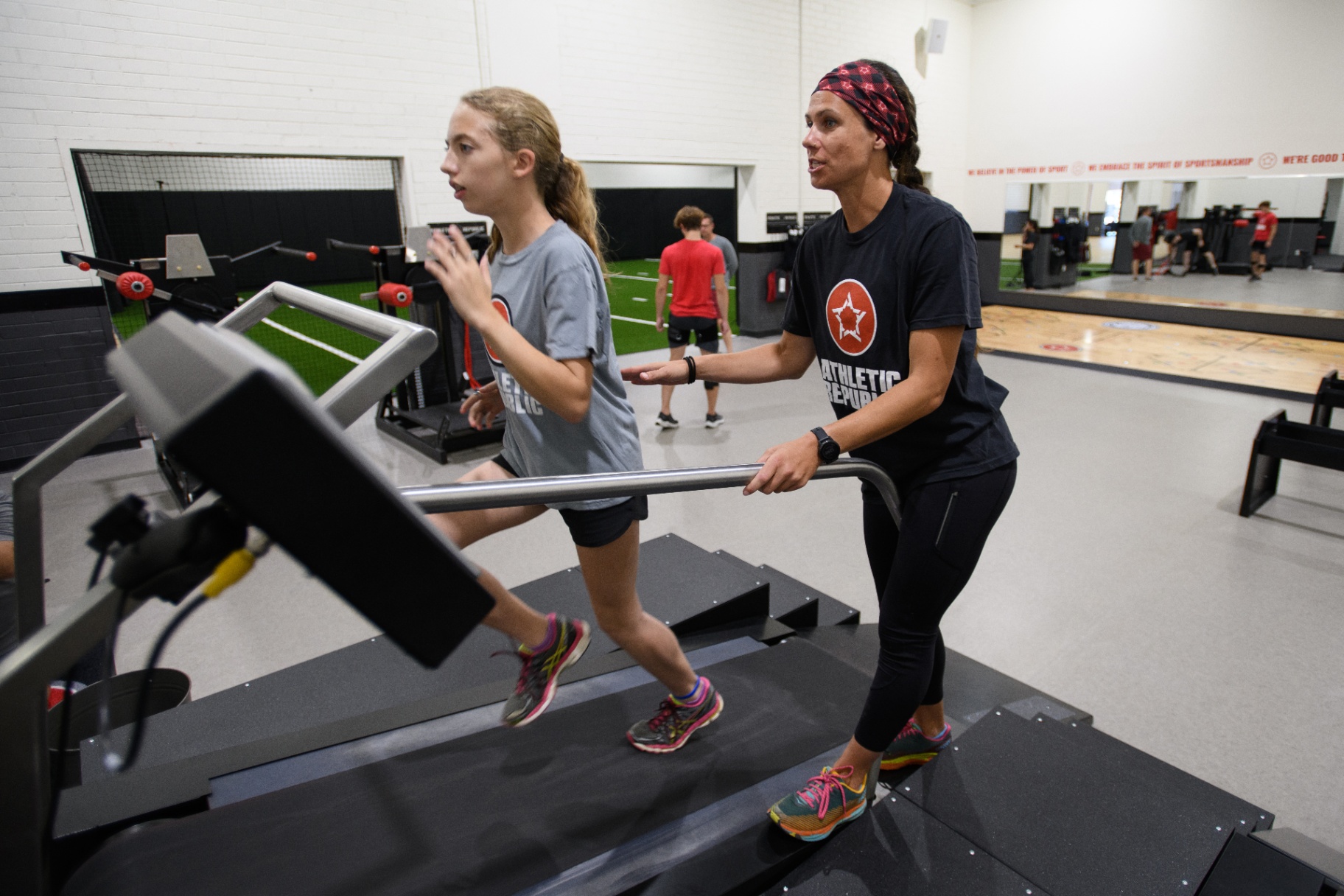
At Athletic Republic Knoxville, we see female athletes crushing it every single day. They're running on our high-speed treadmills, working through agility drills, and building the strength and speed they need to dominate their sports.
Our approach is simple:
-
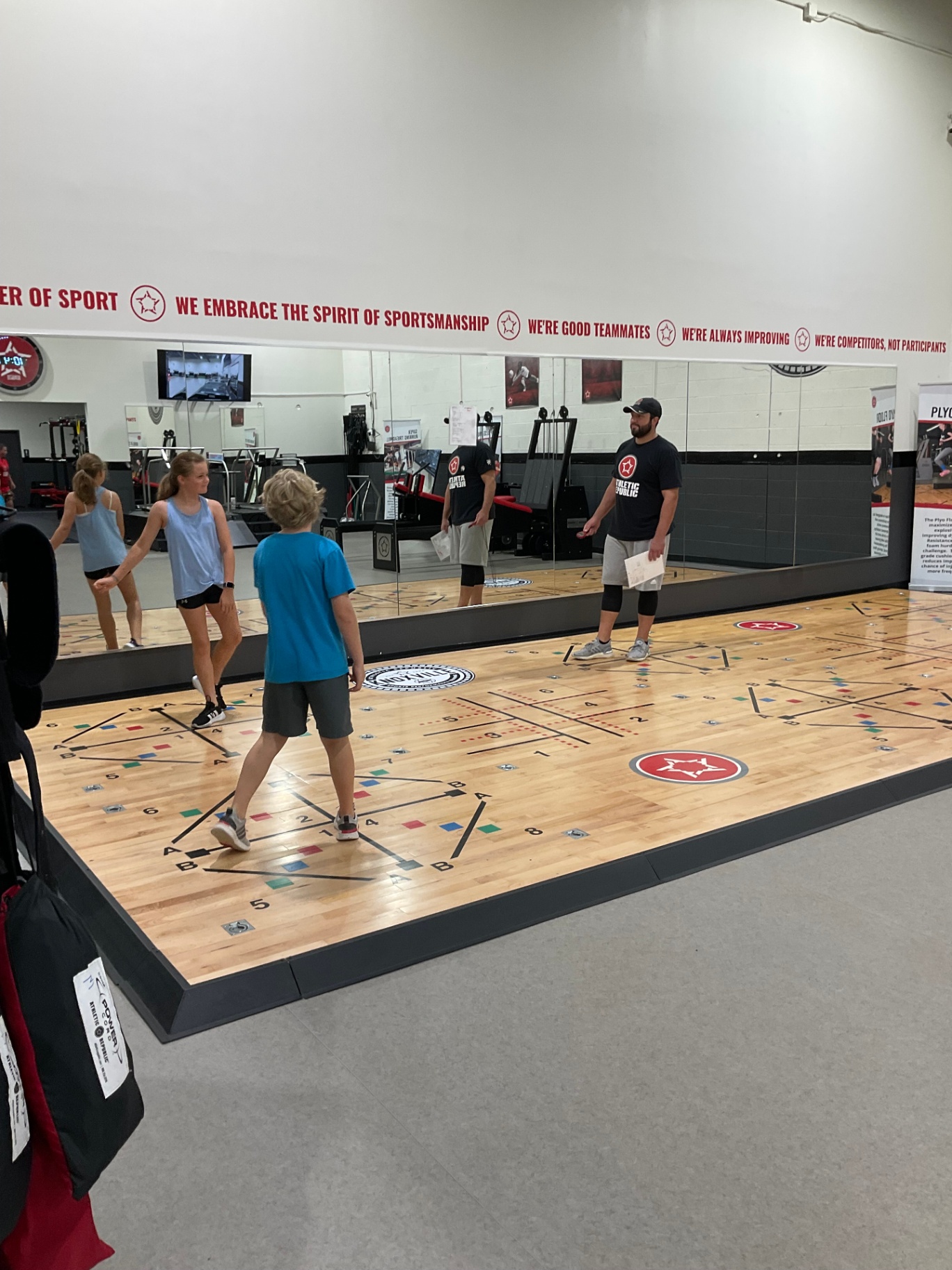
Assess the individual. Every athlete who walks through our doors gets evaluated. We look at their movement patterns, strengths, weaknesses, and goals.
-
Build a program that fits. Based on that assessment, we create a training plan that addresses what each athlete needs: whether that's more explosive power, better change-of-direction speed, or improved endurance.
-
Adjust as they grow. Young athletes change fast. We continuously monitor progress and adapt training to match their development.
This individualized approach means your daughter gets exactly what she needs: not a cookie-cutter program designed for "girls" or "boys."
The Power of Explosive Training for Female Athletes
Let's talk more about explosiveness, because this is where many young female athletes are underserved.
Without intentional programming that includes heavy lifting and explosive movements, female athletes may remain less powerful than their competitors who train this way regularly. That's not because they're incapable: it's because they haven't been given the right training stimulus.
When female athletes incorporate exercises like:
- Back squats and deadlifts
- Power cleans and snatches
- Box jumps and broad jumps
- Sprint training on specialized equipment
…they develop the fast-twitch muscle fibers that translate directly to game-changing speed, vertical leap, and first-step quickness.
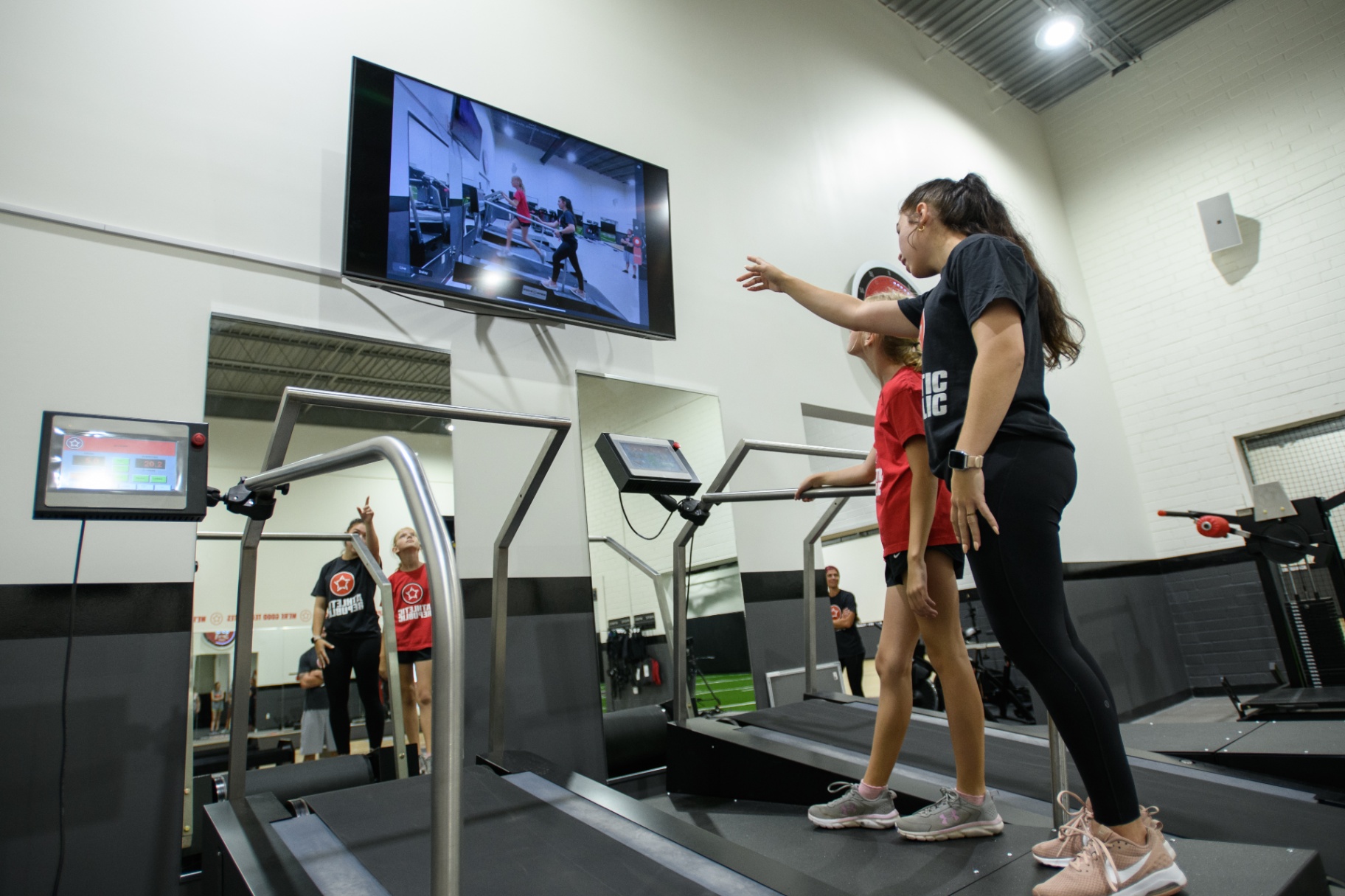
We see this transformation happen all the time. A softball player who couldn't beat out a throw to first suddenly has that extra gear. A volleyball player adds inches to her vertical. A soccer player blows past defenders she couldn't shake before.
It's not magic: it's science-based training that gives female athletes what they need to unlock their potential.
What Parents and Coaches Should Look For
If you're evaluating training programs for your daughter, here are some things to keep in mind:
Ask about individualization. Does the program assess each athlete and create personalized plans? Or is everyone doing the same workout regardless of their needs?
Look for strength and power training. A good program for female athletes should include heavy compound lifts and explosive movements: not just cardio and light weights.
Check for injury prevention focus. Proper landing mechanics, core stability, and exercises targeting the hips and knees are essential for keeping female athletes healthy.
Ensure consistency is encouraged. Programs that help athletes stay active year-round (with appropriate variation) will produce better long-term results.
Watch the coaching. Are coaches attentive, knowledgeable, and supportive? Do they understand how to work with young athletes and adapt to individual needs?
Supporting Your Female Athlete's Journey
At the end of the day, your daughter deserves training that respects both her capabilities and her unique physiology. She doesn't need to be coddled, and she doesn't need to be treated exactly like a male athlete. She needs a program that sees her as an individual and gives her the tools to reach her full potential.
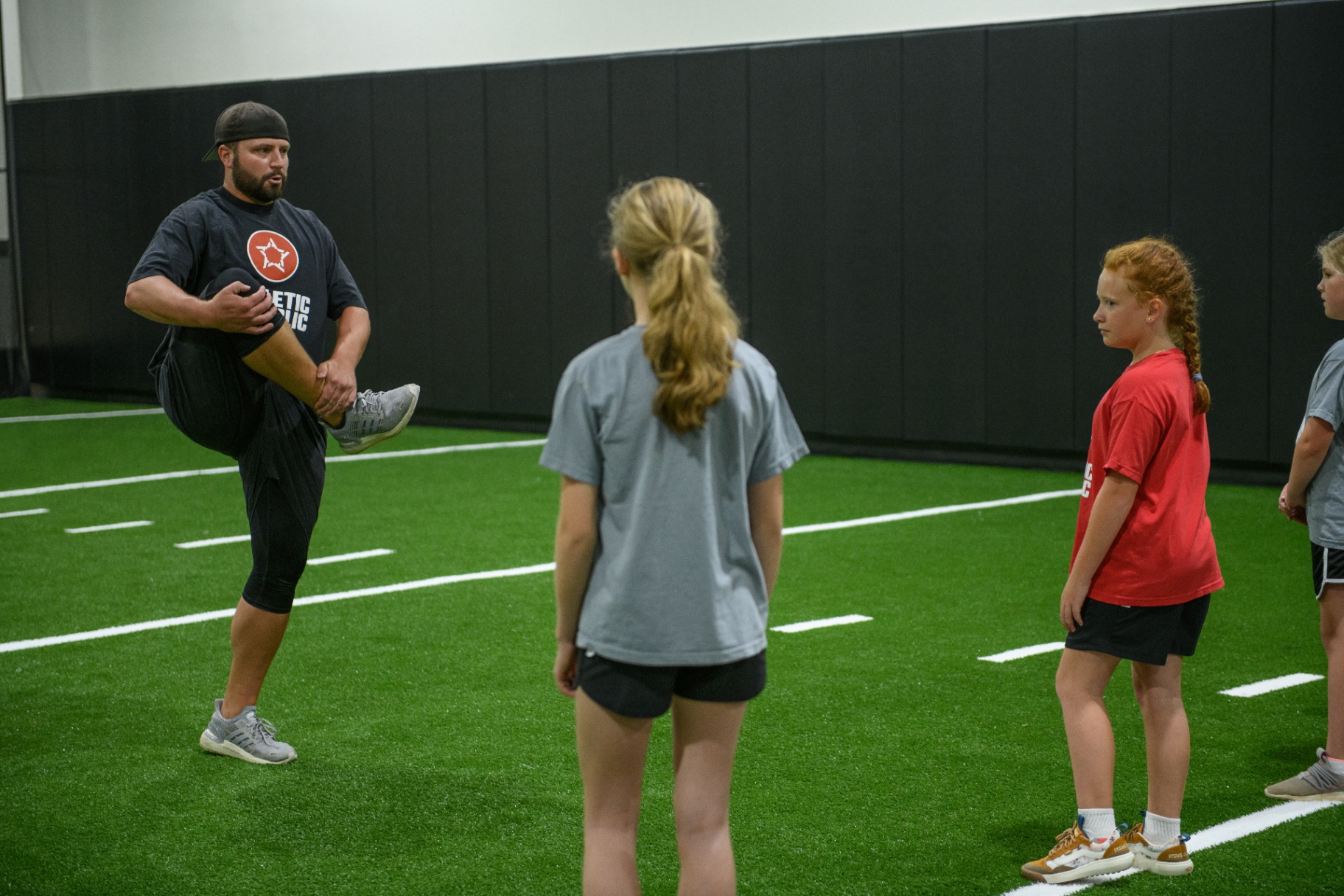
That's exactly what we do at Athletic Republic Knoxville. Whether your daughter plays volleyball, softball, soccer, basketball, or runs track, we're here to help her get faster, stronger, and more confident.
Ready to See What Your Athlete Can Do?
If you've been wondering whether your daughter is getting the right kind of training: or if you're ready to take her performance to the next level: we'd love to talk.
Visit us at Athletic Republic Knoxville to learn more about our youth athlete programs. Let's help your female athlete discover just how powerful she can be.