If you’re a parent in Knoxville, you’ve probably had the "weightlifting talk" at some point. Maybe your middle schooler came home saying they want to start "bulking up" for football season, or your daughter’s volleyball coach suggested she needs more explosive power. Your first instinct might be a protective "no."
We’ve all heard the old wives' tales: “It’ll stunt your growth,” “It’ll damage your growth plates,” or “You’ll get injured before you even hit high school.”
At Athletic Republic Knoxville, we hear these concerns every single day. As a parent, your priority is safety: and it’s ours, too. But here’s the truth: the idea that weightlifting is inherently dangerous for children is a myth that hasn't stood up to scientific scrutiny for decades.
When done correctly, weightlifting isn't just "not bad": it’s actually one of the most beneficial things a young athlete can do for their long-term health and performance. Let’s dive into the science-based truth about youth resistance training and why the environment where they train makes all the difference.
Debunking the "Stunted Growth" Myth
For years, people believed that lifting weights would cause the growth plates (the areas of developing cartilage at the ends of long bones) to fuse prematurely. This myth largely stems from a few old, misinterpreted reports from the 1960s and 70s.
Modern science tells a much different story. Major health organizations: including the American Academy of Pediatrics (AAP), the Mayo Clinic, and the National Strength and Conditioning Association (NSCA): all agree that supervised, age-appropriate resistance training is safe.
In fact, research shows that controlled weightlifting actually strengthens bones. Just like muscles respond to stress by getting stronger, bones respond to the "stress" of lifting weights by increasing their mineral density. For youth athletes, this is a massive win. Developing strong bones early in life is a key predictor of bone health well into adulthood.
Strength Training vs. Bodybuilding: Know the Difference
One reason parents get nervous is that they picture their 11-year-old trying to bench press 300 pounds or performing a high-intensity bodybuilding routine. That is not what we do at Athletic Republic Knoxville.
There is a massive distinction between "strength training" and "bodybuilding" or "powerlifting."
- Bodybuilding focuses on muscle size (hypertrophy) and aesthetics.
- Powerlifting focuses on moving the absolute maximum amount of weight for a single repetition.
- Science-Based Strength Training focuses on functional movement, stability, and neuromuscular efficiency.
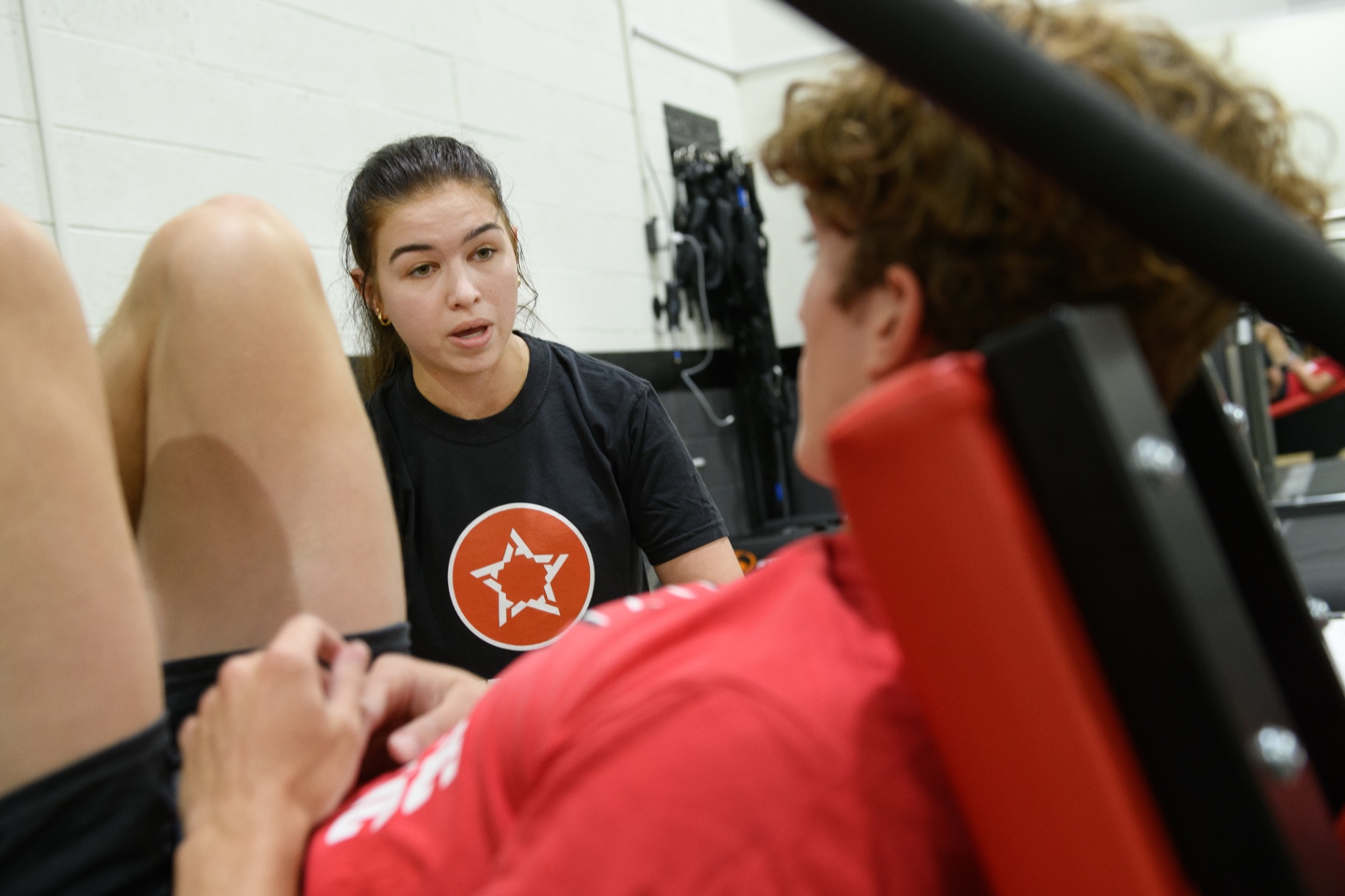
Our youth athlete training programs are designed to teach the brain how to communicate with the muscles. We aren't looking for "beach muscles"; we’re looking for "better athletes." We prioritize high repetitions with lower weights and a fanatical obsession with form.
The Secret Weapon: Injury Prevention
Ironically, the biggest reason to put your child in a weightlifting program is to prevent them from getting hurt.
Youth sports are more competitive than ever. Kids are running faster, jumping higher, and cutting harder than they used to. If their muscles and connective tissues (tendons and ligaments) aren't strong enough to handle those forces, that’s when injuries like ACL tears, rolled ankles, and stress fractures happen.
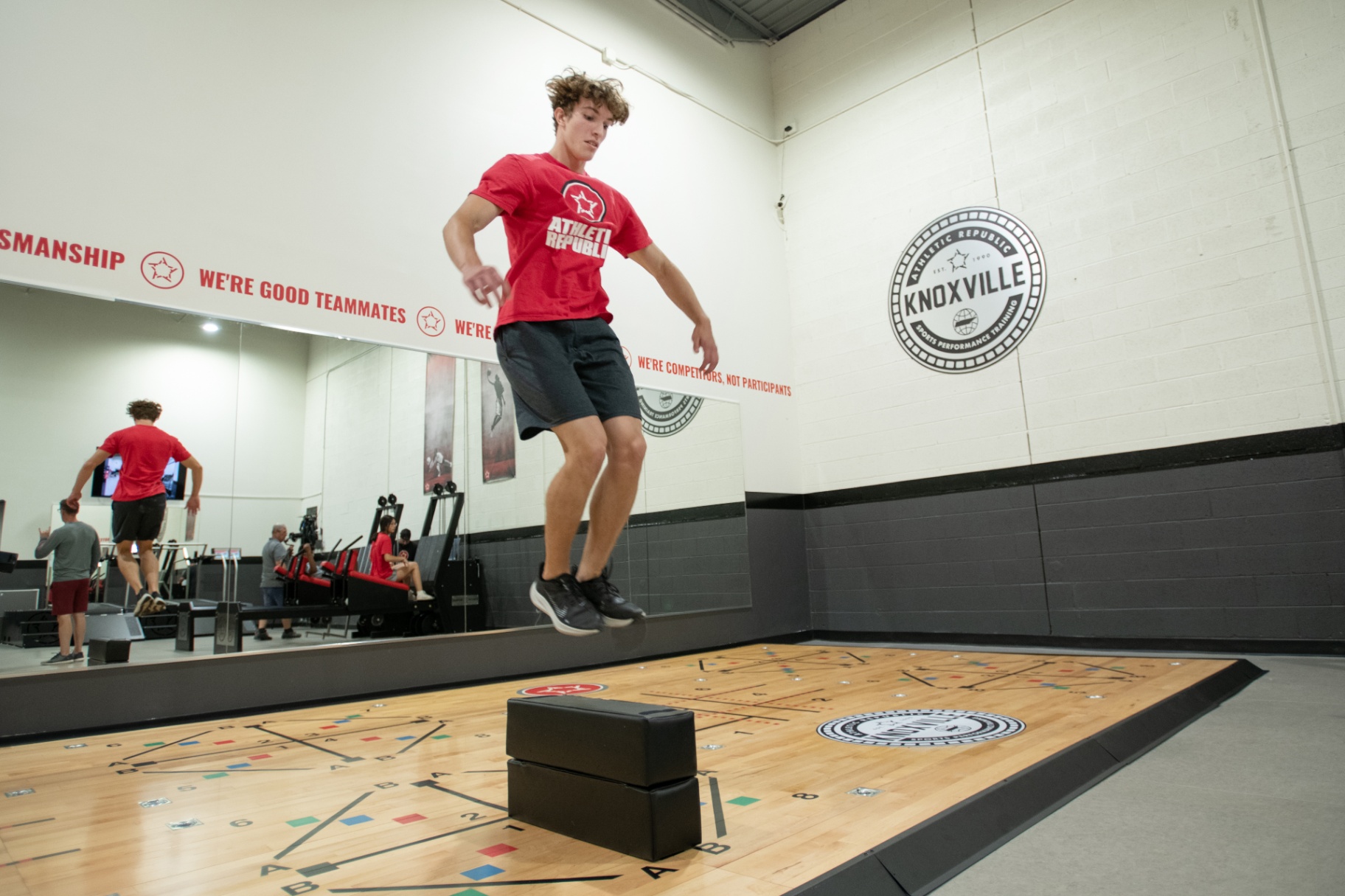
By following science-based protocols, we can "pre-habilitate" an athlete. We strengthen the muscles surrounding the joints, which acts like a suit of armor. For example, in our softball training and basketball programs, we focus heavily on landing mechanics and posterior chain strength to protect the knees.
Why the Environment Matters: The Athletic Republic Knoxville Difference
You wouldn't send your child to learn chemistry from a guy in a garage; you’d send them to a lab with a qualified teacher. Youth weightlifting should be treated the same way.
The dangers of weightlifting don't come from the weights themselves: they come from poor coaching, lack of supervision, and ego.
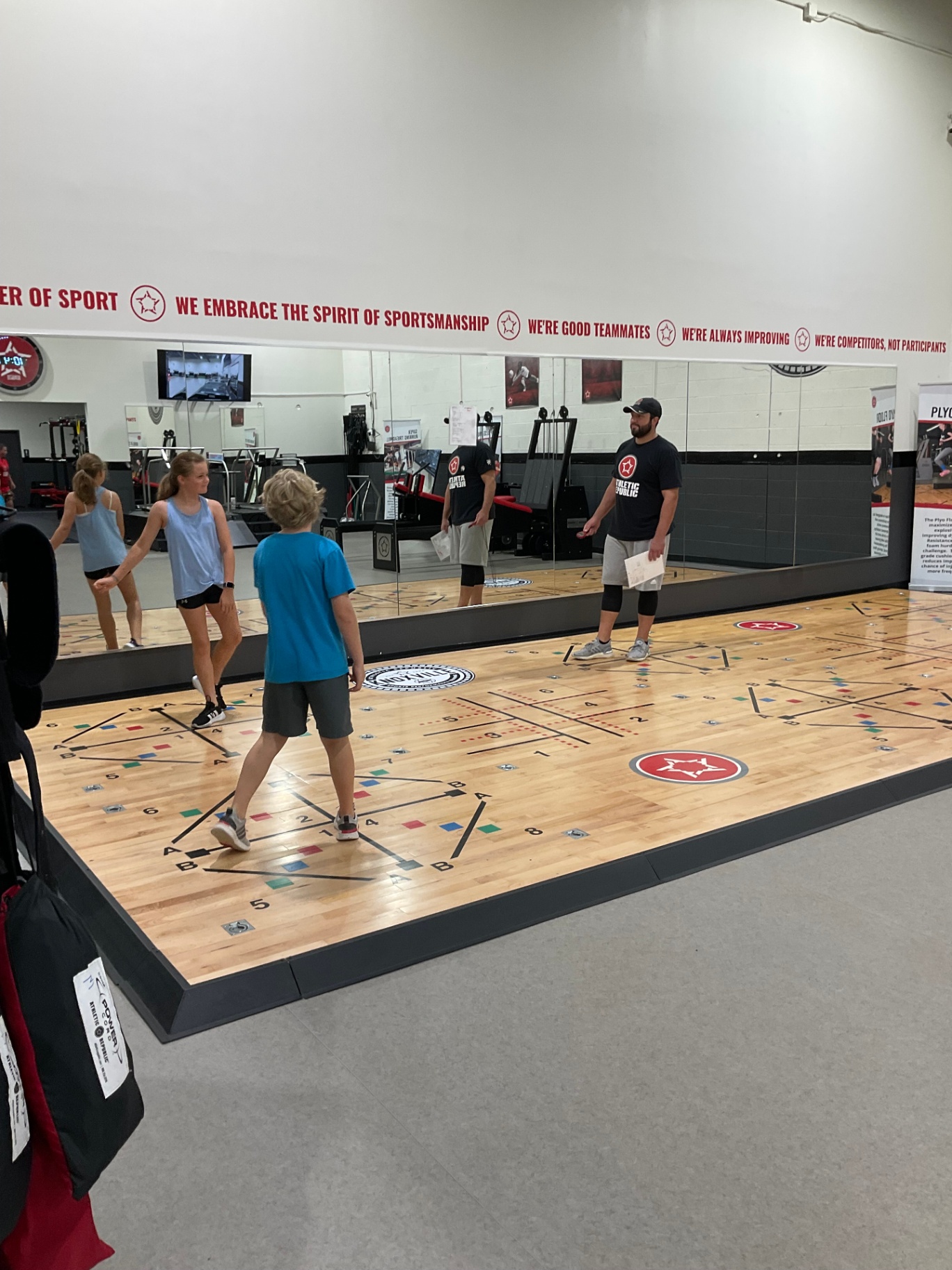
At Athletic Republic Knoxville, we’ve built an 18,000 sq ft facility designed specifically for performance, using science-based protocols to guide every athlete safely. Here is how we ensure the safety of every young athlete:
1. Certified Trainers
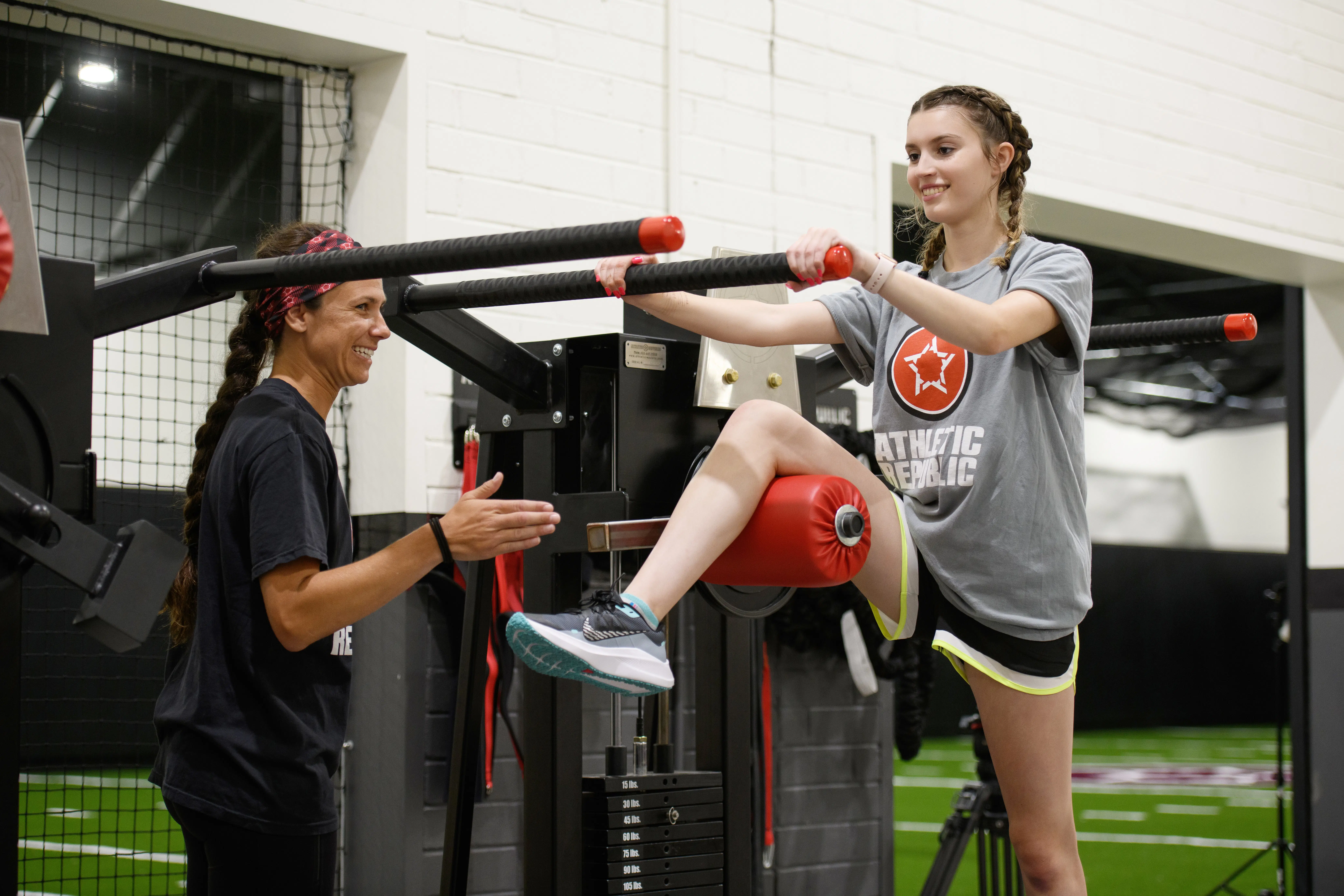
Every coach at our facility is a certified professional. They understand the physiological differences between a 10-year-old, a 15-year-old, and a collegiate athlete. We don't just "watch" kids lift; we actively coach every single rep to ensure perfect mechanics.
2. Specialized Technology and Real-Time Feedback
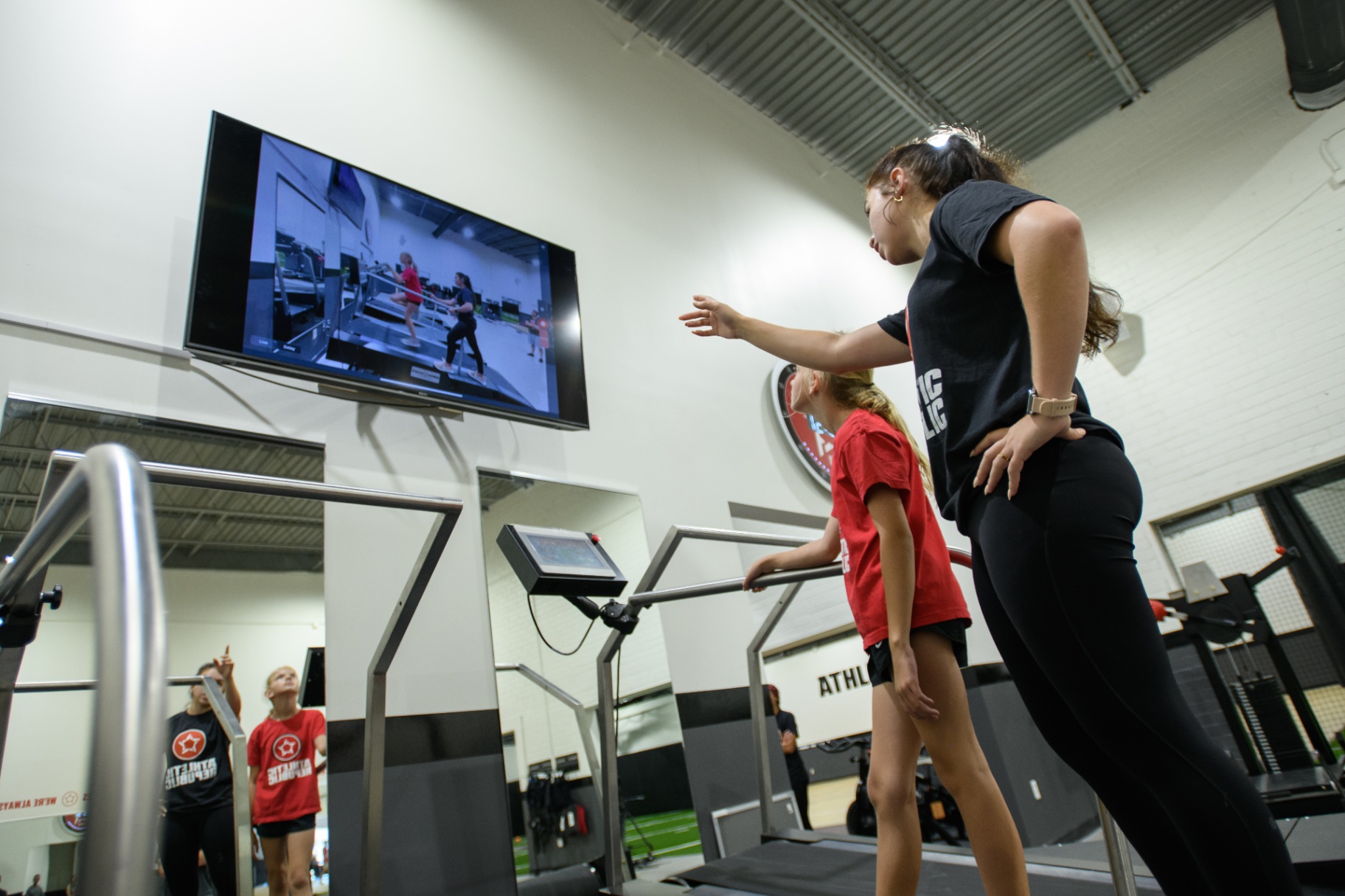
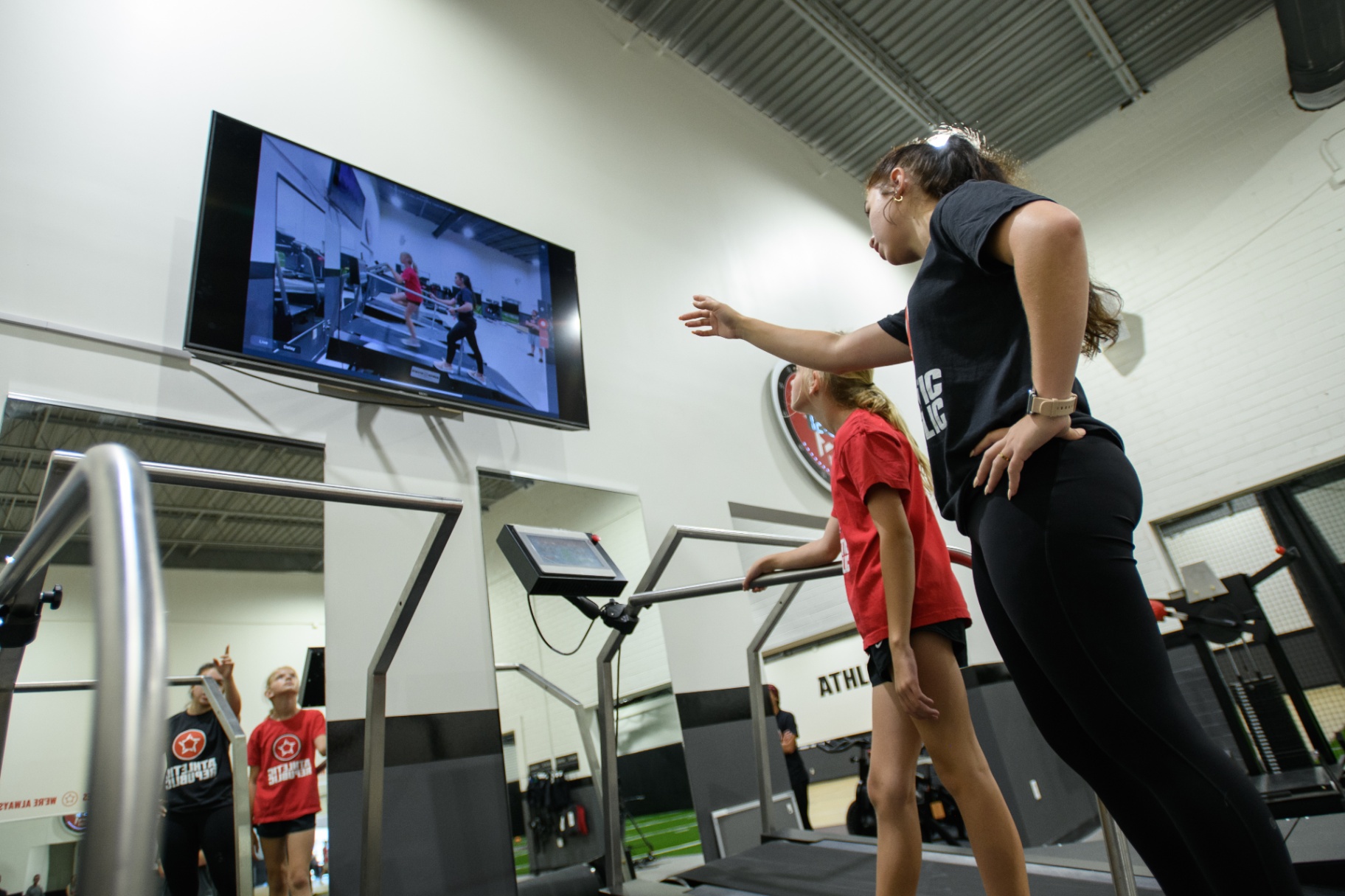
We use advanced technology to take the guesswork out of training. Our facility features high-speed treadmills and specialized equipment that provides real-time video feedback. This allows athletes to see exactly what they are doing wrong and fix it instantly.
3. A Personalized Approach
No two athletes are the same. A pitcher in our baseball training program has different physical needs than a goalie in our hockey training sessions. We assess every athlete who walks through our doors to find their specific weaknesses and build a program that addresses them safely.
The Mental Edge: Confidence and Discipline
Beyond the physical benefits, weightlifting does something incredible for a child's mental health. There is something transformative about a kid realizing they can do something today that they couldn't do last week.
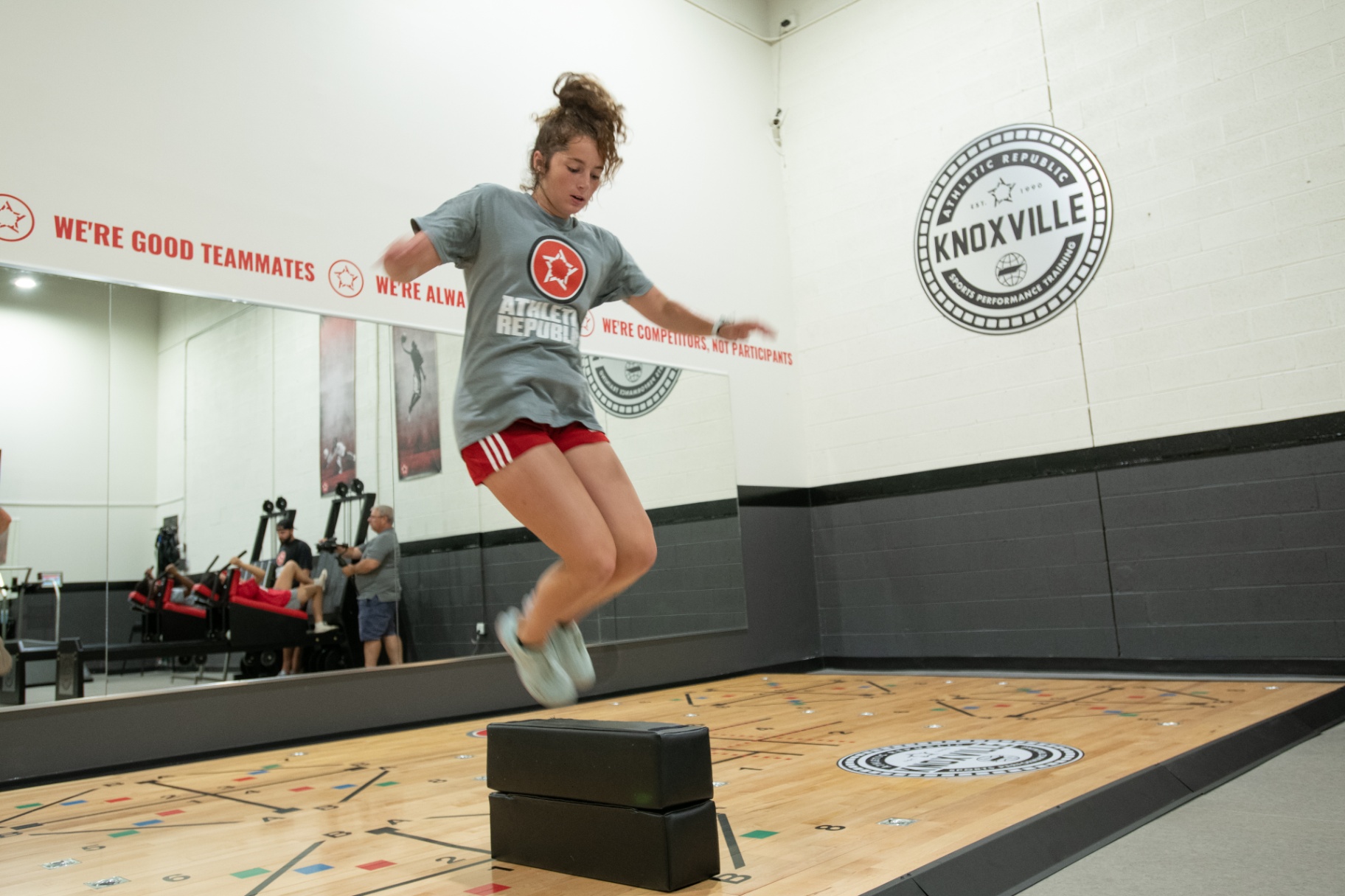
In our 18,000 sq ft facility, we foster an atmosphere of supportive growth through science-based protocols and clear coaching progressions. When a student-athlete masters a complex movement: like a proper squat or a controlled box jump: their confidence sky-rockets. That confidence doesn't stay in the gym; it follows them to the classroom and onto the field.
When Should a Child Start?
One of the most common questions we get is: "How old is old enough?"
The general rule of thumb used by organizations like the NSCA is that if a child is mature enough to follow directions and participate in organized sports (usually around age 7 or 8), they are mature enough for some form of supervised resistance training.
At these younger ages, we aren't using heavy barbells. We might start with bodyweight exercises, resistance bands, or light medicine balls. The goal is to build a "movement vocabulary." We want them to learn how to move their bodies efficiently before we ever add significant external load.
Tips for Knoxville Parents Looking at Programs
If you’re considering a strength program for your child, whether it’s with us or elsewhere, here are three things you should look for:
- Supervision Ratio: Is there one coach for every 20 kids? Or is it a small group where your child will actually get noticed? At Athletic Republic Knoxville, we prioritize small-group attention.
- Focus on Form Over Weight: If the coach is bragging about how much weight the kids are "maxing out," walk away. The focus should always be on the quality of the movement.
- Comprehensive Training: Is it just lifting? Or does the program include flexibility, agility, and recovery? A well-rounded athlete is a safe athlete.
Conclusion: Investing in Your Athlete’s Future
Is weightlifting bad for kids? The science says a resounding no. In fact, avoiding strength training might actually put your child at a higher risk of injury in the high-impact world of modern youth sports.
By choosing a facility like Athletic Republic Knoxville, you aren't just putting your child in a "gym." You’re giving them access to our 18,000 sq ft facility, professional-grade equipment, certified experts, and a community dedicated to science-based protocols and performance.
We invite you to come see our 18,000 sq ft facility for yourself. Talk to our trainers, watch a session, and see how we’re helping Knoxville’s youth athletes build a foundation that will last a lifetime.
Ready to see the difference for yourself? Get started today and let’s build a stronger, safer future for your young athlete. Whether they are looking for team training or a jumpstart at one of our summer camps, we are here to support their journey every step of the way.