If you’re a reserve athlete trying to earn more minutes, you may have heard a coach say they value “coachability.” It can sound like a personality test: Be polite. Don’t talk back. Show enthusiasm. Say “yes, Coach.”
Those things can help create a positive team environment, but they aren’t the heart of coachability, and they don’t show a coach whether you can make an adjustment when the game is moving fast.
The clearest sign is simpler: you hear a correction, try it, and give your coach evidence of that change on the next rep.
Coachability isn’t just being agreeable
Coaches make decisions about playing time based on a lot of factors: skill, effort, team needs, matchups, and more. Coachability can matter because it gives a coach confidence that an athlete can learn, adapt, and respond to instruction during practice and competition.
But athletes sometimes mistake coachability for being quiet, nodding along, or being the loudest “yes, Coach” on the field. Those responses may show respect, but they don’t show whether the instruction landed.
A coach is often looking for what happens after the conversation:
- Did you make eye contact and pay attention while the correction was being explained?
- Did you try the adjustment, rather than repeat the same habit?
- If you weren’t sure what the coach meant, did you ask a quick clarifying question?
- Could you take feedback as information, not as a personal insult?
- Did you stay with the new technique even if it felt awkward at first?
Coachability isn’t about never making mistakes. It’s about being willing to work on one.
The next rep is where it becomes visible
Imagine a coach says, “Get your feet set sooner before the throw.” The next play comes, and you make the same late setup. You may have listened carefully, but from the coach’s perspective, there’s no visible sign that you tried the correction.
Now imagine you adjust your setup on the next opportunity. Maybe you don’t get it quite right. Maybe the result isn’t perfect. But the coach can see that you made an honest attempt to apply the cue.
That response matters because practice is full of short windows to learn. Coaches need to know whether you can take instruction and attempt to use it without needing the same reminder on every rep.
If you’re not sure what a cue means, guessing can lead you to repeat the old habit, or create a new one. A short question can be more useful than a confident nod: “Do you mean set my feet before the ball gets to me?” Then give it a try.
And if you do try it but aren’t sure whether you got it, a simple “Like that?” gives your coach a chance to confirm or clarify.
Don’t panic if a new technique feels worse at first
Changing a familiar movement can feel strange. A correction may make you slower, less comfortable, or less accurate for a little while as you pay attention to something you used to do automatically.
That short-term dip doesn’t necessarily mean the adjustment is wrong. It may mean you’re learning a new pattern, and haven’t repeated it enough for it to feel natural yet.
This is where coachability can be easy to miss. An athlete may try a correction once, dislike how it feels, and immediately return to the old movement. A coach sees something different when the athlete stays curious, works through a reasonable learning curve, and gives the new technique a fair try.
That doesn’t mean you should ignore pain, safety concerns, or persistent confusion. Speak up when something hurts or a cue doesn’t make sense. But if the change simply feels unfamiliar, give yourself time and ask for guidance.
What motor-learning research tells us about feedback
Practice is more than repeating a movement. It’s noticing what happened, understanding what to change, and making another attempt. Research on motor learning supports the value of useful feedback, but it also cautions against assuming that constant instructions are always best. A review of feedback and self-regulation in sports coaching discusses how coaches can give athletes information that supports learning while still allowing them to notice and interpret their own performance.
For an athlete, the practical takeaway is not “wait for a coach to tell you everything” or “change something on every repetition.” It’s to focus on one clear correction, make a deliberate attempt, and stay open to follow-up. As a skill develops, athletes also benefit from learning to recognize what they did and when they need more information.
Coachability, then, isn’t simply doing whatever you’re told without thinking. It’s taking instruction seriously, asking when you need clarity, and making a visible effort to learn.
How this connects to training at Athletic Republic Knoxville
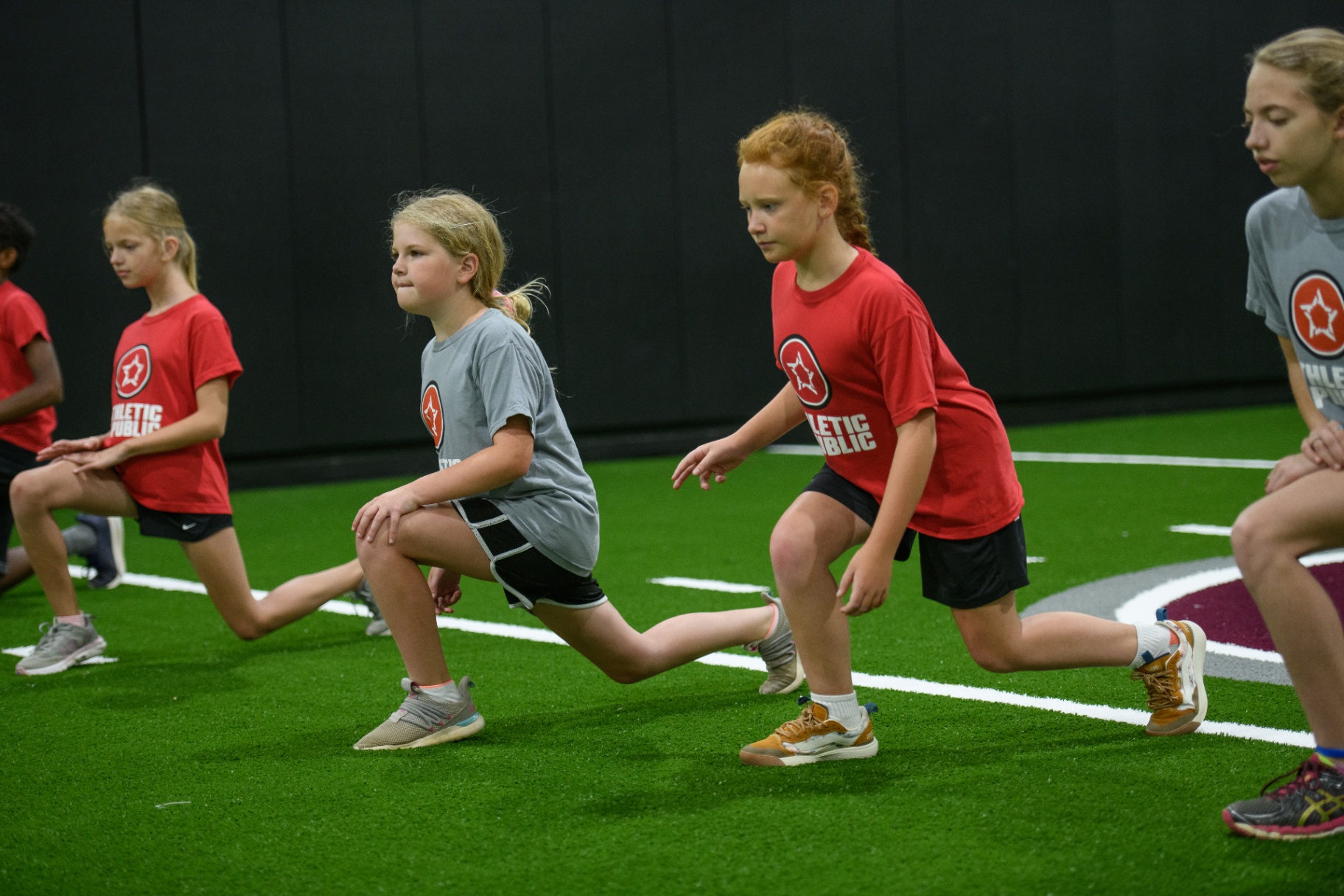
At Athletic Republic Knoxville, our Acceleration program gives athletes repeated opportunities to practice this skill in a structured setting. Training is built around science-based protocols, individualized coaching, and specific feedback, not just working hard and hoping a movement improves.
On our treadmills, coaches can help athletes focus on sprint mechanics. On our patented training floor, athletes work on agility and movement. In both settings, a trainer may give an athlete a cue to try on a following attempt. The athlete’s job is to listen, focus on that one adjustment, and show what they understood through the movement.
Our 18,000-square-foot facility and specialized equipment support that work, while certified trainers help guide athletes through training appropriate to their needs and goals. The point isn’t to make every rep perfect. It’s to practice receiving useful information and responding to it with intention.
That same habit can carry into team practice: hear the coach’s cue, try it on the next relevant rep, and stay engaged enough to make another adjustment if needed. Training can provide a place to rehearse the process; it can’t control how a coach evaluates every player or how playing time is decided.
A simple practice checklist
Try this the next time your coach gives you a correction:
- Listen: Turn toward the coach and focus on the cue.
- Choose one adjustment: Don’t try to change five things at once.
- Apply it on the next rep: Make a real attempt, even if it feels unfamiliar.
- Ask if you’re unsure: “Do you mean…?” is better than guessing.
- Check once if needed: “Like that?” can confirm you understood.
- Repeat it without a reminder: Keep working on the adjustment and notice what happens.
You won’t get every correction right immediately. The goal is not instant perfection; it’s making your effort to learn visible.
Parents: reinforce the response, not the sideline instructions
It’s natural to want to help when you see your athlete working hard for a bigger role. But if your athlete is hearing one set of instructions from the coach and another from the sideline, it can become harder to focus on either.
After practice, try asking, “What correction did you work on today?” or “What felt different when you tried it?” That keeps the conversation centered on the athlete’s learning rather than on criticizing the coach or replaying every mistake.
You can also recognize the process: “I noticed you tried that adjustment again,” or “It’s good that you asked when you weren’t sure.” That kind of encouragement supports effort and communication without turning the car ride home into another coaching session.
Coachability is something you can practice
You don’t have to be the loudest athlete on the team to show that you’re engaged. You don’t have to pretend every correction feels easy. Pay attention, ask when you need clarity, and make a sincere attempt to apply the instruction. Over time, those small responses can help coaches see how you approach learning.
If you’re looking for structured, individualized sports performance training, learn more about student-athlete training at Athletic Republic Knoxville or sign up for a free trial class.
Training can support athletic development and help you build skills. It cannot promise a starting spot or a specific amount of playing time. Those decisions belong to your team’s coaches. What you can control is how you prepare, how you respond to feedback, and how consistently you work to improve.