Last season, your athlete looked smooth. They changed direction without thinking, popped off the ground, and seemed to know exactly where their feet were. Then came a growth spurt, and suddenly their arms and legs look unfamiliar. Cuts feel clumsy, jumps don’t have the same bounce, and a smaller teammate may be moving up the depth chart.
For the athlete, that can feel frustrating and personal: Did I get worse? For parents, it can be hard to watch confidence dip along with performance.
A growth spurt can change how movement feels. It doesn’t mean an athlete has lost their potential, and it doesn’t mean every young person will go through a coordination slump. In this installment of Athletic Republic Knoxville’s “Acceleration Program: Earning the Starting Spot” series, we’ll look at what may be happening, and how patient, well-calibrated training can help athletes get comfortable in their changing bodies.
Why a growing body can feel like a new body
Peak height velocity, or PHV, is the period when a young person is growing fastest in height. The timing and pace vary from athlete to athlete, so chronological age alone doesn’t tell the whole story.
During rapid growth, bones can lengthen before muscles and other parts of the movement system have fully adapted. At the same time, longer limbs change the body’s proportions and how much effort it takes to control them. The brain and nervous system are also adjusting their movement plans to a body that may feel different from one month to the next.
A review on developmental changes in the youth athlete describes how these changes can affect movement, performance, and coordination. In everyday terms, a familiar sprint, landing, or cut may suddenly require a little relearning. A stride that used to feel natural can feel too long; a jump may not have its old timing; a quick change of direction may feel less tidy.
That “teenage stranger” feeling is not a diagnosis, and it isn’t proof that something is wrong. It’s one possible response to a body changing quickly. Some athletes notice a temporary plateau or awkward stretch; others keep progressing without a noticeable dip.
The research is more nuanced than “every teen gets awkward”
It’s tempting to explain a rough season with one neat label: adolescent awkwardness. The science is more mixed than that.
A 2025 study, “Are coordinative abilities impaired during adolescence in academy soccer?”, compared academy soccer players at different maturity stages. Its findings did not show a simple, across-the-board coordination decline. Landing measures did not clearly differ between the maturity groups, and cutting technique was actually more favorable in the post-PHV group than in the pre- and circa-PHV groups. On some more complex tasks, however, the pattern was less straightforward than on simpler sprinting and jumping tests.
That’s a useful reminder: growth-related movement changes are individual, and what shows up can depend on the task being tested. The study is not a guarantee of what will happen to any one athlete, and it doesn’t support doom-and-gloom predictions. It does support paying attention to the person in front of you rather than assuming every teenager follows the same timeline.
What parents and athletes may notice
The signs are often ordinary-looking: a foot catches during a cut, balance feels less certain after a landing, or an athlete needs more effort to control their limbs at speed. They may feel slower or less springy, even when their motivation and work ethic haven’t changed.
For the young person, the confidence part can be just as tough as the physical part. It can sting when a teammate who used to be behind them gets more playing time. Try to separate the athlete’s value from a temporary performance snapshot. A growth spurt is not a character flaw, and a depth-chart change is not a verdict on their future.
If an athlete is in pain, experiencing persistent symptoms, or concerned about an injury, involve a qualified medical professional. Performance training can support movement development, but it is not a substitute for medical assessment.
How to help an athlete feel in control again
The answer isn’t to panic, pile on extra conditioning, or insist they “just move like they used to.” Their body may be in a different place now. A more supportive approach is to help them learn what works at their current size and strength.
1. Revisit movement mechanics
Running, decelerating, landing, and changing direction are skills. After a noticeable growth change, coaching can help an athlete practice those skills with their current limb lengths and proportions, not chase last season’s movement pattern. Start with the quality of the movement and build from there.
2. Build strength and body control
Age-appropriate strength work can help athletes develop the ability to produce force and control their bodies through different positions. The goal isn’t to turn every session into a max-effort test. It’s to build a dependable foundation for running, jumping, landing, and moving in more than one direction.
3. Practice coordination and agility again
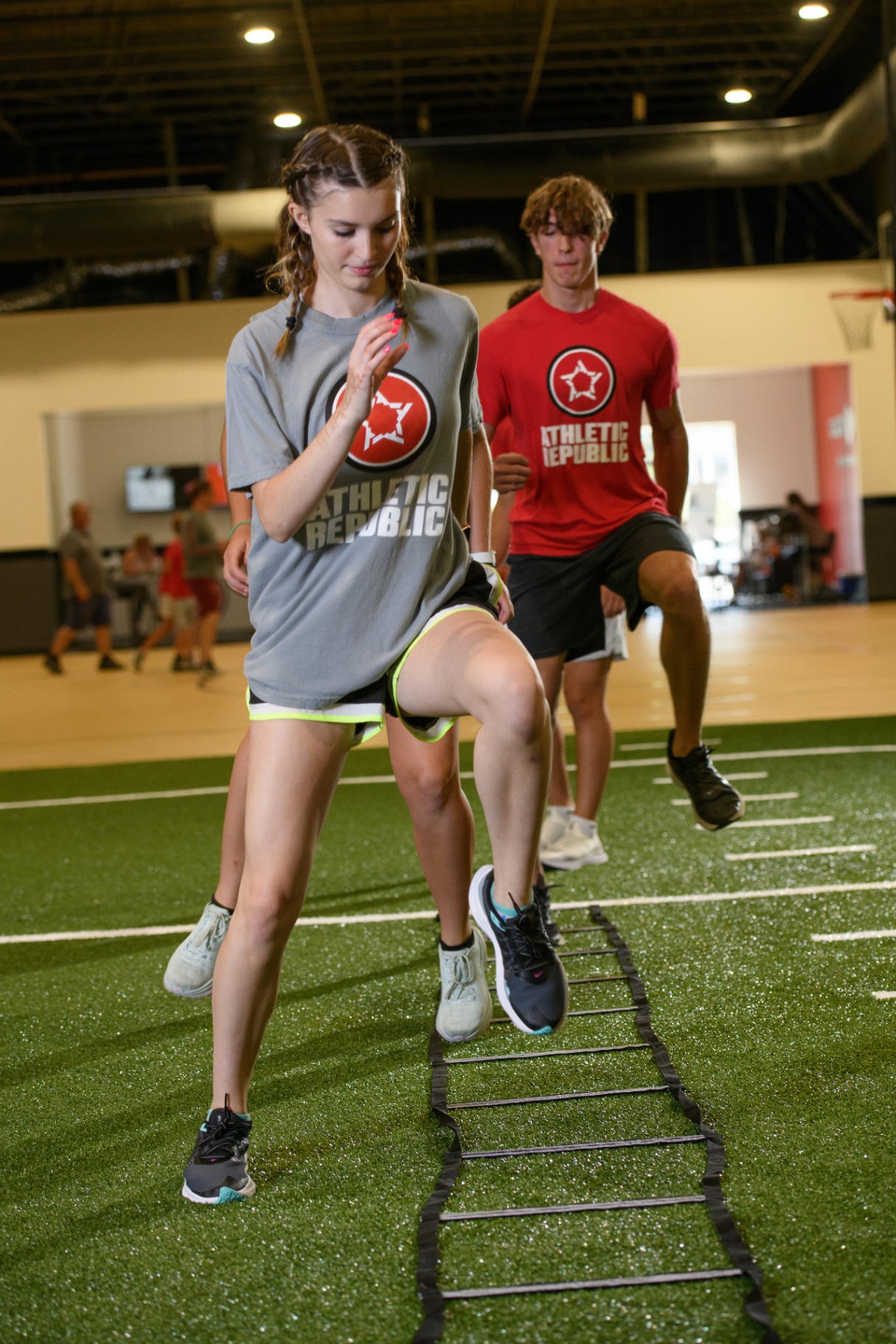
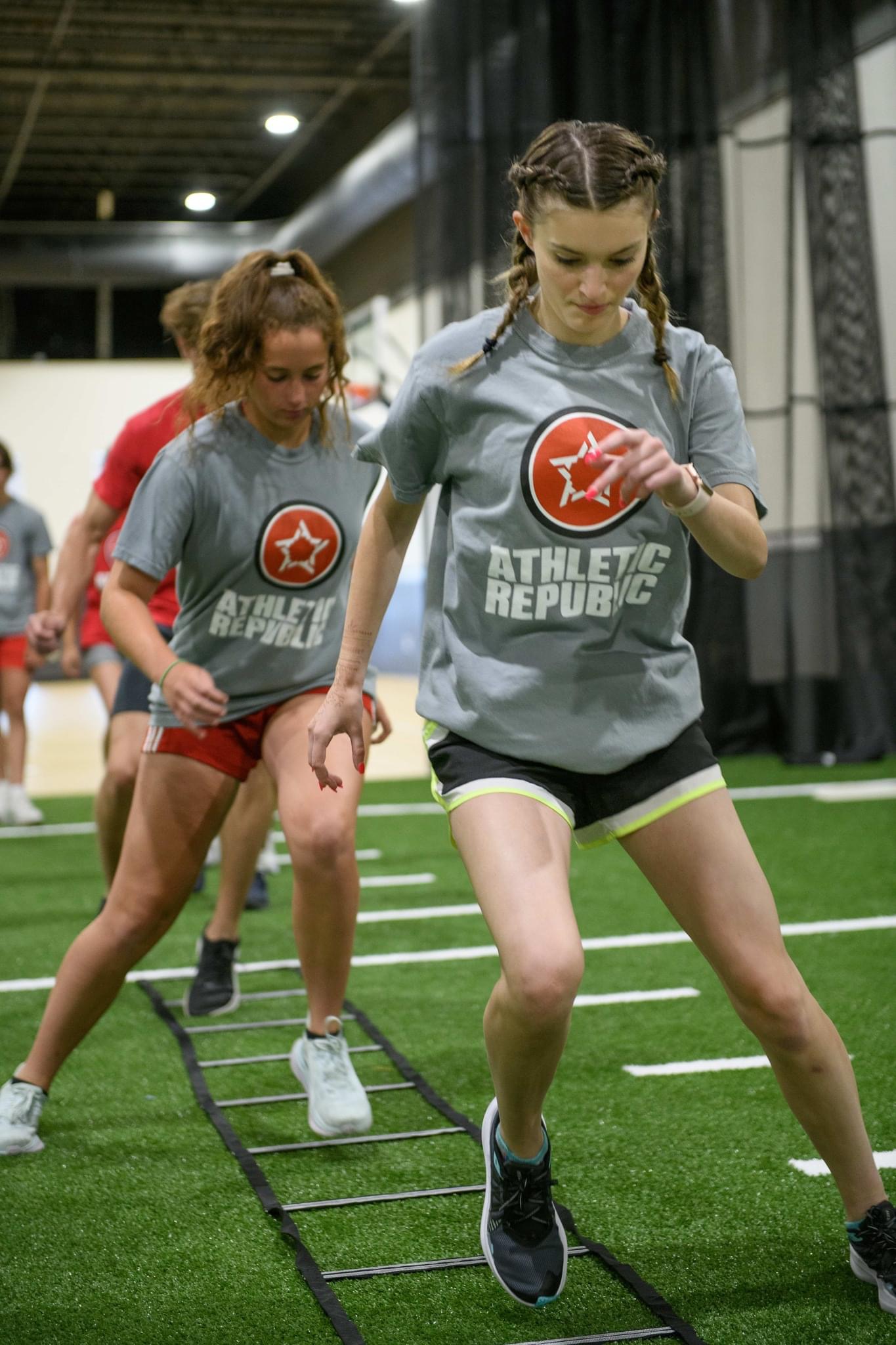
Footwork patterns, ladder drills, controlled plyometrics, and progressive change-of-direction work can give athletes a chance to practice timing and coordination. These drills should be coached and scaled to the athlete, not treated as a competition to see who can rush through them fastest.

4. Track progress against the athlete’s own baseline
Comparisons with teammates can miss the point. A more useful question is whether this athlete is moving with better control, building consistency, and making progress on the skills they’re practicing. Periodic testing can help make those changes visible and inform what to work on next.
5. Keep the conversation encouraging
Ask what feels different and listen without immediately correcting or comparing. Recognize effort, patience, and small improvements, not only speed, jump height, or playing time. Confidence often grows when an athlete understands that their body is adapting and they have a plan to practice.
How Athletic Republic Knoxville supports athletes through change
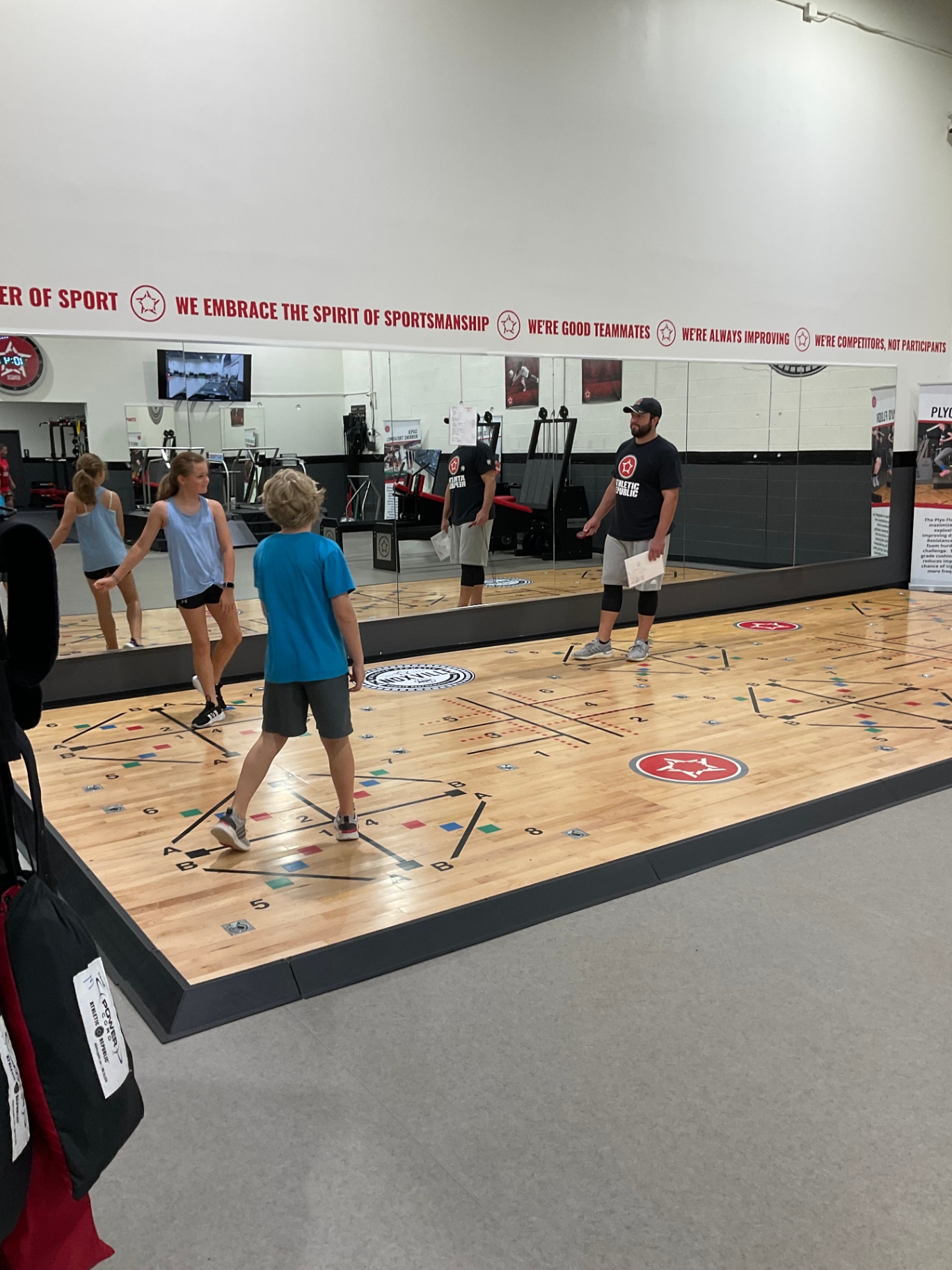
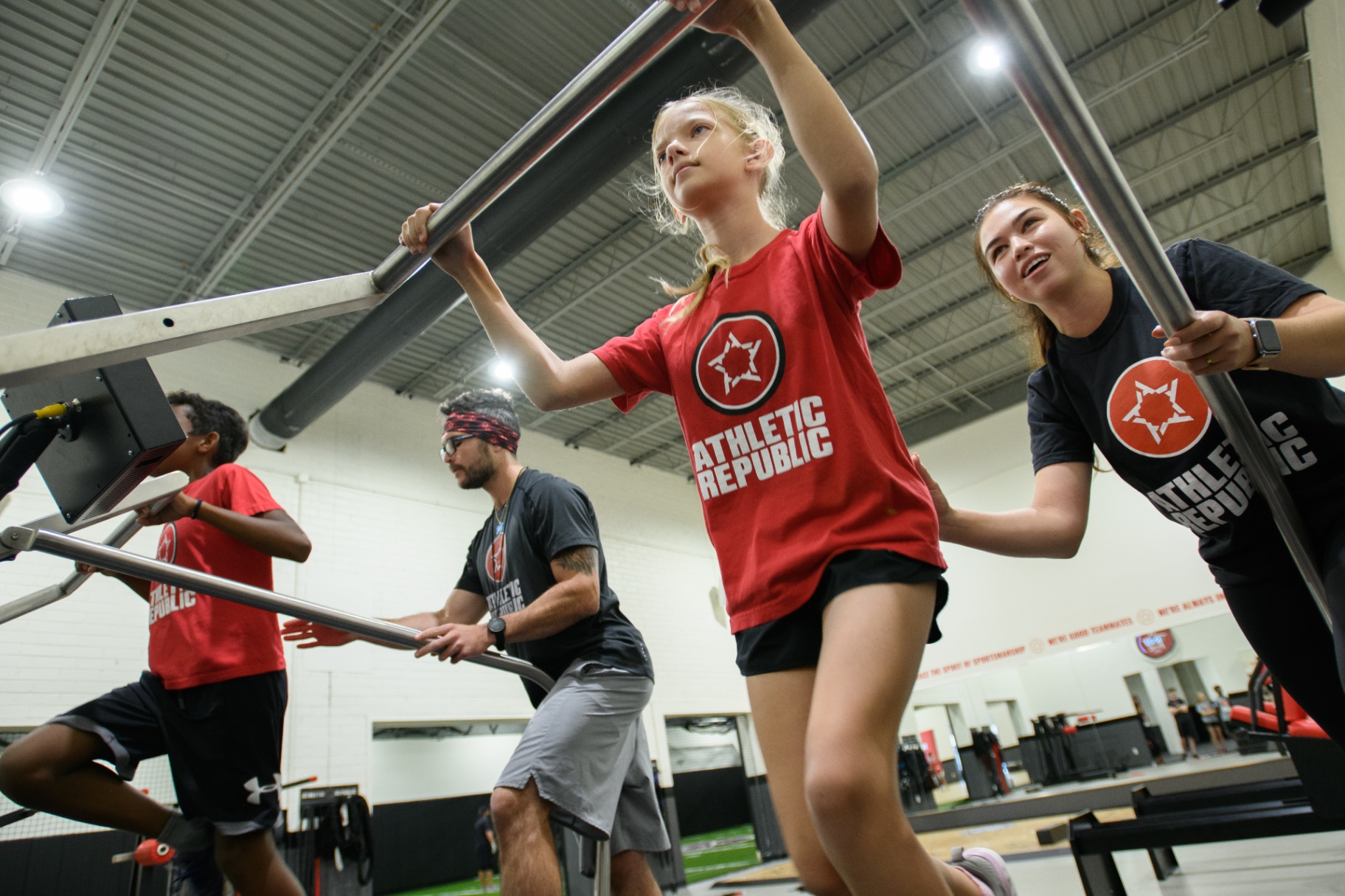
The Acceleration Program at Athletic Republic Knoxville is designed to develop speed, power, agility, and coordination through science-based training. Sessions combine coach-led instruction with running mechanics, strength work, plyometrics, and agility practice. Athletes are assessed at the beginning and end of a program, so progress can be reviewed against their own starting point.
For a young athlete whose body has changed quickly, that individualized attention matters. Coaches can observe how the athlete moves now, adjust the challenge, and revisit fundamentals as needed. The work takes place inside Athletic Republic Knoxville’s 18,000-square-foot facility with certified coaches and structured protocols.
That doesn’t mean training can guarantee a starting spot, or playing time. Coaches make those decisions based on many factors families may not see. Training can help an athlete move better, build physical confidence, and prepare to compete; it cannot promise a roster outcome.
A growth spurt is a transition, not a final score
If your athlete suddenly feels less coordinated after growing, they are not alone, and they are not “broken.” Their body may be adapting to new proportions, and the research does not say that every athlete will experience the same dip. With appropriate coaching, movement practice, and progress measured against their own baseline, athletes can work toward feeling more at home in their changing bodies.
Learn more about student-athlete training at Athletic Republic Knoxville or schedule a free trial class to explore whether the program is a good fit for your athlete.