There's a teammate who plays your position. You like each other. You sit near each other on the bus, trade jokes at practice and know exactly how the other one likes their postgame snack.
But they’re one step ahead on the depth chart. Now every rep can feel like a comparison. When they make a play, you wonder what it means for your chances. When the coach watches, it’s hard not to think about who’s being evaluated.
Parents notice it, too. The athlete who used to come home talking about the team now seems tense, quiet or quick to bring up the other player. Competing with someone you care about is an awkward part of sports, and pretending it isn’t happening rarely makes it easier.
Two ways the competition can go sideways
One response is to shrink. You play not to lose your spot, avoid a difficult pass or hesitate on a shot you’d normally take. Instead of making a strong play, you focus on not making a mistake. That tightness can make you less effective and less enjoyable to coach.
The other response is to turn the competition into a personal rivalry. You get moody when your teammate succeeds, make a side comment after a mistake or sulk when they’re praised. It may feel like a way to protect your position, but it can damage trust, and coaches can see when the tension starts affecting the group.
Neither response helps you show what you can do. The goal isn’t to pretend the competition doesn’t exist. It’s real, and the lineup may not change tomorrow. The goal is to make it a sharpening competition, not a status fight.
Compete hard without making it personal
There’s a difference between wanting to earn a spot and wanting your teammate to lose theirs. You can push yourself to improve, take a challenging rep and make a case for more playing time while still respecting the person competing for the same opportunity.
That distinction shows up in research, too. In the 2016 The Sport Psychologist article “As Iron Sharpens Iron? Athletes’ Perspectives of Positional Competition”, university athletes described competition for a position as an ongoing process shaped by the athletes, their team and their coach. It unfolded across practices and games, with consequences for both individual athletes and the group.
A separate 2016 report on positional competition and cohesion in interdependent sport teams found that positional competition was positively associated with task cohesion, the team’s shared focus on doing the work, particularly when coaches communicated about selection and teammates pushed one another to perform. That doesn’t mean competition automatically brings a team together, or that every athlete will respond well. It suggests that competing for a spot doesn’t have to damage cohesion. Ego-driven conflict and undermining are a different story.

Keep your attention on your own game
When your teammate is right there, it’s easy to make their mistakes feel like your progress. But their dropped pass doesn’t make you a better player, and their good practice doesn’t erase the work you’ve done.
Give your attention to what you can control: your preparation, effort, decisions, response to coaching and physical development. If you’re a high school or college athlete, that might mean taking the first step more decisively, improving your change of direction, or building the strength to hold position through contact. Adult athletes in competitive leagues face the same challenge: focus on your own contribution to the team rather than waiting for someone else to slip.
When your teammate does something well, try to say so, specifically and genuinely. “Great recovery on that play” means more than a forced high-five. Encouragement costs nothing, supports the group and helps you act like the teammate you’d want beside you. Coaches notice who contributes to the team environment, not only who wants a bigger role.
And if you’re unsure what the coach wants to see, ask one honest question: “What’s one thing that separates us right now, and what should I focus on improving?” Listen to the answer as information, not a verdict on your potential. You may not hear exactly what you hoped, but a clear development target is something you can work on.
Make your own progress the scoreboard
You can’t control your teammate’s stats, role or training history. You can keep track of your own development. Record your sprint times, jump results or agility numbers when you have access to them. Notice how your movement feels and what you’re working to improve.
Private progress tracking doesn’t have to turn into another comparison. It gives you something concrete to reflect on besides “Am I ahead of them yet?” The better question is, “What’s changing in my game, and what’s my next step?”
Where Acceleration fits
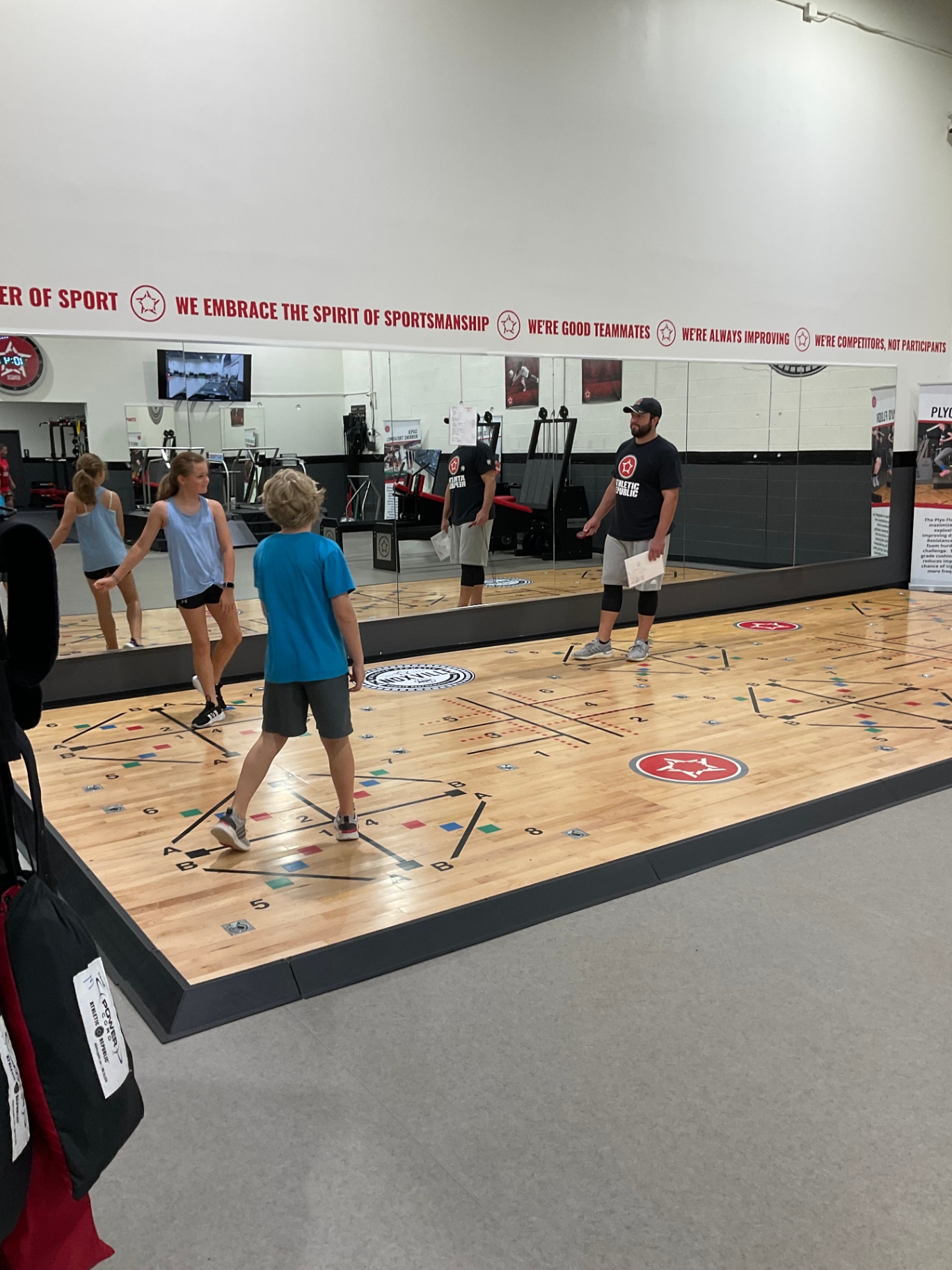
At Athletic Republic Knoxville, the Acceleration Program is built around developing and measuring the individual athlete. Progress is compared with your own starting point, not with the teammate you share a position with.
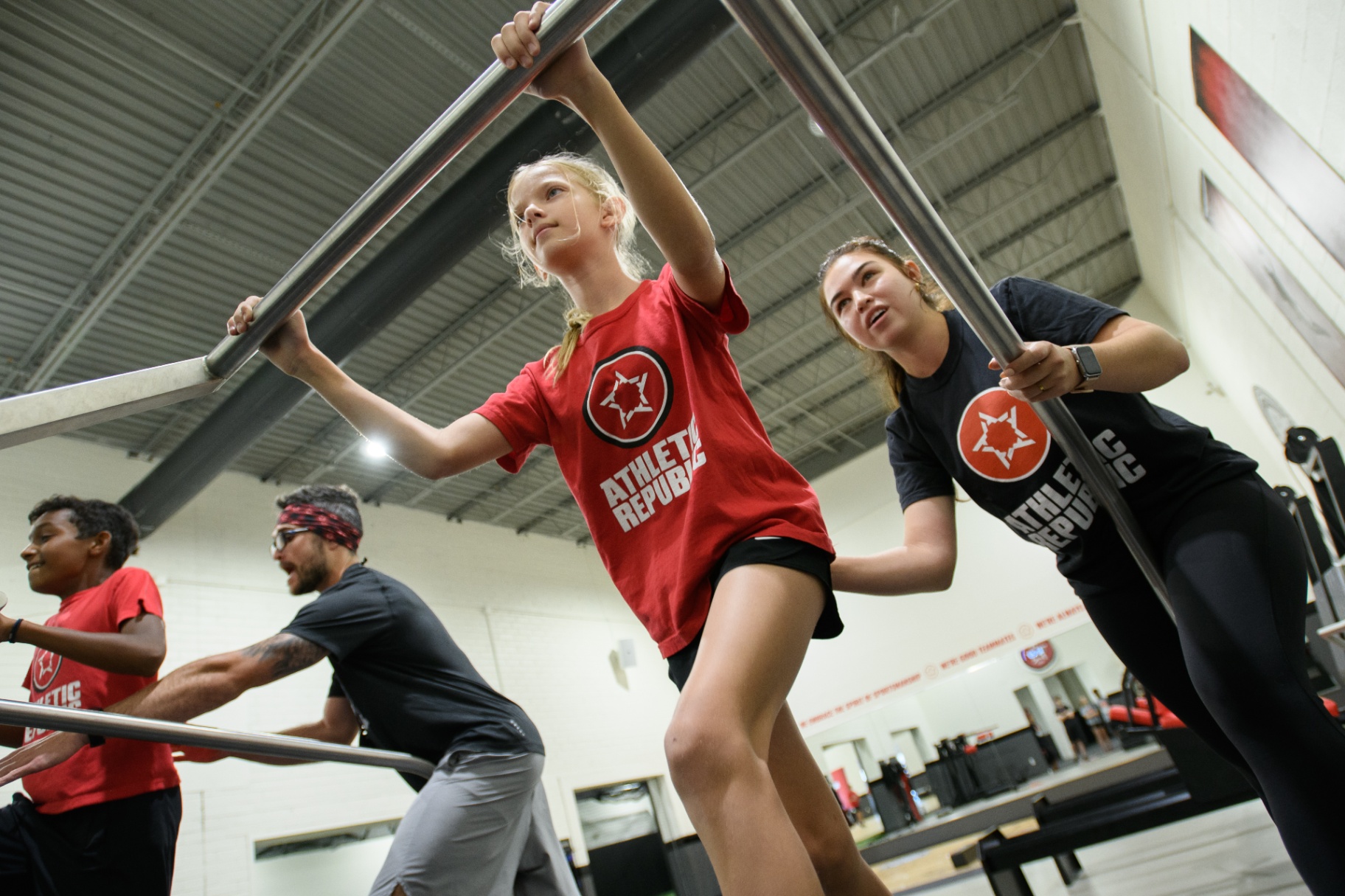
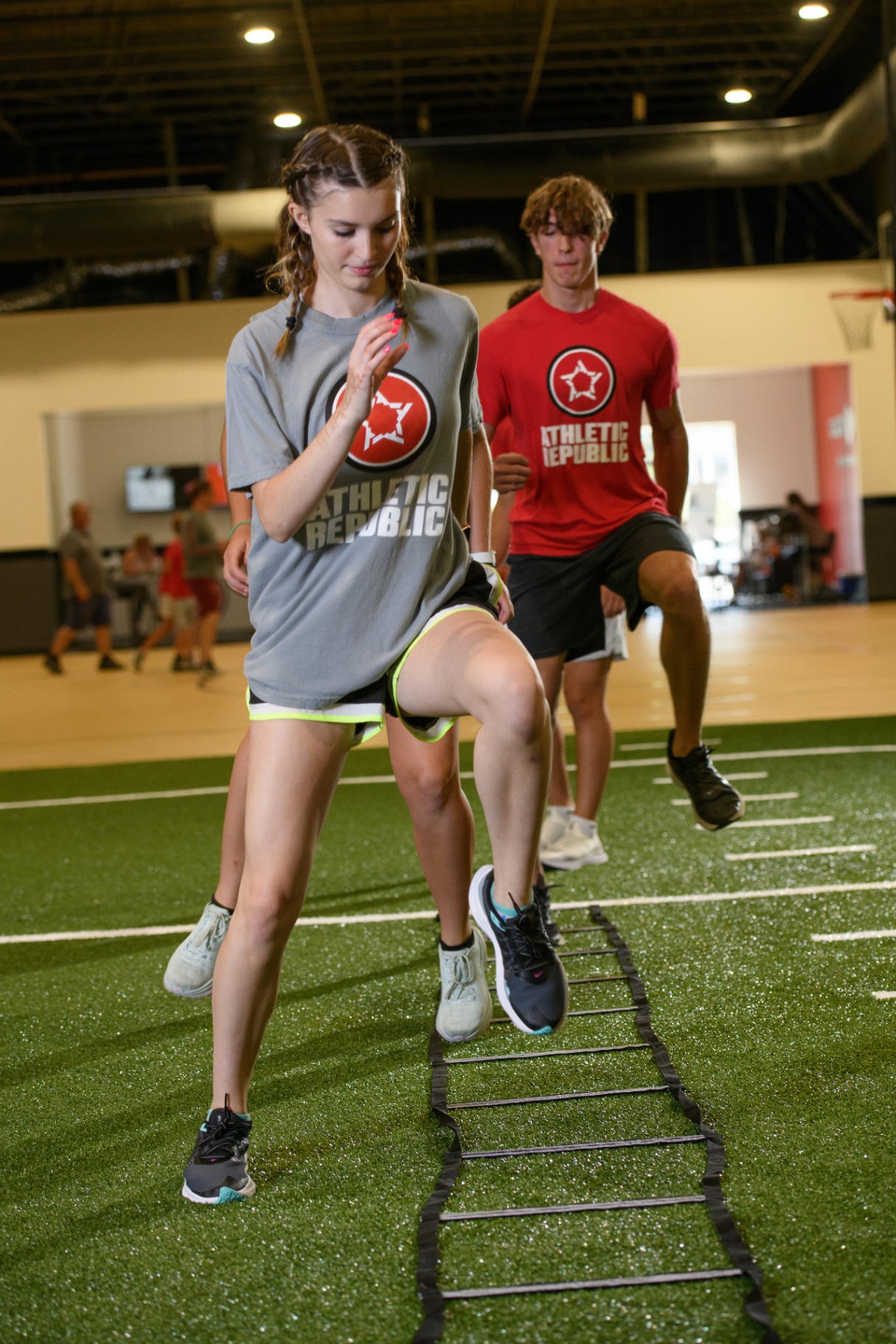
In Knoxville’s 18,000-square-foot facility, athletes work with certified coaches through high-speed treadmill sessions, plyometric and agility work, strength training and objective testing. The goal is to help each athlete understand their development and build speed, power and movement skills through structured training. For an athlete on a crowded depth chart, focused improvement between August and October can make a stronger case for their development, without turning a teammate’s performance into the measuring stick.
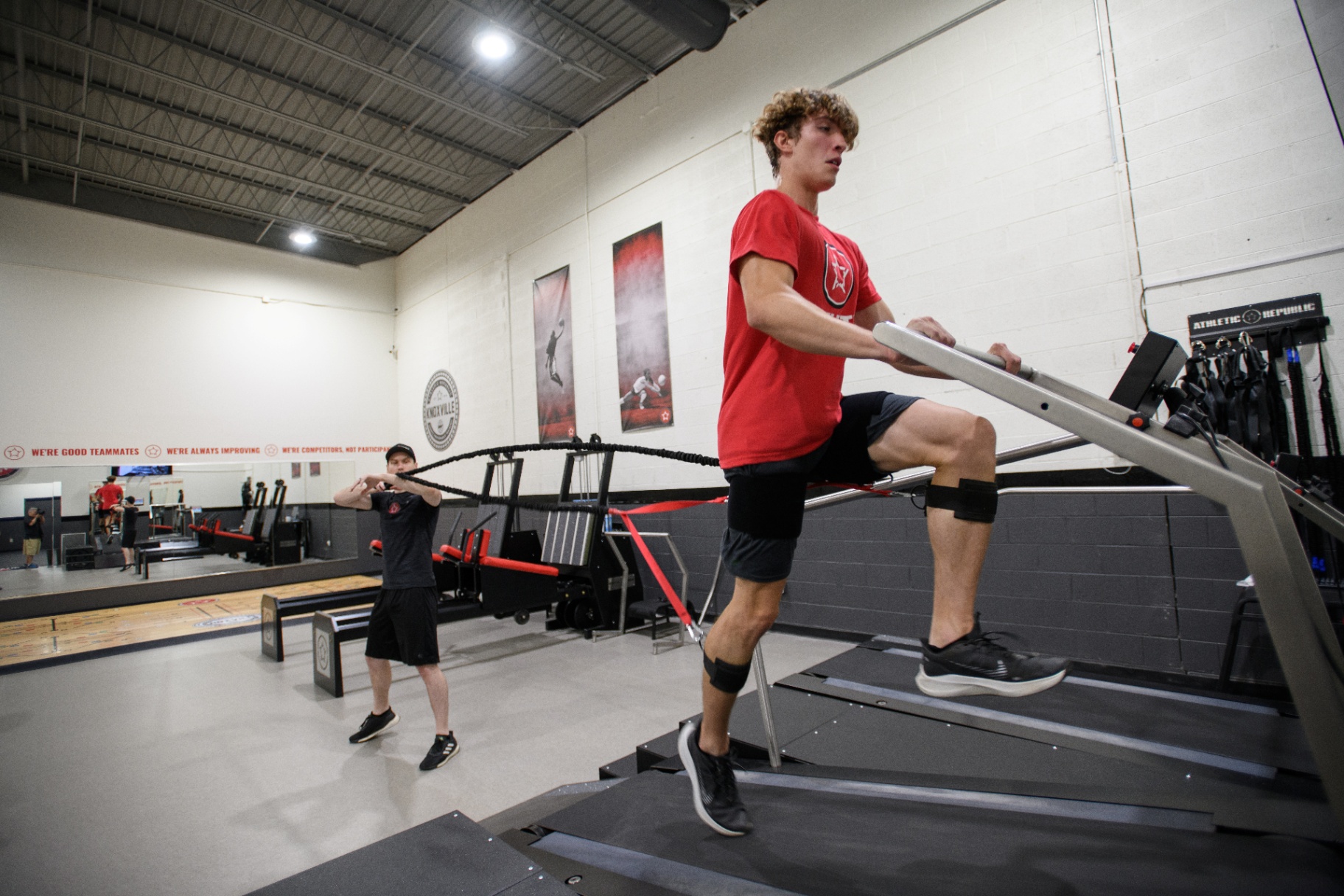
If you’d like to learn more about the program, visit student-athlete training at Athletic Republic Knoxville.
What parents can do from the bleachers
It’s natural to want your athlete to get the opportunity they’ve worked for. But try not to feed the rivalry. Avoid comparing the two athletes out loud, replaying the other player’s mistakes or rooting against a teammate. Those comments can add pressure and make the locker room feel like an extension of the competition at home.
Instead of asking, “Did you beat him out today?” try, “How did you compete today?” You can also ask what your athlete learned, what they’re proud of or what they want to work on next. That keeps the conversation focused on effort and development without pretending playing time doesn’t matter.
And keep the expectations honest: training can help an athlete become faster, more powerful and better prepared. It cannot promise a starting spot or guarantee minutes. Coaches make lineup decisions based on many factors, and families may not see all of them. The promise is development, not a guaranteed outcome.
Be the teammate you want beside you
You don’t have to choose between competing for a bigger role and being a good teammate. Take the rep seriously. Ask for useful feedback. Celebrate your teammate’s effort when they earn it. Then get back to your own work.
If you’re ready to see what structured training feels like, request a free trial class at Athletic Republic Knoxville. You can compete with purpose, keep the locker room strong and keep building your game: one step at a time.