If you are a parent of a bench athlete, or an athlete waiting for a bigger role, you have probably asked the same question:
How long will it take before I see real progress?
It is a fair question. Training takes time, and athletes want to know whether the work is translating into something meaningful.
The honest answer is that progress does not happen on one exact schedule for every athlete. Age, training history, sport, sleep, nutrition, practice demands, and consistency all matter. But with a structured program, many athletes begin to notice changes within the first few weeks, while more measurable improvements often become clearer over a six- to twelve-week training block.
At Athletic Republic Knoxville, Acceleration training is built around a simple process: establish a starting point, train with purpose, review movement quality, and retest to measure what changed.
Here is what that progress can look like.
Week 0: Start with a baseline, not a guess
Before an athlete can know how far they have come, they need to know where they are starting.
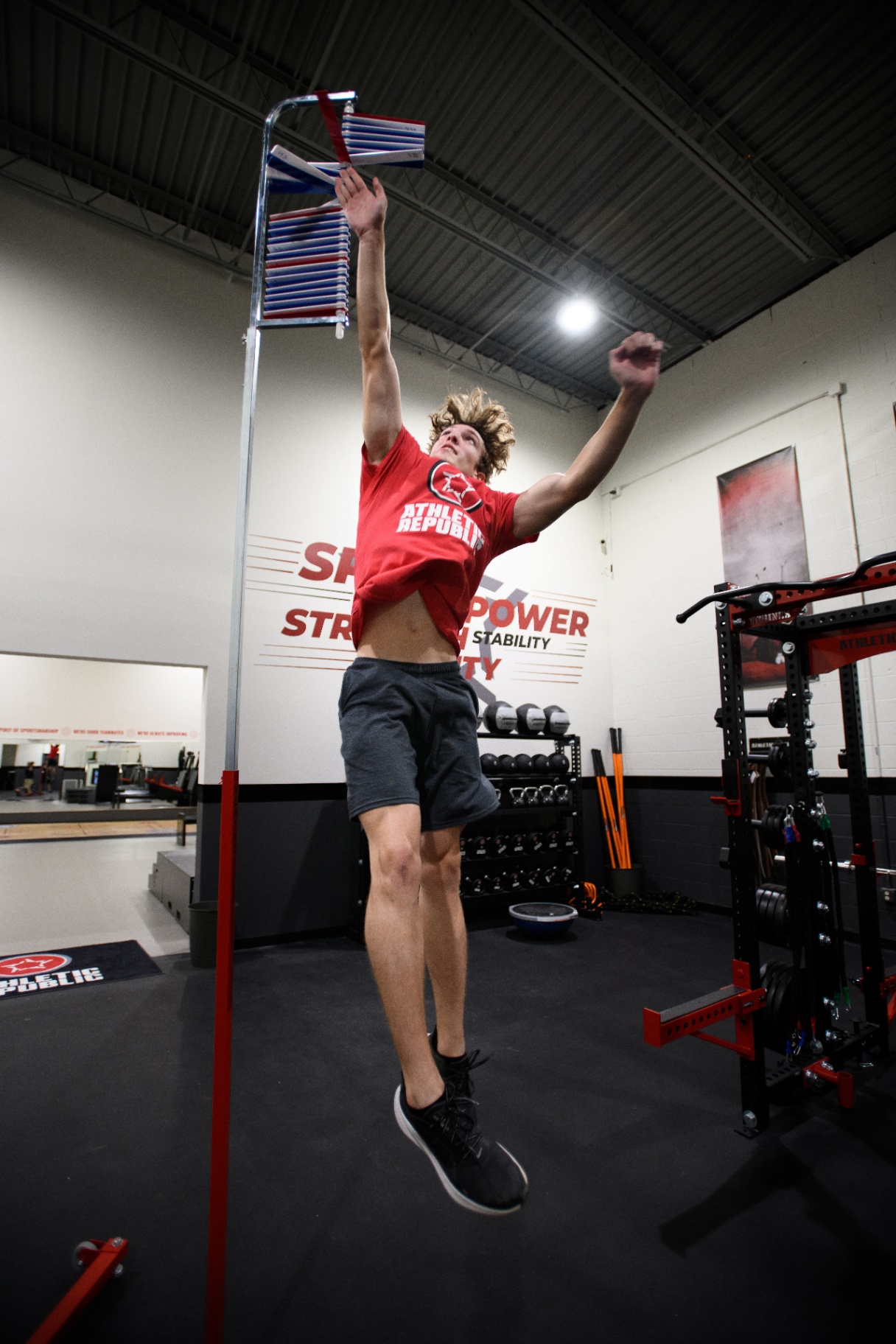
That is why Acceleration begins with baseline testing. Athletic Republic Knoxville tests athletes at the beginning of a training program to identify areas for improvement, movement differences, and current performance levels. The specific testing process may vary by athlete, but it can help evaluate qualities such as speed, agility, power, coordination, and symmetry.
This matters for more than motivation.
A baseline helps certified trainers personalize the training plan. It also gives athletes a reference point when progress feels slow. Instead of relying only on how fast a workout felt or whether a coach noticed one good play, the athlete has objective information to compare later.
A first test is not a judgment. It is simply the starting line.
Weeks 1–2: The first changes may be technical
During the first couple of weeks, athletes may not suddenly become dramatically faster. That does not mean the program is not working.
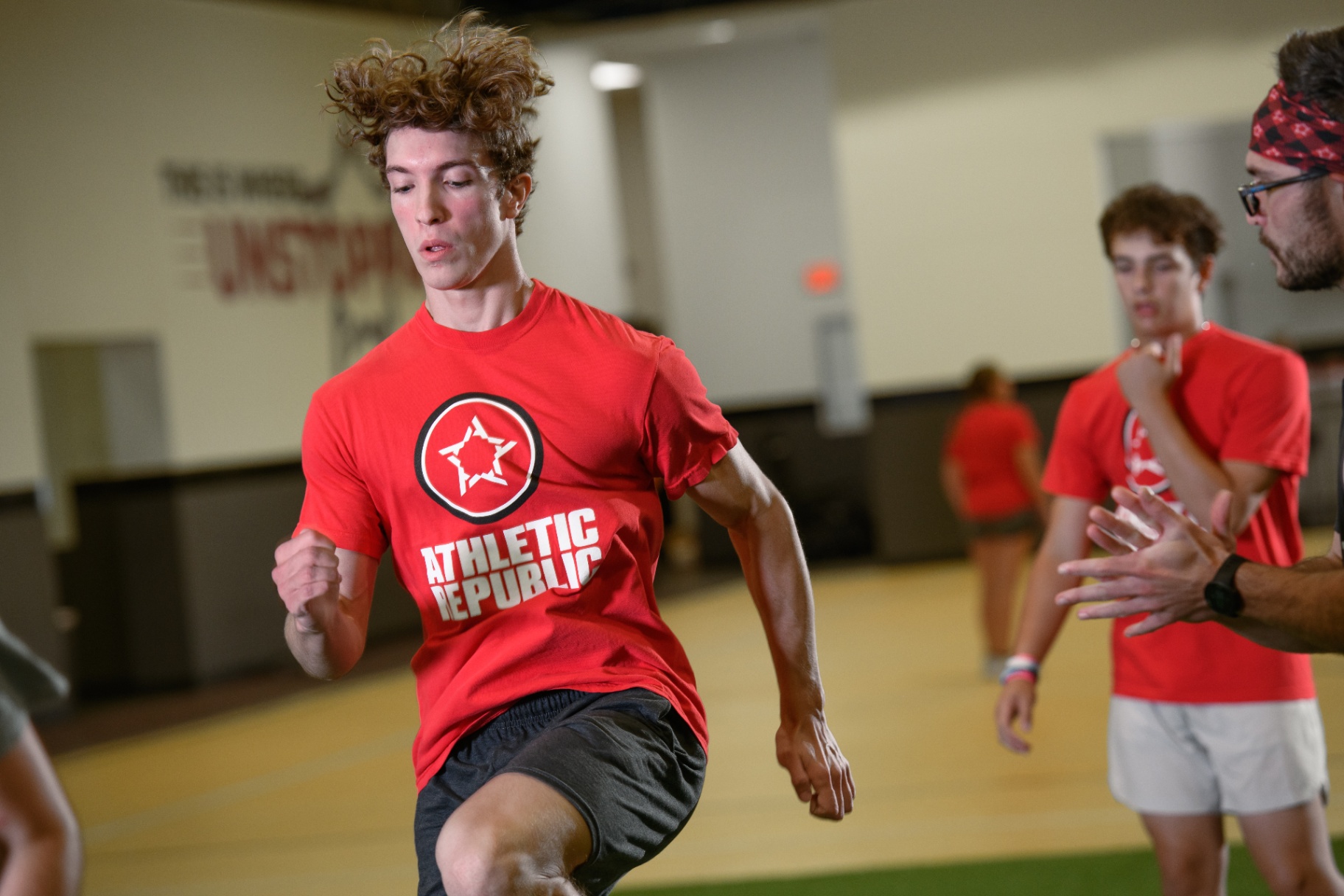
Early progress often shows up in movement quality and body awareness. An athlete may begin to:
- Set up in a better starting position
- Keep a stronger posture while accelerating
- Coordinate the arms and legs more effectively
- Control the body during stops and direction changes
- Understand how to apply force into the floor
- Feel more confident performing movements at higher speeds
These changes are important because speed is not only about trying harder. It also depends on how efficiently the body moves.
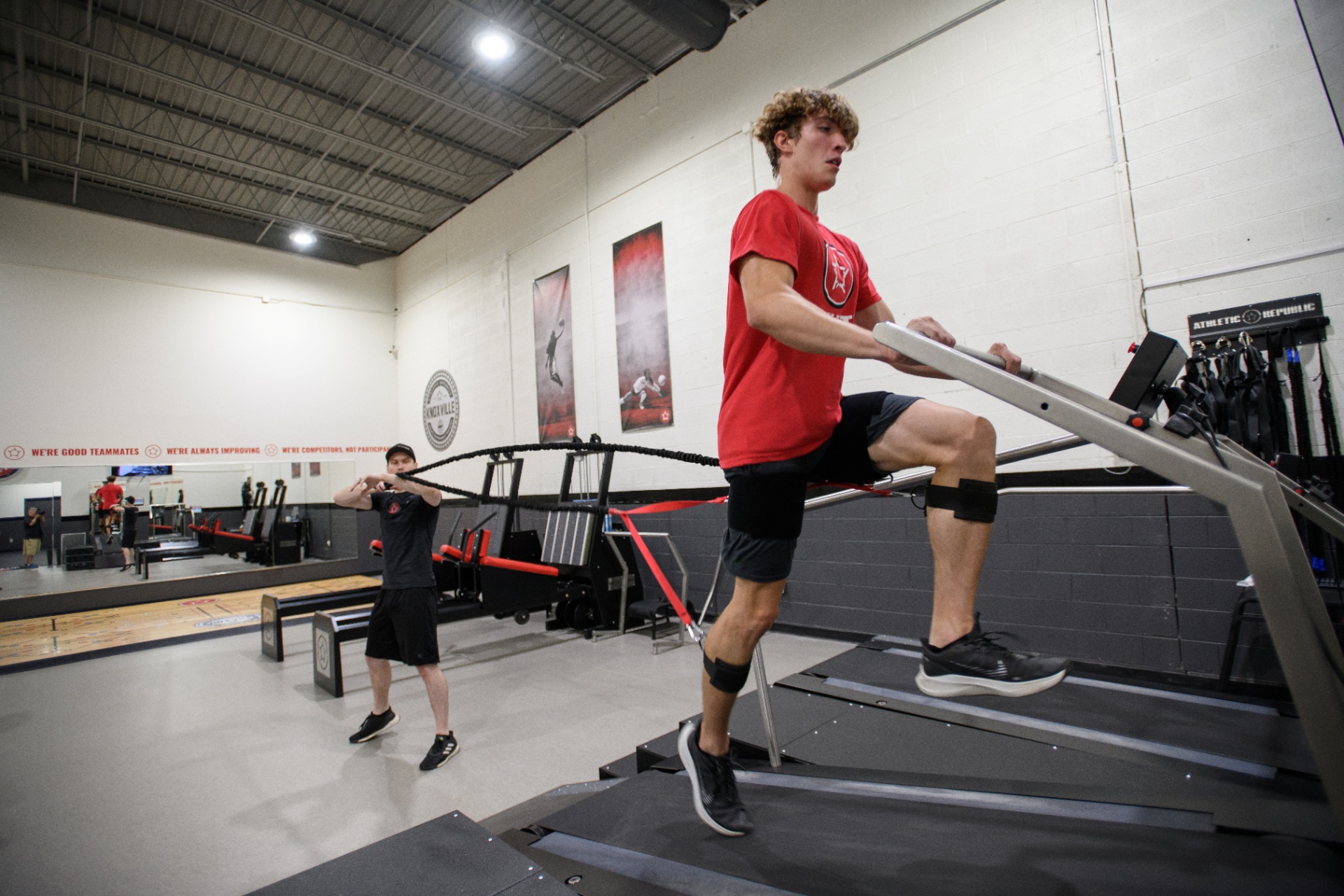
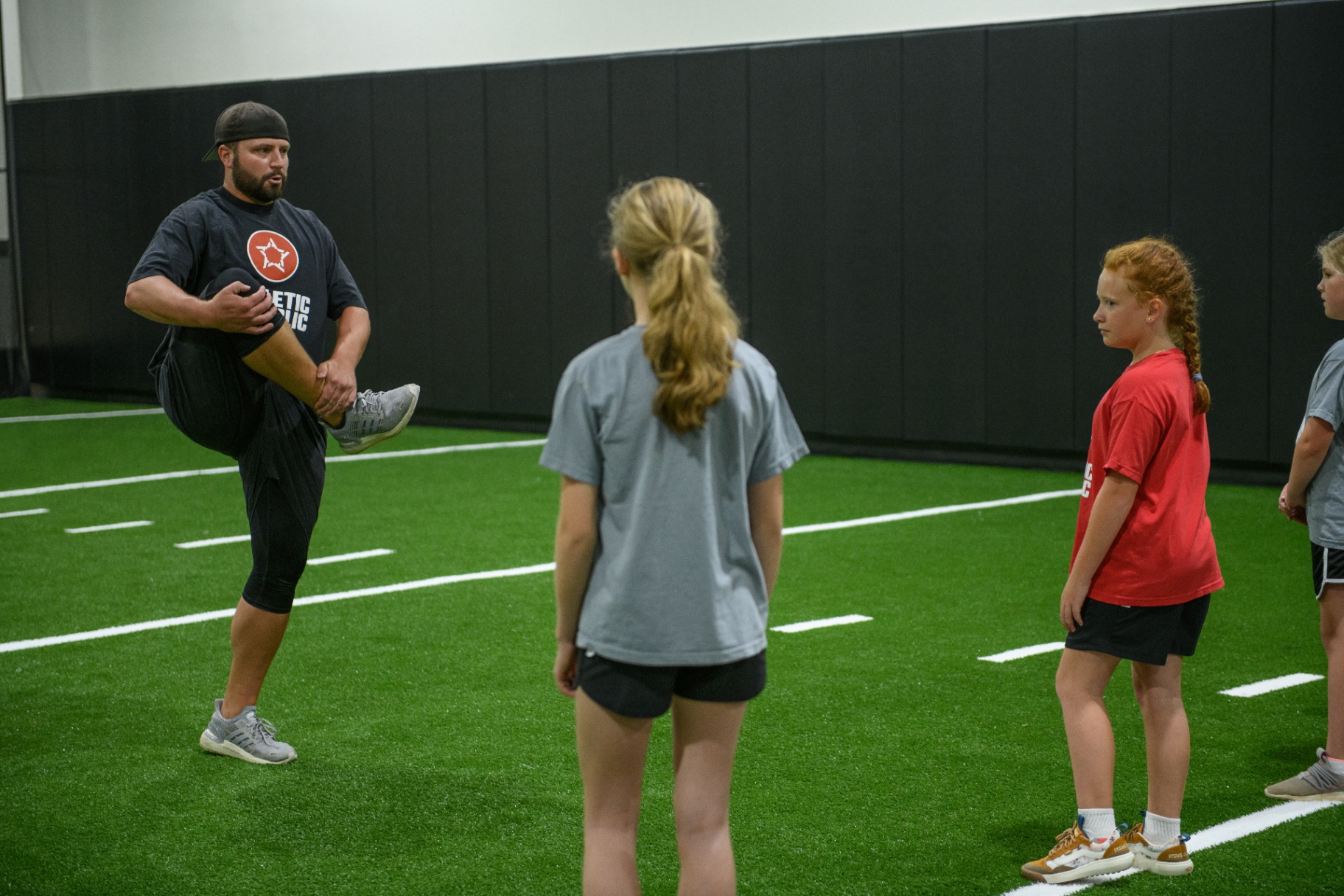
Athletic Republic Knoxville uses science-based protocols built around biomechanics, neuromuscular training, strength, power, mobility, and sport-specific movement. Certified trainers coach the details and make adjustments based on the athlete in front of them.
This is also where video feedback can be especially helpful. Seeing a movement on screen can make a technical correction easier to understand. An athlete may feel like they are driving the knees, staying tall, or pushing in the right direction, but video can show what is actually happening.
That feedback gives the athlete something specific to improve during the next repetition.
Weeks 3–4: Movement starts to feel more natural
By the third or fourth week, consistent athletes may begin to notice that certain movements feel less awkward.
The first step may feel more organized. Acceleration may feel smoother instead of rushed. Cutting and changing direction may require less hesitation. The athlete may also recover more comfortably between efforts or feel more prepared at practice.
These changes are often signs that the athlete is learning how to use their strength and coordination more effectively.
The training is not just building physical capacity. It is also helping the brain and body communicate more efficiently. That is one reason repetition, coaching, and consistency matter so much. Athletes need enough exposure to a movement pattern for it to become more automatic.
This is also a good time to remember that one missed session is not a failure, and one great session is not the finish line. Progress comes from stacking quality work over time.
Research on speed, agility, and quickness training supports this general timeline. For example, an eight-week study of U-20 female soccer players found improvements in sprint and change-of-direction performance after a structured speed, agility, and quickness program. The study is not a guarantee that every athlete will see the same results, but it supports the value of a progressive, consistent training block. You can read the published research here.
Weeks 5–6: Early performance gains may show up in testing
Around the five- or six-week mark, some athletes begin to see more noticeable changes in measurable performance.
That could mean a faster short sprint, a better change-of-direction time, improved jumping or power output, or better control during a movement assessment. The change may be large for one quality and smaller for another. That is normal.
Speed, agility, and power are related, but they are not identical. An athlete may improve acceleration before maximum-speed performance. Another may show better body control and cutting before a major change in sprint time. A good program looks at the complete athlete instead of expecting every measurement to improve at the same rate.
At Athletic Republic Knoxville, trainers use testing and coaching feedback together. Numbers tell part of the story. Movement quality, effort, consistency, and how an athlete transfers training to practice matter too.
That is why retesting is not about trying to “pass” or “fail.” It is a chance to see what improved and decide what the next training focus should be.
Weeks 7–8: Coaches may begin to notice the difference
By eight weeks, a consistent athlete may be moving differently in sport-specific situations.
They may arrive sooner to a loose ball, create more separation, close space faster, or get into position with less wasted movement. A basketball player may cover more ground on defense. A soccer player may win more short races. A baseball or softball player may move more efficiently out of a stance. A football player may show more confidence changing direction.
These moments are encouraging because they connect training to competition.
Still, athletes should avoid expecting one visible improvement to automatically change their role on a team. Coaches consider many factors when making lineup decisions, including skill, decision-making, position needs, reliability, communication, practice habits, and game awareness.
Acceleration training can help an athlete improve the physical qualities they control. It cannot promise a starting spot.
What it can do is make the athlete more prepared when an opportunity appears.
Weeks 9–12 and beyond: Build, retest, and keep progressing
A single training block is a beginning, not a finish line.
After eight to twelve weeks, many athletes have a clearer picture of their progress. Retesting can show which qualities improved, which need more attention, and whether the athlete is ready for a new level of challenge.
Some athletes may need additional work on strength or power. Others may need more emphasis on mechanics, stability, deceleration, or sport-specific movement. Younger athletes may be developing foundational skills, while advanced athletes may be refining small details that make a difference at higher levels.
This is where a personalized approach becomes valuable.
Athletic Republic Knoxville’s 18,000-square-foot facility gives athletes room to train across multiple areas, with specialized equipment, video feedback, and trainer-led instruction. The goal is not to make every athlete follow the exact same path. It is to provide the right progression for the athlete’s age, experience, goals, and sport.
You can learn more about the Acceleration and student-athlete training program or explore sport-specific training options.
What actually controls the timeline?
Athletes cannot control how quickly another player improves. They can control several important parts of their own process:
-
Showing up consistently
Training once in a while may feel productive, but consistency creates adaptation. -
Taking coaching seriously
The athletes who improve are willing to make corrections, even when the correction feels uncomfortable at first. -
Recovering well
Sleep, hydration, nutrition, and appropriate rest all support performance. -
Staying patient
Some progress is visible right away. Some progress is building underneath the surface before it appears in testing or competition. -
Using feedback instead of guessing
Baseline testing, video feedback, trainer observation, and retesting provide a clearer picture than assumptions do.
The starting spot is not entirely in an athlete’s control. Preparation is.
The best reason to train is not to chase a guaranteed promise. It is to become stronger, faster, more coordinated, more confident, and more ready for the next opportunity.
Ready to see where you can start?
If you want a clearer picture of your athlete’s starting point and a plan for building measurable progress, Athletic Republic Knoxville can help.
Book a free workout and take the first step toward becoming a faster, more powerful, and more prepared athlete.