Sitting on the bench can be frustrating.
You may know you can contribute. You may be working hard at practice, waiting for your opportunity, and wondering what it will take to earn more playing time. For parents, it can be difficult to watch an athlete feel stuck: even when you know they have the potential to do more.
The truth is that starting spots are often influenced by small differences in speed, power, agility, balance, and confidence. The athlete who gets to the ball first, changes direction more efficiently, or stays explosive late in a game can stand out when competition is close.
That is where purposeful training can help.
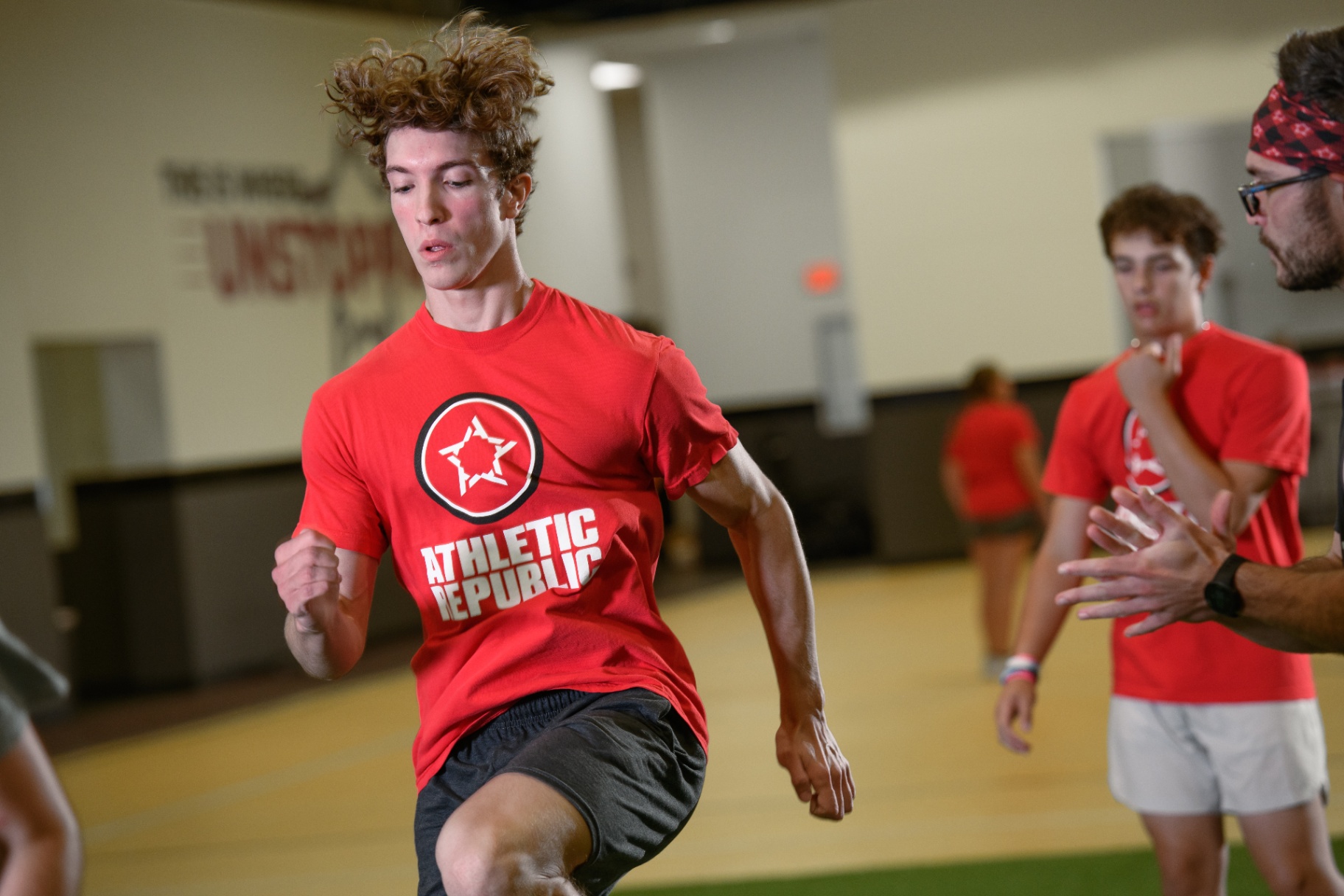
At Athletic Republic Knoxville, the Acceleration program is designed to help competitive athletes become faster, more explosive, and more prepared for the demands of their sport. Inside our 18,000-square-foot sports performance facility, athletes train through science-based protocols, specialized equipment, and hands-on coaching built around long-term progress: not random workouts.
The goal is not to promise a starting spot overnight. No training program can make that guarantee. The goal is to help athletes build the qualities that give them a better chance to earn opportunities when they arrive.
A Facility Designed for More Than “Working Out”
A large facility is only valuable when the space is used with purpose.
At Athletic Republic Knoxville, the 18,000-square-foot training center includes dedicated areas for acceleration, agility, plyometrics, strength development, running mechanics, and sport-specific movement. Athletes can work on several parts of athleticism during one session without being limited by a crowded weight room or a single type of equipment.
That variety matters because sports are rarely decided by one physical quality.
A basketball player needs to sprint, stop, cut, jump, and react. A soccer player must accelerate repeatedly, change direction under pressure, and maintain quality movement late in a match. A baseball or softball player needs lower-body drive, balance, rotational control, and explosiveness.
The Acceleration program at Athletic Republic Knoxville brings these demands together through small-group, trainer-led sessions for serious youth, high school, college, and competitive athletes.
Start With the Athlete, Not a Generic Workout
Effective performance training begins by understanding where an athlete is now.
Athletes in the Acceleration program are tested and observed to identify areas such as speed, power, movement efficiency, balance, coordination, and symmetry. Testing at the beginning and end of a training program helps athletes and families see progress more clearly.
Instead of simply saying, “I need to get faster,” trainers can ask more useful questions:
- Is the athlete losing power during the first few steps?
- Does their running form break down at higher speeds?
- Can they decelerate and change direction under control?
- Is one side of the body doing more work than the other?
- Do they struggle to maintain posture when tired?
- Can they produce force quickly enough for their sport?
These details help trainers choose the right progressions and adjustments. A younger athlete may need to focus on body control, balance, and movement fundamentals. A high school or college athlete may be ready for more advanced speed, power, and change-of-direction work.
That personalized approach is important. Athletes should be challenged, but the training should also match their age, experience, ability, and goals.
Build Speed That Transfers to Competition
Speed is not just about running in a straight line.
Athletes need to accelerate quickly, reach efficient top-end speed, and repeat high-effort movements throughout a game. They also need to move with good mechanics so they are not wasting energy or placing unnecessary stress on the body.
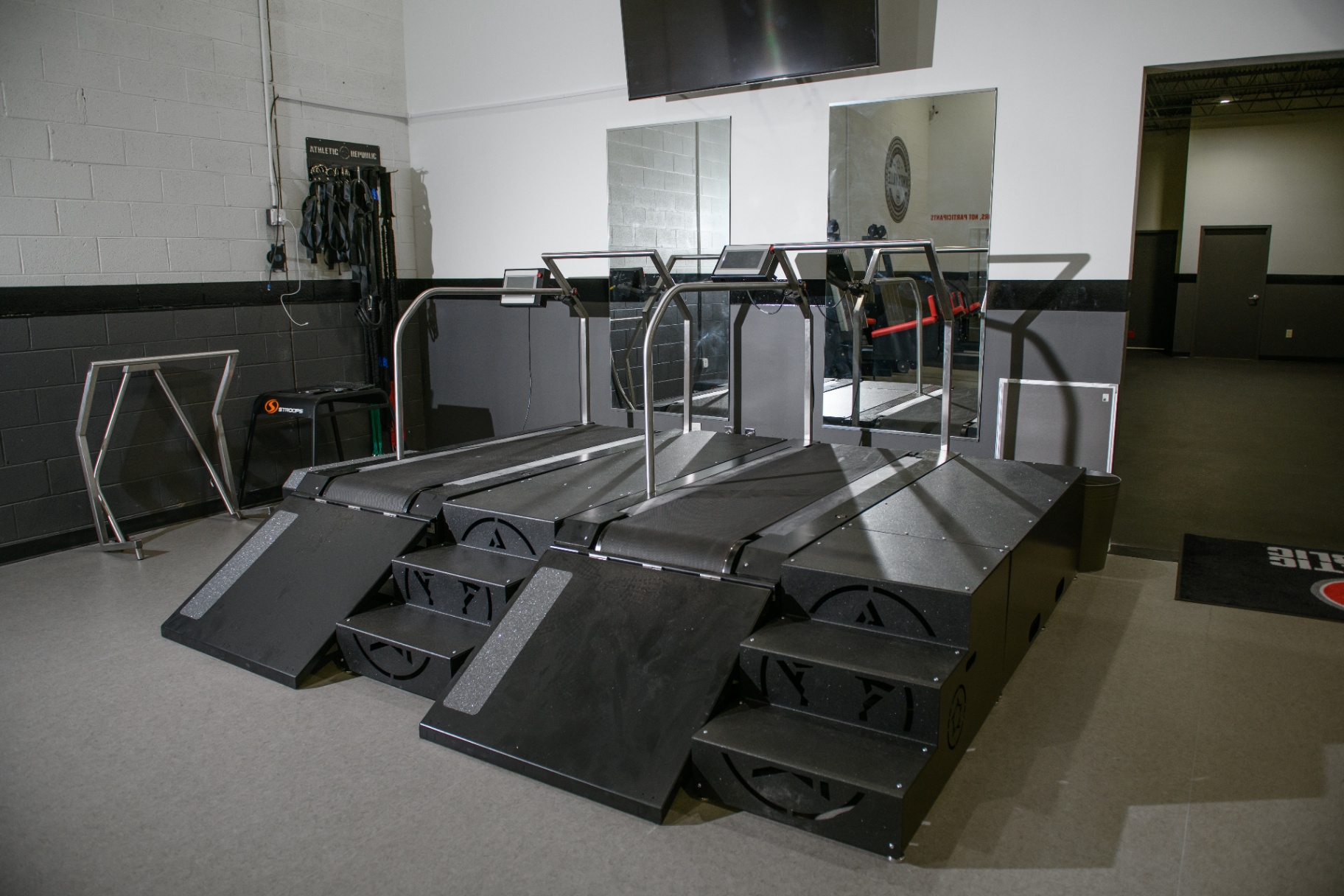
Athletic Republic Knoxville uses high-speed treadmills as part of its science-based approach to speed and running mechanics. In a controlled environment, trainers can coach posture, arm action, stride rhythm, knee drive, and force application.
This is different from simply running extra laps.
The purpose is to help athletes practice more efficient movement patterns while receiving immediate feedback. Trainers can make adjustments in real time and progress the workload as the athlete improves.
For athletes who are trying to earn more playing time, these details can matter. Better running mechanics may help them close space, recover defensively, beat an opponent to a loose ball, or maintain quality movement late in competition.
Every sprint has a purpose: and every repetition fits into a larger plan.
Turn Strength Into Explosive Power
Strength is a foundation for athletic performance, but sports require athletes to use strength quickly.
That is where power comes in. Power is the ability to produce force rapidly and apply it in the right direction. It can show up in a jump, a first step, a change of direction, a push through contact, or an explosive sprint out of a stance.
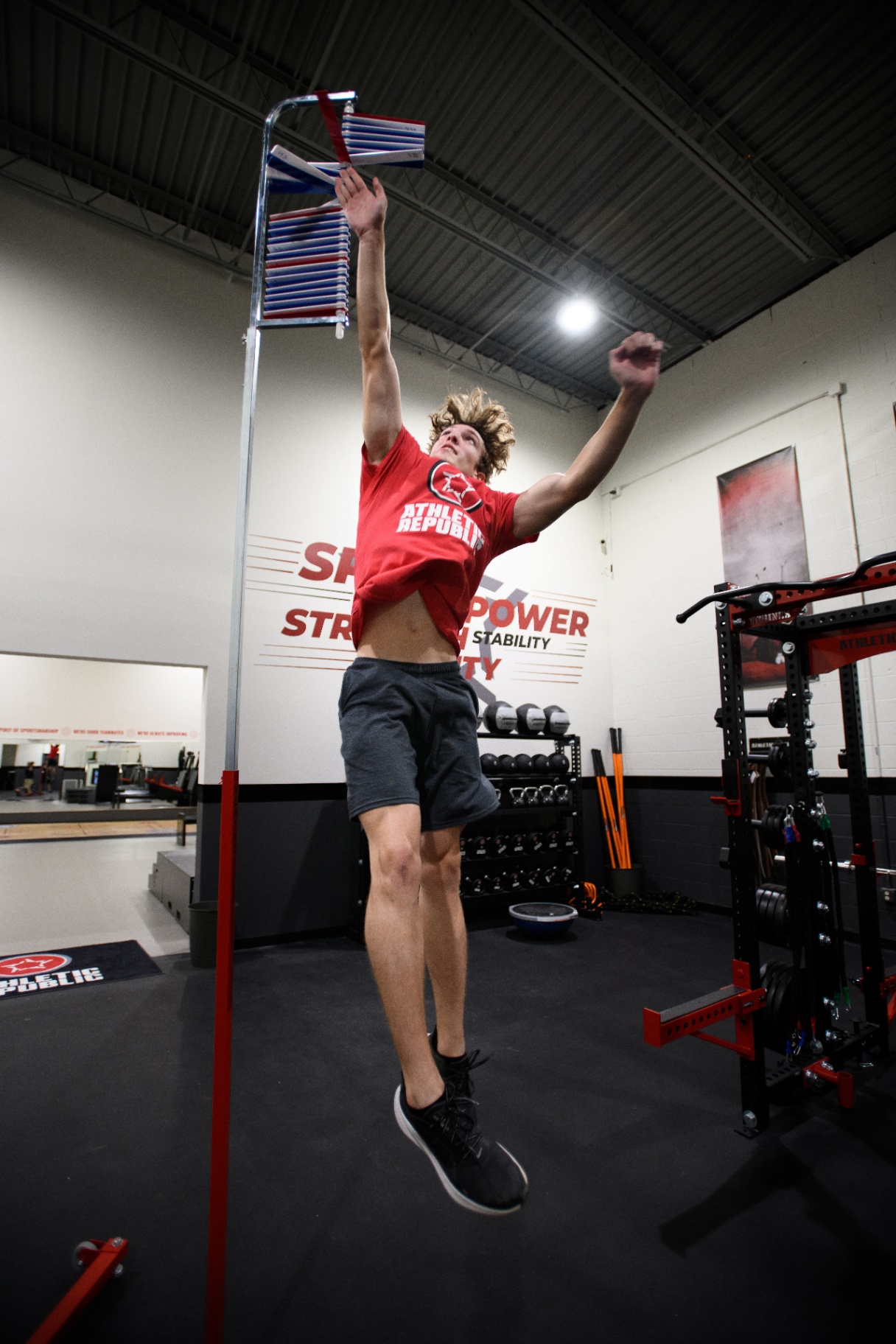
Acceleration sessions may incorporate strength work, plyometrics, jumps, landing drills, and other movements that teach athletes how to produce and absorb force.

A plyometric drill is not simply about jumping as high as possible. It can also teach an athlete how to load the body, coordinate movement, react quickly, and land with control.
Those skills can transfer to moments such as:
- Jumping for a rebound
- Exploding out of a defensive stance
- Driving through contact
- Pushing off to chase a play
- Creating separation from a defender
- Repeating powerful efforts during a long game
Trainers also focus on how athletes land and stabilize. Producing force is only half of the equation. The athlete must be able to control that force, maintain balance, and prepare for the next movement.
That combination of explosiveness and control can help athletes move with greater confidence and consistency.
Improve Agility, Deceleration, and Change of Direction
Starting spots are not earned through straight-line speed alone.
Coaches notice athletes who can stop under control, cut efficiently, react to a cue, and get moving again without wasting steps. These skills are especially important in sports where plays change quickly and athletes must respond in multiple directions.
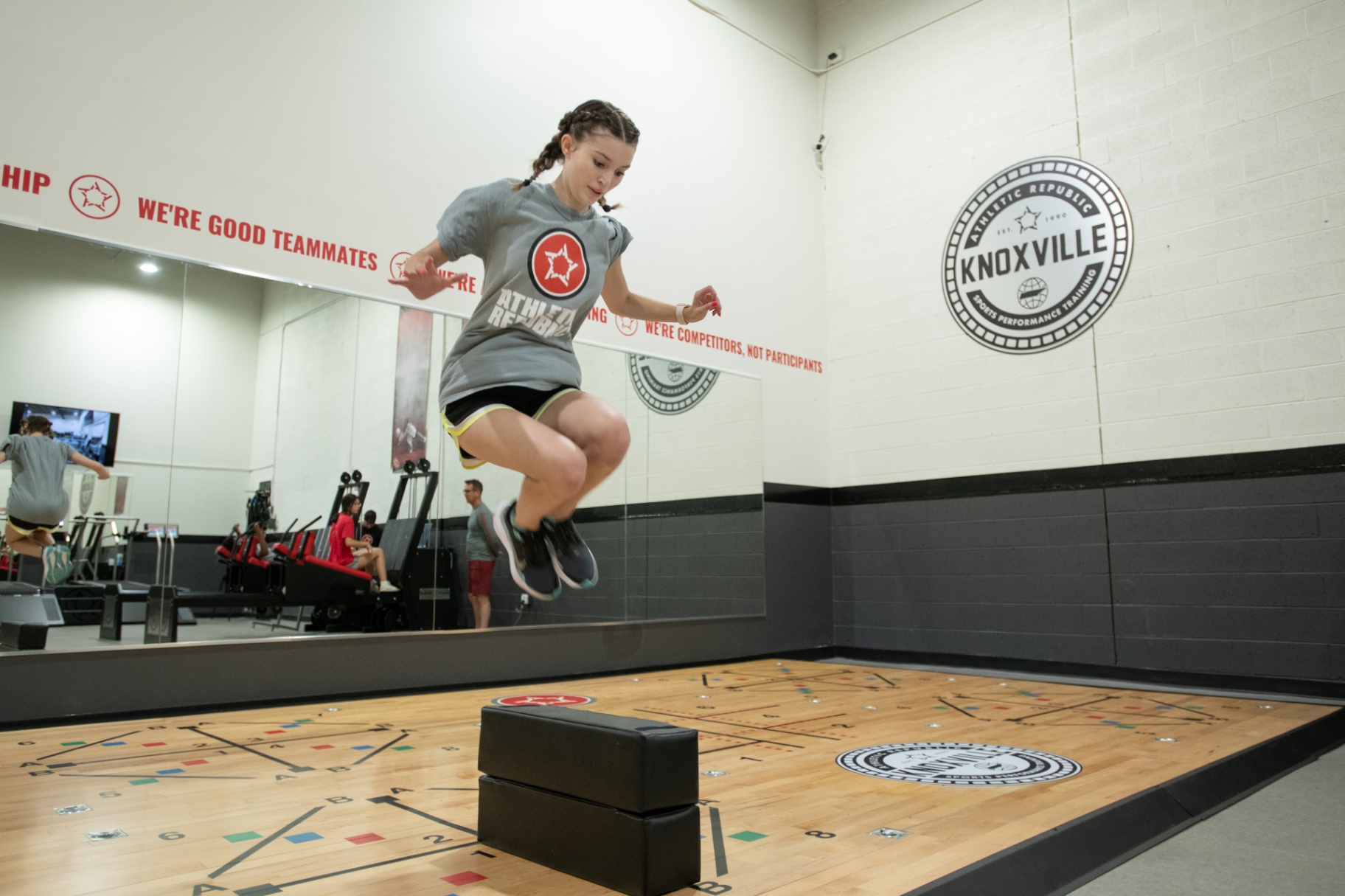
The agility areas inside Athletic Republic Knoxville provide room for athletes to work on:
- Lateral movement
- Foot speed
- Deceleration
- First-step quickness
- Backpedaling and re-acceleration
- Balance and body control
- Multidirectional cutting
The patented agility floor gives athletes a structured surface for footwork and movement drills. Trainers can coach details such as hip position, foot placement, posture, and the angle of a cut.
The goal is not to make an athlete perform flashy drills for the sake of looking athletic. It is to help them become more efficient in the movements their sport demands.
A cleaner cut can help an athlete create separation. Better deceleration can help them stay in front of an opponent. Improved body control can help them recover from an awkward position and remain involved in the play.
Use Feedback to Make Progress Visible
Athletes sometimes feel that they are working hard without knowing whether they are improving.
That is why feedback and retesting are important parts of a science-based training process. Coaches can use observation, testing, and video feedback to help athletes understand what they are doing well and what needs more attention.
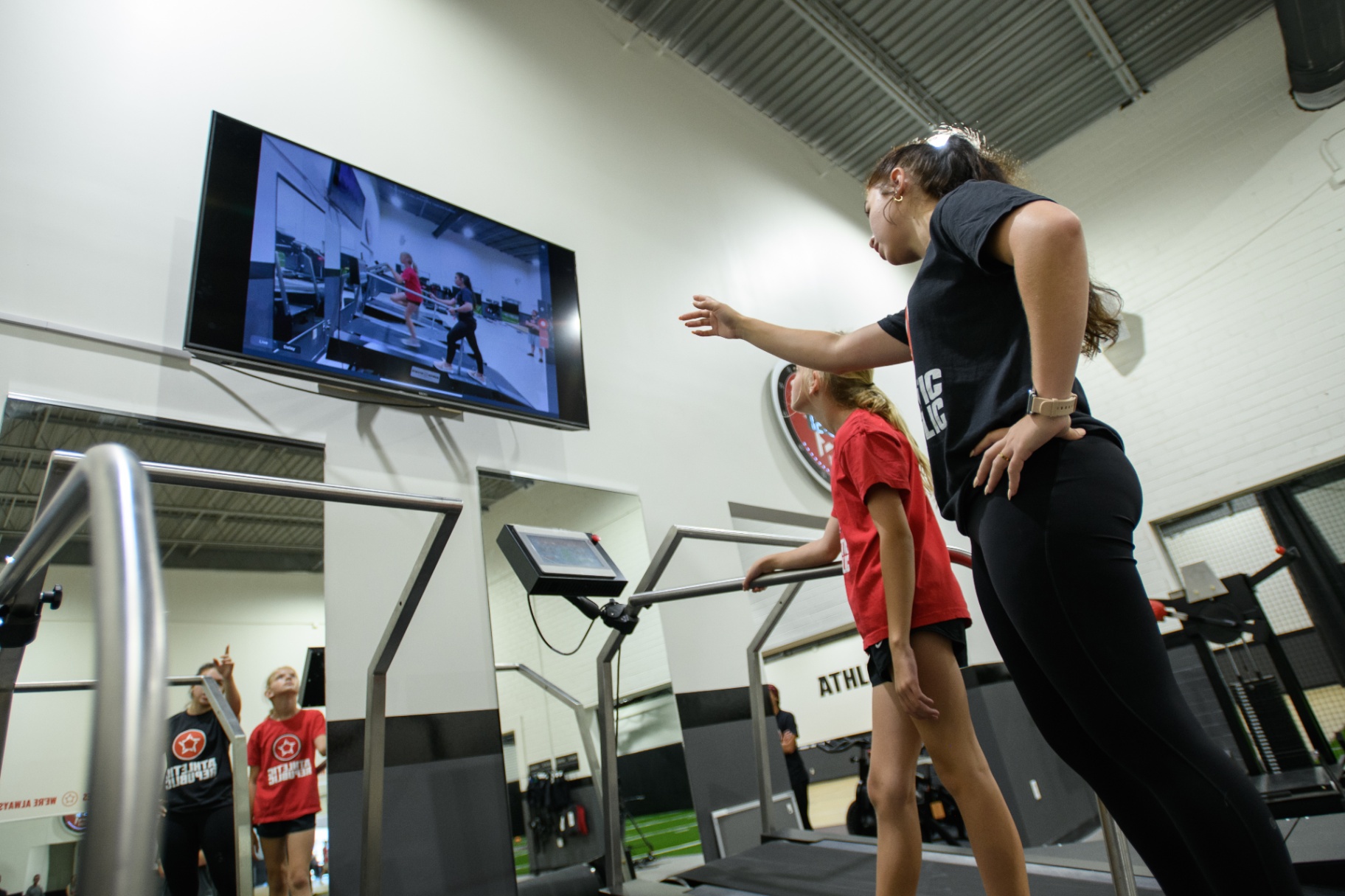
Seeing movement on a screen can make technical changes easier to understand. An athlete may feel like they are maintaining posture or driving the knees effectively, but video can show where form changes under speed or fatigue.
For parents, this creates a clearer picture of what training is targeting. For athletes, it turns vague goals into specific ones.
Instead of “I need to be better,” the focus becomes:
- Improve my first three steps
- Keep better posture while sprinting
- Land with more control
- Reduce extra steps when changing direction
- Maintain quality movement when tired
Those are measurable, coachable objectives.
Preparation Builds Confidence
Physical development and confidence often grow together.
When athletes consistently train their speed, agility, power, coordination, and conditioning, they may begin to feel more comfortable in situations that once seemed difficult. They may trust their ability to make a cut, win a race to space, or recover after a mistake.
That confidence is not about assuming everything will be easy. It comes from knowing they have prepared.
For an athlete currently on the bench, preparation can provide a productive next step. It gives them something they can control while they continue working with their team and responding to their coach’s feedback.
A training program cannot determine a coach’s lineup. But it can help an athlete become more athletic, more reliable, and more ready when the next opportunity appears.
Your Next Step Starts Here
Getting off the bench is rarely about one dramatic breakthrough. It is usually the result of consistent work over time: one sprint, jump, cut, landing, and training session at a time.
The Acceleration program at Athletic Republic Knoxville gives athletes the space, coaching, technology, and structure to develop the physical qualities that matter in competition. In an 18,000-square-foot facility, athletes can train with purpose and track their progress as they become faster, more powerful, and more agile.
Ready to find out where your athlete can begin? Book a free workout with Athletic Republic Knoxville and start building the preparation that helps athletes make the most of their opportunities.