If you’re working hard to earn more minutes, it’s natural to focus on what happens at practice: the sprints, the footwork, the strength work, the extra reps. But the work you do on the field or in the gym is only part of the picture. What happens after training, especially on school nights, can influence how ready you are to use that work.
Sleep won’t win a starting spot by itself. Coaches make decisions based on many things, including skill, consistency, teamwork, and the needs of the team. But an athlete who trains hard and recovers well gives the coach a faster, sharper, more durable player to consider.
Training is the stimulus. Recovery is where you adapt.
A challenging workout gives your body a reason to adapt. During recovery, your body works to restore itself and respond to that challenge. Sleep is an important part of that process, and it matters for more than tired legs.
For teen athletes, sleep supports physical and cognitive recovery. The American Academy of Sleep Medicine recommends that teenagers ages 13–18 regularly get 8–10 hours of sleep per 24 hours. That’s a useful target to aim for, not a promise that every athlete will feel or perform the same way. A review of sleep and young athletes also describes sleep’s role in physical and cognitive recovery. (Sleep and the Young Athlete)
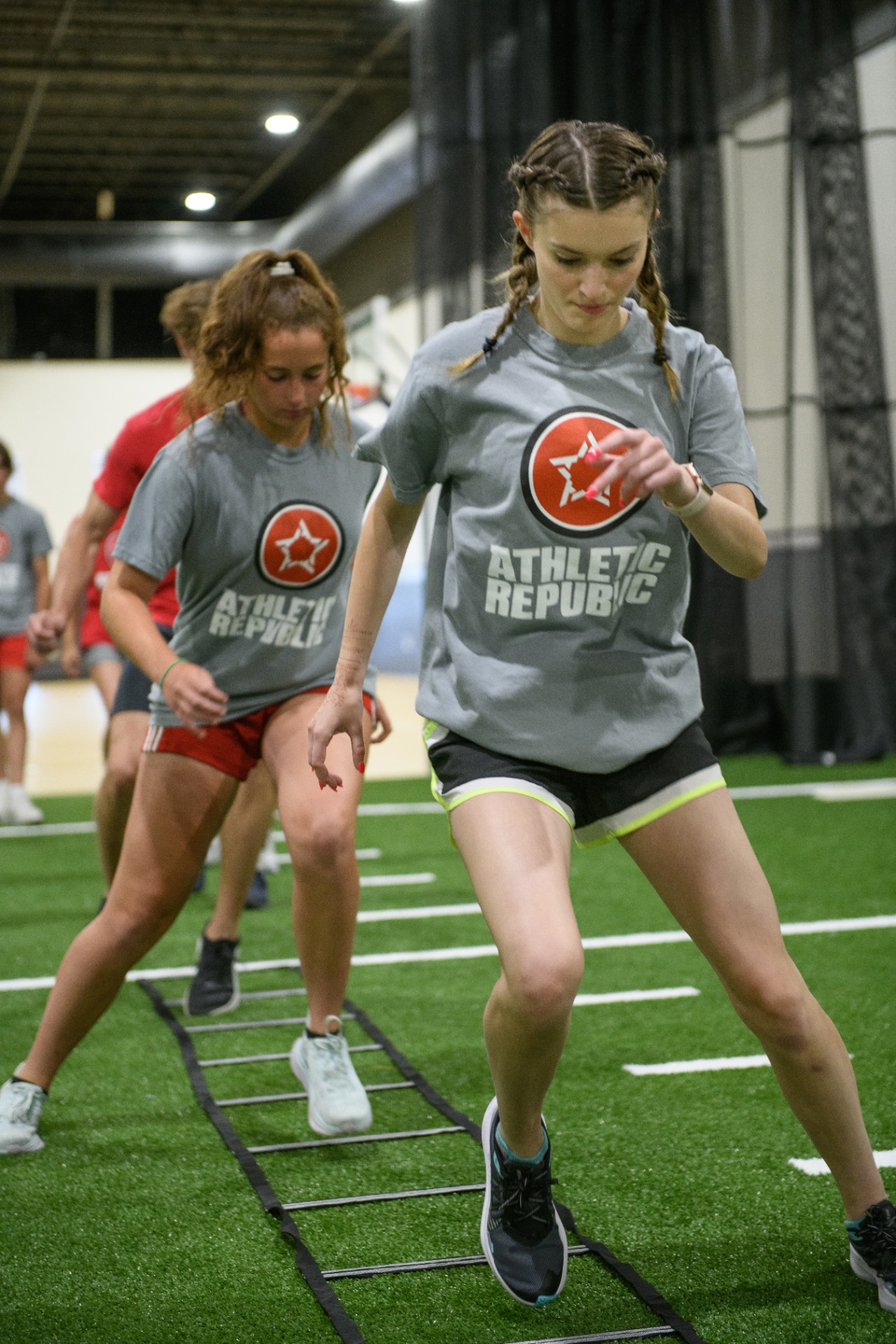
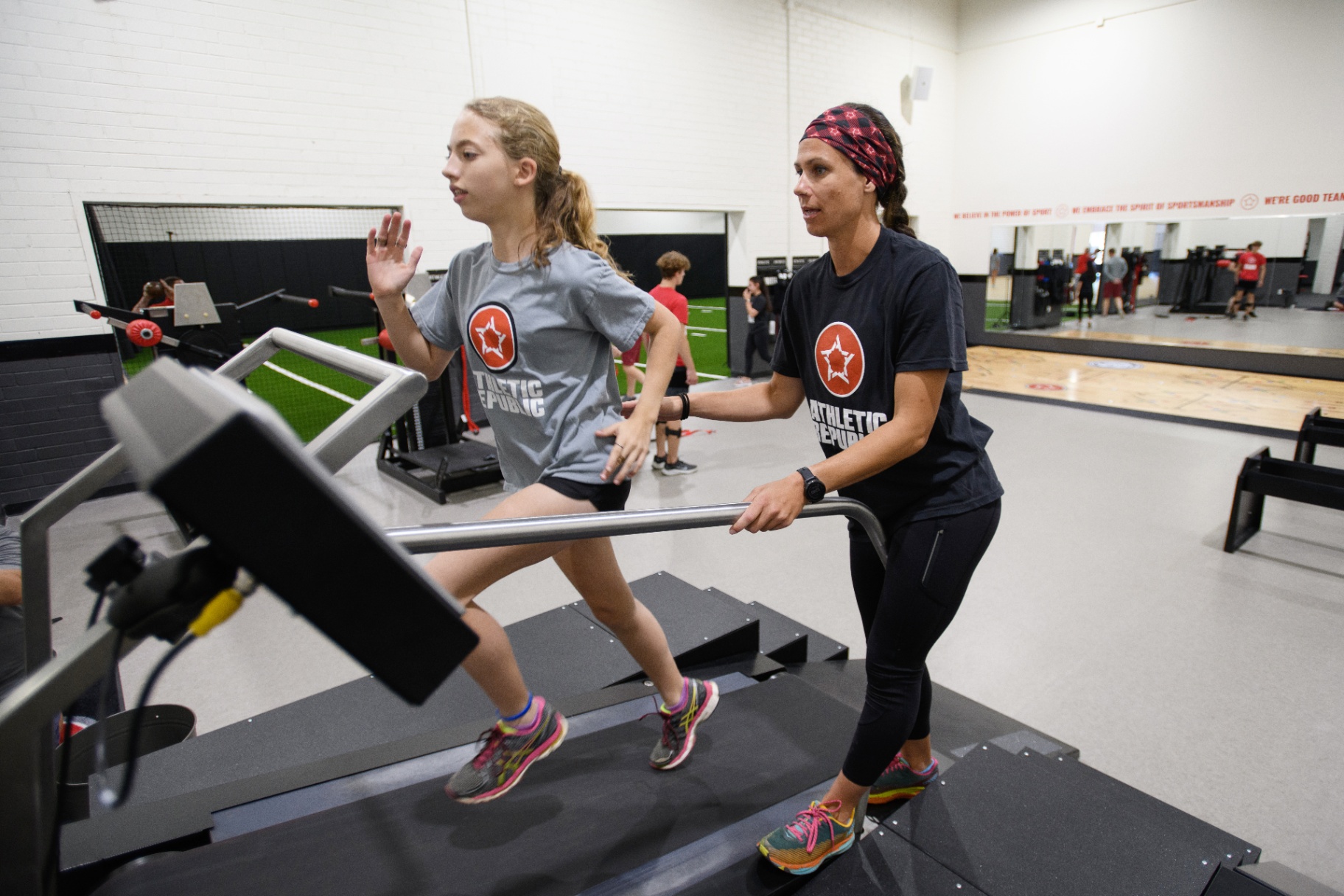
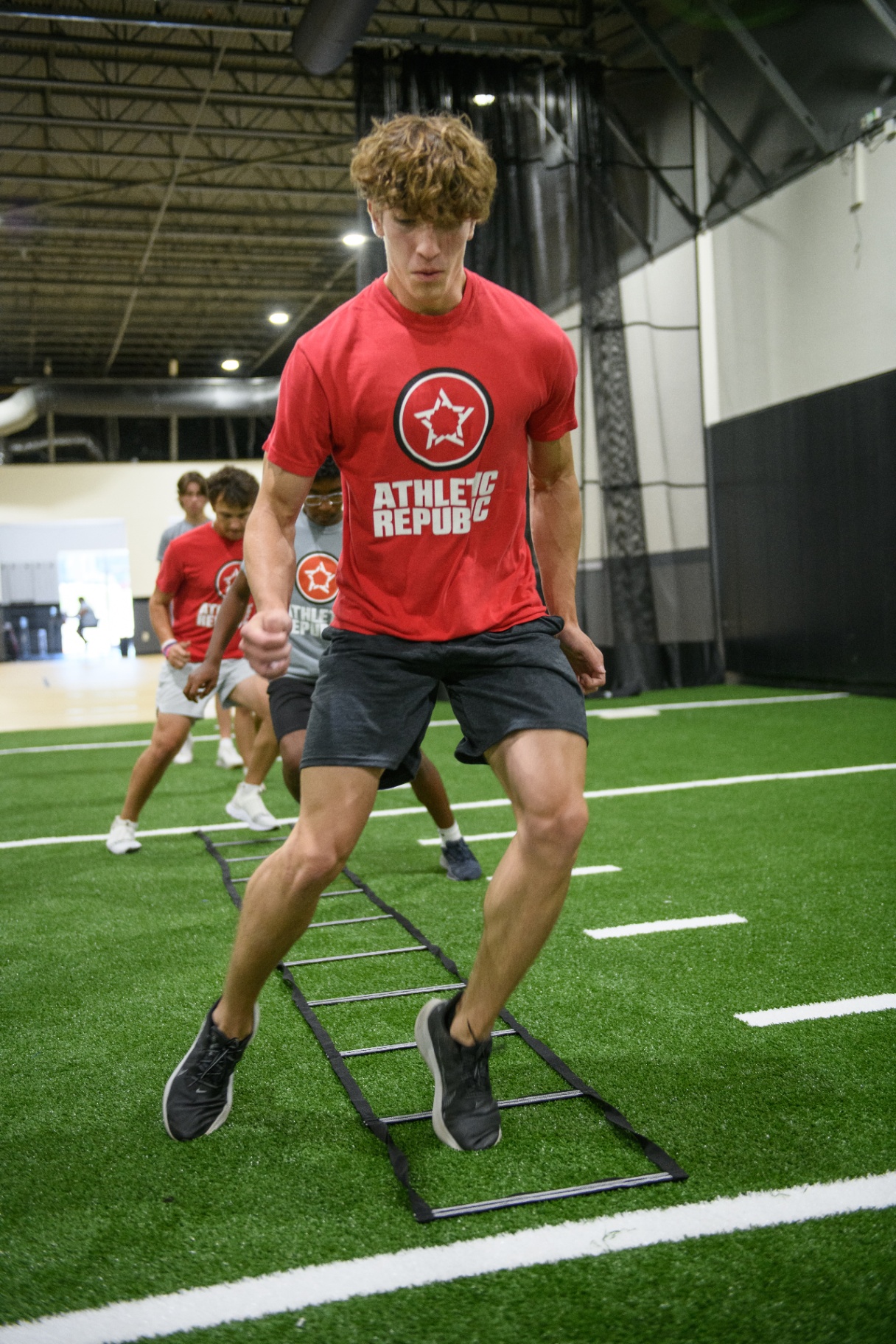
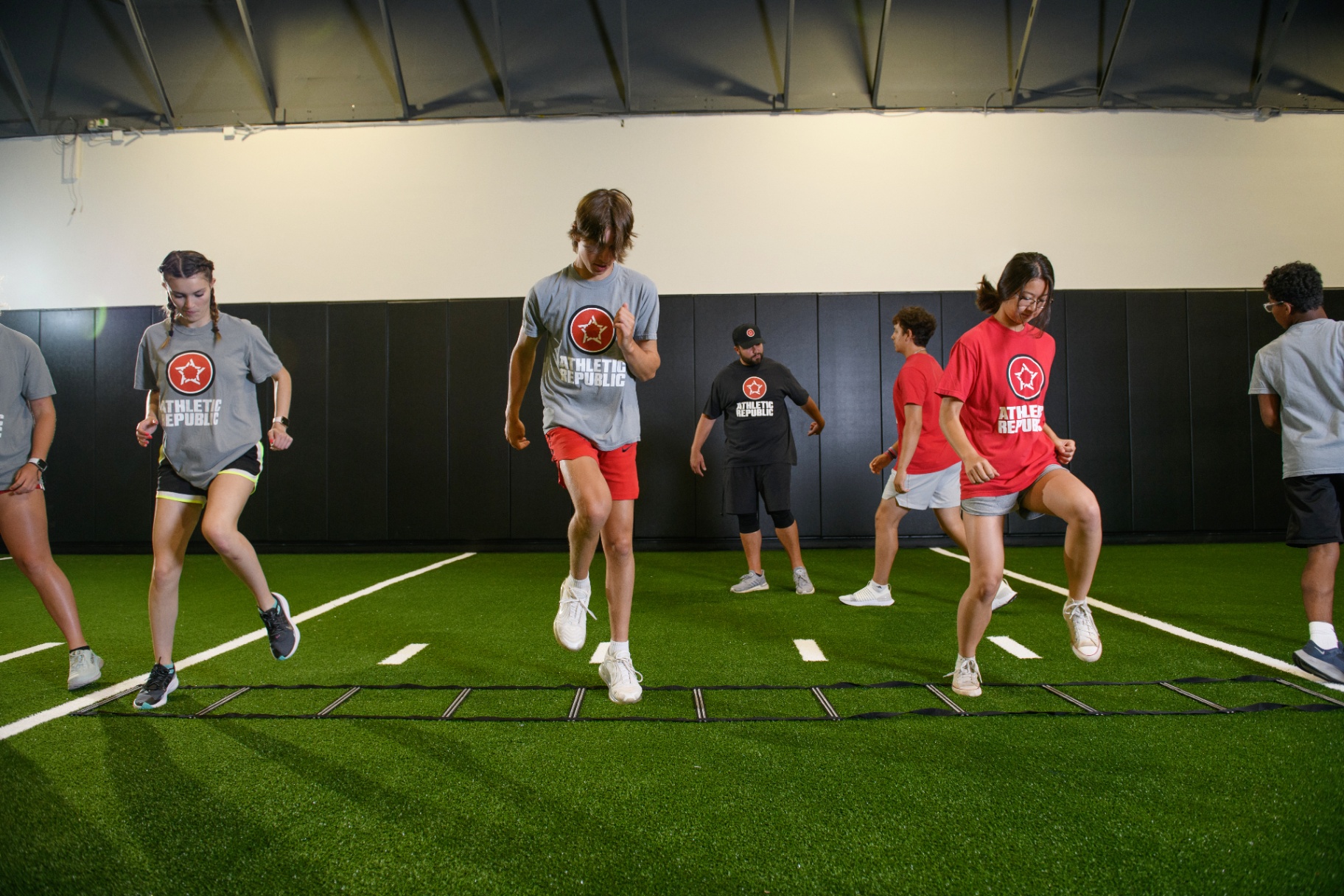
At Athletic Republic Knoxville, our science-based Acceleration protocols provide a focused training stimulus through speed, agility, and strength work. But training is only one part of athletic development. Recovery helps athletes come back ready to learn, move well, and build on their previous work.
When school-night sleep gets squeezed, the week can add up
One late night may feel manageable. The challenge is when late nights become a pattern: homework runs long, a game ends late, screens keep you up, and the alarm still goes off early. Several short nights can leave an athlete carrying fatigue into practices and games across the week.
That can show up in small but meaningful ways: a first step that feels a little slower, a reaction that comes a beat late, or footwork that gets less controlled when tired. These aren’t guaranteed outcomes, and tiredness isn’t the only factor affecting performance. But when an athlete is under-recovered, it can be harder to bring the same focus and quality to each rep.
A study of adolescent athletes found that those who reported sleeping fewer than eight hours per night were about 1.7 times more likely to have had an injury than athletes who reported sleeping at least eight hours. That finding is an association, not proof that short sleep directly caused an injury. A later systematic review and meta-analysis also found an association between chronically poor sleep and greater injury odds in adolescent athletes. (Milewski et al.; systematic review and meta-analysis)
The practical takeaway isn’t to panic after one short night. It’s to treat consistent sleep as one part of taking care of your body: alongside smart training, good movement habits, and speaking up when something hurts.
More sleep has shown measurable performance benefits
Sleep isn’t just about avoiding a rough morning. In a small study of 11 collegiate basketball players, researchers asked athletes to extend their sleep, with a goal of spending at least 10 hours in bed each night. Over the study period, the players’ timed 282-foot sprint improved from an average of 16.2 seconds to 15.5 seconds, and their reaction-time measures improved as well. (Mah et al., The Effects of Sleep Extension on the Athletic Performance of Collegiate Basketball Players)
That study involved college players, not teens, and its small sample means we shouldn’t assume every athlete will see the same results. Still, it offers a useful example: when athletes made room for more sleep, measurable aspects of performance improved. Better recovery gives your training a better chance to carry over into the next practice.
At Athletic Republic Knoxville, our certified coaches watch how athletes move through each session. Often, a coach can spot signs that an athlete may be under-recovered during an early drill. Perhaps the movement looks less crisp or focus is harder to maintain. That’s not a diagnosis, and there can be many reasons for a tough day. It is a reminder that training and recovery work together.

School-night strategies that are realistic for athletes
A perfect routine isn’t required. Start with a few habits that fit your family’s schedule and make it easier to get enough sleep consistently.
1. Set steady sleep and wake-time anchors
Pick a bedtime routine and wake-up time that make room for the recommended 8–10 hours. Try to keep them reasonably consistent on school nights. If your current schedule is far from that target, move bedtime earlier gradually rather than expecting a sudden change to stick.
2. Give screens a clear boundary
Phones and other screens can push bedtime later, especially when messages and videos keep rolling. If possible, charge devices outside the bedroom. If that isn’t practical, agree on a firm cutoff time that leaves room to wind down before bed.
3. Plan around late games and homework-heavy evenings
Some nights will run late. If you know a game or a big assignment is coming, make a plan ahead of time: pack what you can earlier, avoid adding optional late-night screen time, and give yourself a chance to settle down after getting home.
A nap after school may help when the day ahead is demanding. Depending on the athlete and the schedule, a short 20–30-minute nap or a longer nap of about 90 minutes may be worth considering. Try not to let a late nap interfere with bedtime; if you’re regularly struggling to sleep at night, discuss the routine with a parent or health professional.
4. Protect sleep around games
Prioritize rest both the night before and the night after a game. The pregame night helps you arrive more rested; the night after gives you another opportunity to recover. You can’t always control game timing, but you can protect the parts of the routine you do control.
5. Don’t make weekends a total reset
Sleeping in a little can feel great after a busy week, but shifting your schedule dramatically on weekends may make it harder to fall asleep when Sunday night comes around. Keep weekend sleep and wake times reasonably close to your school-day schedule, while still allowing time to catch up when needed.
A small habit that supports the bigger goal
Earning a starting role takes more than sleep. It takes skills, effort, coachability, and showing up for your teammates. But recovery is one piece athletes can work on outside practice, and school nights are a chance to build that habit consistently.
Athletic Republic Knoxville’s 18,000-square-foot facility gives athletes room to train with science-based Acceleration protocols and guidance from certified coaches. Training can support athletic development, but no program can promise a starting spot or playing time. Pairing quality training with thoughtful recovery is one practical way to give yourself a stronger foundation for the next session.
Learn more about student-athlete training at Athletic Republic Knoxville, or try a free class. Start with your next school night: make a realistic plan, protect your wind-down time, and give your body the opportunity to recover.