The depth chart is a scoreboard. It tells athletes who’s starting, who’s rotating in, and who’s still waiting for a bigger opportunity. When playing time is limited, it can feel like the only scoreboard that matters.
But there’s another one worth watching: the numbers that show how an athlete is developing.
At Athletic Republic Knoxville, objective measurements can help athletes and parents see progress during the stretch between putting in the work and seeing a change in playing time. Sprint splits, jump results, and training outputs offer something concrete to track when the lineup hasn’t changed yet.
Those numbers don’t promise a starting spot. A coach makes that call, based on the team’s needs and many aspects of an athlete’s performance. But measurable progress can show that the work is moving an athlete forward, and help them stay focused while they keep earning opportunities.
A depth chart changes when a coach is ready. Training data can show progress sooner.
When playing time is limited, it’s natural to look for immediate proof that training is paying off. But a lineup doesn’t always change as soon as an athlete gets quicker or more powerful. A coach may be considering the needs of the team, working through a rotation, or looking for consistent performance in practice.
That waiting period can be tough. An athlete may be working hard without knowing whether anything is changing. And a parent may be wondering how to encourage them without making every conversation about minutes.
Objective testing gives the work another way to be seen. A sprint time over a set distance, a jump result, or a repeated training output creates a reference point. When the athlete is tested again under comparable conditions, the numbers can help reveal a trend.
That information doesn’t replace feedback from a coach or performance on the field. It adds context. Instead of relying only on “I feel quicker,” an athlete may be able to point to a faster sprint split or a change in jump performance, and consider how that development connects to the demands of their sport.
What can an athlete measure?
The right measures depend on the athlete, their goals, and their training plan. A few examples help explain how the process can work:
- Sprint splits: Short-distance times can help track acceleration and speed over a set distance. Consistent testing conditions make comparisons more useful.
- Jump performance: Jump height or distance can provide a practical measure of explosive power. It’s one piece of a larger picture, not a complete measure of athletic ability.
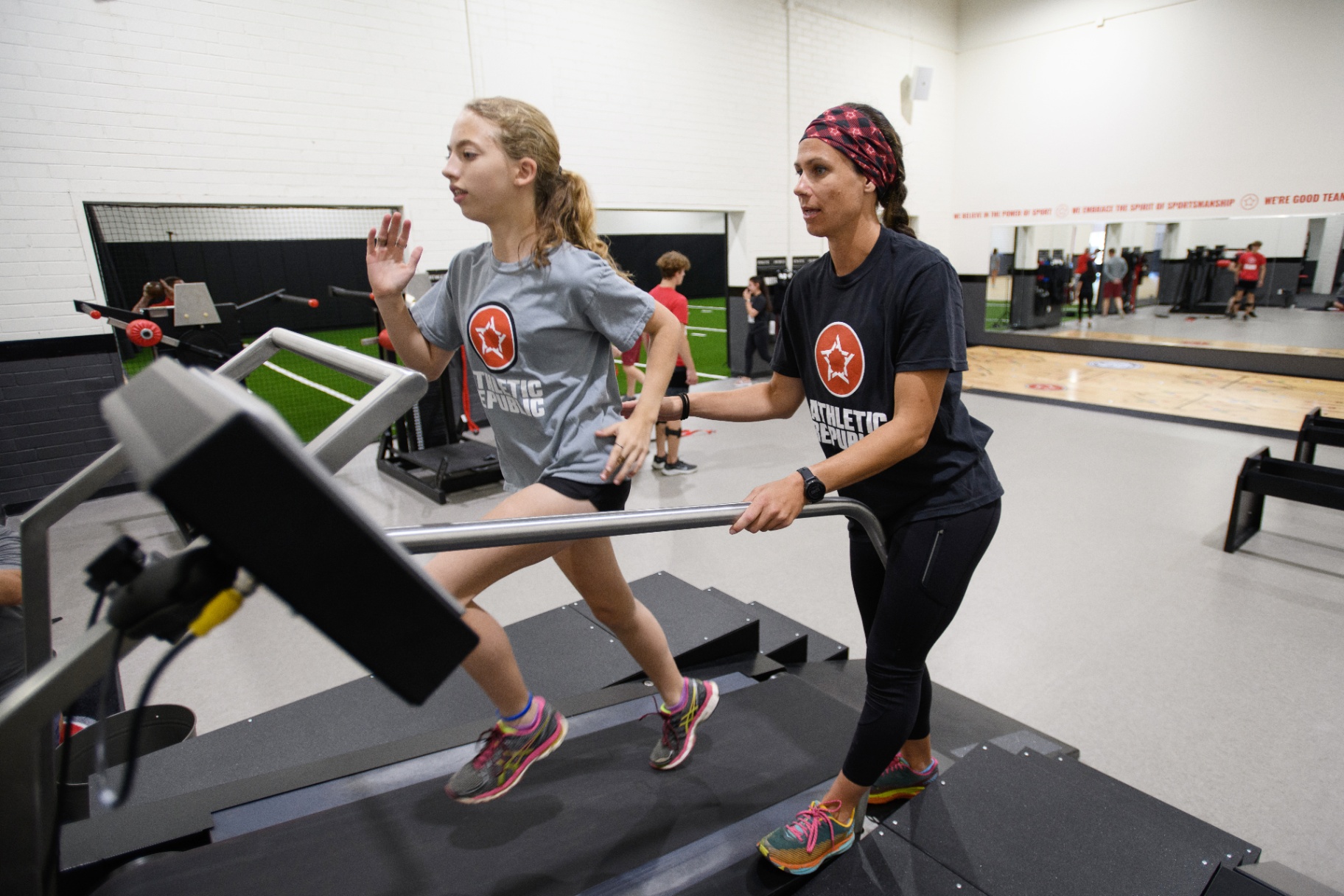
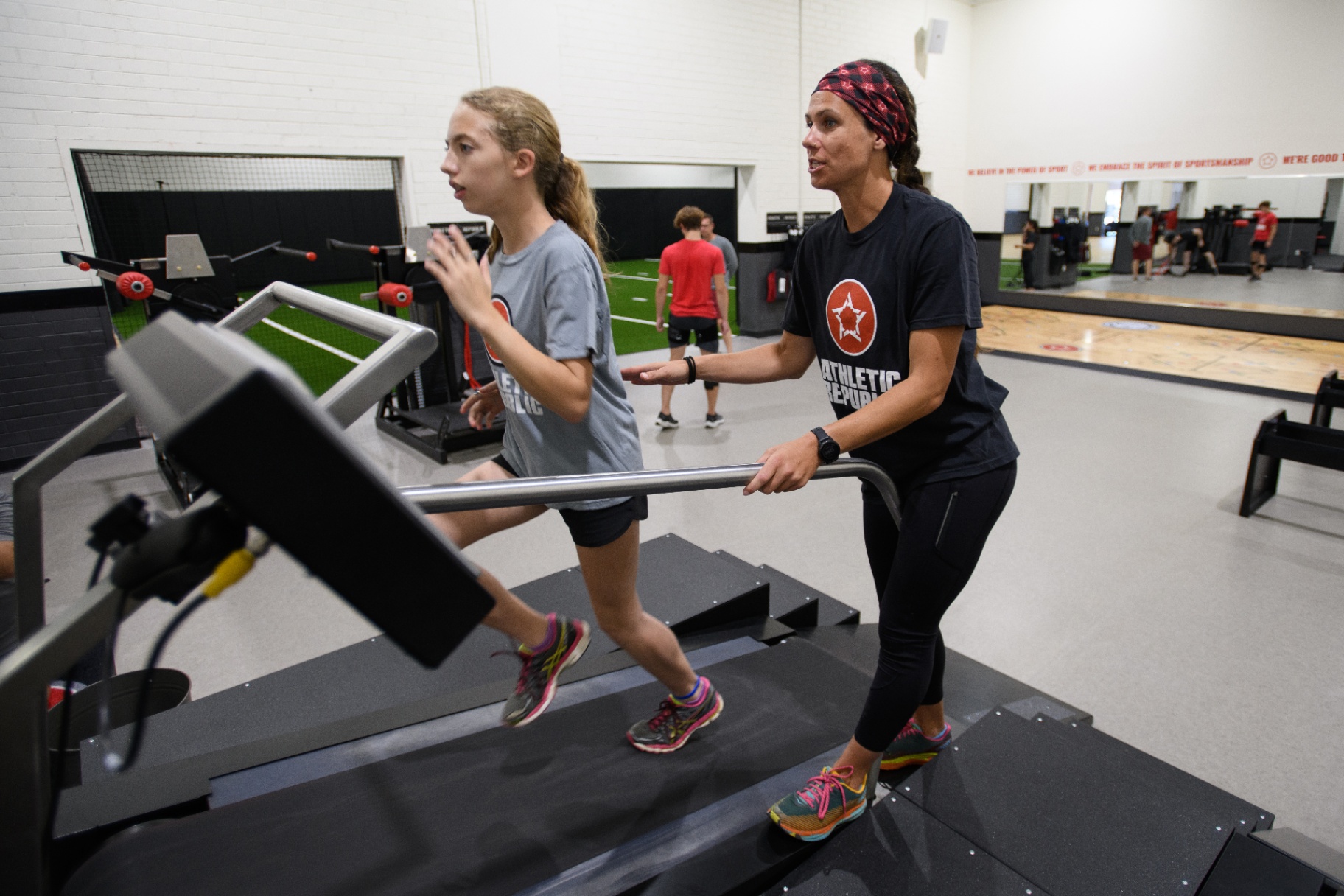
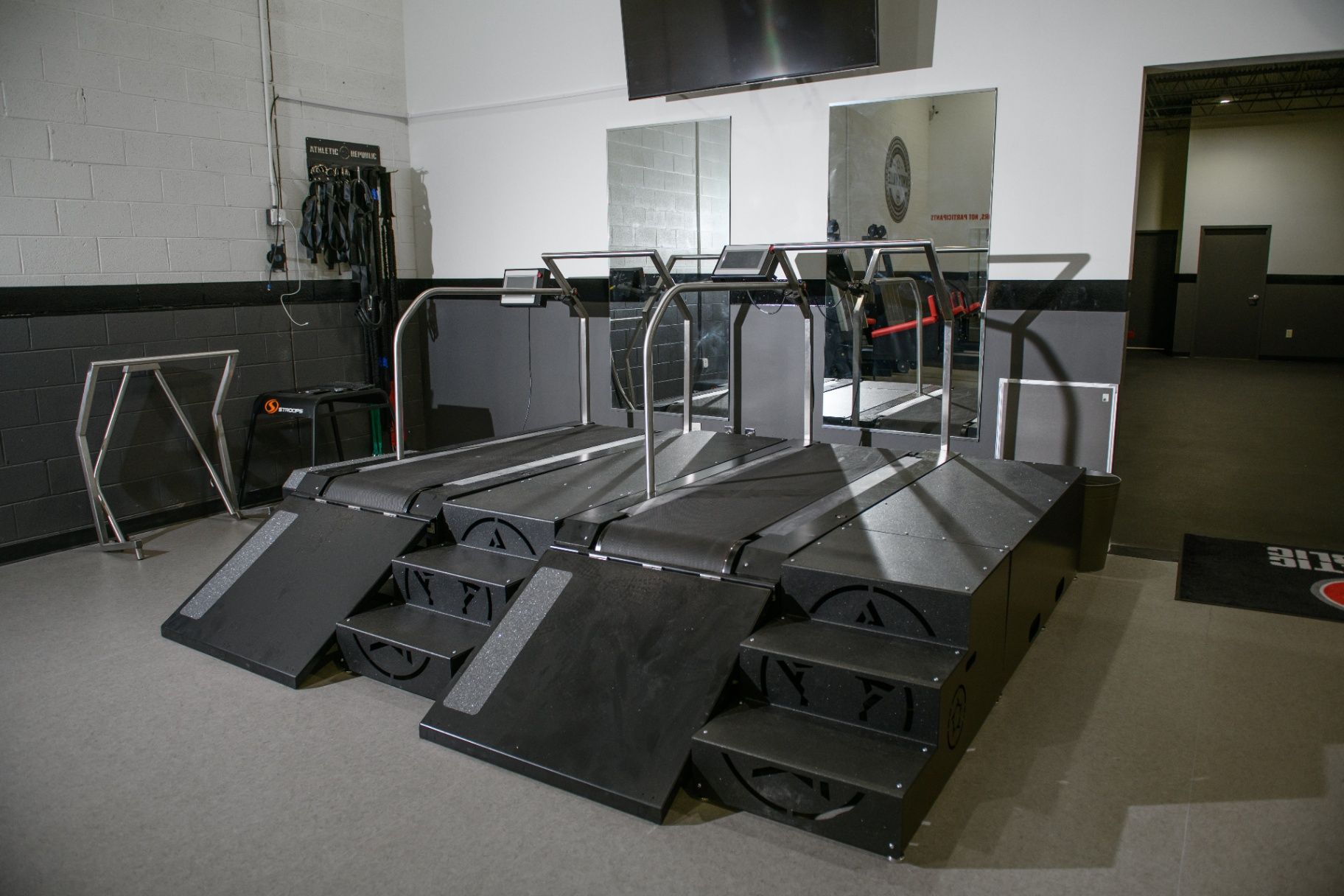
- Training outputs: The speed or resistance used in a high-speed treadmill session can help trainers monitor and progress the athlete’s work. A treadmill number is training information; it shouldn’t be treated as a direct prediction of game speed.
- Repeatability: A result is more informative when it can be compared with an earlier result using the same approach. One test is a snapshot. A series of measurements can help show a trend.
The point isn’t to turn every workout into a test or chase a number at any cost. It’s to understand where the athlete is starting, track relevant changes, and use that information to help guide the next stage of training.
The numbers matter because they can help guide the next step
Measurement is most useful when it informs what happens next. If a sprint result isn’t changing, a trainer can look at the athlete’s plan and consider what may need more attention. If jump performance improves, that can be one positive indicator to track alongside other aspects of development. If a result moves in the wrong direction, it’s a reason to look closer, not a reason to label the athlete.
That’s where science-based protocols and coaching work together. Numbers provide feedback; certified trainers help interpret them and plan appropriate progressions. At Athletic Republic Knoxville, training can incorporate high-speed treadmills, plyometric platforms, and resistance work, alongside coaching tailored to the athlete’s needs.

Individualized training and coaching help athletes work toward goals that fit their needs and experience.
Regular check-ins, planned around the athlete’s program, make development easier to follow over time. A few weeks of training may bring a different result for one athlete than another. Progress can be affected by consistency, recovery, growth, training history, and the specific goal being measured. There’s no universal timeline or single number that tells the whole story.
At Athletic Republic Knoxville’s 18,000-square-foot facility, athletes work through structured training with specialized equipment and coaching. The facility provides a setting for the process, not a shortcut: results depend on the athlete, their plan, and many factors beyond a single test.
A better way to talk about progress at home
Parents want to encourage their athletes without adding pressure. Numbers can help start a more useful conversation, as long as they’re treated as information rather than a verdict.
Instead of asking only, “Did you get more playing time?” try asking:
- What did you work on today?
- What’s one skill or number you’re tracking?
- What did your trainer notice?
- What’s something you want to improve next?
Those questions keep attention on development while recognizing that the coach controls the lineup. They also give the athlete a chance to own the process: show up, train with purpose, take feedback, and stay ready.
For athletes, the second scoreboard can be a reminder that progress doesn’t always arrive as one dramatic moment. It may show up first in a recorded result, a more consistent effort, or a training output that reflects a new challenge. Those are meaningful steps, even if they don’t immediately change a role on the team.
Progress can build a case. It can’t make the coach’s decision.
It’s important to be honest: no training program can promise a starting spot, a particular statistic, or more playing time. Those decisions belong to the coach. An athlete’s performance in practice and games, their role on the team, and the team’s needs all matter.
What measurable progress can do is give an athlete a clearer view of their own development. Better numbers don’t guarantee a lineup change, but they can help show that the work is producing change, and give the athlete something constructive to focus on while they continue to earn trust and opportunity.
The depth chart is the coach’s scoreboard. The training numbers are another scoreboard: one that can update at planned check-ins as an athlete moves through a structured program. Keep improving there, keep applying that work to the sport, and be ready when the opportunity comes. A lineup may not shift on the athlete’s preferred timeline, but the progress they make along the way still counts.
Start tracking your own progress
If your athlete is looking for a structured way to build speed, power, and confidence, learn more about student-athlete training at Athletic Republic Knoxville. You can also schedule a free trial class to experience the training environment and see whether it’s a good fit.
The goal isn’t to promise what a coach will decide. It’s to help athletes train with purpose, understand their progress, and keep moving toward their next opportunity.