Sitting on the bench can be frustrating: especially when you believe you are ready to contribute.
But when coaches decide who earns more minutes, they are usually watching for more than highlight plays or raw athletic ability. They are looking for signs that an athlete can be trusted when the game speeds up, gets physical, or reaches its most demanding moments.
Can you cover ground quickly? Do you react without hesitation? Can you slow down under control, stay balanced through contact, and make another effort after the first play is over?
These are the details that often separate athletes competing for a starting spot.
The Acceleration Program at Athletic Republic Knoxville is designed to help athletes build those qualities through science-based protocols, measurable testing, and personalized coaching. It cannot guarantee a starting position: no program can. A coach’s decisions also depend on skills, team needs, tactics, consistency, and attitude.
What Acceleration can do is help athletes improve the athletic qualities they can control, giving them a better opportunity to earn trust and take advantage of their next chance.
The Bench-to-Starter Checklist
1. Can you close space and cover ground quickly?
Coaches notice athletes who get where they need to be.
That might mean a defender closing down an attacker, a basketball player recovering in transition, a baseball or softball player getting to a ball, or a football player taking the right angle to make a play. Closing speed is not always about being the fastest person on the team. It is about accelerating efficiently and using the available space well.
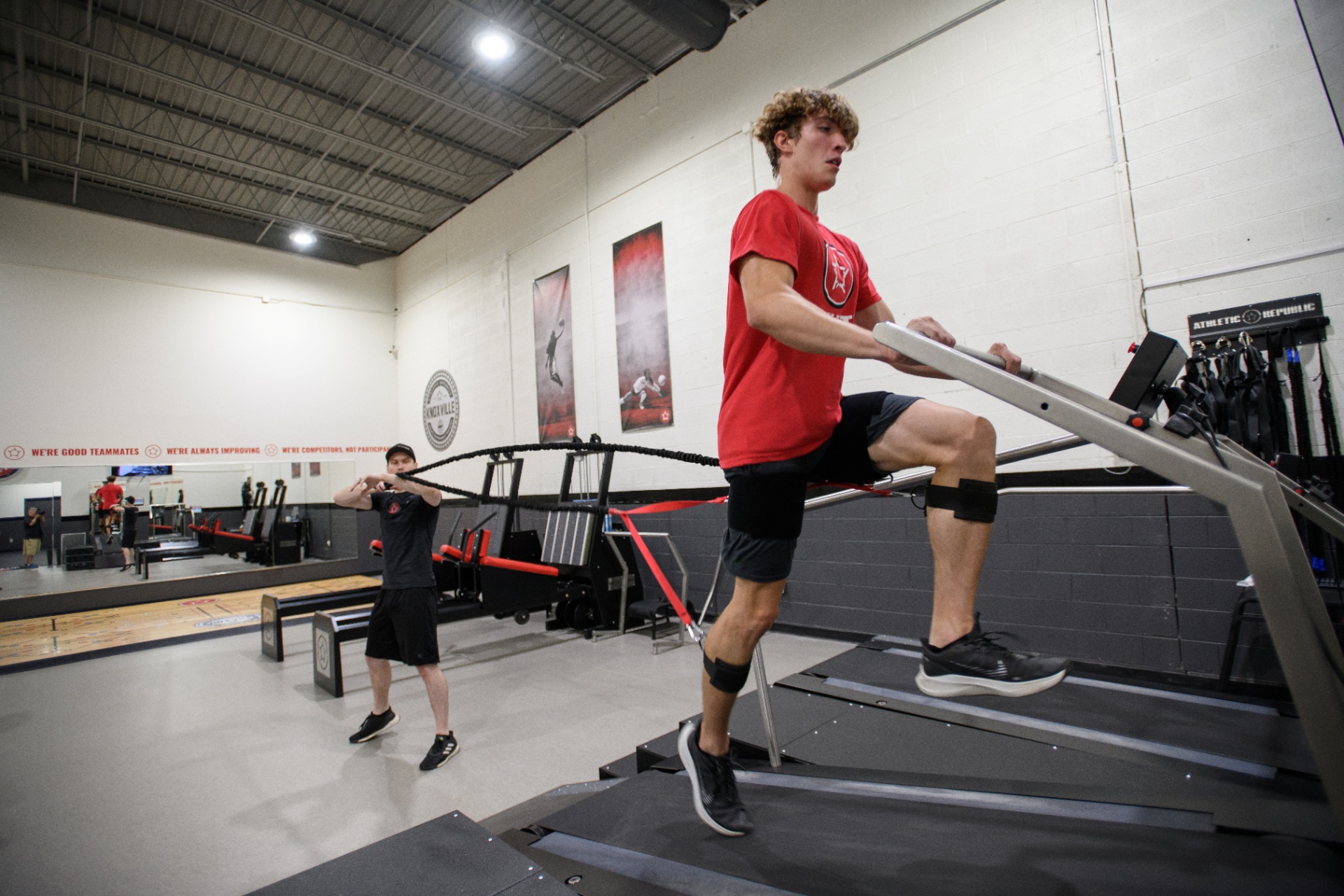
Acceleration training develops this ability through sprint work, running mechanics, multidirectional movement, and sport-specific patterns. In Athletic Republic Knoxville’s 18,000-square-foot facility, athletes can train on turf, agility areas, and specialty treadmills while certified trainers focus on posture, arm action, foot placement, and force application.
The goal is to help athletes move with less wasted motion so they can cover ground more effectively when it matters.
2. Is your first step quick enough to change the play?
The first few steps often determine who gets to the ball, creates separation, wins a defensive position, or gets out of trouble.
Coaches watch how quickly an athlete responds from a ready position. Do they push into the ground with intent? Do they stay too upright? Do they take extra steps before getting moving? Are they able to explode in the direction the play demands?
The Acceleration Program breaks down these moments and trains them progressively. Athletes work on starts, acceleration mechanics, force production, and explosive movement rather than simply running longer distances.
That distinction matters. A conditioning workout may leave an athlete tired, but purposeful speed training helps teach the body how to produce power quickly.
3. Do you react and make decisions at game speed?
Being athletic is not just about moving fast. It is also about seeing, processing, and responding quickly.
Coaches want players who can react to a teammate, opponent, bounce, cue, or change in space without freezing. They watch for athletes who make the right movement without needing several extra seconds to think about it.
Acceleration training can challenge reaction and decision speed through visual, verbal, and movement-based cues. Athletes may need to respond to a direction, change angles, recognize a target, or make a quick choice before accelerating.
Small-group training makes this work more personal. Instead of blending into a large class, athletes receive coaching that can be adjusted to their sport, experience, and current ability. Certified trainers can increase complexity as an athlete becomes more comfortable responding under pressure.
4. Can you decelerate, stay balanced, and handle contact?
Speed gets attention, but coaches also watch what happens when an athlete has to stop.
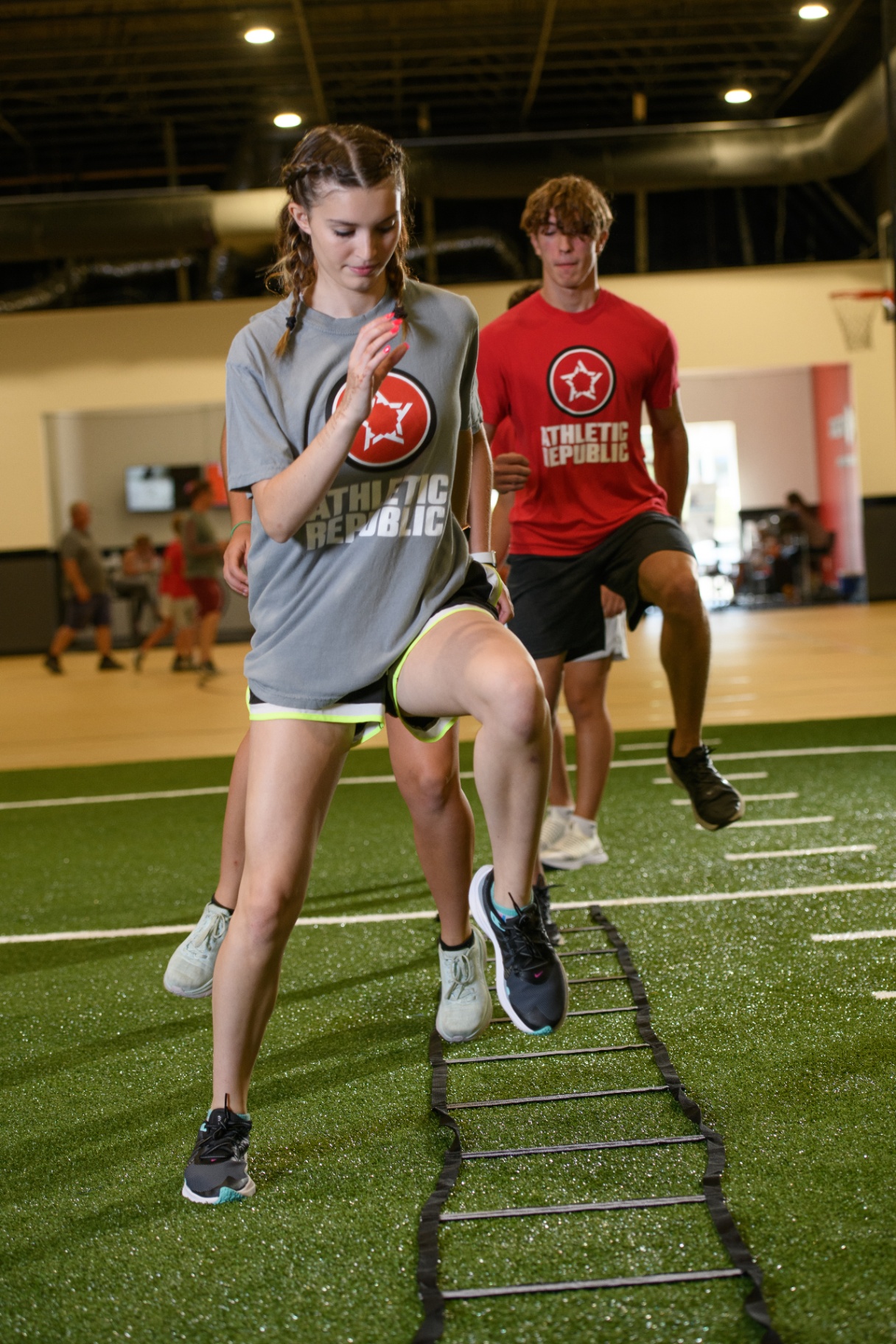
Can you brake under control? Can you lower your center of gravity before changing direction? Can you stay balanced when another athlete bumps you or the play does not unfold perfectly?
Poor deceleration can lead to extra steps, missed assignments, slow recoveries, and unnecessary loss of balance. Good deceleration helps athletes stop, redirect, and get back into the play.
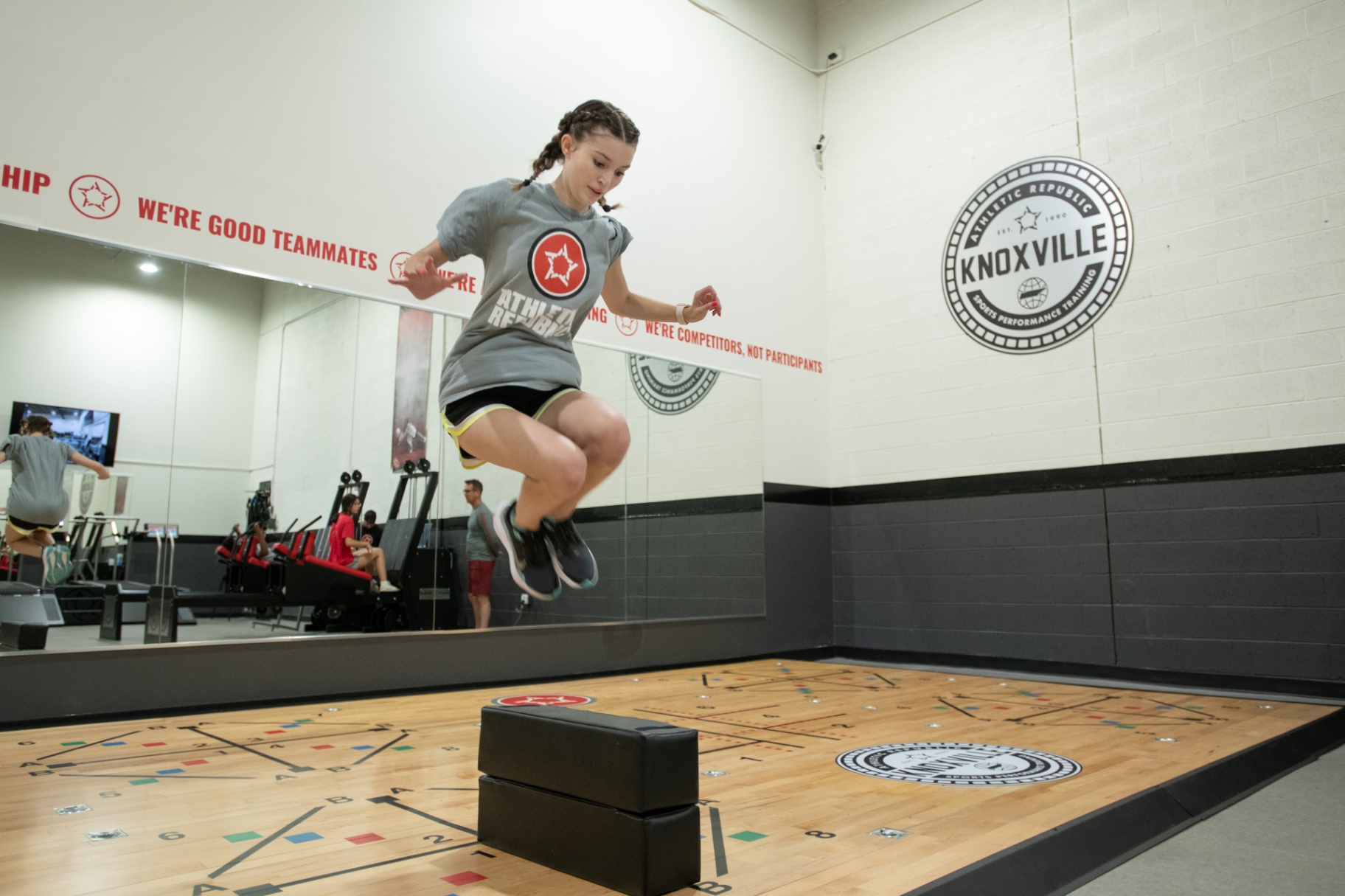
At Athletic Republic Knoxville, agility work, plyometrics, strength training, and movement progressions help athletes practice absorbing force and controlling their bodies. Trainers focus on landing mechanics, body position, stability, and the ability to re-accelerate after a stop.
The result is not just faster movement. It is more reliable movement.
5. Do you make a second and third effort?
One effort can be impressive. Repeated effort is what coaches trust.
A player may lose the initial race to a ball but recover. A defender may get beaten and still chase the play down. A basketball player may miss the first rebound and fight for the next one. A soccer player may make an initial run, recover, and then contribute again moments later.
Coaches notice athletes who stay involved after the first action is over.
The Acceleration Program supports this quality by combining speed, agility, power, and conditioning in structured progressions. Athletes do not only practice one explosive movement in isolation. They learn to repeat quality efforts while maintaining technique and body control.
That work can help athletes become more dependable throughout a drill, practice, or game: especially when the play does not go exactly as planned.
6. Can you stay powerful late in games?
Many athletes look sharp early. The real test often comes later.
Coaches watch whether an athlete’s speed, decision-making, posture, and effort drop off as fatigue builds. If an athlete cannot maintain quality movement in the second half, fourth quarter, final period, or late innings, a coach may hesitate to use them in important situations.
Athletic Republic Knoxville’s approach combines speed development, plyometrics, strength work, movement training, and stamina. The goal is not to add conditioning just for the sake of exhaustion. It is to help athletes maintain useful athletic qualities as the demands increase.
Baseline testing and retesting help provide a clearer picture of progress. Athletes can begin by identifying their starting point, train with purpose, and return to testing to measure changes in areas such as power, movement quality, and performance capacity.
For athletes, measurable progress can make training feel more focused. For parents, it provides more information than simply hearing that a workout was “hard.”
7. Do you play with confidence instead of hesitation?
Coaches can see body language.
They notice whether an athlete runs into a play decisively or hesitates. They see how an athlete responds after a mistake, reacts to feedback, and carries themselves when they are not currently in the lineup.
Confident body language does not mean acting like you have nothing left to learn. It means being prepared enough to commit to the movement, communicate with teammates, and respond to the next opportunity.
Training can help build that confidence because preparation creates evidence. When an athlete has repeatedly practiced accelerating, stopping, jumping, reacting, and maintaining effort, those actions can feel more natural in competition.
Video feedback can reinforce this process. Trainers can help athletes see body position, movement timing, and technique details that are difficult to feel in the moment. Instead of guessing what went wrong, the athlete has something specific to improve.
Confidence is not pretending to be perfect. It is trusting the work enough to play without hesitation.
The Training Has to Connect
A checklist like this is useful because it shows that earning playing time is rarely about one magical skill.
An athlete may have a strong first step but struggle to stop under control. They may be quick early but fade late in games. They may have excellent physical tools but hesitate when the play changes.
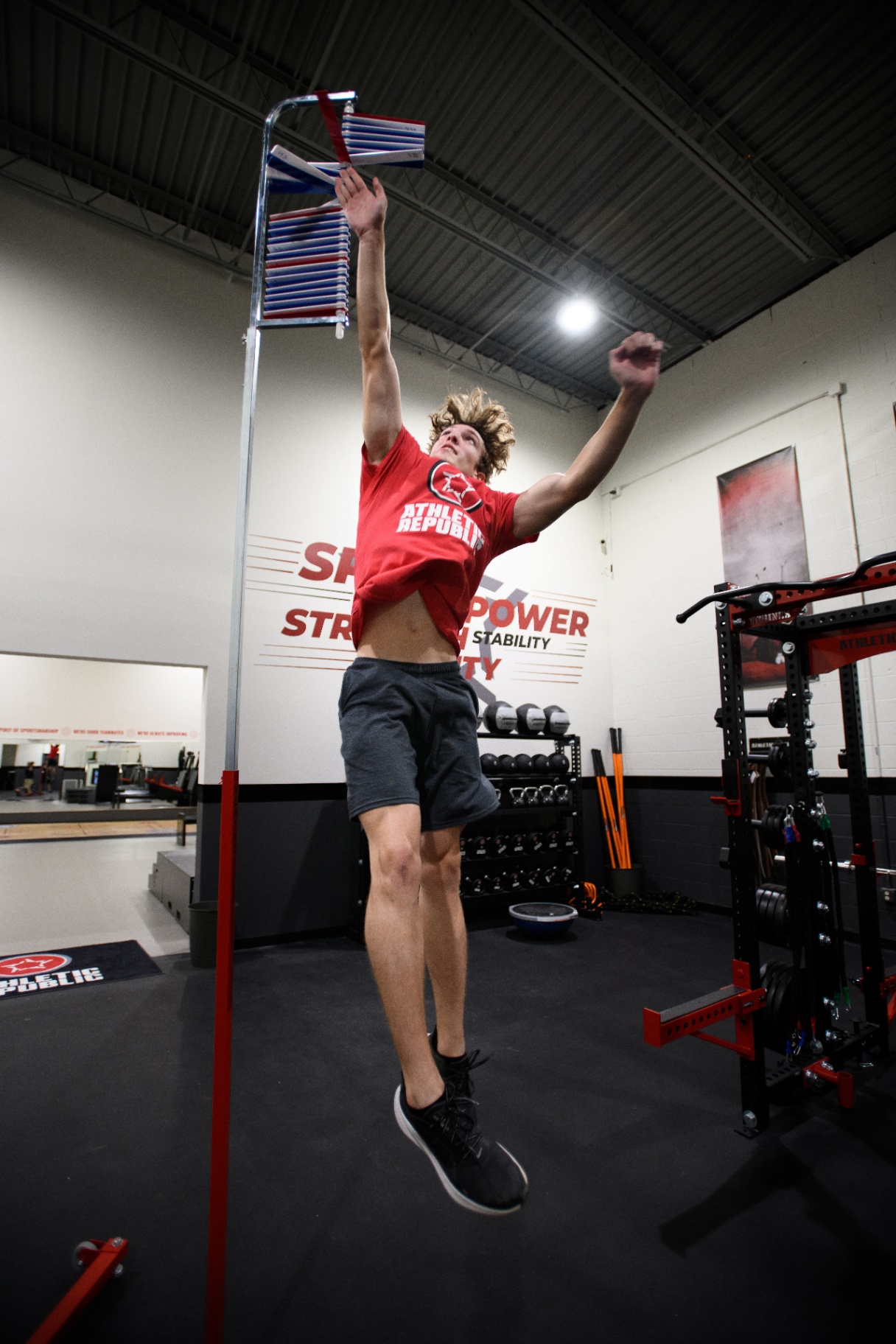
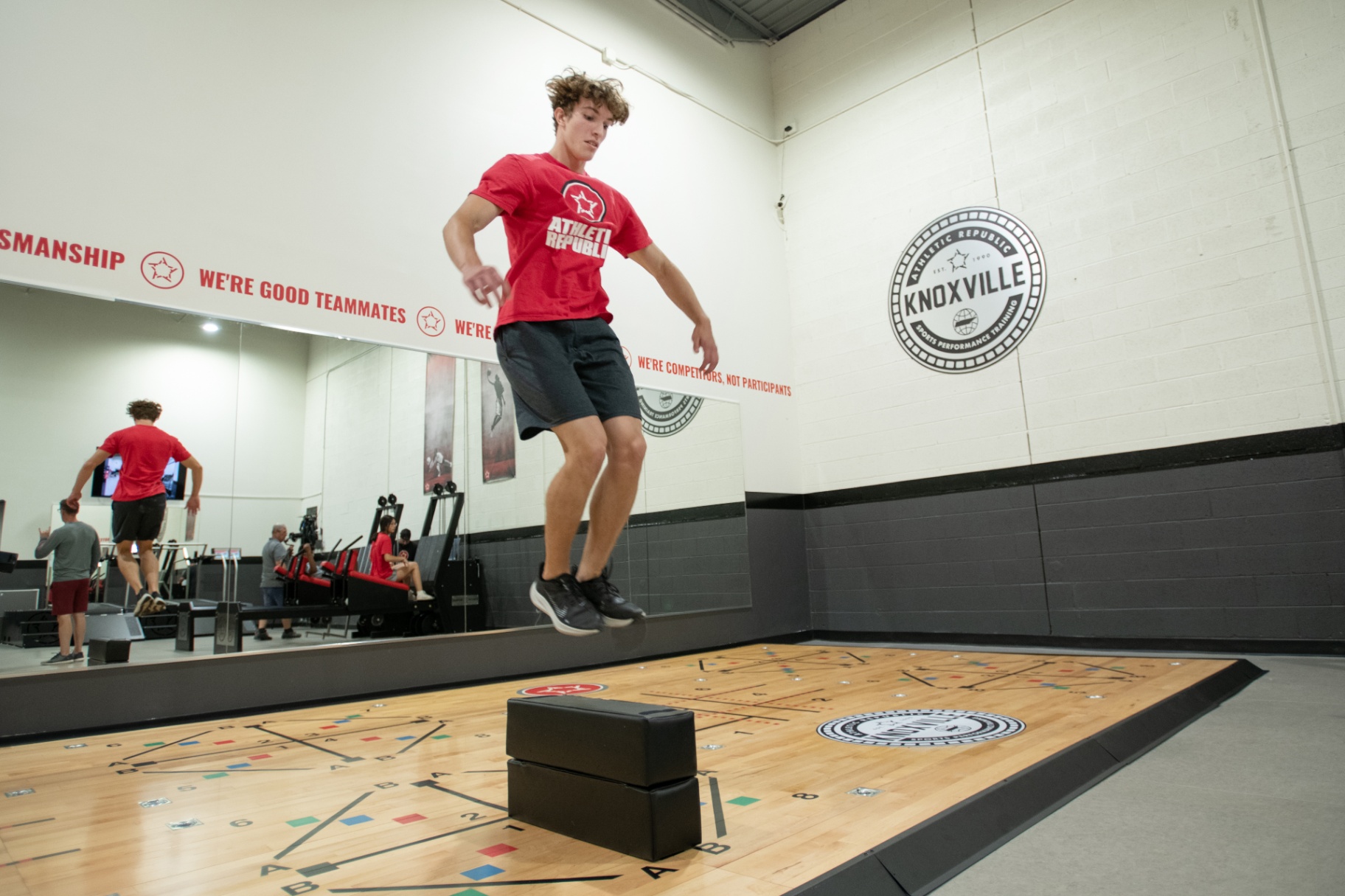
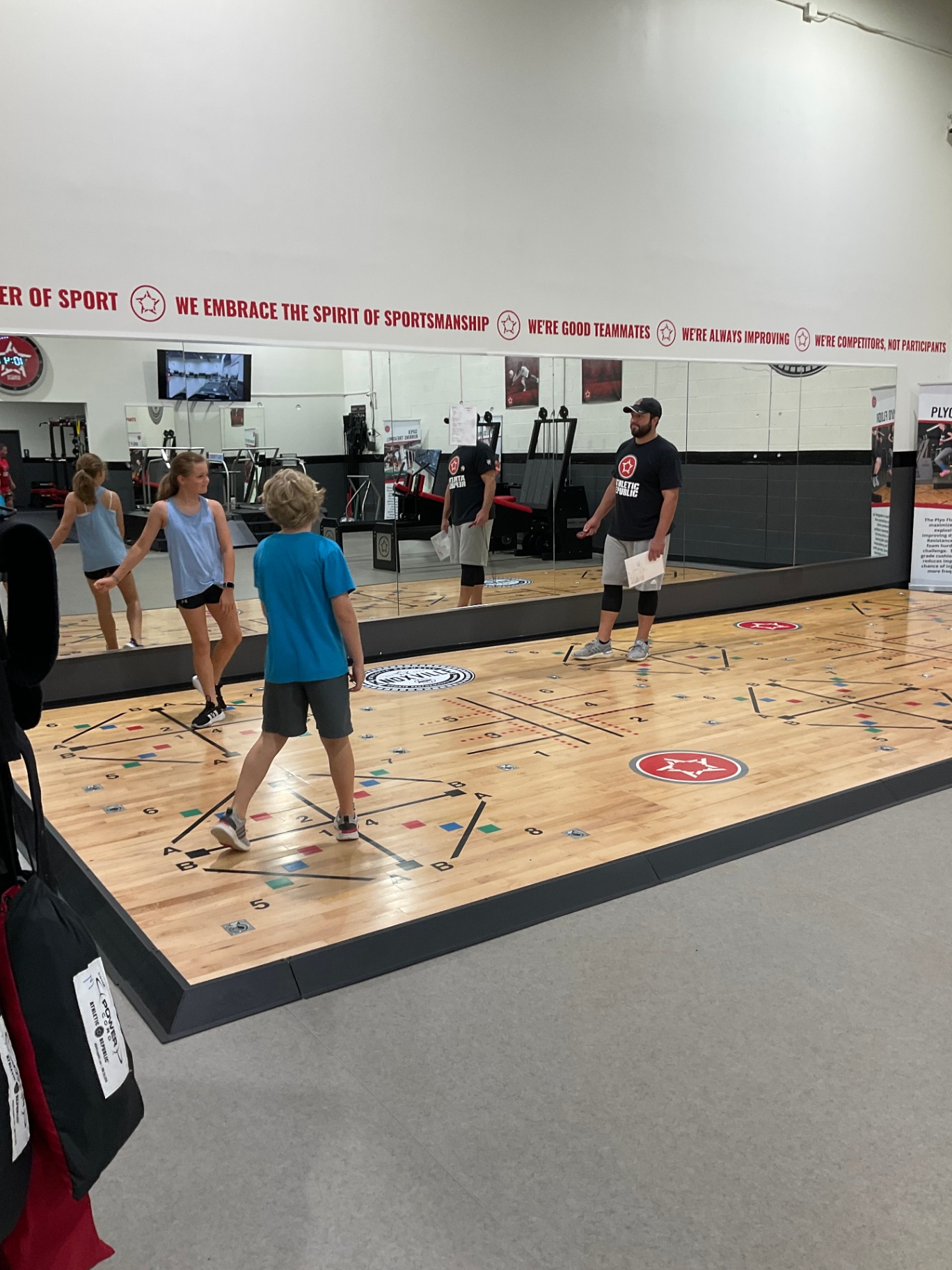
That is why the Acceleration Program brings multiple parts of athletic development together. Athletes train in a small-group, trainer-led format with access to specialty treadmills, turf, an agility floor, plyometric areas, and strength equipment throughout Athletic Republic Knoxville’s 18,000-square-foot facility.
The program also uses:
- Science-based training protocols instead of random drills
- Baseline testing and retesting to track progress
- Video feedback to improve technique and movement awareness
- Certified trainers who coach the details
- Personalized progressions based on age, sport, goals, and ability
- Power, speed, agility, stability, and stamina training that work together
What Athletes Can Control
Athletic Republic Knoxville cannot promise that an athlete will become a starter. Coaches make lineup decisions based on many factors, and earning a role still requires skill development, team commitment, and consistent work with the team.
But athletes can control how prepared they are.
They can control whether they improve their movement quality, build their speed, work on their reaction ability, develop repeatable power, and show up ready to compete. They can control their effort, coachability, and response to the next opportunity.
The Acceleration Program is designed to help athletes become more capable and more confident so they have something real to bring back to practice and competition.
The next step is not waiting for a coach to notice you. It is building the qualities coaches are already watching for.
Get started with a free workout at Athletic Republic Knoxville and discover how the Acceleration Program can help you train with purpose, measure your progress, and give yourself a better shot at earning more opportunities.