Acceleration Program: Earning the Starting Spot
Walking into a new training program can bring up a big question: “What are we going to work on first?” At Athletic Republic Knoxville, the answer starts with learning where the athlete is today.
An initial assessment gives coaches a baseline: a starting snapshot of movement and athletic qualities such as speed, power, and change of direction. It’s not a tryout, a ranking, or a prediction of who will start. It helps a coach understand what an athlete can do now, where there may be room to improve, and how to make training more purposeful.
That matters when the goal is to compete for a starting spot. Before you can track progress, you need a useful starting point.
It’s a starting snapshot, not a pass-or-fail test
Athletes don’t all arrive with the same sport, training background, growth stage, or experience. So an assessment should not treat every athlete as if they were identical, or reduce their potential to one score.
At Athletic Republic Knoxville, athletes are tested at the beginning of a training program to help identify symmetry and areas for improvement, then tested again at the end to measure results. The specific observations and measures can depend on the athlete and the program. The purpose is to give certified coaches information they can use, not to label an athlete “good” or “bad.”
For parents, that means the assessment is a way to get a clearer picture of what training may address. For athletes, it’s a chance to begin with a plan instead of guessing.
What coaches look at first
1. Movement quality
Before speed is just a number on a stopwatch, it’s movement. Coaches may observe how an athlete accelerates, lands, balances, and controls their body through a drill. Are they able to stay organized as they move? Can they maintain control while changing positions? Are there movement habits that could benefit from more coaching and practice?
These observations can help guide instruction and training priorities. They are not a medical diagnosis, and they should not be treated as a definitive prediction of injury. If an athlete reports pain or has a health concern, that should be discussed with an appropriate healthcare professional.
2. Speed and acceleration
“Fast” is more than a feeling. Coaches can look at how an athlete gets moving, how efficiently they run, and how their speed develops during a task. A baseline offers a reference point to revisit later using comparable testing.
That comparison is most useful when the conditions are kept as consistent as possible. A different surface, warm-up, instruction, or testing setup can affect a result. That’s one reason a single time should be treated as information, not the whole story.
3. Power
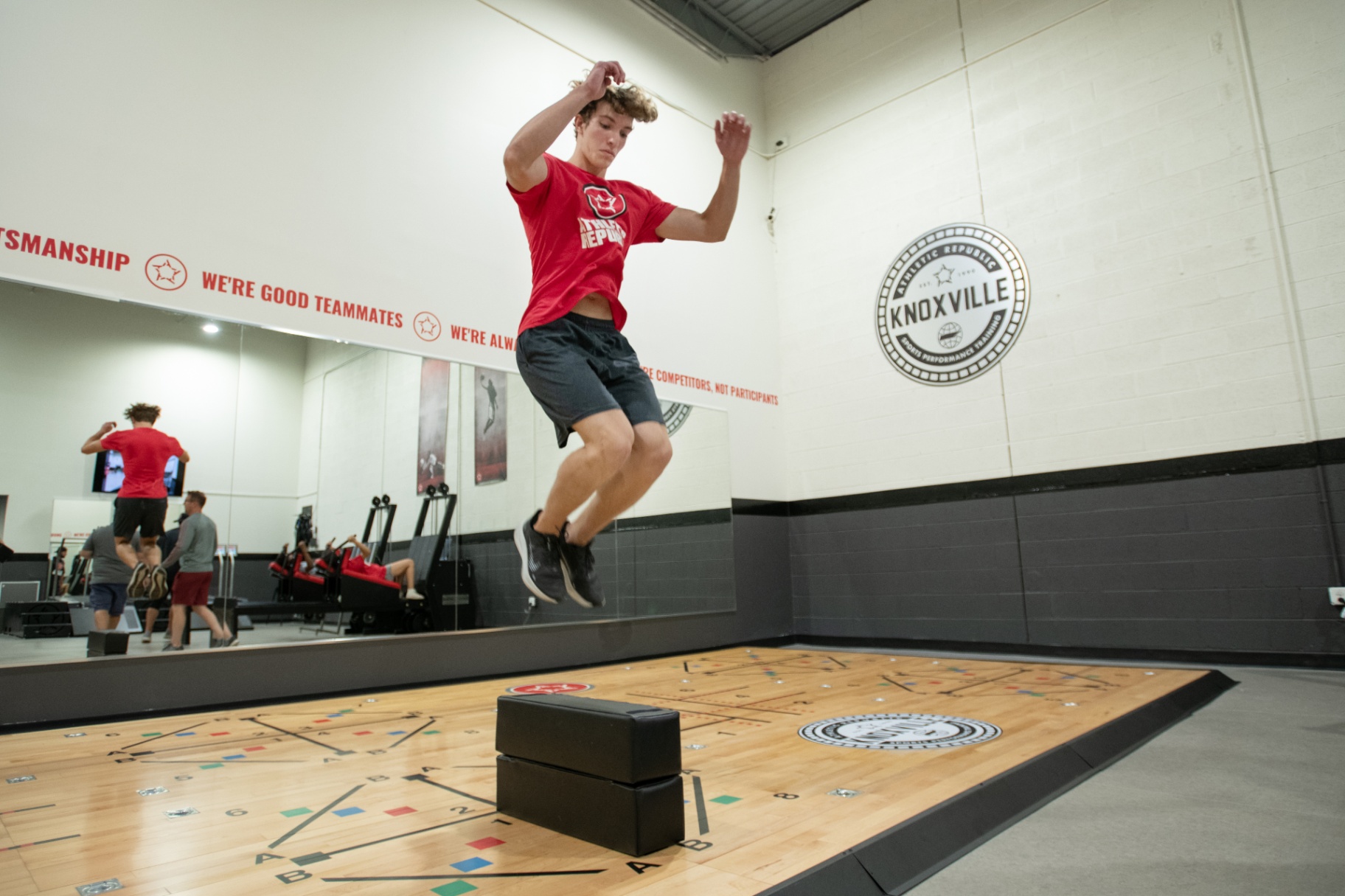
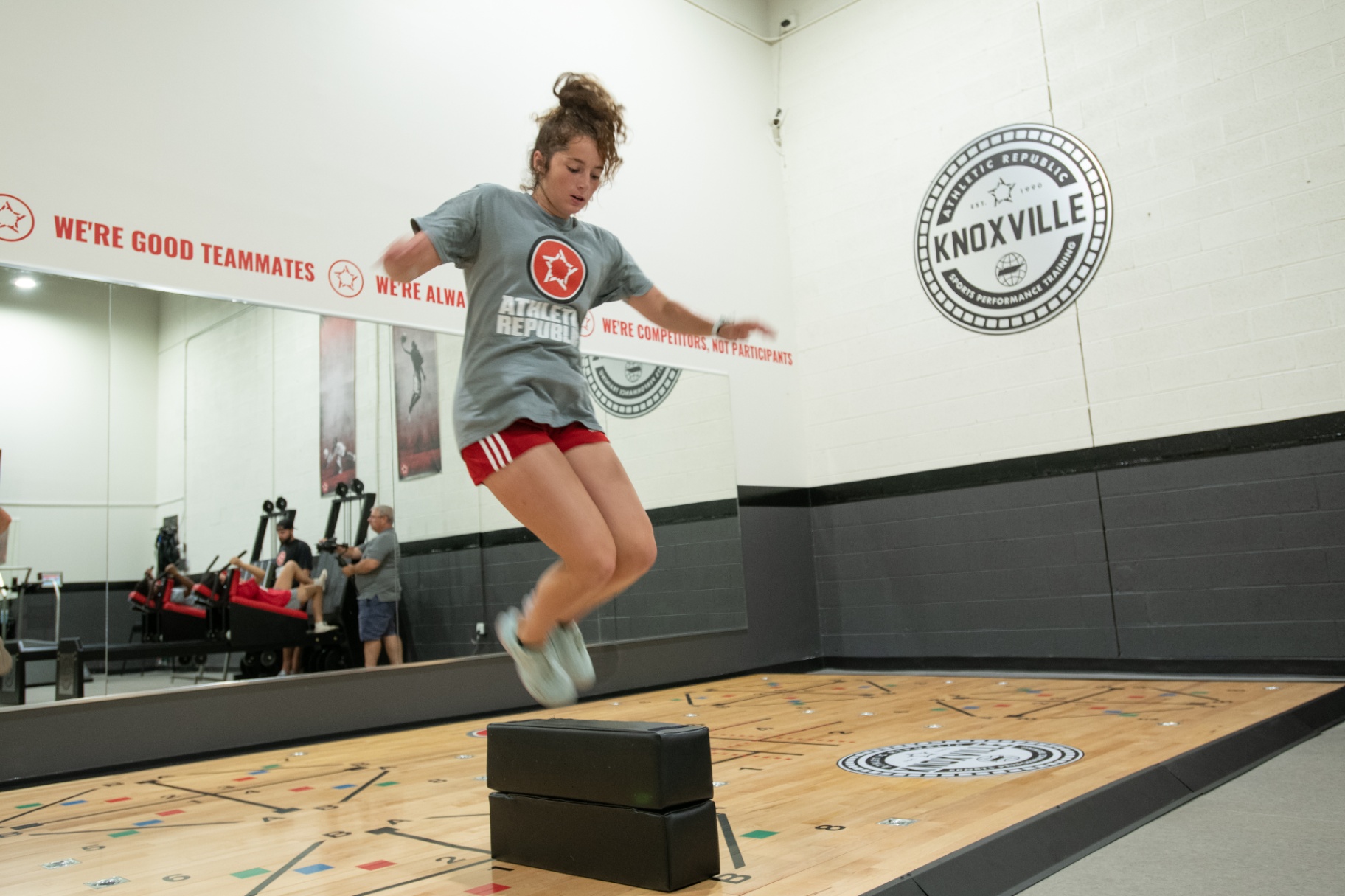
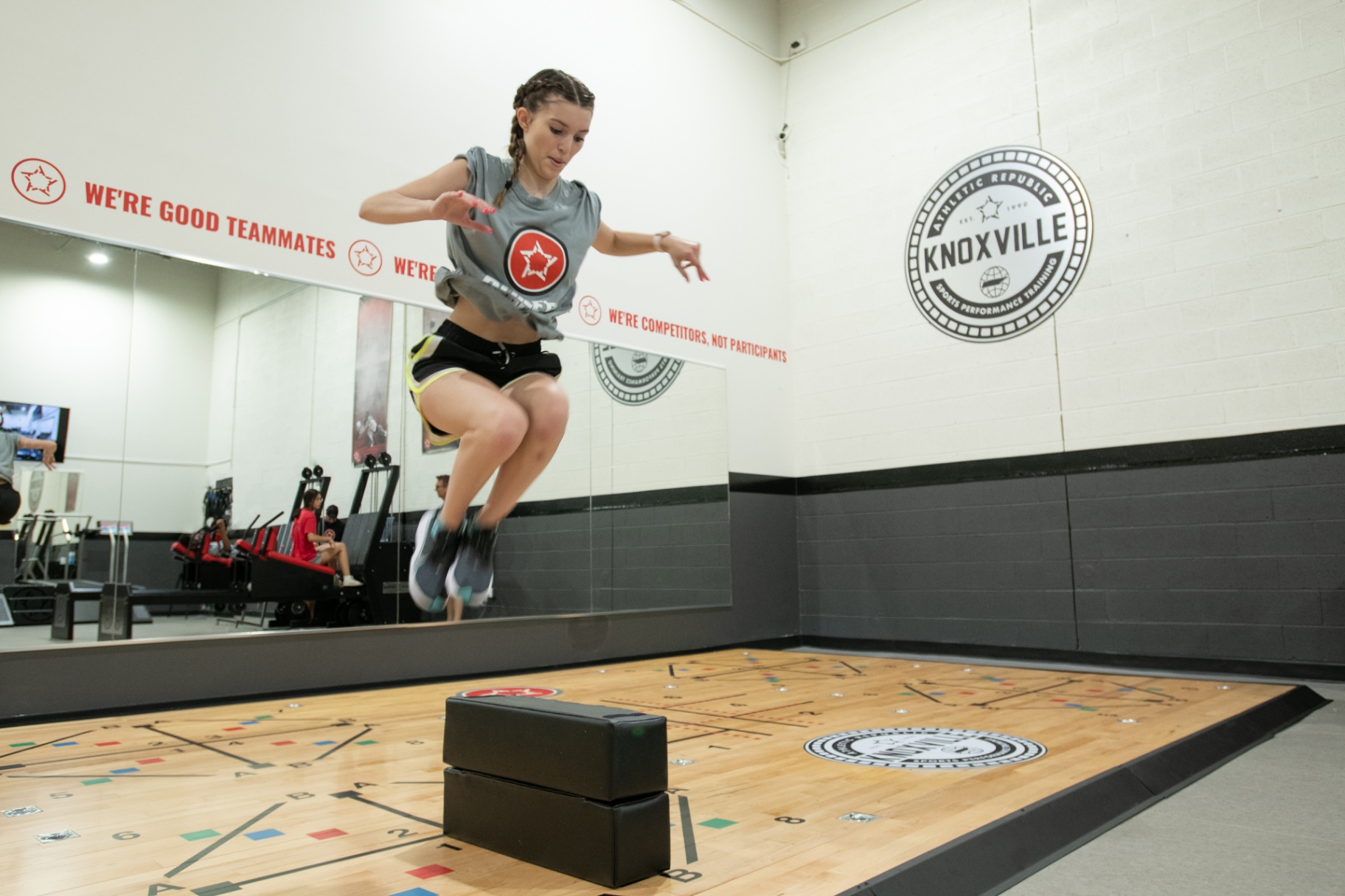
Power is the ability to produce force quickly. Jumping drills can give coaches a chance to observe explosive movement and how an athlete controls the landing. Depending on the assessment, coaches may record a measure or focus on technique and control.
A jump is only one piece of an athletic profile. It doesn’t tell a coach everything about an athlete’s speed, strength, sport skill, or potential. It can, however, help indicate what to work on and offer a useful point of comparison when repeated appropriately.
4. Change of direction and control
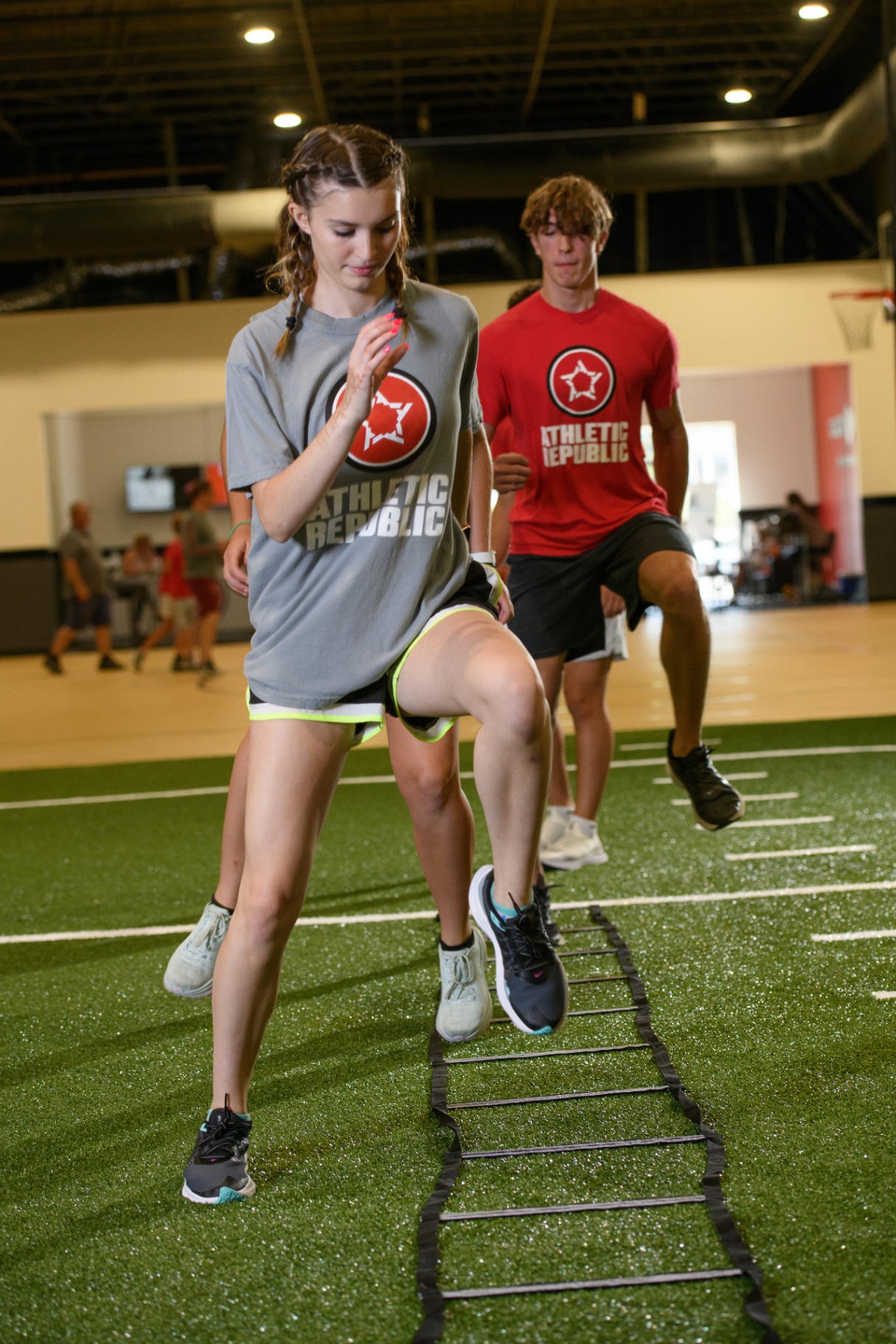
Sports rarely ask athletes to move in a straight line and stop. They accelerate, slow down, cut, and get moving again. Change-of-direction work can show how an athlete handles those transitions: how they control their body, plant and redirect, and re-accelerate.
The aim isn’t to see who looks best on the first attempt. It’s to notice what the athlete does and identify skills that can be practiced. Better movement is built through coaching and repetition, not a one-time score.
Why compare an athlete to their own baseline?
It’s tempting to ask, “How did I do compared with everyone else?” But teammates may differ in age, sport, position, training experience, and physical development. Comparing numbers without that context can distract from the more important question: Is this athlete progressing?
A baseline gives an athlete a personal reference. When the same or comparable measures are repeated, coaches and athletes can look for change over time. A result may show improvement in one area while another still needs attention. That’s not a failure; it’s useful direction.
It’s also worth remembering that every test has some variability. An athlete may perform a little differently from one day to the next because of factors like rest, readiness, or familiarity with the task. Coaches interpret results in context rather than treating every small change as a major breakthrough, or a setback.
In a program designed around individual development, the goal is not to beat a teammate’s number. It’s to understand your own starting point and keep building from it.
How those numbers become a training roadmap
The assessment is most valuable when it influences what happens next. If a coach sees an area that needs attention (perhaps running mechanics, explosive movement, control while changing direction, or symmetry) that observation can help shape training priorities.
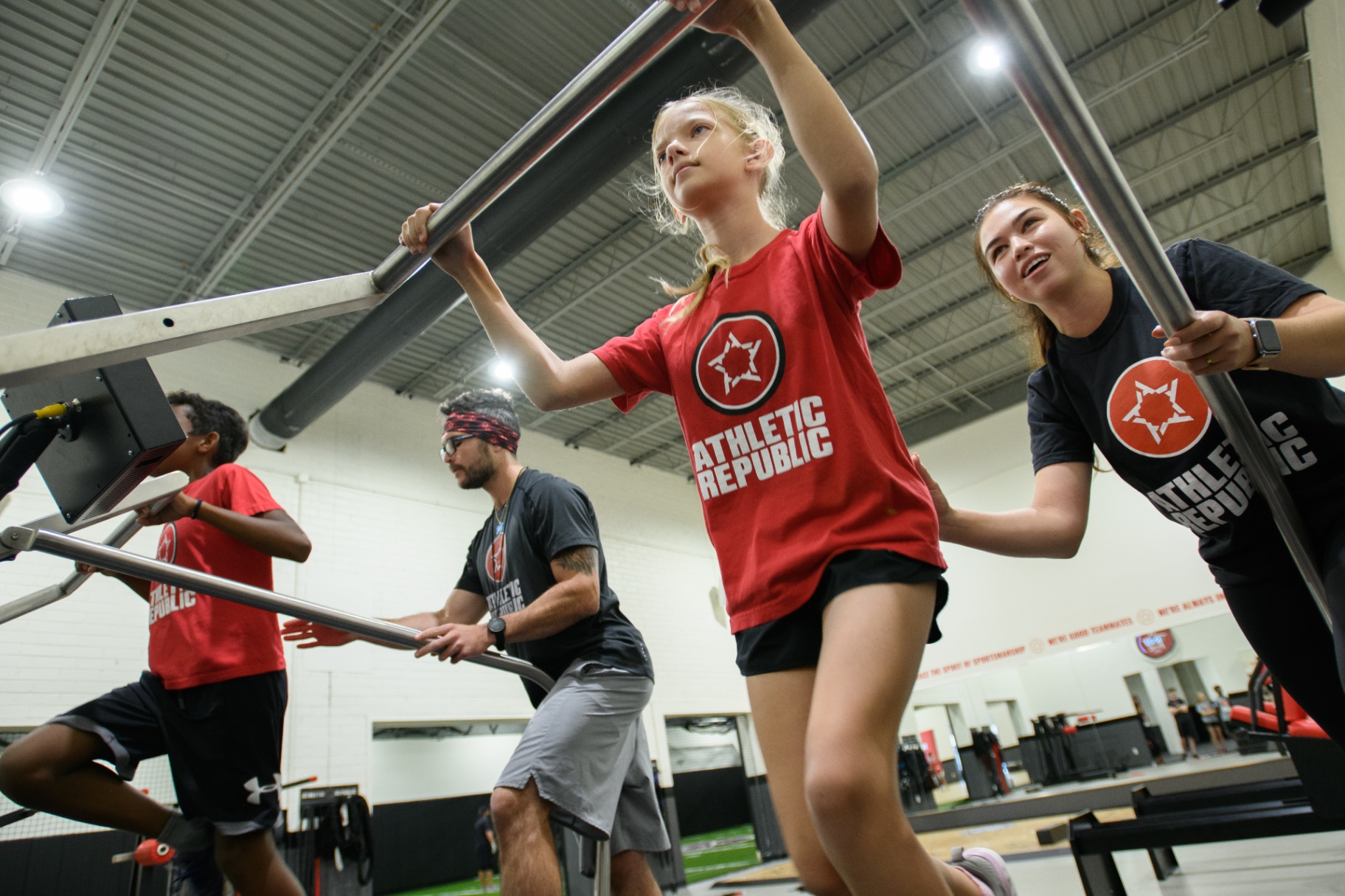
Athletic Republic Knoxville’s student-athlete training program uses small-group, trainer-led training to develop qualities such as speed, power, agility, and stamina. The approach combines science-based training protocols with coaching and feedback in a state-of-the-art, 18,000-square-foot facility.
That doesn’t mean every athlete follows an identical plan. Age, experience, goals, sport demands, and training progress all matter. A baseline helps coaches start with more information and gives athletes something concrete to revisit as they train.
And when it’s time to look back, progress isn’t only about one impressive result. Improvements in movement, confidence, consistency, and the ability to apply athletic skills can all matter in competition.
Why coaches value measurable athletes
Coaches have to make decisions based on what they see in practice and competition. Athletes who understand their own development can be better prepared to communicate about their work, stay focused on specific goals, and take feedback constructively.
Measurable progress can help make training feel less mysterious. Instead of “I think I’m quicker,” an athlete can ask: What changed? What stayed the same? What should I keep working on? A coach can use those conversations to set clearer priorities.
But the number is never the whole athlete. Game awareness, sport-specific skill, effort, reliability, teamwork, and how someone responds to coaching all matter. An assessment can measure selected athletic qualities; it cannot capture every reason a coach may choose a lineup.
The starting spot is a goal, not a guarantee
This series is about earning the starting spot, but it’s important to be honest: training can help develop measurable athleticism. It cannot promise a starting position, more playing time, or a particular outcome. Those decisions belong to a team’s coaches and depend on many factors, including sport skills, team needs, competition, and performance over time.
What training can offer is a structured way to work on physical qualities, receive coaching, and track progress against your own starting point. That is meaningful whether an athlete is trying to earn a larger role, prepare for a new season, or simply become more confident in how they move.
An assessment isn’t a verdict. It’s the first page of the plan.
Ready to find your starting point?
If you’re curious about the Acceleration program, explore student-athlete training at Athletic Republic Knoxville or request a free trial class. Bring your goals, your questions, and a willingness to learn. The next step is about understanding where you are, and building from there.