You’re ready. You’ve warmed up, you’re watching the game, and then: “You’re in!”
For a bench-sitting or second-string athlete, game day can mean long stretches of waiting followed by a sudden burst of action. That makes fueling a little different: the goal isn’t to eat constantly while waiting, but to arrive ready to move, stay comfortably hydrated, and avoid a heavy stomach if the coach calls your number.
Good game-day habits can support energy and focus. They don’t guarantee playing time or a starting spot. But they can help an athlete show up prepared: along with consistent practice, training, and recovery.
Start with breakfast, especially on a school day
A game doesn’t begin at kickoff, tipoff, or first pitch. It might start hours earlier, after a rushed morning and a full day of classes. Skipping breakfast can leave an athlete hungry and distracted before warmups even begin.
Keep breakfast familiar and manageable. Try oatmeal with fruit, cereal and milk with a banana, yogurt with granola, or toast with eggs. If an athlete has a very early game and doesn’t feel like eating much, a smaller option (like a banana and yogurt, or a smoothie they’ve had before) can be a practical start. They can eat a more substantial meal later when there’s time.
Research involving adolescents found an association between eating breakfast and better performance on cognitive tasks. It’s not a promise that breakfast will improve every athlete’s focus, but it’s one reason not to treat the morning meal as an afterthought. Read the adolescent breakfast research.
Plan the main meal around the start time
As a general guide, aim for a balanced meal about three hours before competition. Include carbohydrates for readily available fuel, plus some protein. Rice or pasta with chicken, a turkey sandwich with fruit, or a baked potato with a familiar lean protein can all work.
Keep the meal comfortable, not enormous. High-fat and very high-fiber foods can take longer to digest and may cause stomach discomfort during activity. That’s why a large fried meal or a heavy serving of beans right before warmups may not be the best choice, even if it’s a favorite at other times.
If the game is one to two hours away and the athlete is hungry, add a small, easy-to-digest snack or a liquid meal. A banana, applesauce, crackers, or a simple smoothie can help bridge the gap without feeling like a second full meal. The young-athlete sports nutrition review offers similar general timing guidance, while emphasizing that routines should fit the individual.

Pack for the bench, not a full picnic
A player waiting for an opportunity usually doesn’t need to eat continuously. The best bench bag is simple: water, plus a small snack the athlete already knows sits well.
Good options include:
- A banana
- Pretzels or plain crackers
- Graham crackers
- An applesauce pouch
These familiar foods offer easy-to-digest carbohydrates and are convenient to carry. The athlete can have a little during a longer event or between games if hunger strikes. For a single shorter game, a solid pregame meal and water may be all they need during play.
The key word is familiar. Don’t test a new sports bar, gel, supplement, or “game-day recipe” for the first time at a tournament. Practice is the place to see how a food feels during activity. Competition day is for repeating what already works.
Hydration: steady, not extreme
Hydration doesn’t need to become a contest. For a practical starting point, the youth sports nutrition review suggests roughly 400–600 mL of fluid two to three hours before activity. After that, keep water available and take comfortable drinks as needed during breaks and while waiting. Needs vary with body size, weather, how much the athlete sweats, and the sport.
Don’t wait until feeling parched to notice the water bottle, but don’t force huge amounts either. No chugging contests, and never drink with the goal of weighing more. The National Athletic Trainers’ Association advises athletes to avoid overdrinking; excessive fluid intake can be dangerous. For most athletes, drink to thirst and don’t try to “get ahead” by forcing water. See the NATA fluid-replacement guidance.
For ordinary activity lasting under about an hour, water is generally enough. Longer, very intense activity or hot conditions may call for a more individualized plan. If an athlete has medical needs, a history of hydration problems, or repeated symptoms during exercise, ask a pediatrician or qualified sports dietitian for guidance.
Energy drinks are not a game-day shortcut
This one is straightforward: energy drinks are a hard no for children and adolescents. They are not sports drinks, and they are not a substitute for breakfast, water, or a sound fueling routine. The American Academy of Pediatrics says energy drinks aren’t appropriate for children and adolescents, and the NFHS position statement likewise says they should not be used for prehydration or rehydration. AAP guidance and NFHS position statement.
If a young athlete feels flat before a game, start with the basics: food, water, a suitable warmup, and a conversation with a parent or coach, not a caffeinated energy drink.
Have a recovery option ready
When the game is over, especially if there’s another practice or competition within 24 hours, recovery matters. Aim for carbohydrates plus protein within about 30 minutes after activity, then have a regular meal later. A banana with chocolate milk, a turkey sandwich, or yogurt with fruit are simple options.
That doesn’t require a specialty shake or an elaborate recovery plan. A portable snack can help when the ride home is long or the next session is soon. The timing is most useful when the athlete has another demanding session coming up; the recovery nutrition review discusses the role of carbohydrates and protein when recovery time is short.

A simple game-day checklist
Before competition: Eat a familiar breakfast. Have a balanced meal around three hours before play. If needed, add a small snack or liquid meal one to two hours before.
On the bench: Bring water and one or two familiar, easy-to-digest carbohydrate snacks. Eat only if it makes sense for the event and how the athlete feels.
Afterward: Have a recovery snack with carbohydrates and protein, especially when another session is coming within 24 hours.
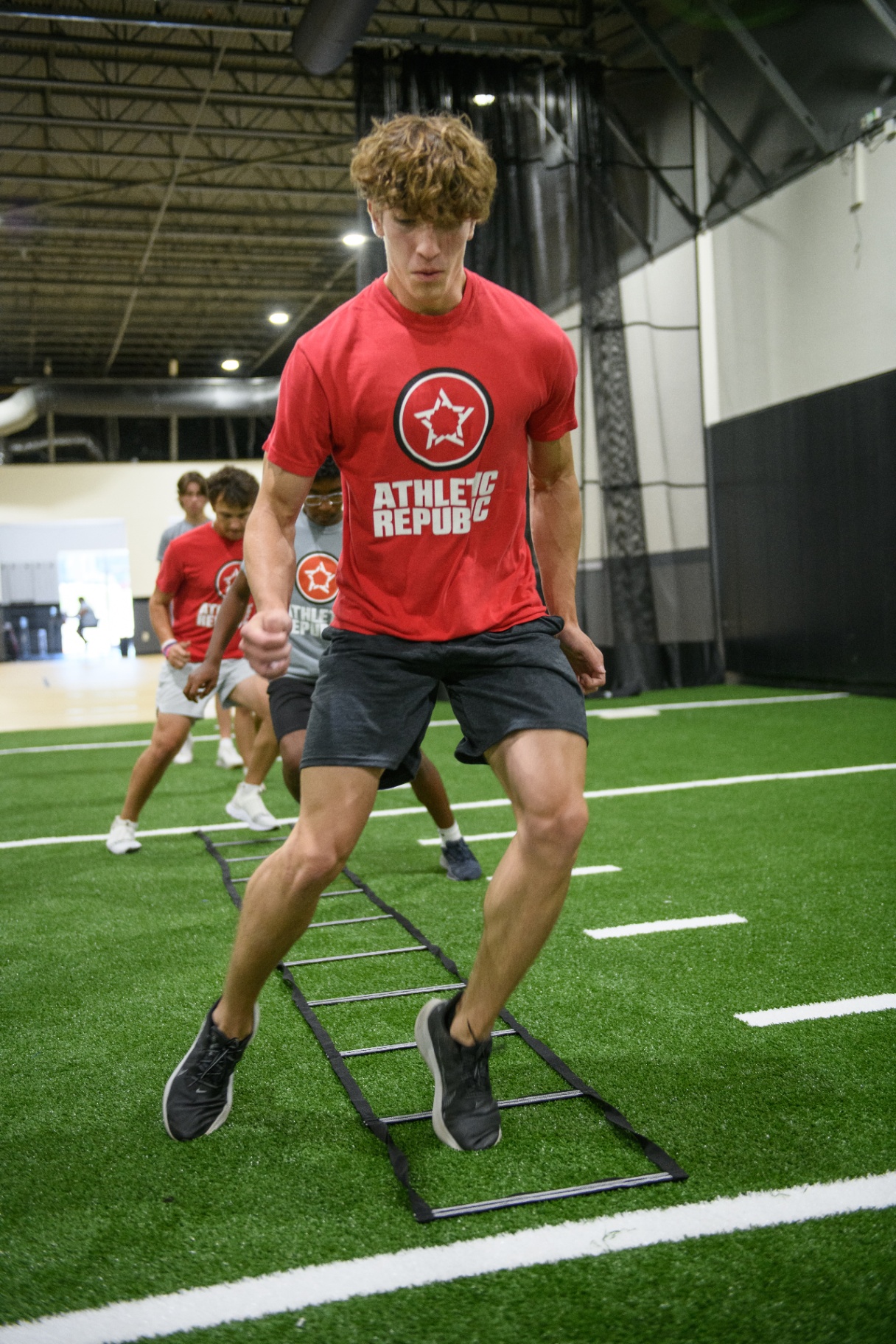
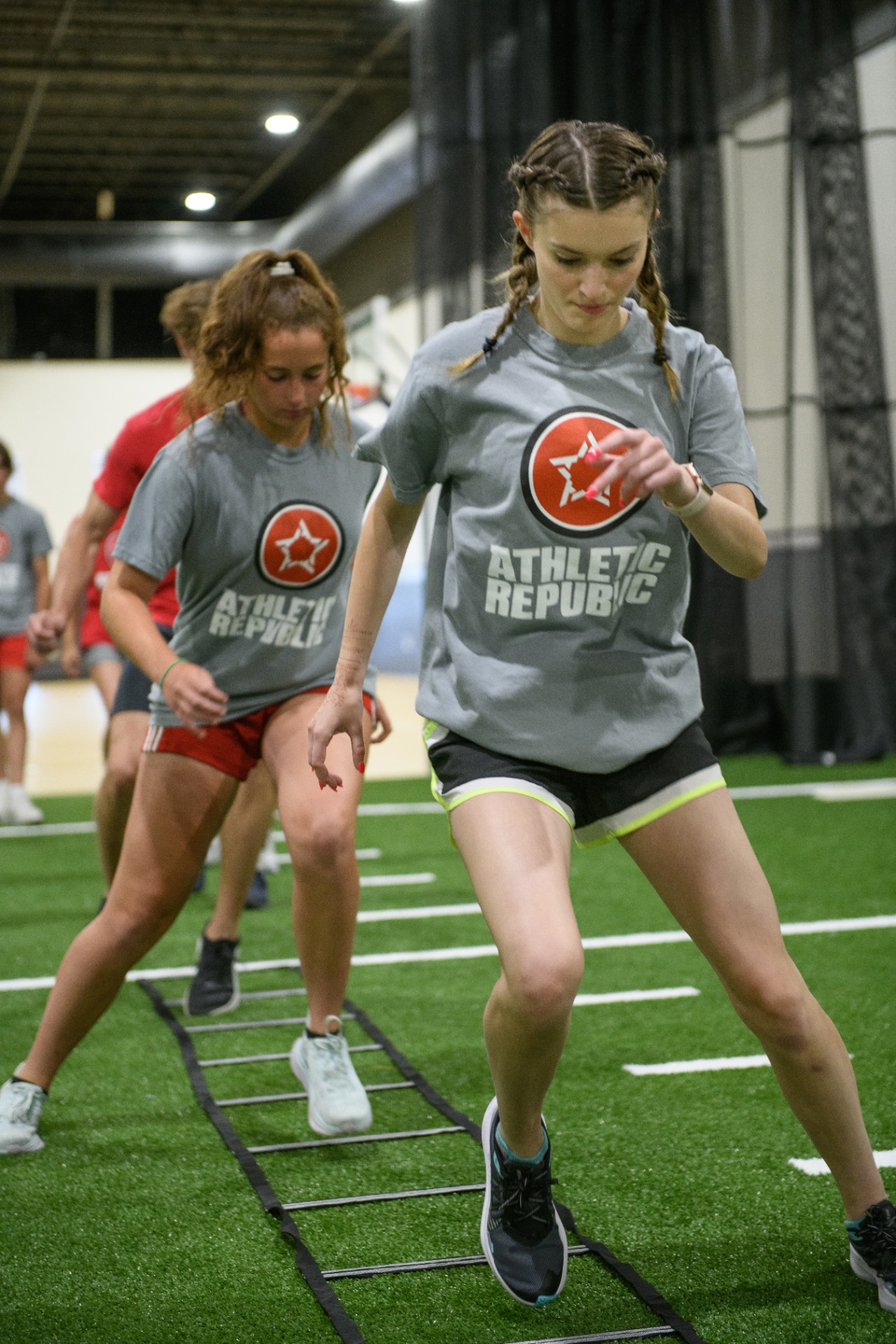
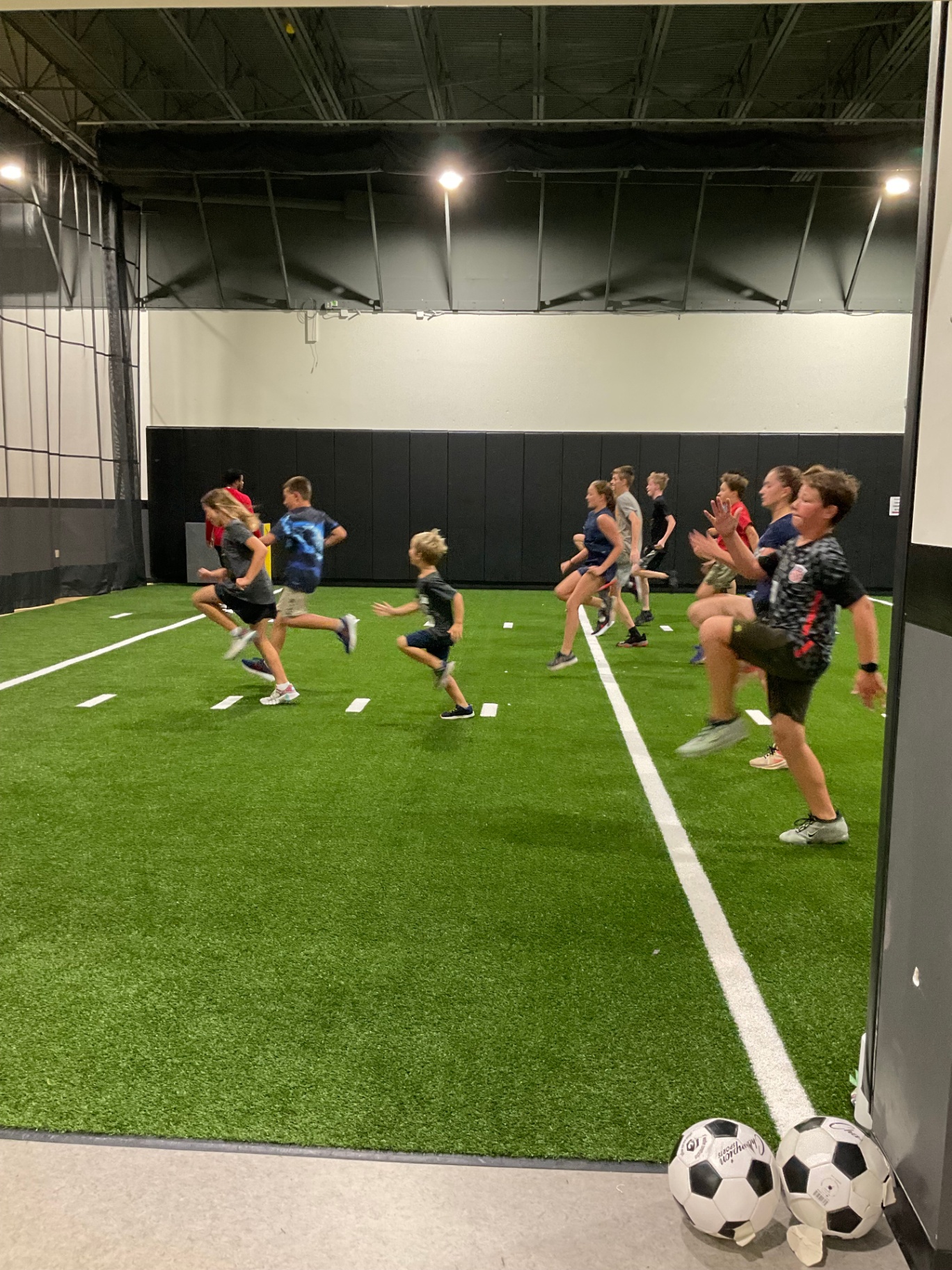
And remember: fueling is one part of preparation, not a shortcut to the lineup. It supports the work an athlete is already putting in through practice, training, and recovery. At Athletic Republic Knoxville, athletes build speed and agility through science-based training protocols and personalized coaching in an 18,000-square-foot facility. Those habits can support development over time, but no training or fueling plan can promise a starting spot or playing time.
Learn more about student-athlete training at Athletic Republic Knoxville, or try a free class to see if the program is a good fit.