If you and a teammate are chasing the same starting spot, training side by side might sound like a bad idea. Why help the person who could take your minutes get faster, stronger, or sharper?
Because a training partner can raise your effort, and because their progress doesn’t have to come at your expense. With thoughtful coaching, the teammate you compete with can also become the person who helps you get more out of a session.
At Athletic Republic Knoxville, Acceleration sessions give athletes a chance to work alongside others while following structured, individualized training. The goal isn’t to turn every drill into a showdown. It’s to use the energy of training together in a productive way.
What research says about working alongside someone
There’s a useful distinction between training near someone and doing a task with someone. When people perform the same activity alongside one another, researchers often call this coaction. The presence of another person can sometimes increase effort or performance, particularly on familiar or straightforward tasks. But it isn’t an automatic boost: pressure, task difficulty, and the way competition is framed all matter.
A classic explanation, associated with psychologist Robert Zajonc, is that being observed or working near others can increase arousal. That may help with well-practiced actions, but it can make unfamiliar or difficult tasks feel harder. In other words, a teammate’s presence can add energy, but it shouldn’t become a reason to rush a new movement or ignore a coach’s cues. (Zajonc, “Social Facilitation,” Science)
Research on the Köhler effect looks at a related but different situation: sometimes people persist longer when their contribution matters to a group task, especially when working with a more capable partner. Studies have tested this in exercise settings, including cycling and muscular-endurance tasks. (Martens & Landers, “Coaction Effects on a Muscular Endurance Task”; Irwin et al., “Aerobic Exercise Is Promoted when Individual Performance Affects the Group”)
There’s also sport-specific evidence: a study of a one-minute cycling team sprint found that athletes who believed they were the less capable team member increased their performance when paired with stronger teammates. That doesn’t mean every athlete will respond the same way, or that every drill should be competitive. It does suggest that a training partner can sometimes make a meaningful effort feel worthwhile. (Haugen et al., “Racing with Superior and Inferior Team-Members”)
The practical takeaway isn’t “competition always works.” It’s that a partner can help create focus and effort when the challenge is appropriate, the purpose is clear, and the coach keeps the work safe and productive.
Your teammate’s improvement can raise your standard
When you’re competing for a role, it’s easy to view every improvement your teammate makes as a threat. But their progress can also make the standard visible. If they’re moving well, putting in consistent effort, or getting through a drill with more control, you have a real example of what focused work can look like.
That doesn’t mean you need to copy their pace or turn every repetition into a race. Your training plan should fit your needs and current ability. Instead, use their effort as a prompt: Can I stay focused through this set? Can I make this repetition cleaner? Can I give the drill the attention it deserves?
And the encouragement can go both ways. You might notice something your teammate does well; they might see a strength in your movement. Respectful competition allows both athletes to push while remembering that development isn’t a zero-sum game.
What training together can look like at Athletic Republic Knoxville
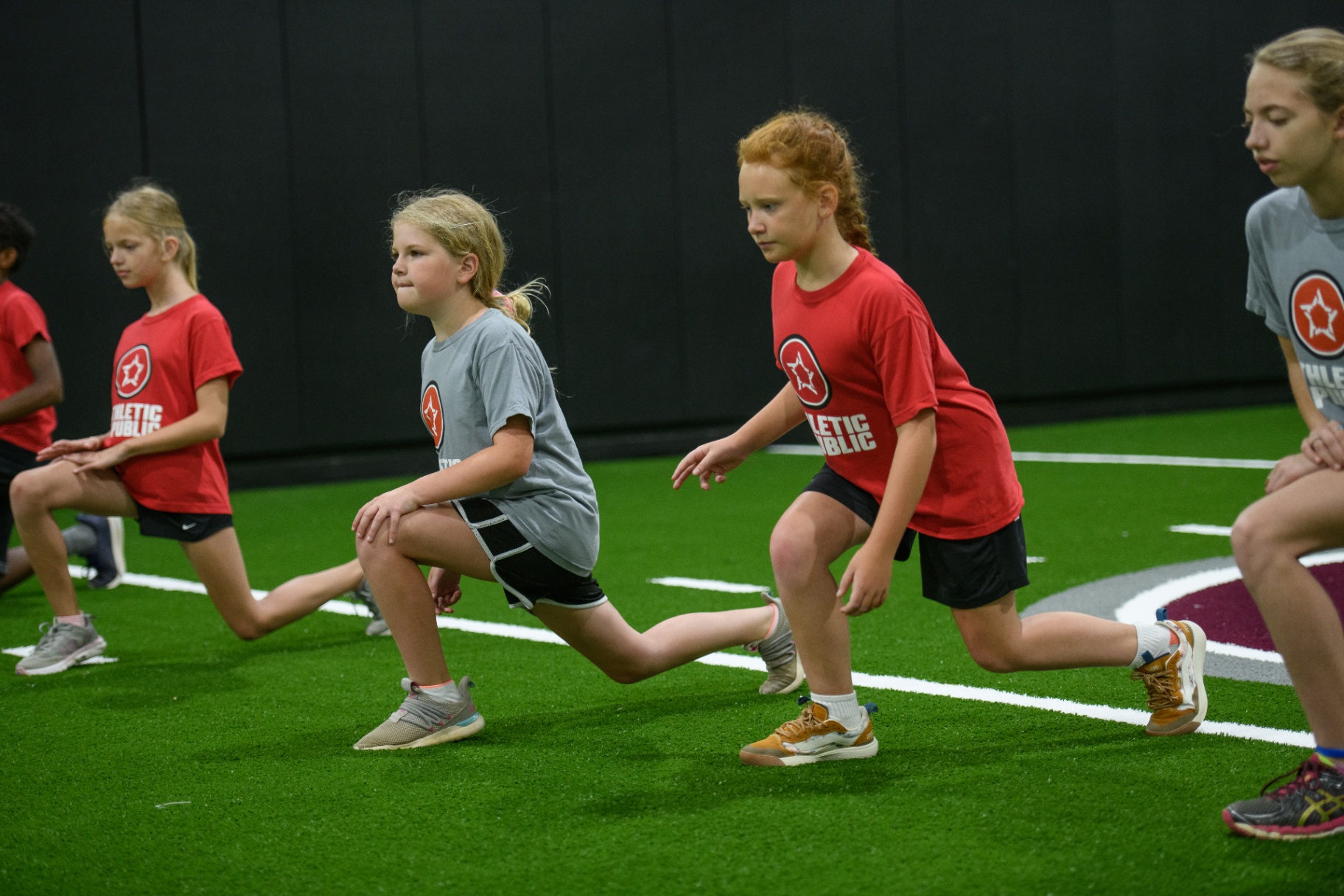
In an Acceleration session, teammates may work side by side on treadmill training or pair up for drills on the turf inside Athletic Republic Knoxville’s 18,000-square-foot facility. The exact work depends on the session and the athletes, not on who can make the other person look slow.
Certified trainers can set the pace, explain the purpose of each drill, and coach athletes through the work. They can also help keep the challenge appropriate: encouraging an athlete to stay engaged without letting rivalry take over technique or judgment. State-of-the-art technology and science-based training protocols support a structured approach, while coaching helps make the session personal to the people doing it.
Side-by-side work can make effort easier to notice. You may see your teammate stay composed during a demanding interval or remain focused between reps. That can help you return to your own task with more intent. The aim is not to match every number or win every rep. It’s to make quality work the shared standard.
How to handle the awkwardness
The first session together might feel strange. Maybe you usually compare yourselves at practice, or you’re not sure whether to joke, stay quiet, or keep score. You don’t need a big speech to reset the dynamic. A simple “Let’s get good work in” is enough.
A few helpful ground rules:
- Compete with the task, not each other’s worth. Focus on completing the drill well rather than proving who deserves the role.
- Keep feedback respectful. Leave technical coaching to the trainer unless your teammate asks for your perspective.
- Don’t turn a tough rep into a personal challenge. If you need to adjust, ask the trainer. Training isn’t the place to hide discomfort or take unnecessary risks.
- Recognize effort without making it a scoreboard. A genuine “Nice rep” can build trust without changing the session into a contest.
- Let the coach set the work. Partners may have different training needs, even when they’re pursuing the same position.
You may not become close friends. That’s okay. A good training partner doesn’t have to be your best friend; they do need to respect the work and the people doing it.
A note for parents: encourage the partnership, not the rivalry story
Parents naturally want to see their athlete get a fair opportunity. But comments such as “You have to beat him” or “Don’t let her take your spot” can make shared training feel more stressful than helpful.
Instead, keep the focus on what your athlete can control in training: showing up, making a genuine effort, and responding to coaching. You can acknowledge that competition is real without making the teammate the enemy. Both athletes can work hard, improve, and still be treated with respect.
Training can support athletic development, but it can’t promise a starting spot or playing time. Coaches make lineup decisions based on many factors, and those decisions remain theirs. What athletes can do is keep developing, and sometimes a teammate pursuing the same goal can help them bring more purpose to that work.
Train alongside a competitor, and keep your focus on your own growth
Sharing a session with the teammate you’re competing against may feel uncomfortable at first. It can also bring a useful challenge: someone beside you is working, and you have a chance to meet the moment without losing sight of your own progress.
If you’re interested in the Acceleration Program, learn more about student-athlete training at Athletic Republic Knoxville. You can also try a free class and experience a session for yourself.
No training program can guarantee a starting role. But a supportive, well-coached environment can help athletes keep building the skills and confidence they bring to their sport.